IX.1.3 Pompeii. Shop, for bakery at rear.
Bakery has entrance at IX.1.33. Excavated 1852. (Strada Stabiana 71).
According to Fiorelli, -
“Then came a shop with podium used for the sale of flour and bread. In its first area, separated from behind by a wall of wood, were three large terracotta urns characterised by the engraved seal of VITALE GALLICI, to keep the cereals, and in particular the ground cereal; in the second area was another podium with five large urns, each one bearing a number incised on their rim indicating their capacity. It seemed these would have been used to preserve the grain, and showed two shelves against the wall, and in the ground another urn, also the well, stairs to go up above, and a cubiculum occupied by the one who presided over the sale. The third area was the bakery mill room, and contained three millstones, one devoid of its catillus, the opening for the cistern, a basin/tub, the baker’s room, and at the rear, the stable, the oven with a repository for wood underneath, and nearby to the oven were two small basins/tubs, above each was the niche of the Penates.
On the other side of the oven was the bakery, with the latrine, having a second latrine nearby to the entrance at IX.2.33”.
See Fiorelli, G.,
(1875). Descrizione di Pompei, (p.367).
See Pappalardo, U., 2001. La Descrizione di Pompei per Giuseppe Fiorelli (1875). Napoli: Massa Editore, (p.137).
The name of VITALIS GALLICI is recorded on CIL X 8047, 20.
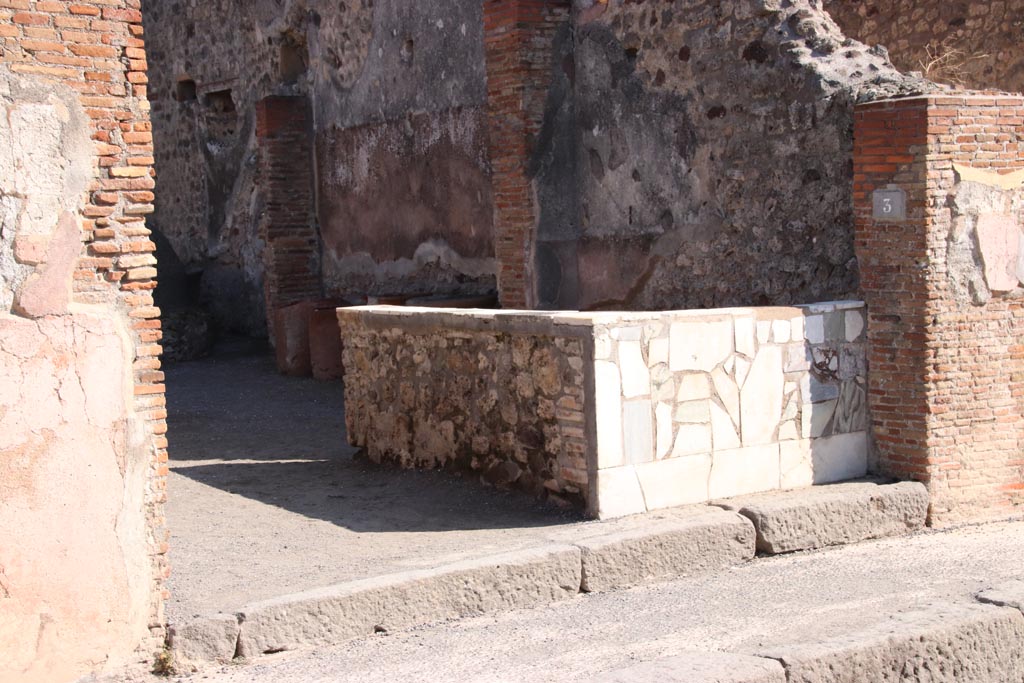
IX.1.3 Pompeii. October 2022. Looking towards entrance doorway on east side of Via Stabiana. Photo courtesy of Klaus Heese.
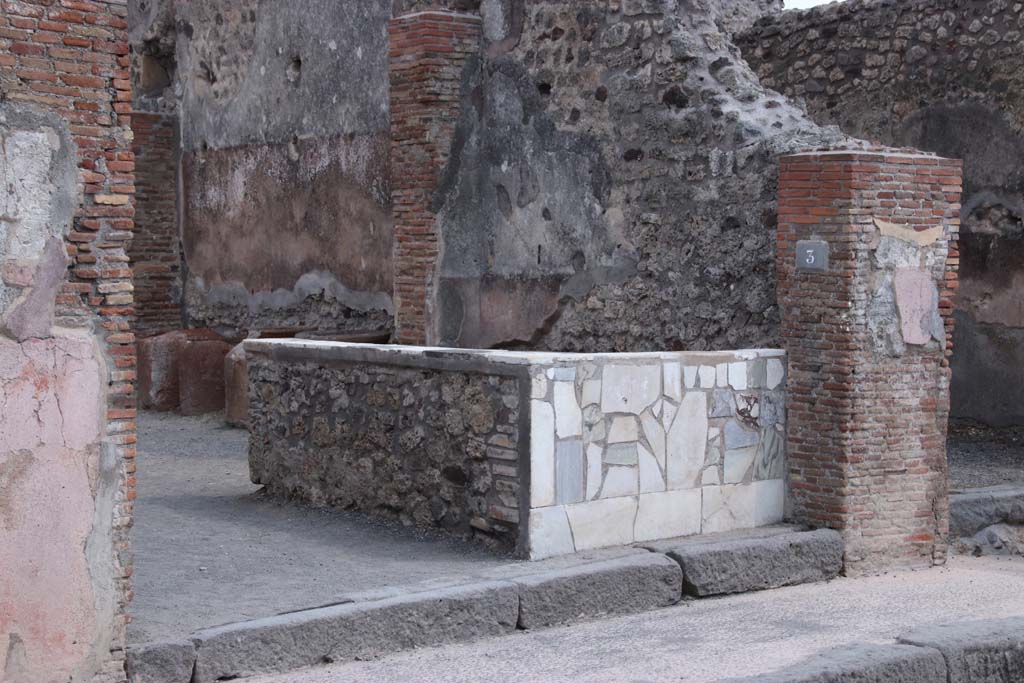
IX.1.3 Pompeii. September 2021. Looking towards entrance
doorway on east side of Via Stabiana. Photo courtesy of Klaus Heese.
![IX.1.3 Pompeii. December 2018. Looking east on Via Stabiana towards entrance doorway. Photo courtesy of Aude Durand.
In February 1852, found painted in red, on the pilaster between IX.1.2 and IX.1.3 (on the left) was the graffito:
Vettium [CIL IV 942]
See Pagano, M. and Prisciandaro, R., 2006. Studio sulle provenienze degli oggetti rinvenuti negli scavi borbonici del regno di Napoli. Naples: Nicola Longobardi. (p.167)](9%2001%2003_files/image004.jpg)
IX.1.3
Pompeii. December 2018. Looking east on Via Stabiana towards entrance doorway.
Photo courtesy of Aude Durand.
In February 1852, found painted in red, on the pilaster between IX.1.2 and IX.1.3 (on the left) was the graffito:
Vettium [CIL IV 942]
See Pagano, M. and Prisciandaro, R., 2006. Studio sulle provenienze degli oggetti
rinvenuti negli scavi borbonici del regno di Napoli. Naples:
Nicola Longobardi. (p.167)
![IX.1.3 Pompeii. May 2005. Entrance. In February 1852, found painted in red and black, on the pilaster between IX.1.3 and IX.1.4 (on the right)
was the graffito:
Holconium
Priscum d(ignum) r(ei) p(ublicae II v(irum)
Iuvenum Frug[i]
tiu[s [CIL IV 943]
See Pagano, M. and Prisciandaro, R., 2006. Studio sulle provenienze degli oggetti rinvenuti negli scavi borbonici del regno di Napoli. Naples : Nicola Longobardi. (p.167)](9%2001%2003_files/image006.jpg)
IX.1.3 Pompeii. May 2005. Entrance doorway to shop-room, with threshold of blocks of lava.
In February 1852, found painted in red and black, on the pilaster between IX.1.3 and IX.1.4 (on the right) was the graffito:
Holconium
Priscum d(ignum)
r(ei) p(ublicae II v(irum)
Iuvenum Frug[i]
tiu[s [CIL IV 943]
See Pagano, M. and Prisciandaro, R., 2006. Studio sulle provenienze degli oggetti rinvenuti negli scavi borbonici del regno di Napoli. Naples: Nicola Longobardi. (p.167)
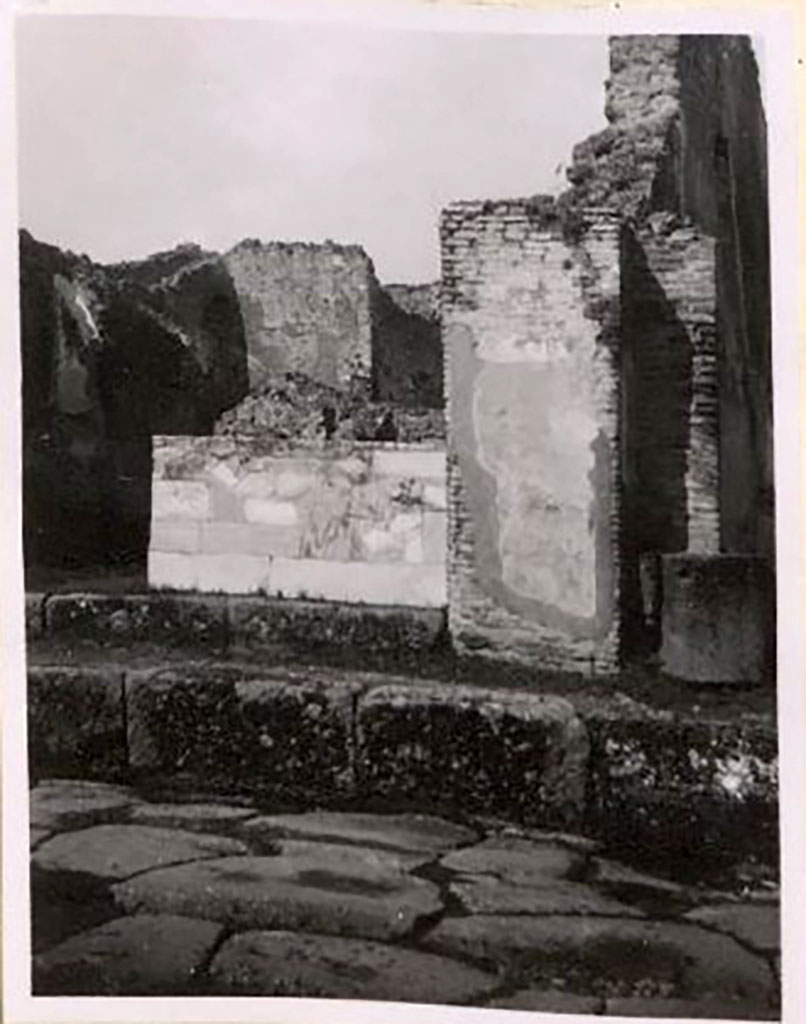
IX.1.3/4 Pompeii. Pre-1943. Pilaster between IX.1.3, on left, and IX.1.4, on right. Photo by Tatiana Warscher.
See Warscher, T. Codex Topographicus Pompeianus, IX.1. (1943), Swedish Institute, Rome. (no.4), p. 15.
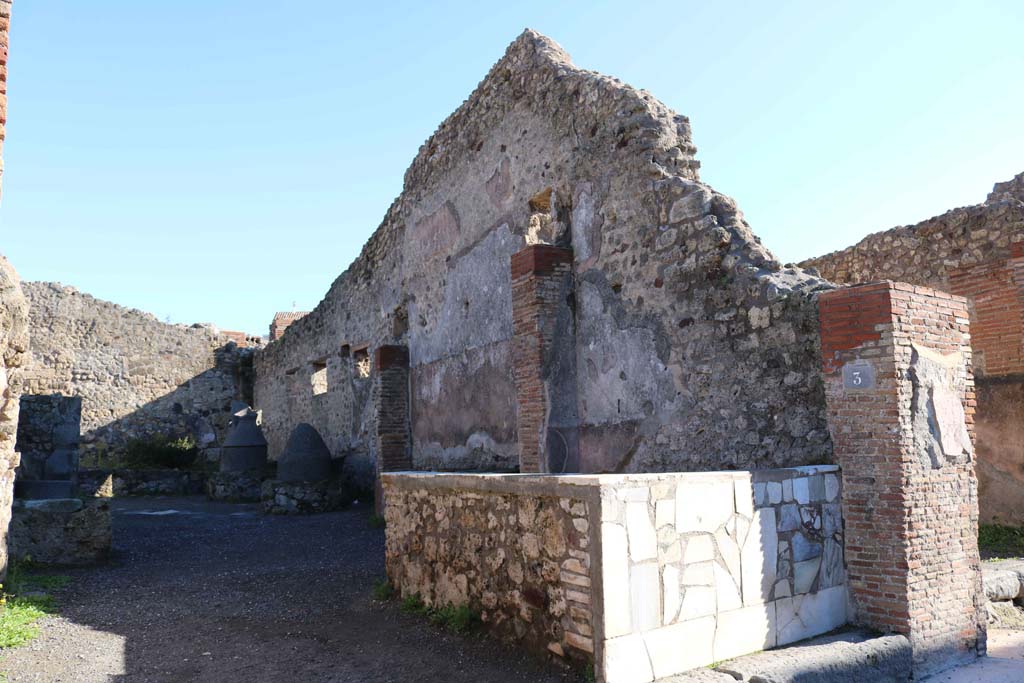
IX.1.3 Pompeii. December 2018. Entrance
doorway. Photo courtesy of Aude Durand.
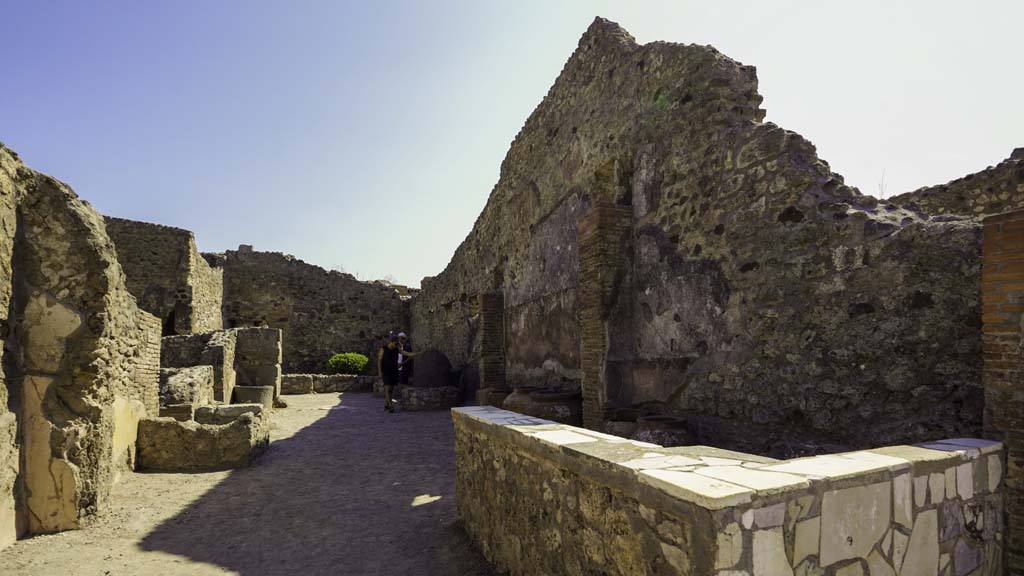
IX.1.3 Pompeii. August 2021.
Looking east across shop towards bakery at rear, from entrance
doorway. Photo courtesy of Robert Hanson.
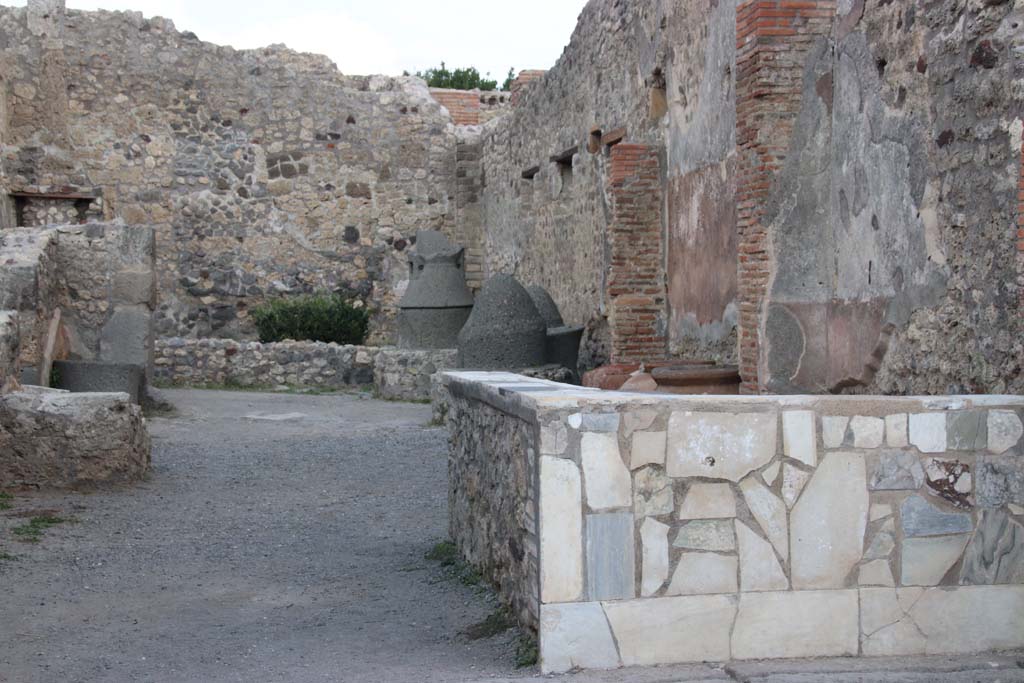
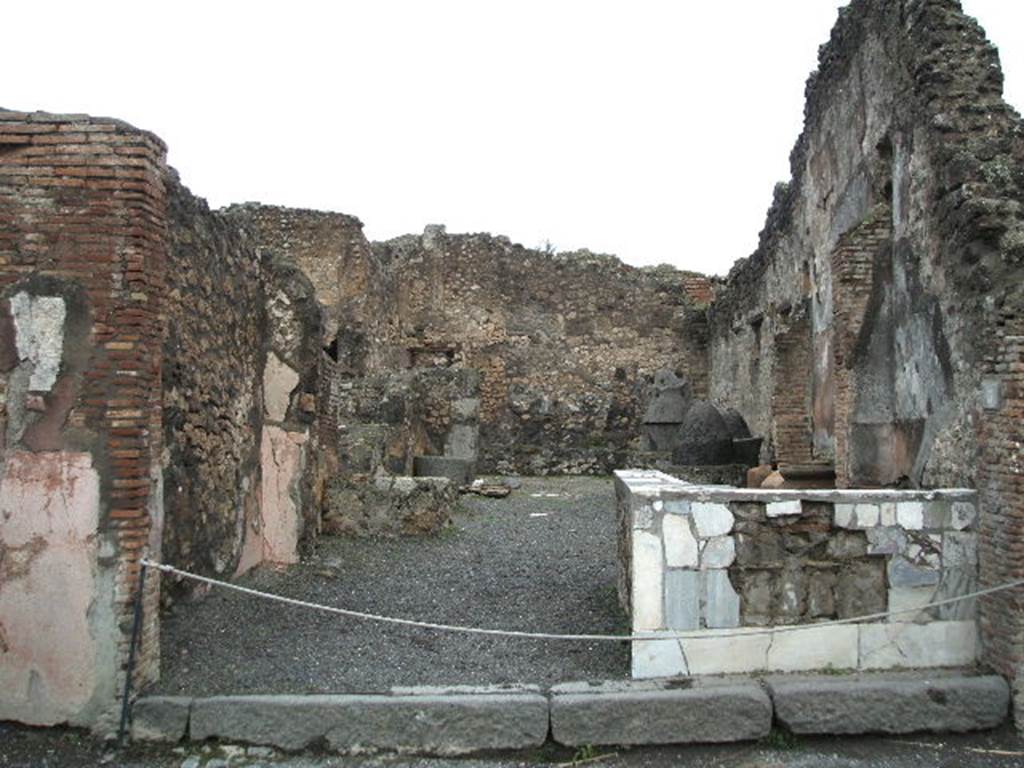
IX.1.3 Pompeii. December 2004. Looking east from Via Stabiana.
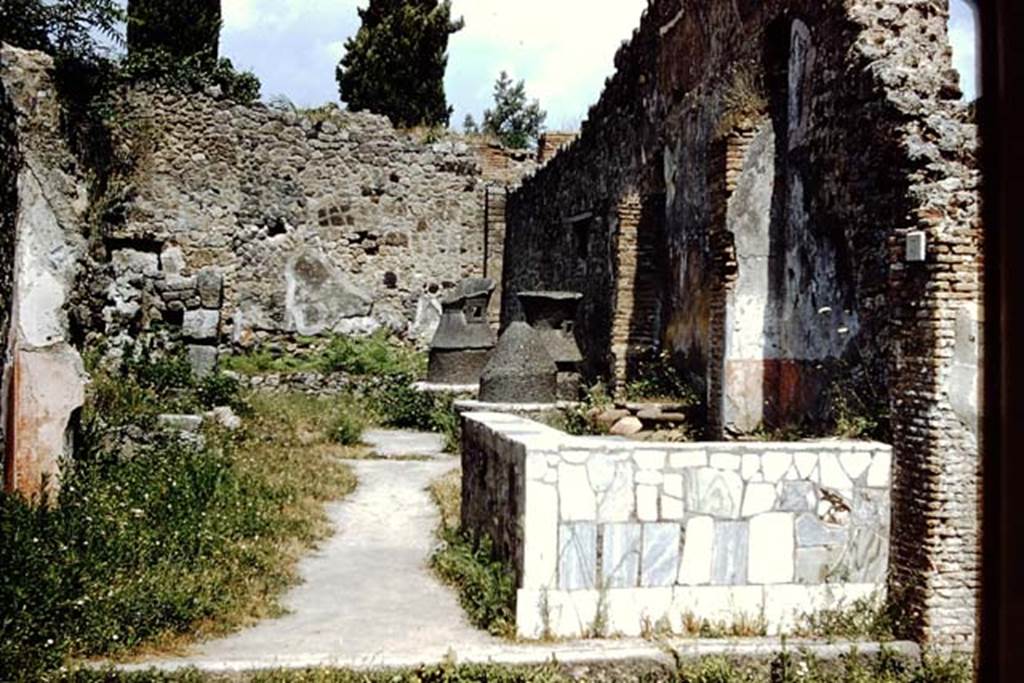
IX.1.3 Pompeii. 1959. Entrance, looking east. Photo by Stanley A. Jashemski.
Source: The Wilhelmina and Stanley A. Jashemski archive in the University of Maryland Library, Special Collections (See collection page) and made available under the Creative Commons Attribution-Non-Commercial License v.4. See Licence and use details.
J59f0113
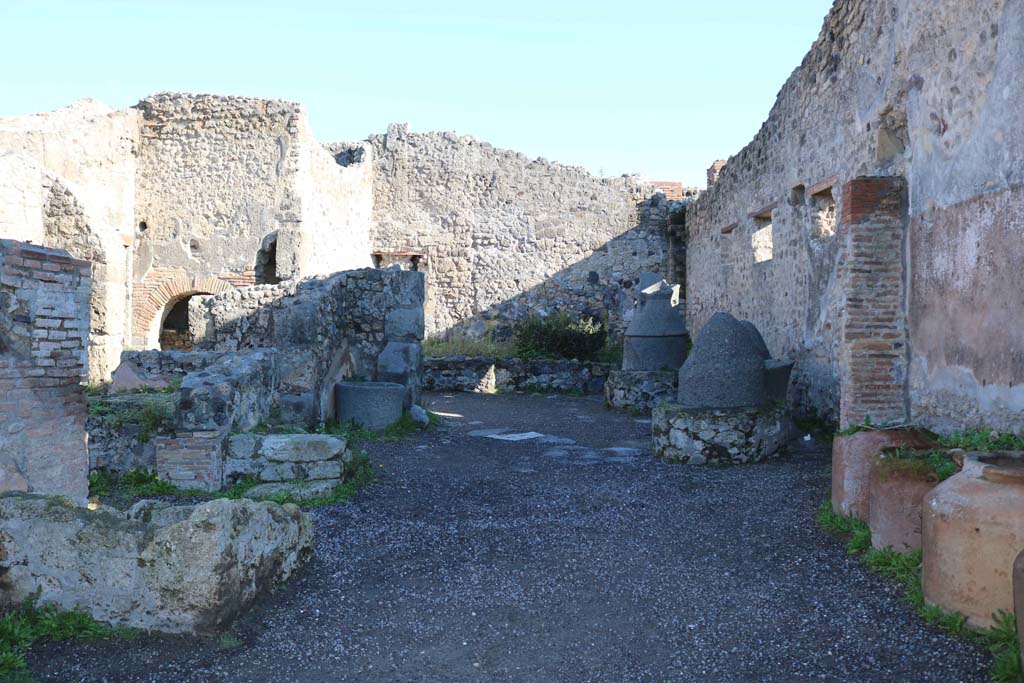
IX.1.3 Pompeii. December 2018.
Looking east across bakery. Photo courtesy of Aude Durand.
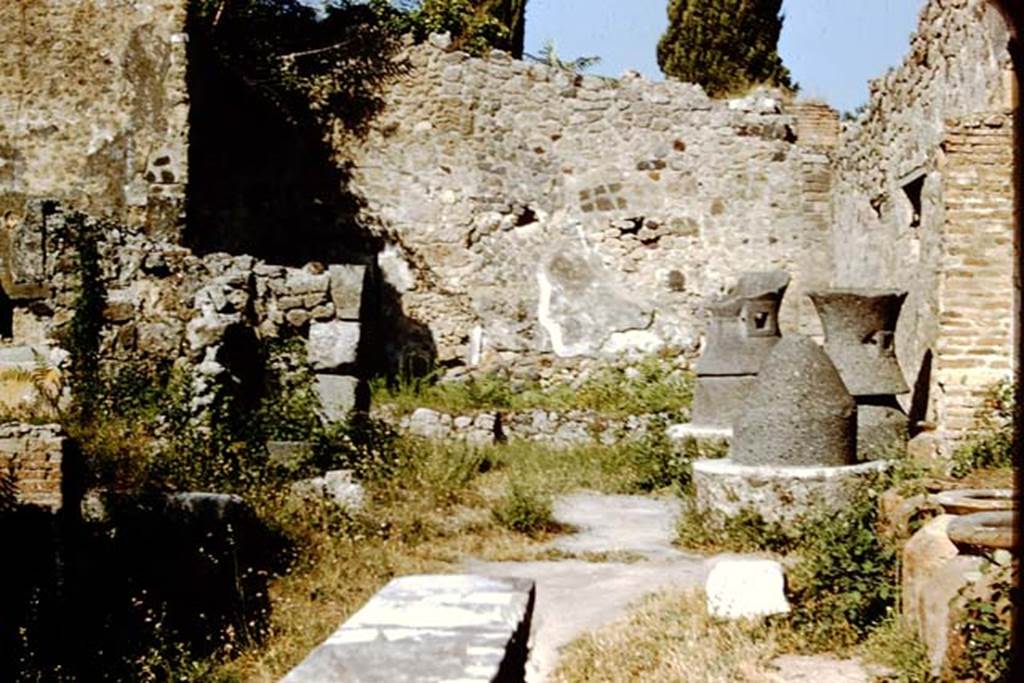
IX.1.3 Pompeii. 1959. Looking east across bakery. Photo by Stanley A. Jashemski.
Source: The Wilhelmina and Stanley A. Jashemski archive in the University of Maryland Library, Special Collections (See collection page) and made available under the Creative Commons Attribution-Non-Commercial License v.4. See Licence and use details.
J59f0227
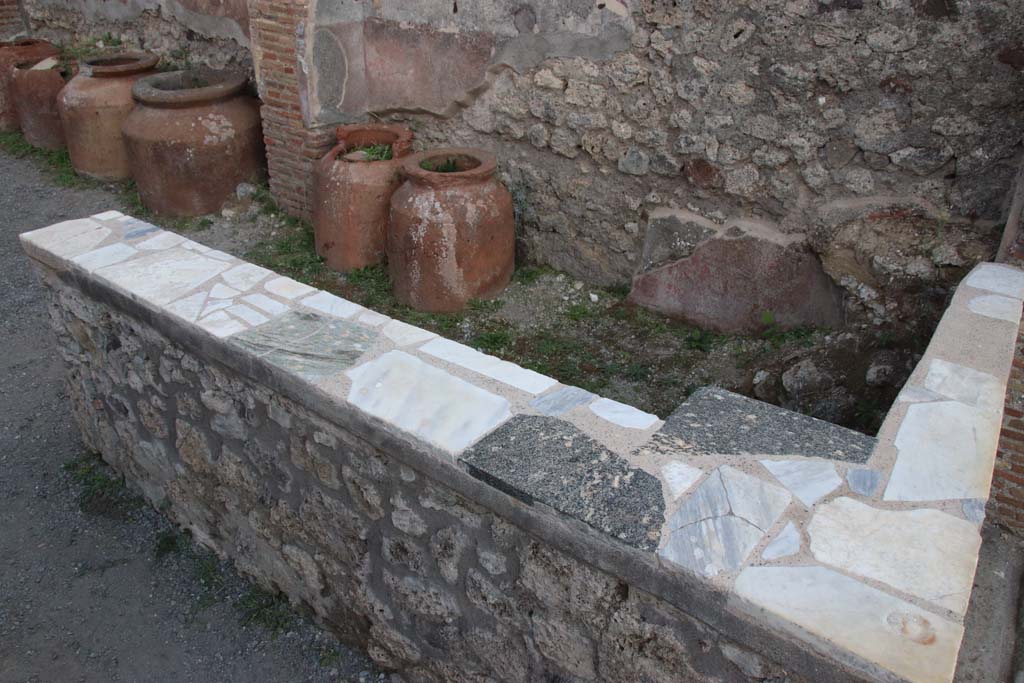
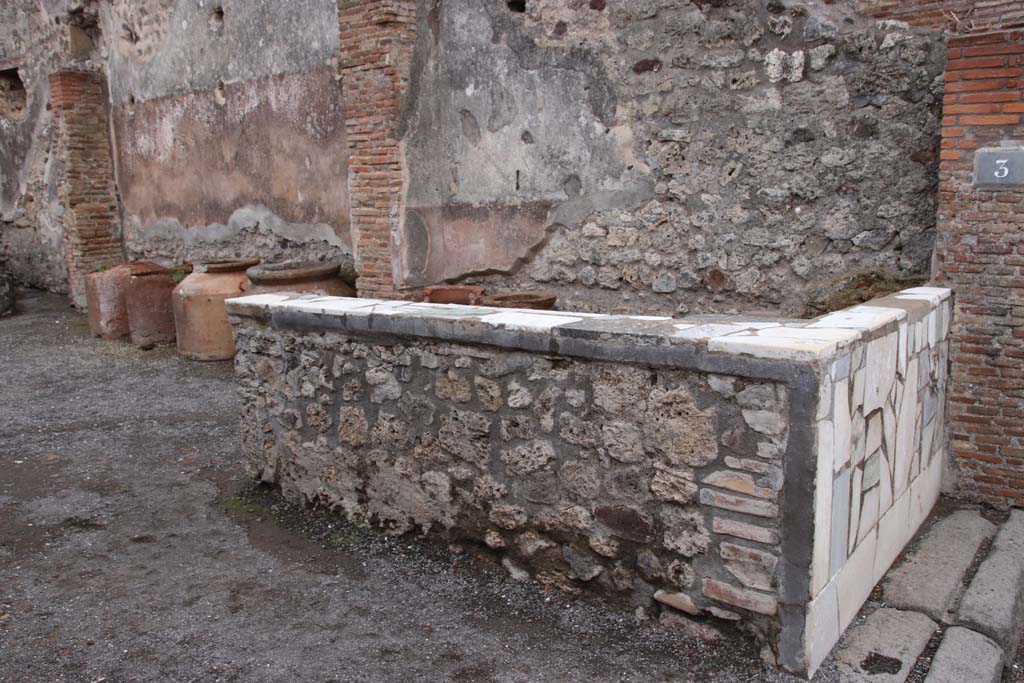
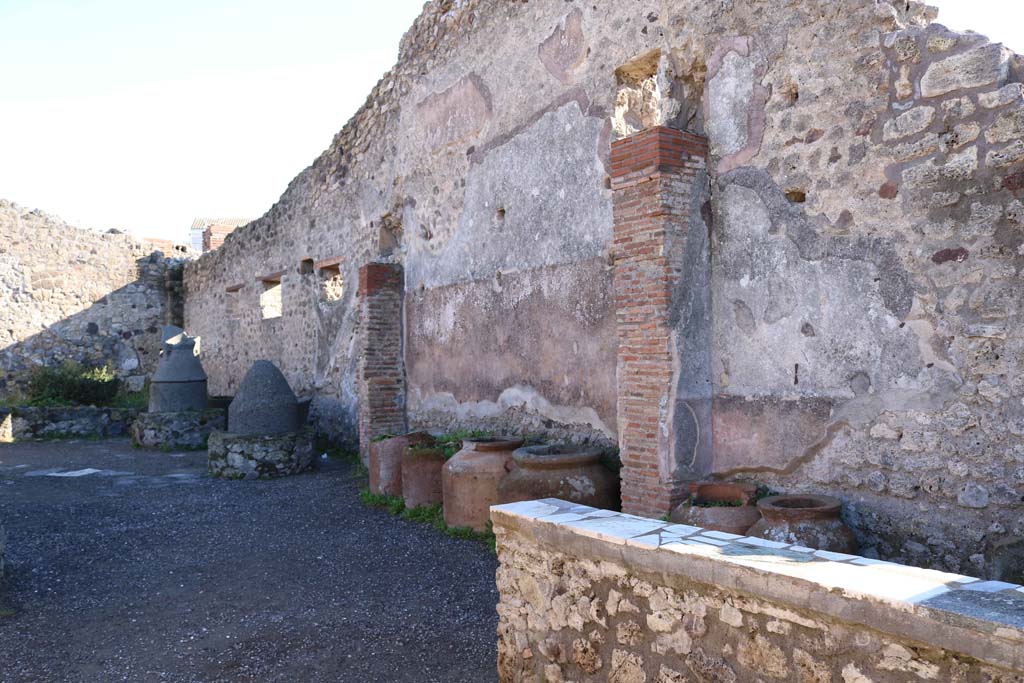
IX.1.3 Pompeii. December
2018. Looking towards south wall. Photo courtesy of Aude Durand.
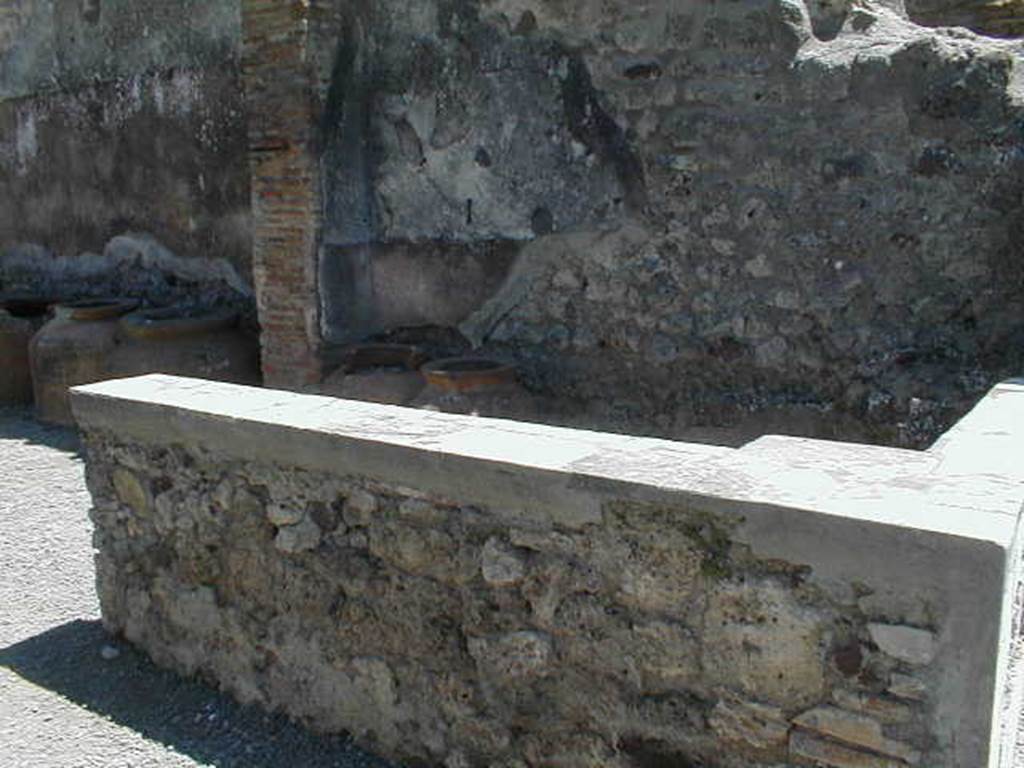
IX.1.3 Pompeii. May 2005. Looking south across marble counter.
The top and the external western side of the counter, facing onto Via Stabiana, were covered with slabs of grey and white marble.
The external side face on this northern side, as well as the inside area, were plastered.
On the south wall of the shop, at the rear of the counter, the remains of the red painted zoccolo and white middle zone of the wall, can be seen.
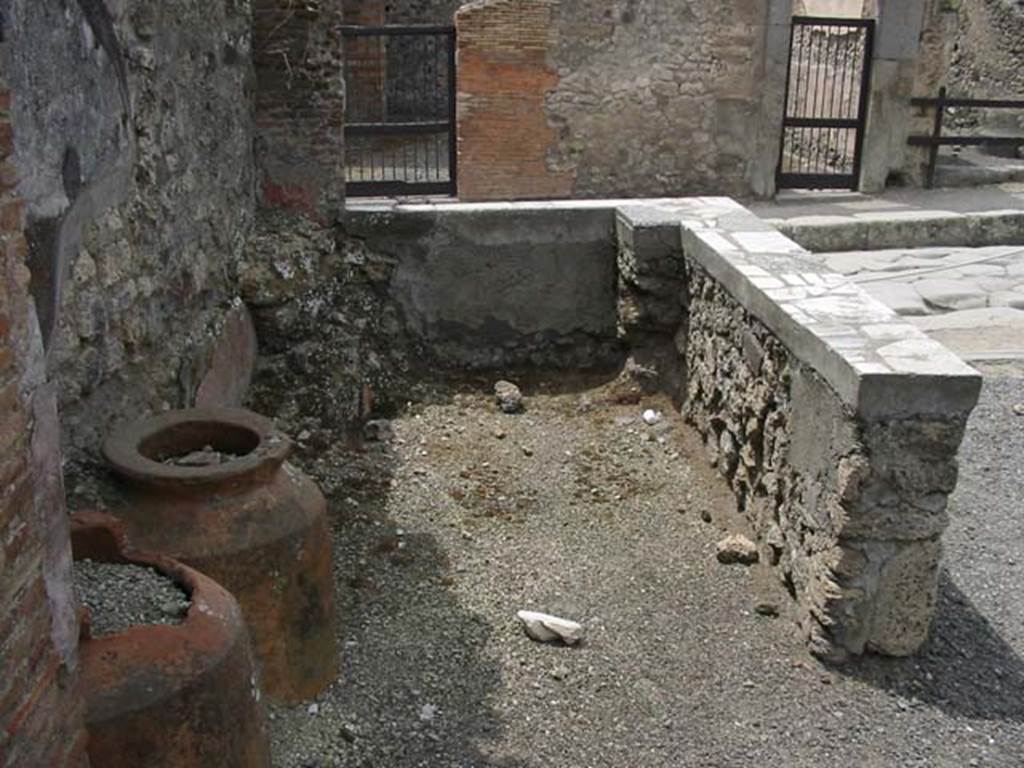
IX.1.3 Pompeii. May 2003. Looking west from rear of counter. Photo courtesy of Nicolas Monteix.
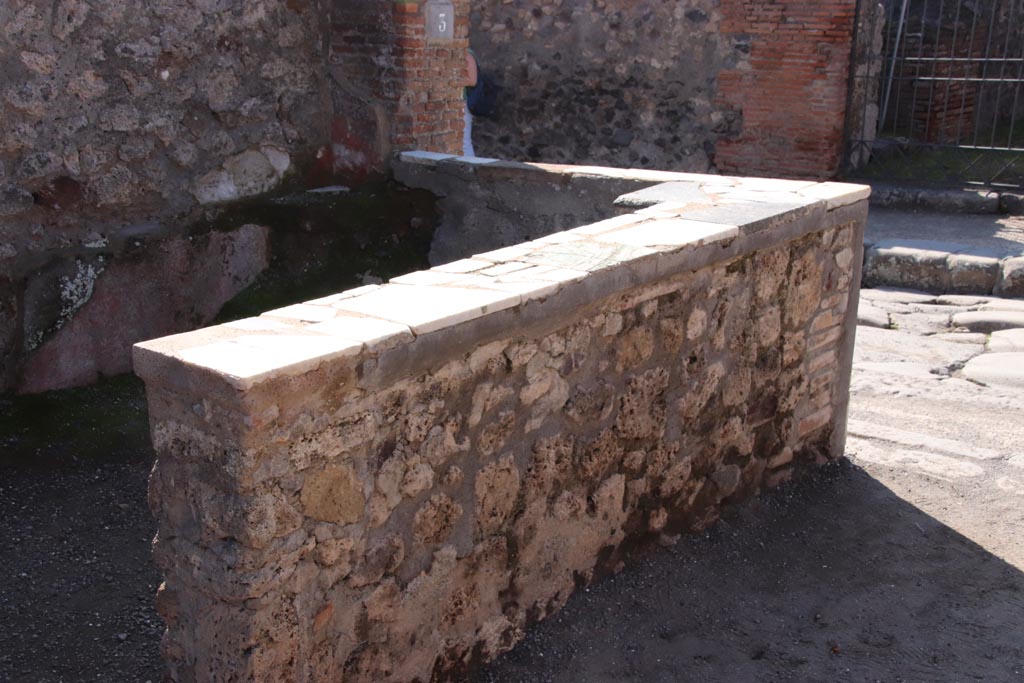
IX.1.3 Pompeii. October 2022. Looking south-west across counter from rear. Photo courtesy of Klaus Heese.
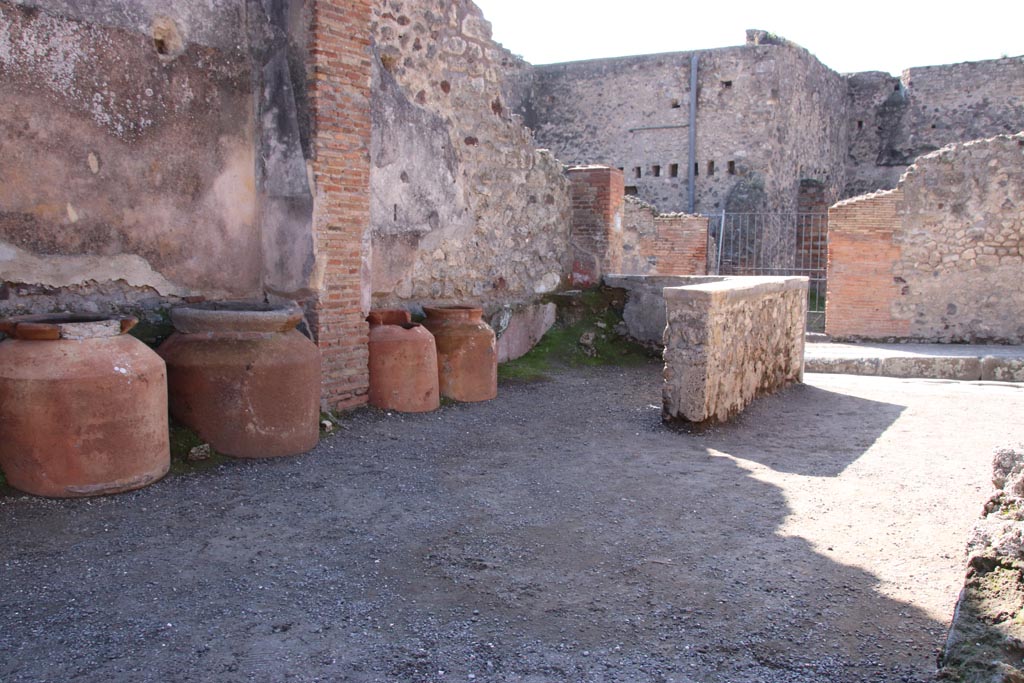
Looking south-west towards rear of counter, and entrance onto Via Stabiana. Photo courtesy of Klaus Heese
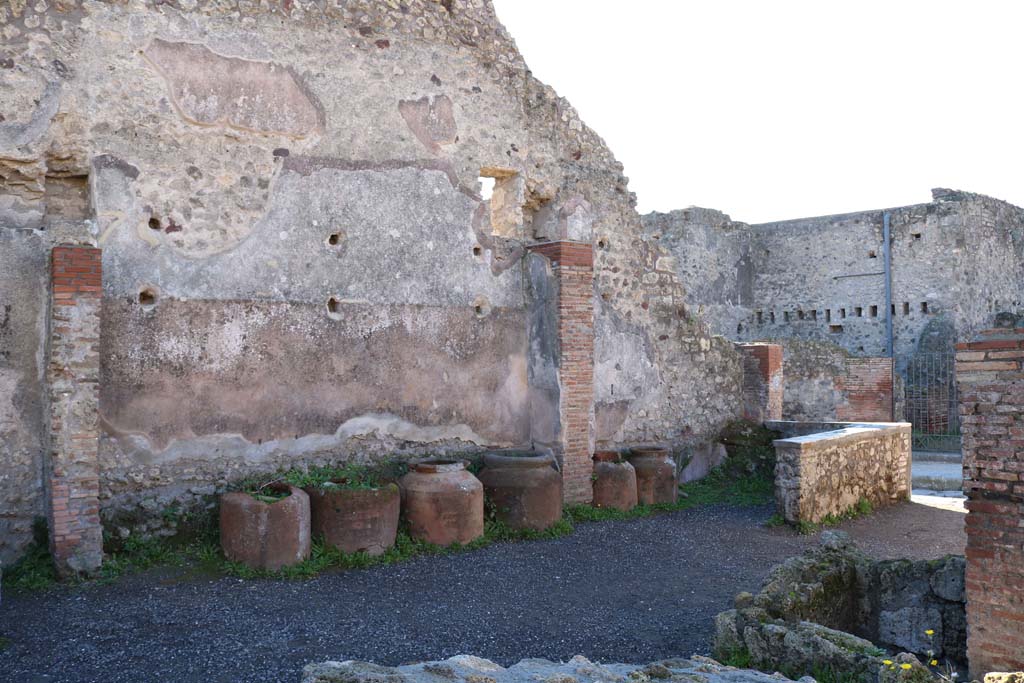
IX.1.3
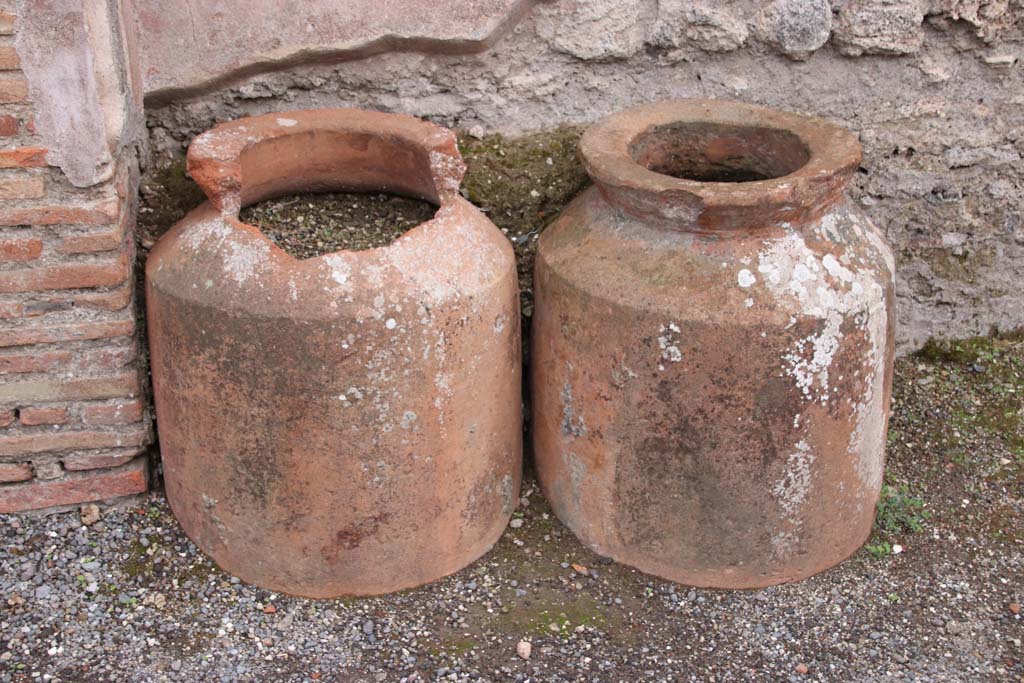
Pompeii. October 2020. Terracotta vessels. Photo courtesy of Klaus Heese.
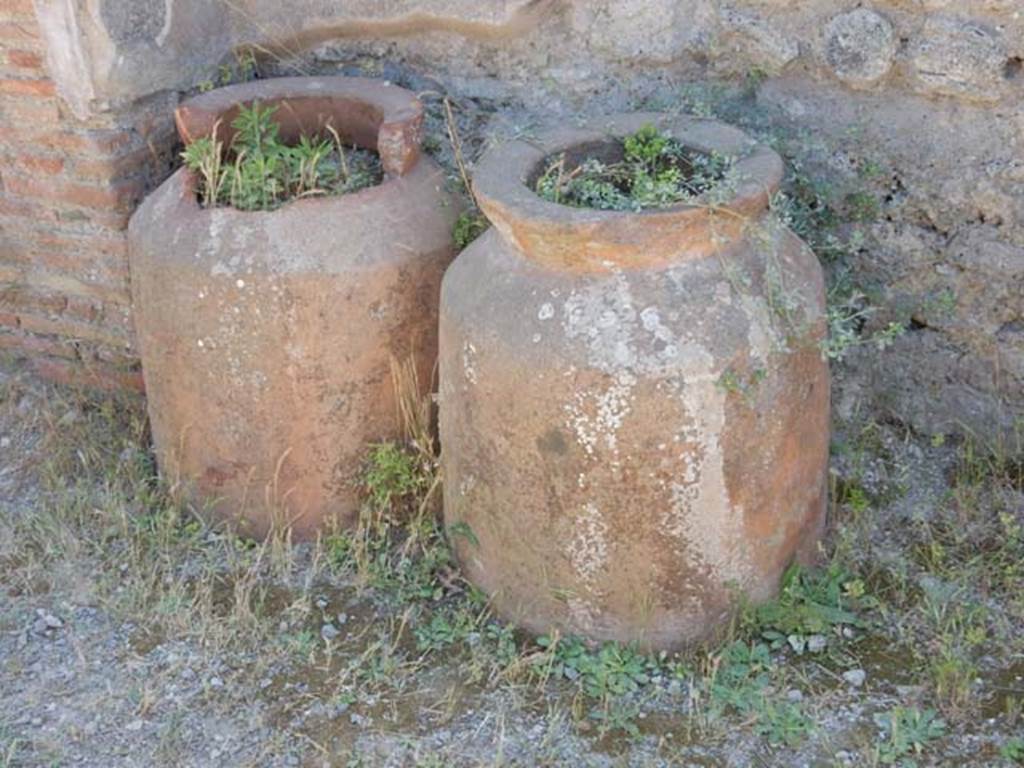
IX.1.3 Pompeii. May 2017. Looking south from rear of counter. Photo courtesy of Buzz Ferebee.
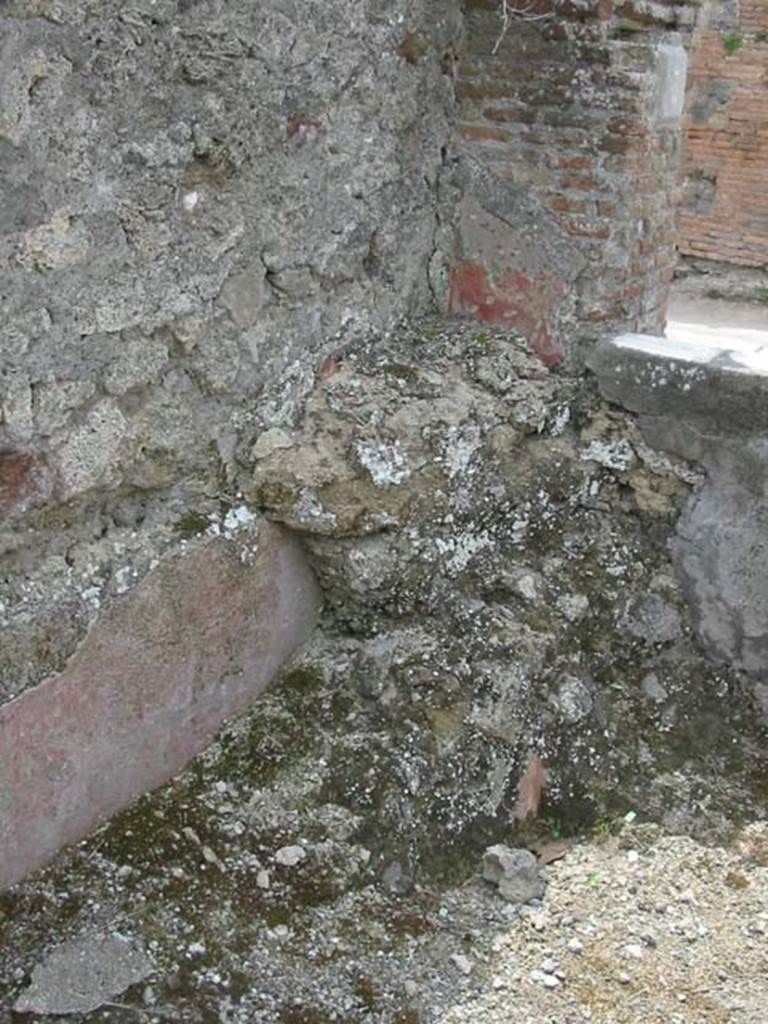
IX.1.3 Pompeii. May 2003. South-west corner of counter area. Photo courtesy of Nicolas Monteix.
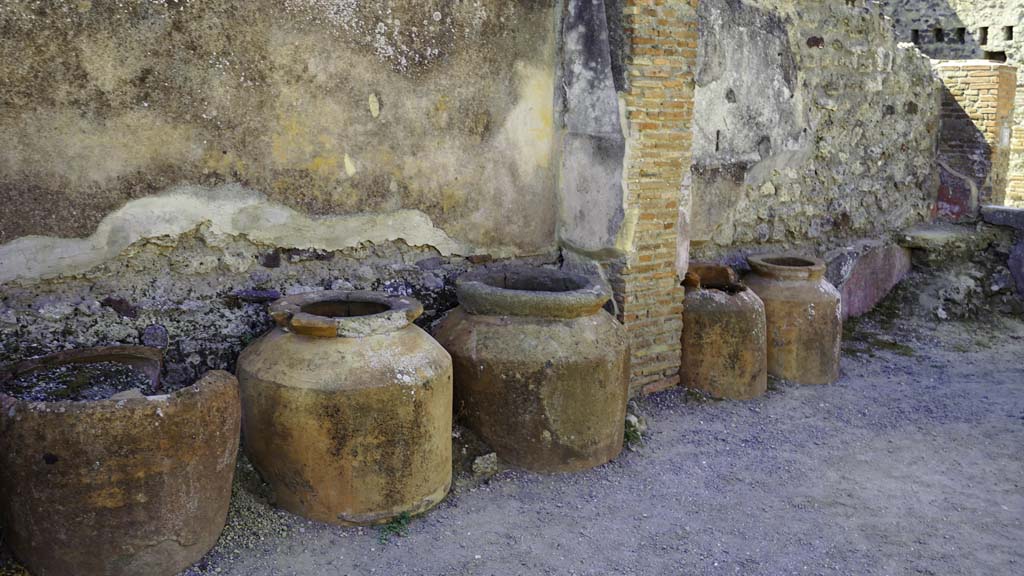
IX.1.3 Pompeii. August 2021. Terracotta pots against south
wall. Photo courtesy of Robert Hanson.
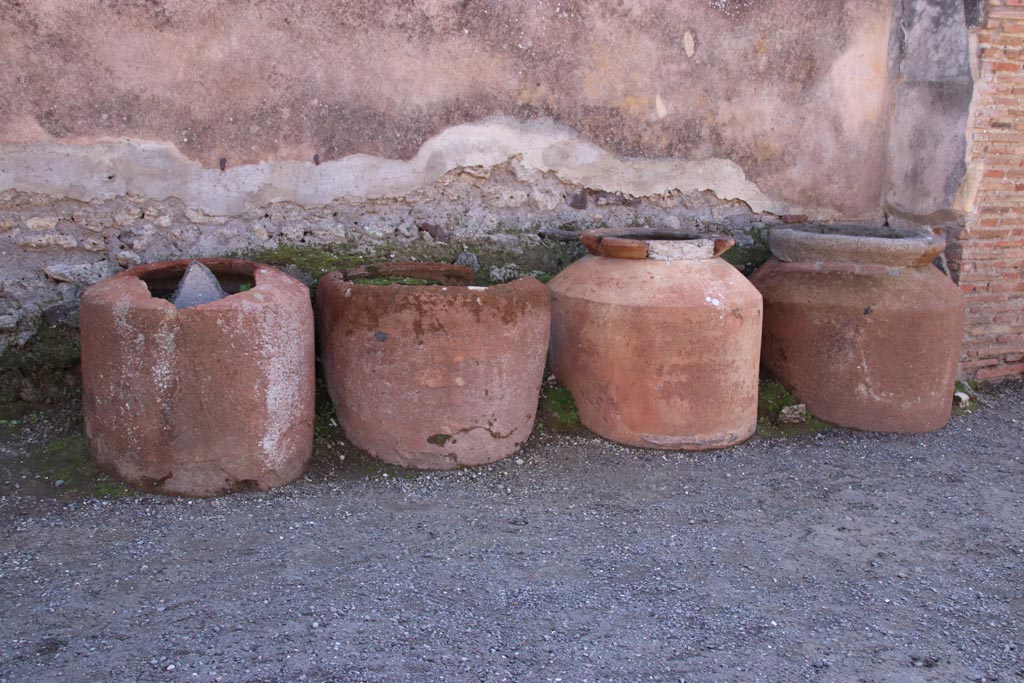
IX.1.3 Pompeii. October 2022. Terracotta vessels against south wall. Photo courtesy of Klaus Heese.
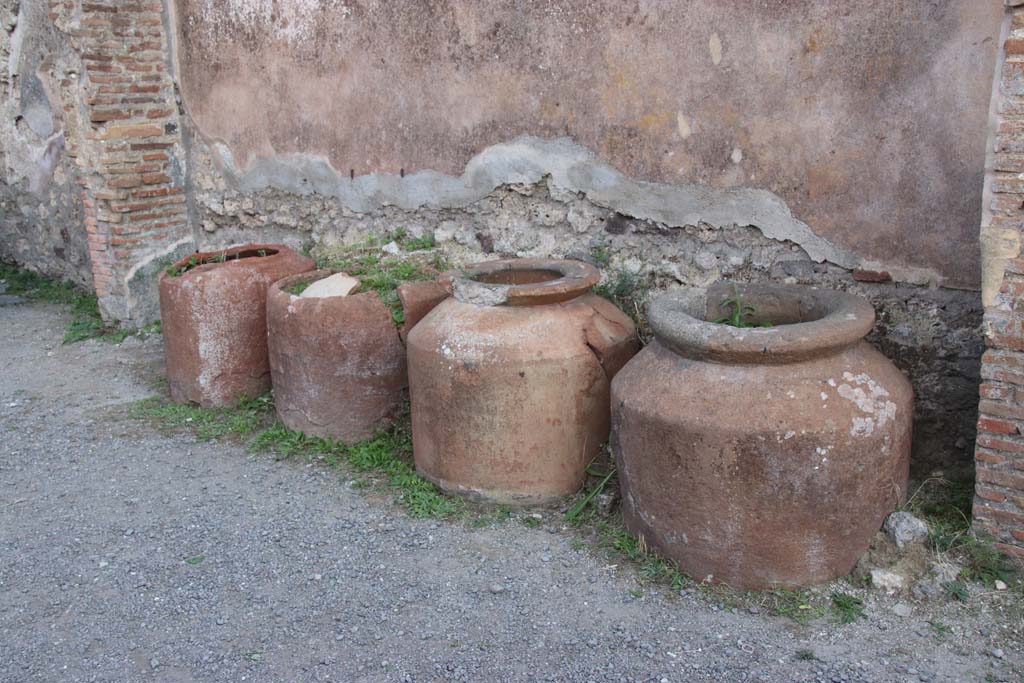
IX.1.3 Pompeii. September 2017. Terracotta
vessels against south wall. Photo courtesy
of Klaus Heese.
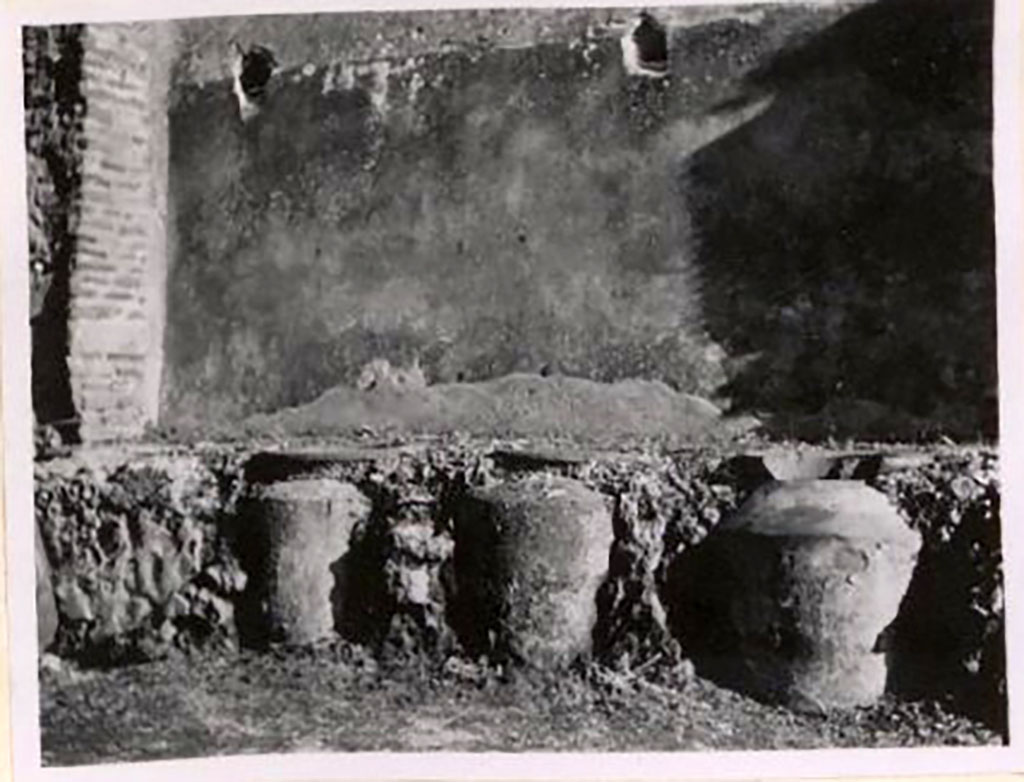
IX.1.3 Pompeii. Pre-1943. Terracotta vessels against
south wall. Photo by Tatiana Warscher.
See Warscher, T. Codex Topographicus Pompeianus, IX.1. (1943), Swedish Institute, Rome. (no.6), p. 19.
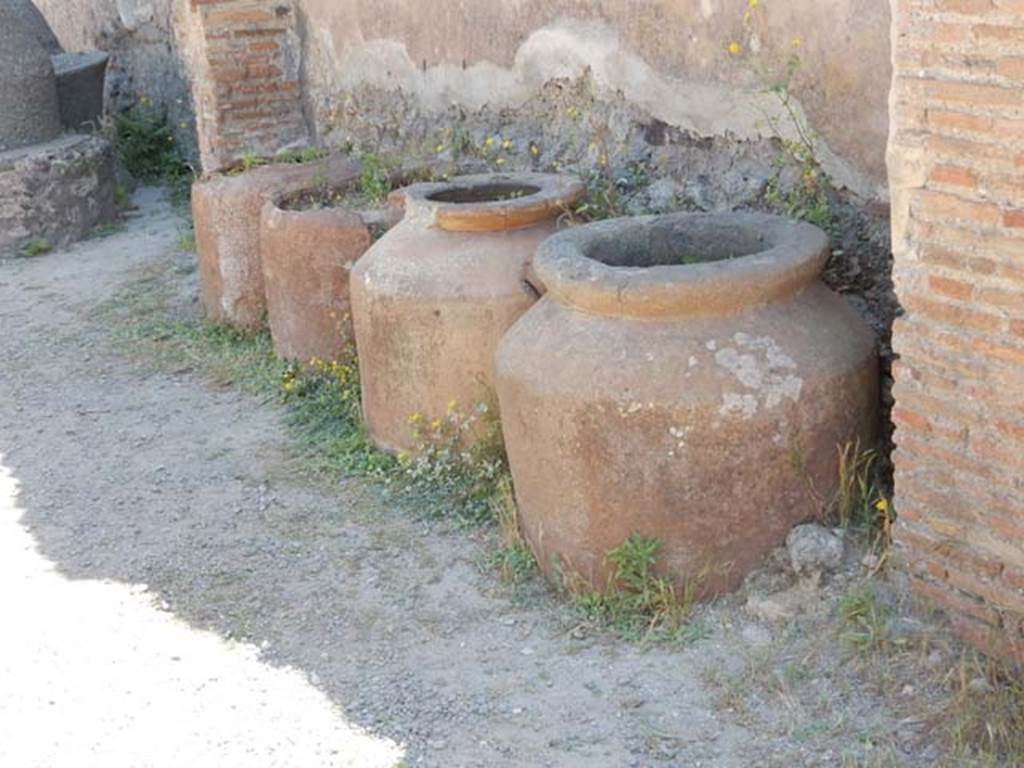
IX.1.3 Pompeii. May 2017. Looking east along south wall. Photo courtesy of Buzz Ferebee.
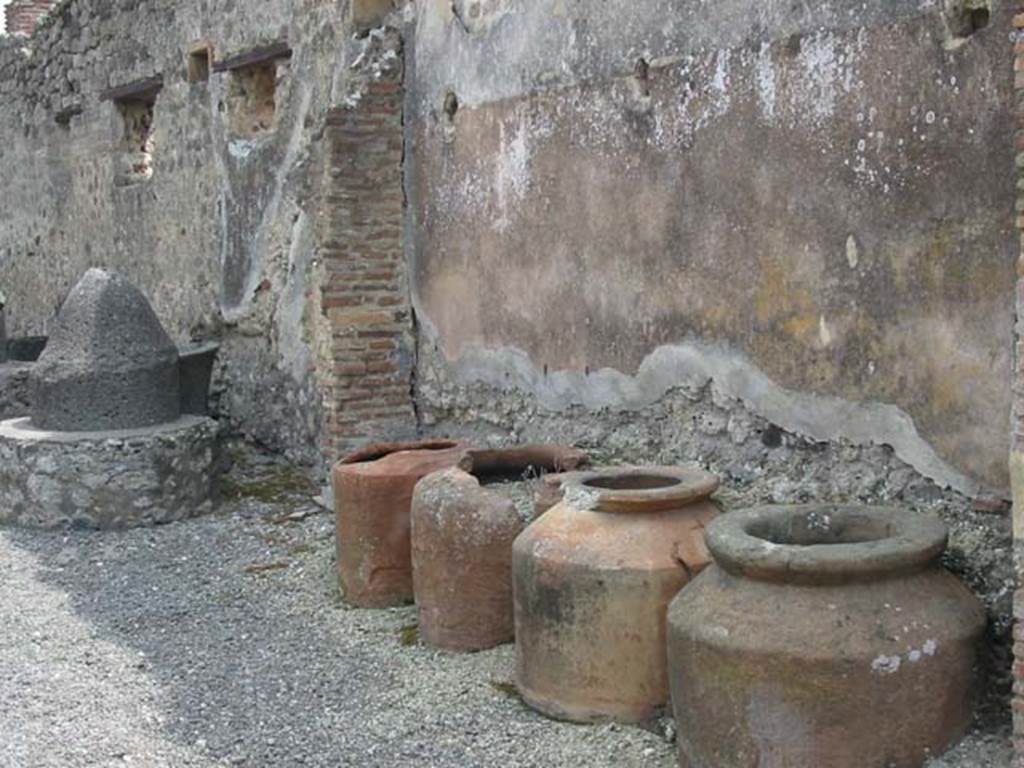
IX.1.3 Pompeii. May 2003. Looking east along south wall. Photo courtesy of Nicolas Monteix.
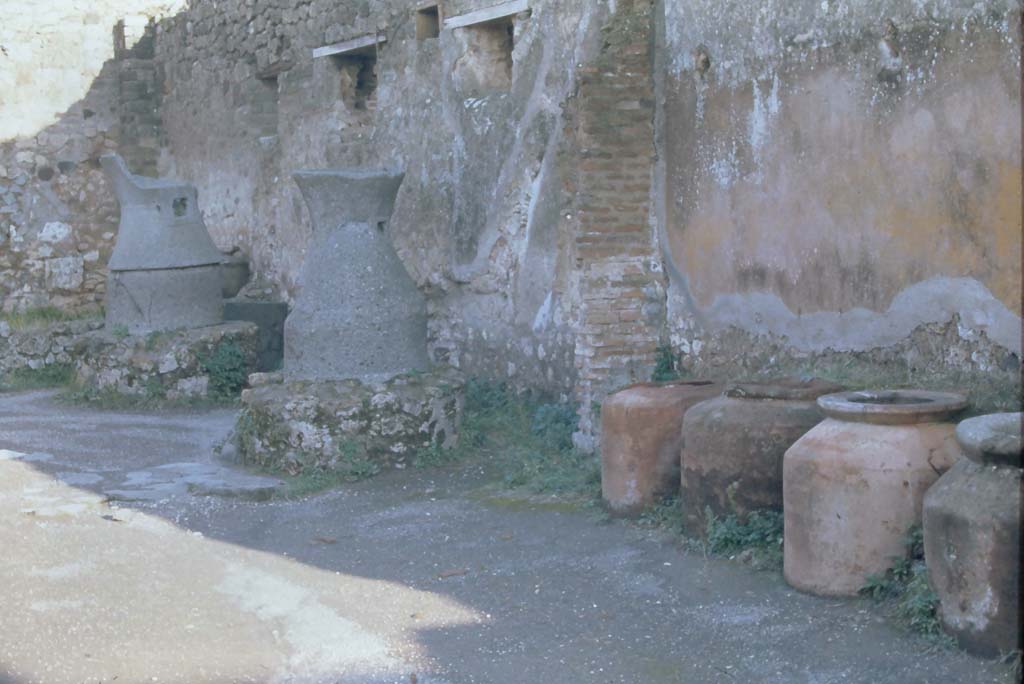
IX.1.3 Pompeii. 4th December 1971. Looking east along south
wall.
Photo courtesy of Rick Bauer, from Dr George Fay’s slides
collection.
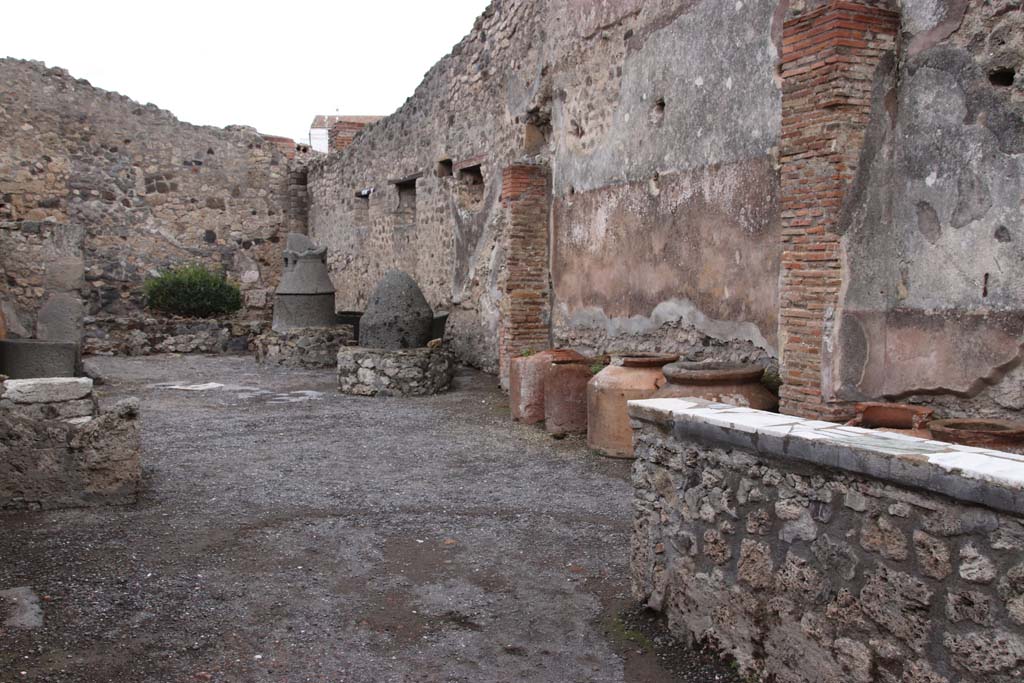
IX.1.3 Pompeii. October 2020.
Looking east along south wall. Photo courtesy of Klaus Heese.
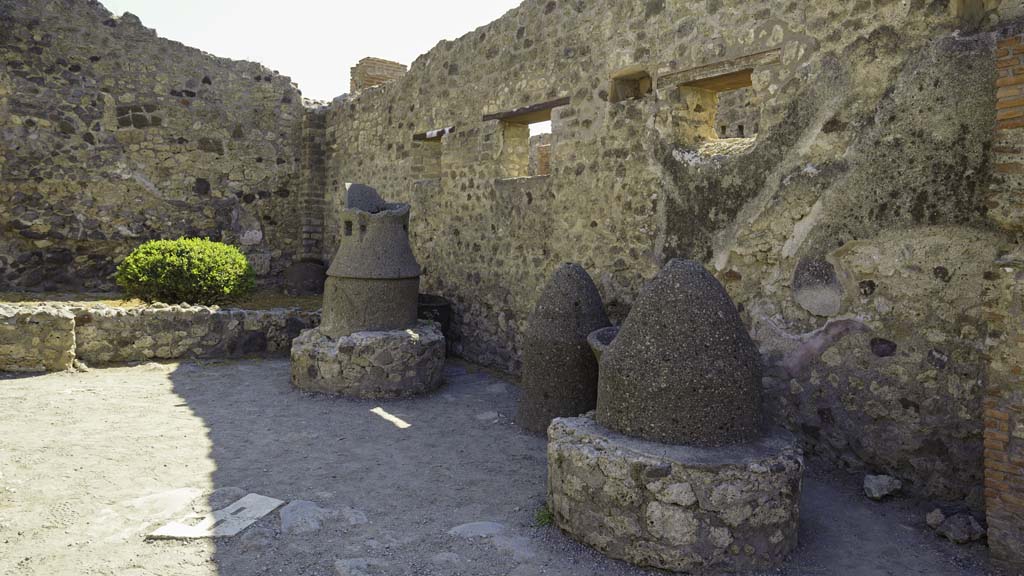
IX.1.3 Pompeii. August 2021.
Looking east along the south wall, on the left, in the south-east corner (with greenery) would have been a stall for the animals.
Photo courtesy of Robert Hanson.
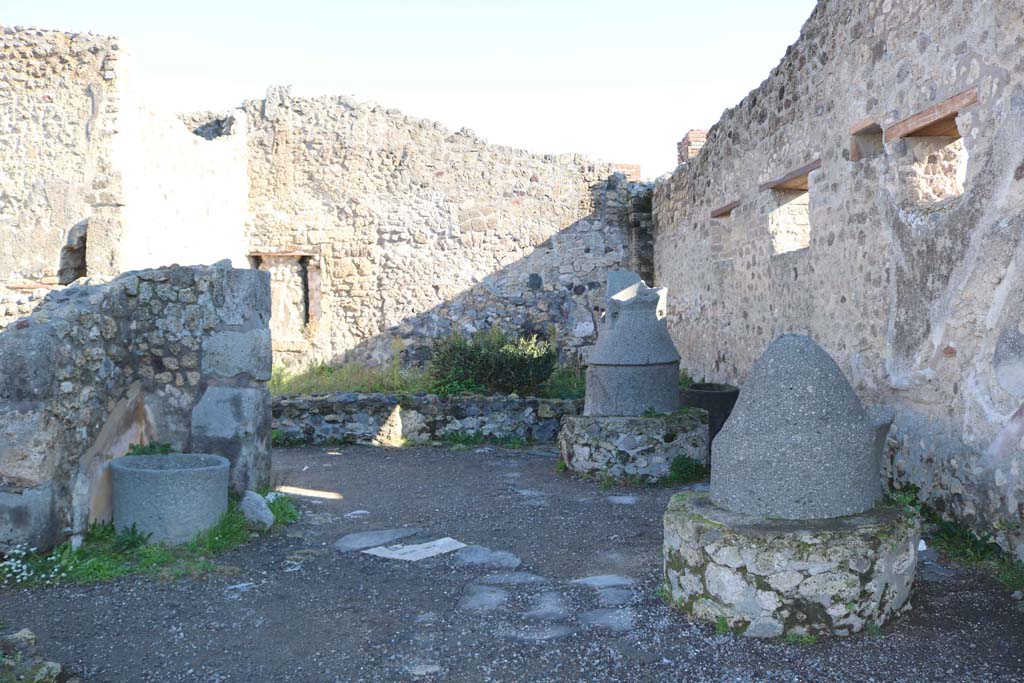
IX.1.3 Pompeii. December 2018. Looking towards south-east corner. Photo
courtesy of Aude Durand
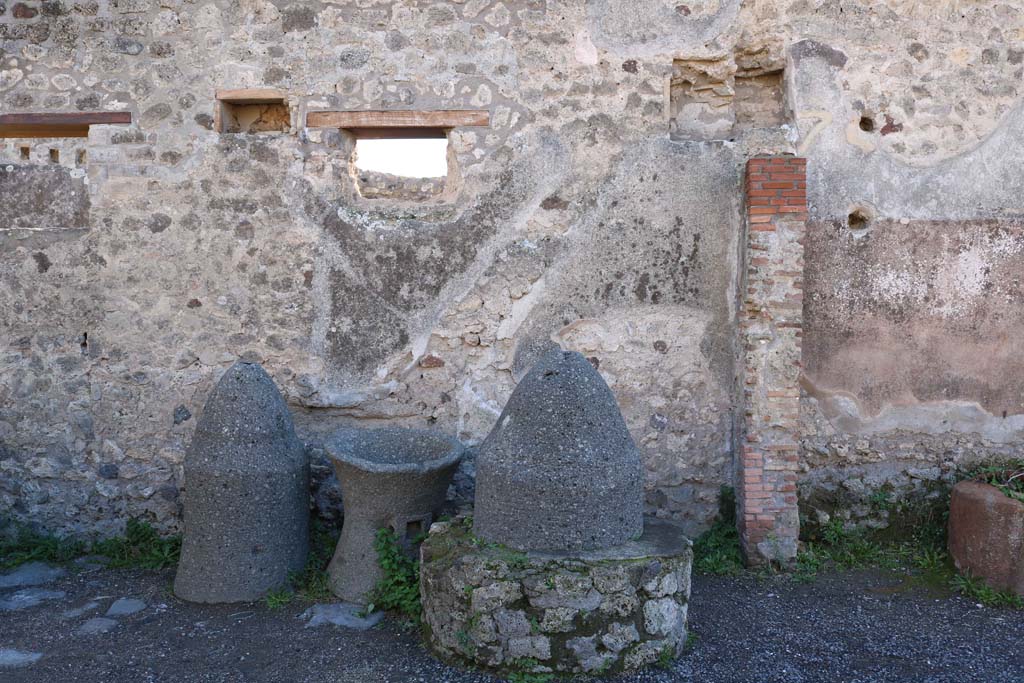
IX.1.3 Pompeii. December 2018. Looking towards south wall, with
outline of stairs. Photo courtesy of Aude Durand.
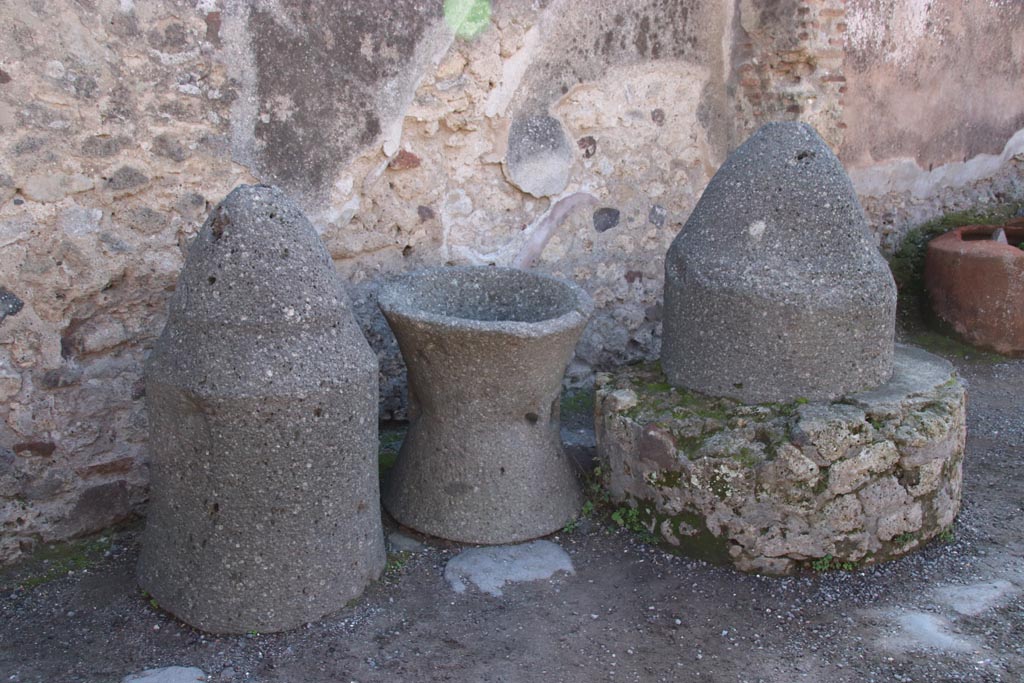
IX.1.3 Pompeii. Pompeii. October 2022. Mills against south wall. Photo courtesy of Klaus Heese
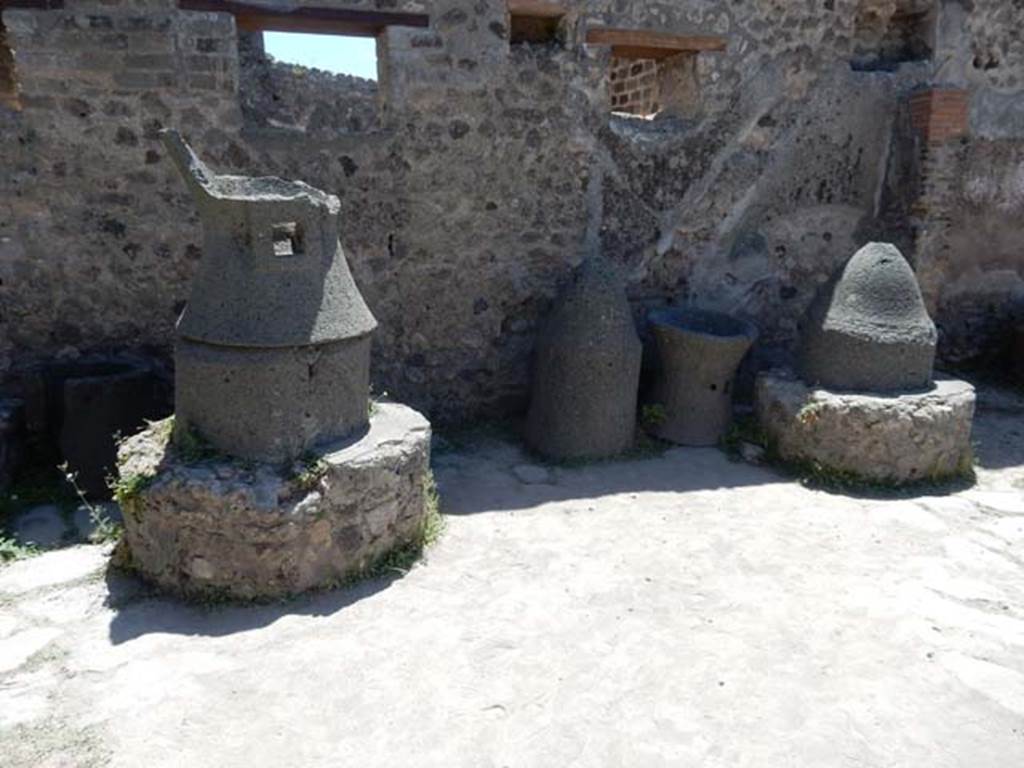
IX.1.3 Pompeii. May 2017. Looking towards the south wall. Photo courtesy of Buzz Ferebee.
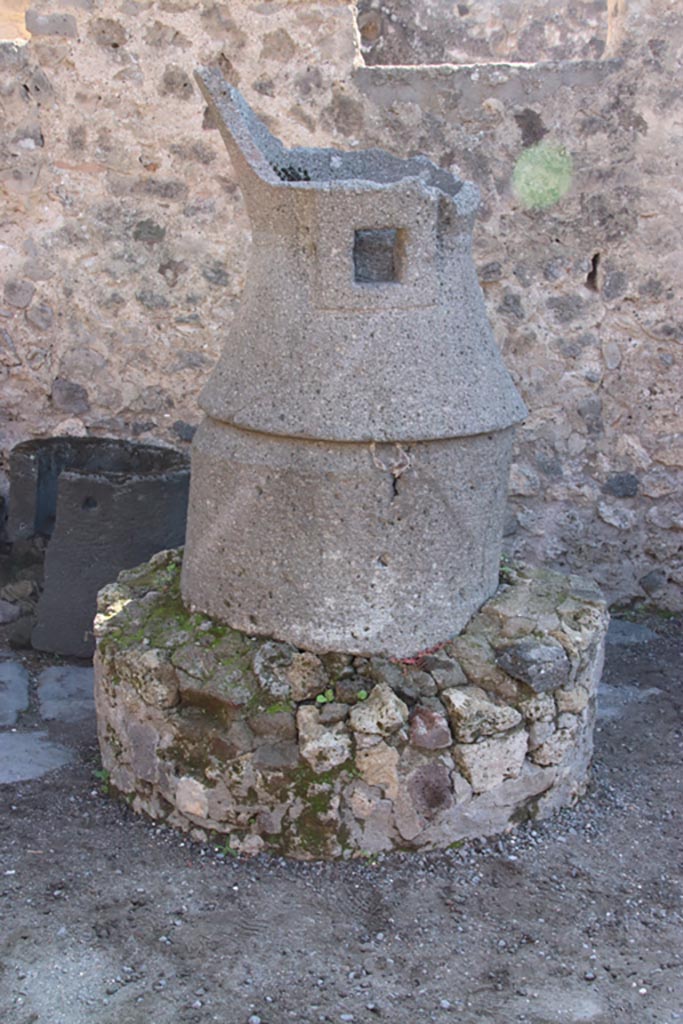
IX.1.3 Pompeii. October 2022. Detail of mill near south wall. Photo courtesy of Klaus Heese
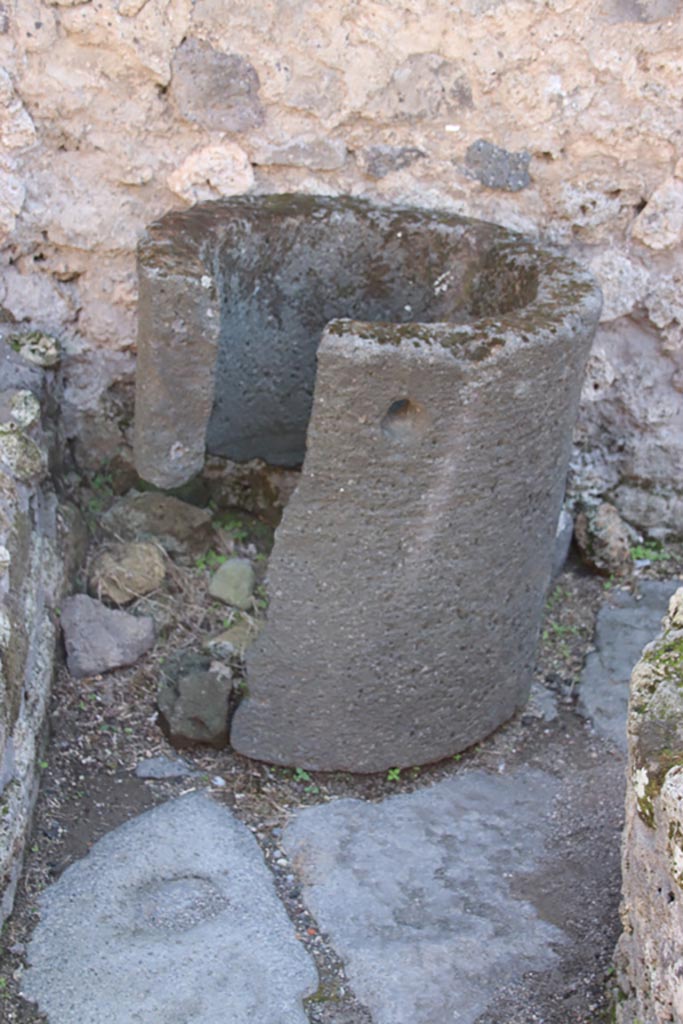
IX.1.3 Pompeii. October 2022. Detail of pot/tub near south wall. Photo courtesy of Klaus Heese
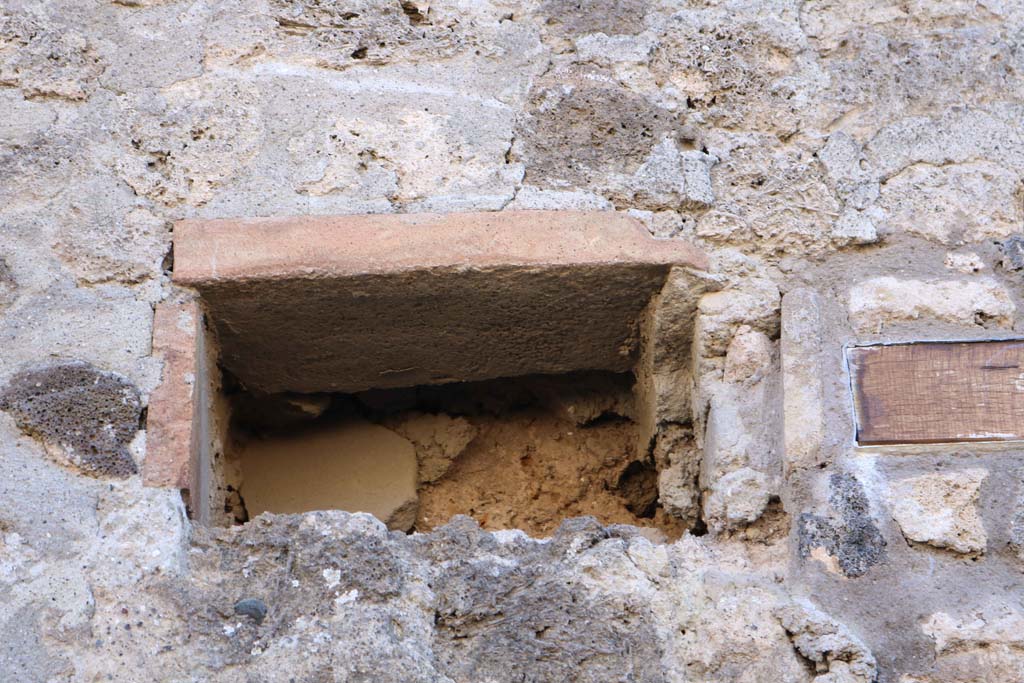
IX.1.3 Pompeii. December 2018. Recess in south
wall. Photo courtesy of Aude Durand.
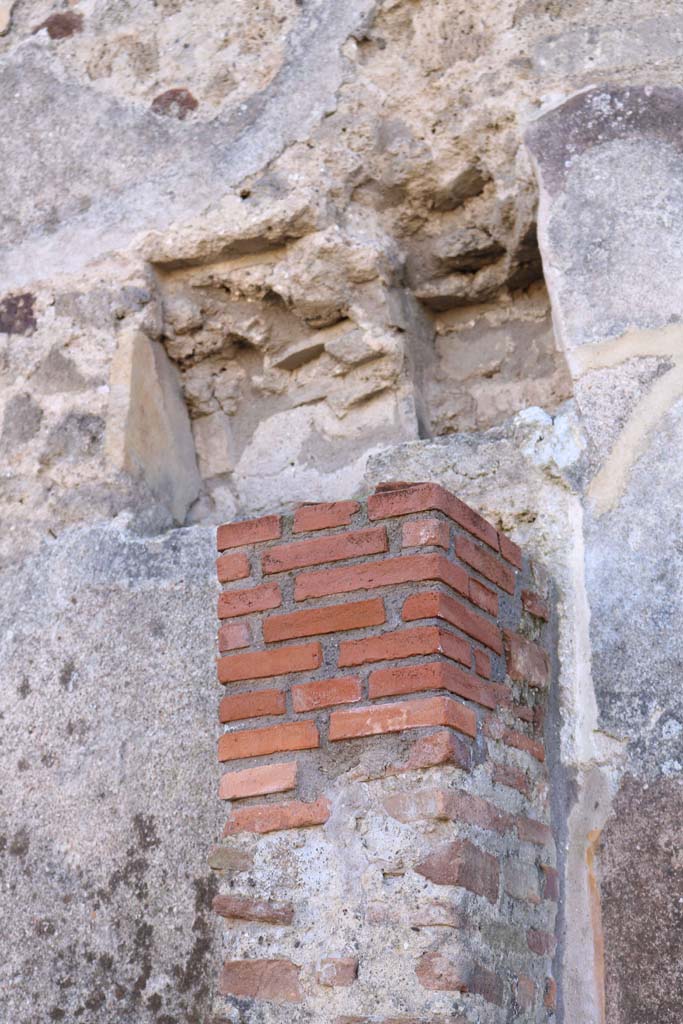
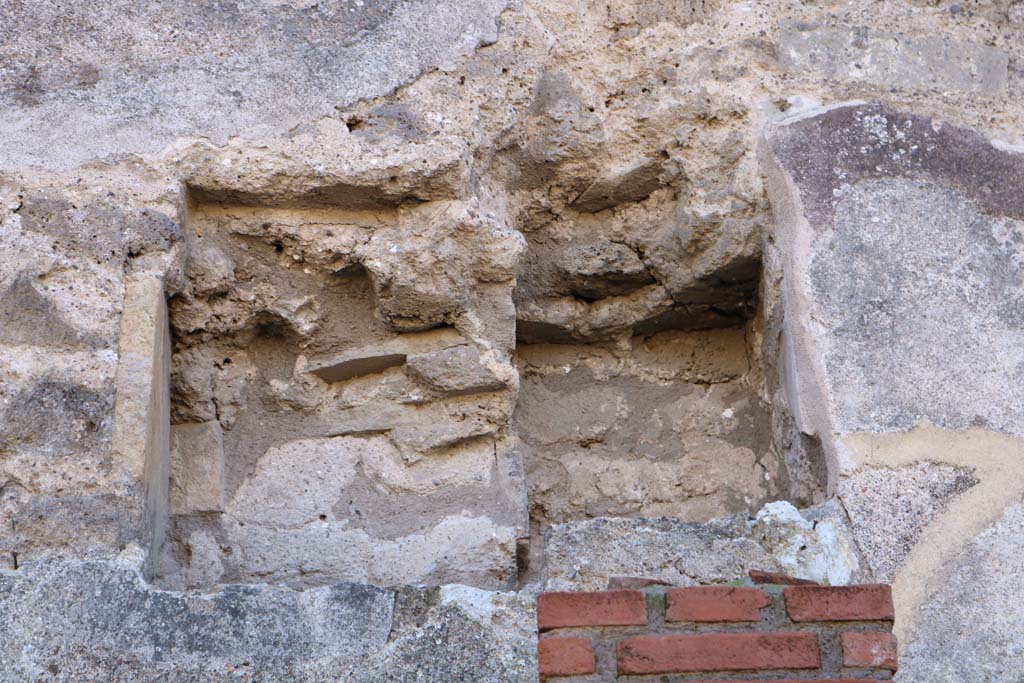
IX.1.3 Pompeii. December 2018.
Masonry pilaster against south wall, with two
recesses above. Photo courtesy of Aude Durand.
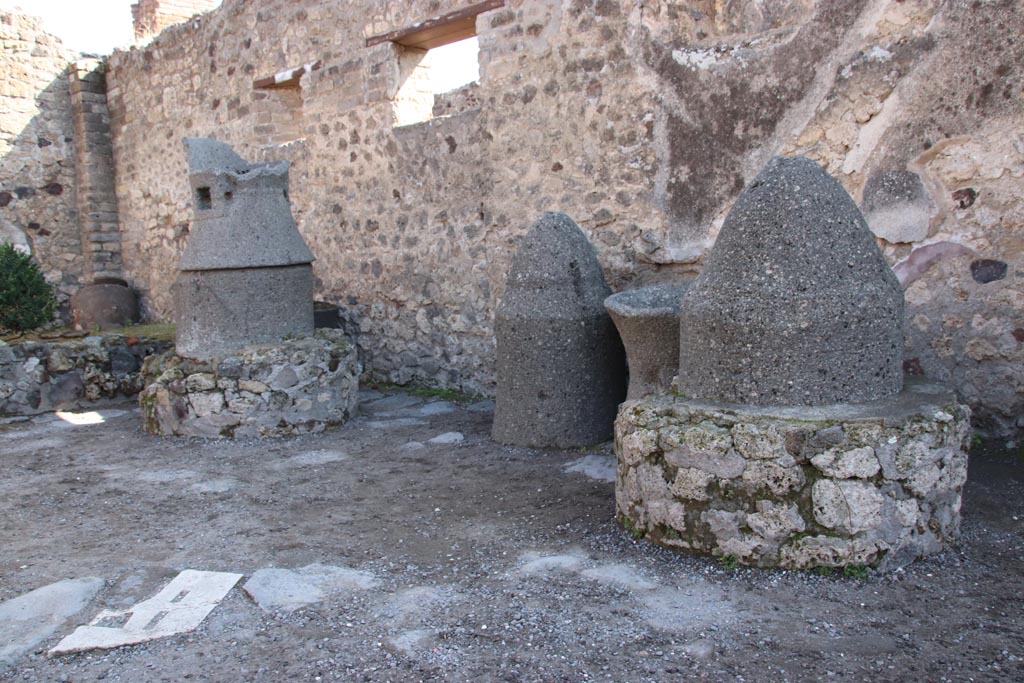
IX.1.3 Pompeii. October 2022. Mills against the south wall, at the rear of the bakery shop. Photo courtesy of Klaus Heese
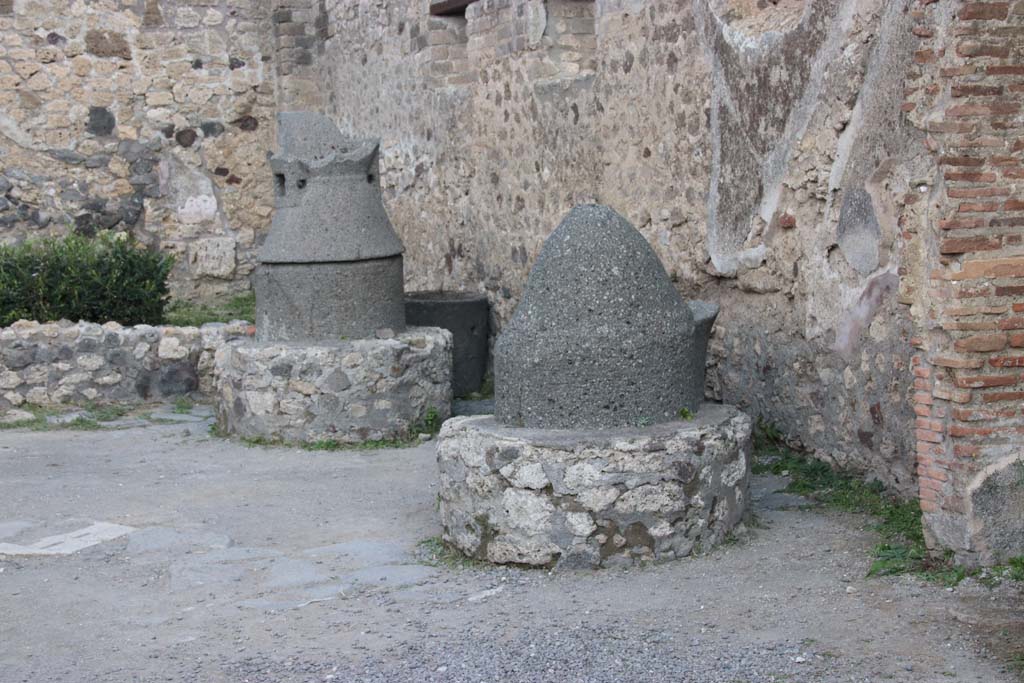
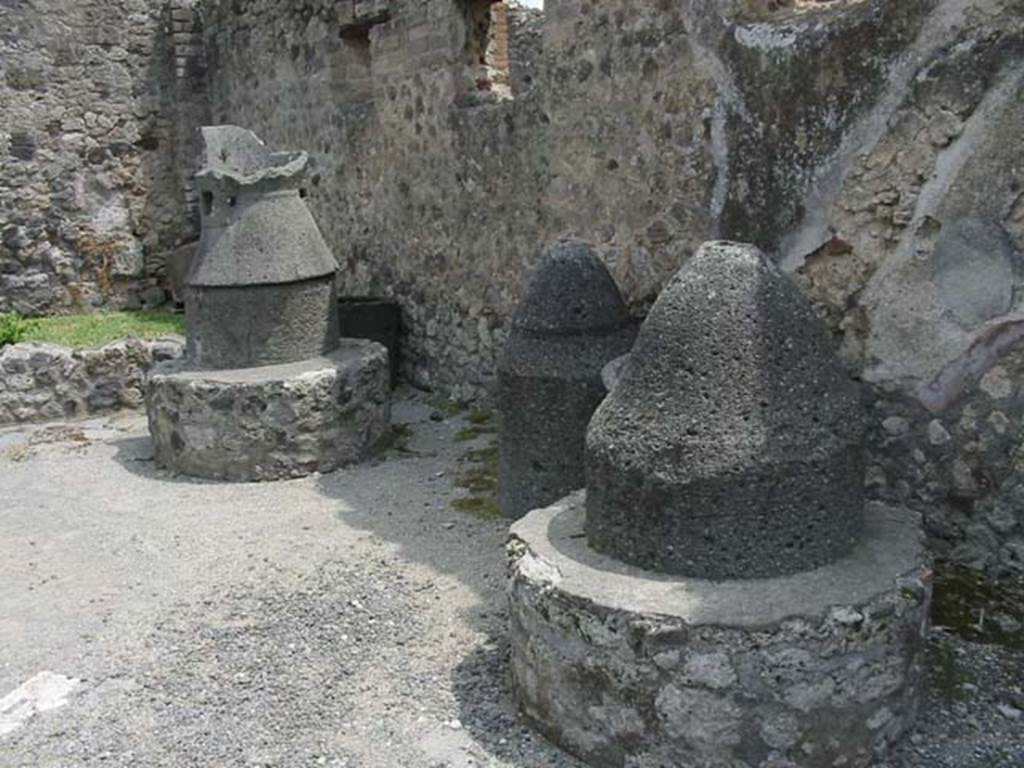
IX.1.3 Pompeii. May 2003. Looking along the south wall towards the south-east corner. Photo courtesy of Nicolas Monteix.
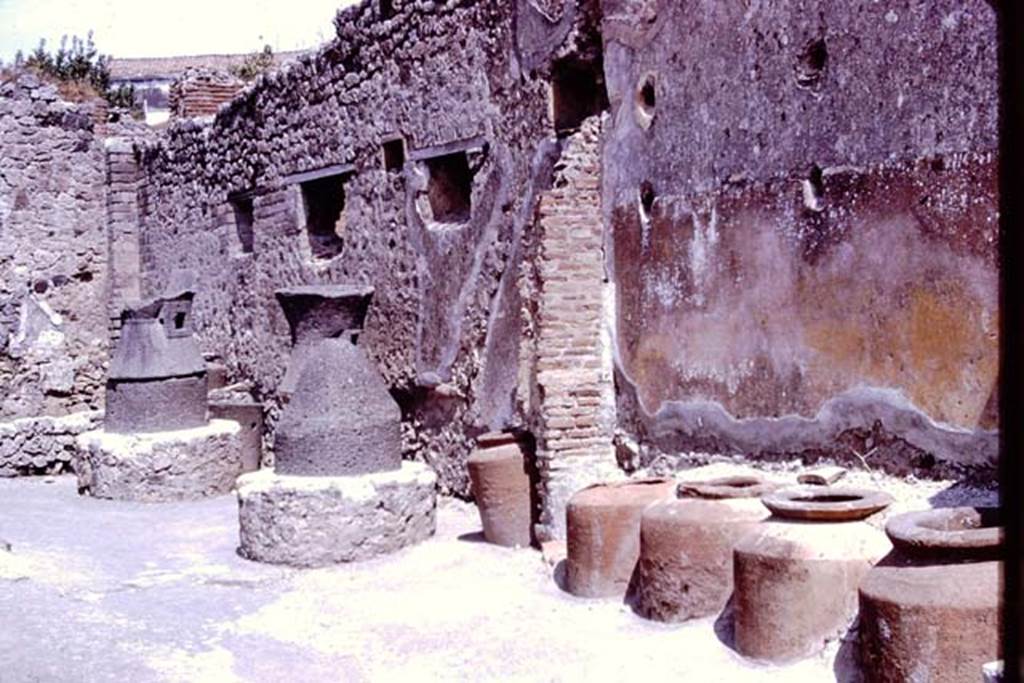
IX.1.3 Pompeii. 1966. Looking east along south wall. Photo by Stanley A. Jashemski.
Source: The Wilhelmina and Stanley A. Jashemski archive in the University of Maryland Library, Special Collections (See collection page) and made available under the Creative Commons Attribution-Non-Commercial License v.4. See Licence and use details.
J66f0119
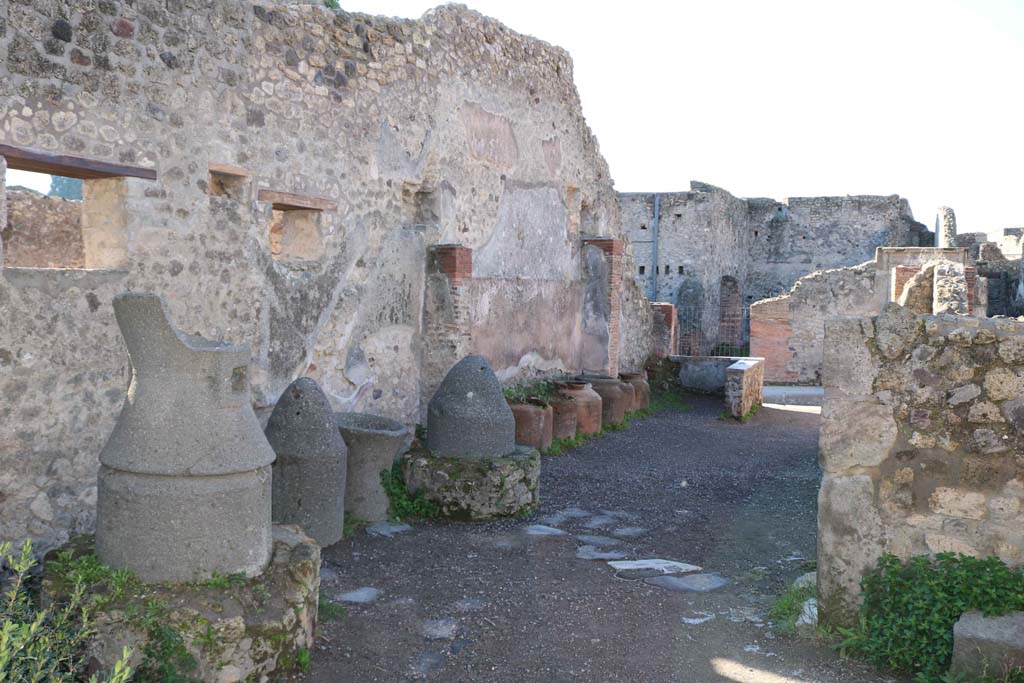
IX.1.3 Pompeii. December
2018. Looking west across bakery to entrance on Via Stabiana. Photo courtesy of Aude
Durand.
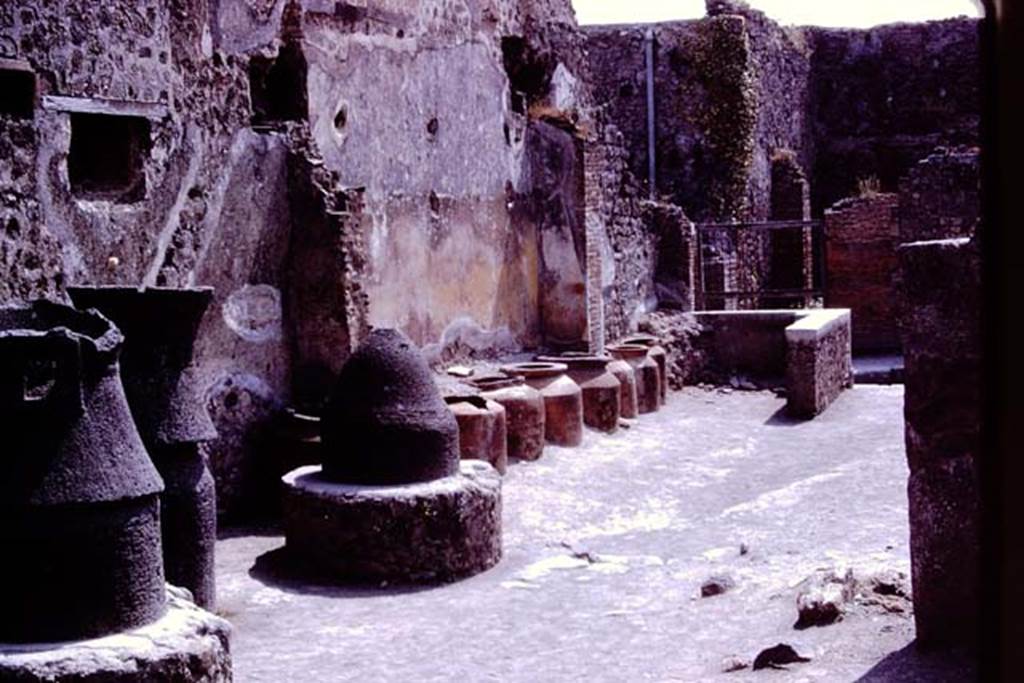
IX.1.3 Pompeii. 1966. Looking west across bakery to entrance on Via Stabiana. Photo by Stanley A. Jashemski.
Source: The Wilhelmina and Stanley A. Jashemski archive in the University of Maryland Library, Special Collections (See collection page) and made available under the Creative Commons Attribution-Non-Commercial License v.4. See Licence and use details.
J66f0129
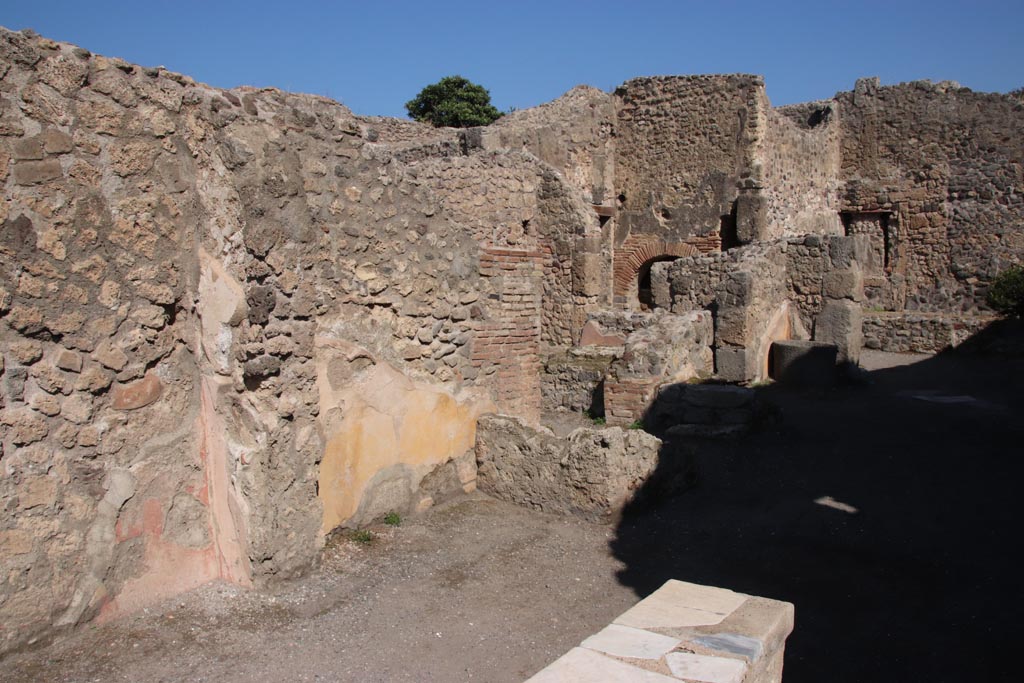
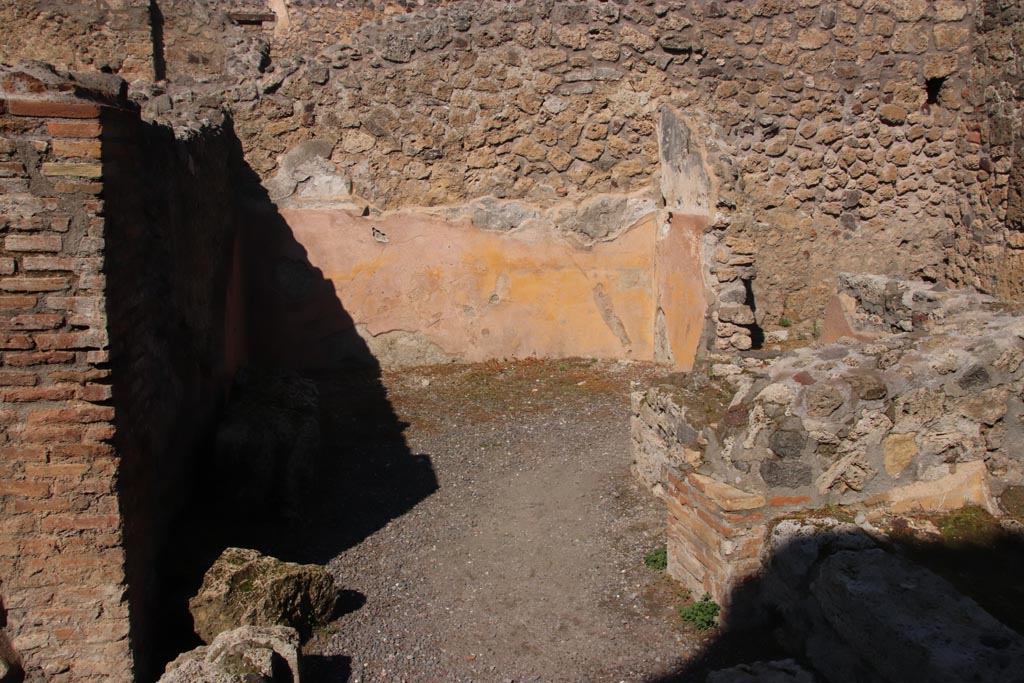
IX.1.3 Pompeii. October 2022. Looking north-east towards north wall of bakery shop. Photo courtesy of Klaus Heese
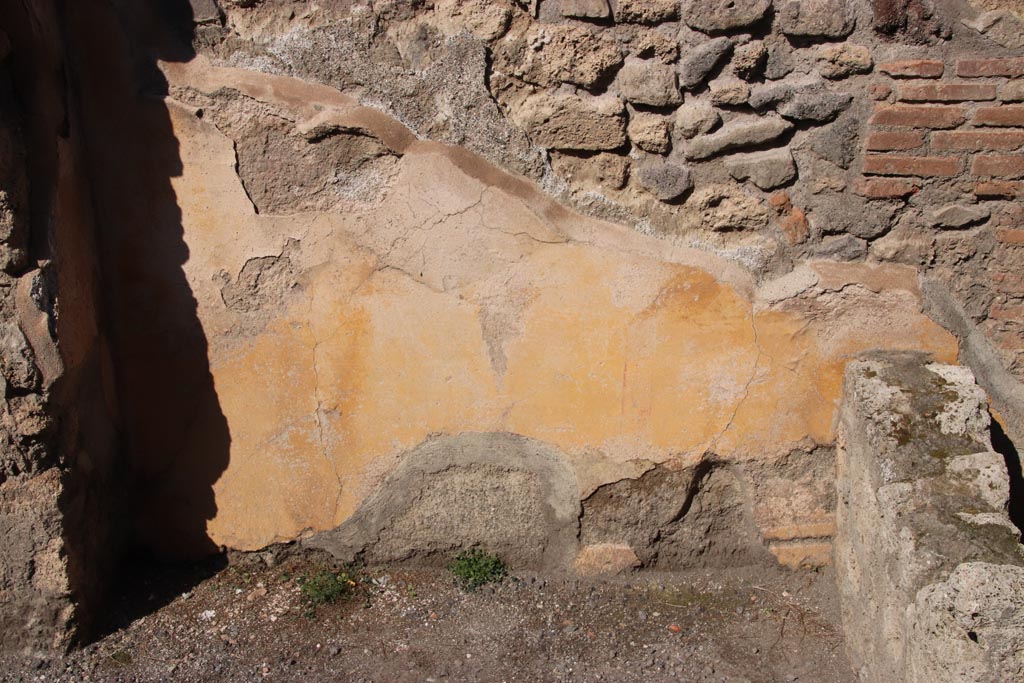
IX.1.3 Pompeii. October 2022. North wall of bakery shop. Photo courtesy of Klaus Heese
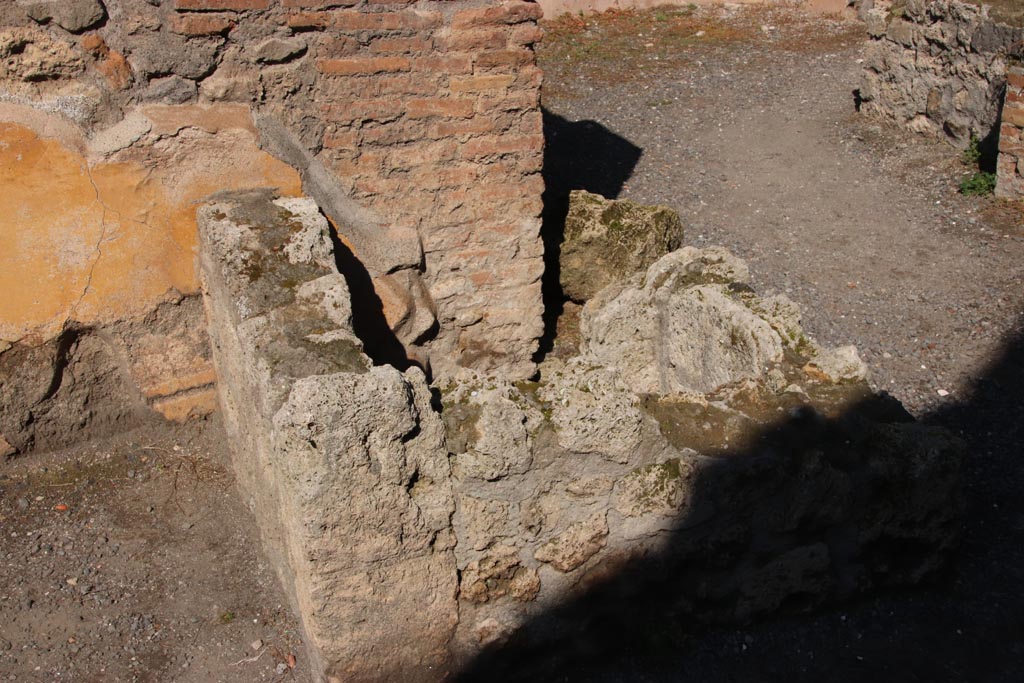
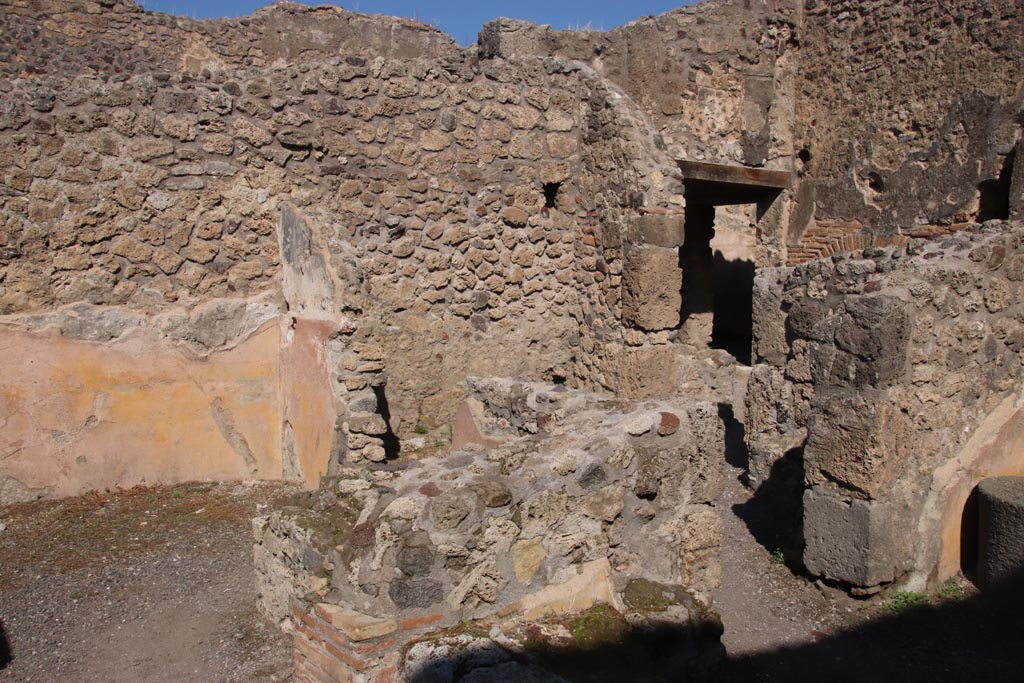
IX.1.3 Pompeii. October 2022.
Looking towards north wall of bakery shop, with doorway to
cubiculum, on right. Photo courtesy of Klaus Heese
IX.1.3 Pompeii. May 2017.
Looking towards north wall of bakery shop, with doorway to cubiculum, on right. Photo courtesy of Buzz Ferebee.
IX.1.3 Pompeii. October 2022. Looking north through doorway to cubiculum. Photo courtesy of Klaus Heese
IX.1.3 Pompeii. October 2022. Looking north-east. Photo courtesy of Klaus Heese
Looking north towards lower stone steps of stairs to upper floor, on east side of doorway to cubiculum, on left. Photo courtesy of Klaus Heese
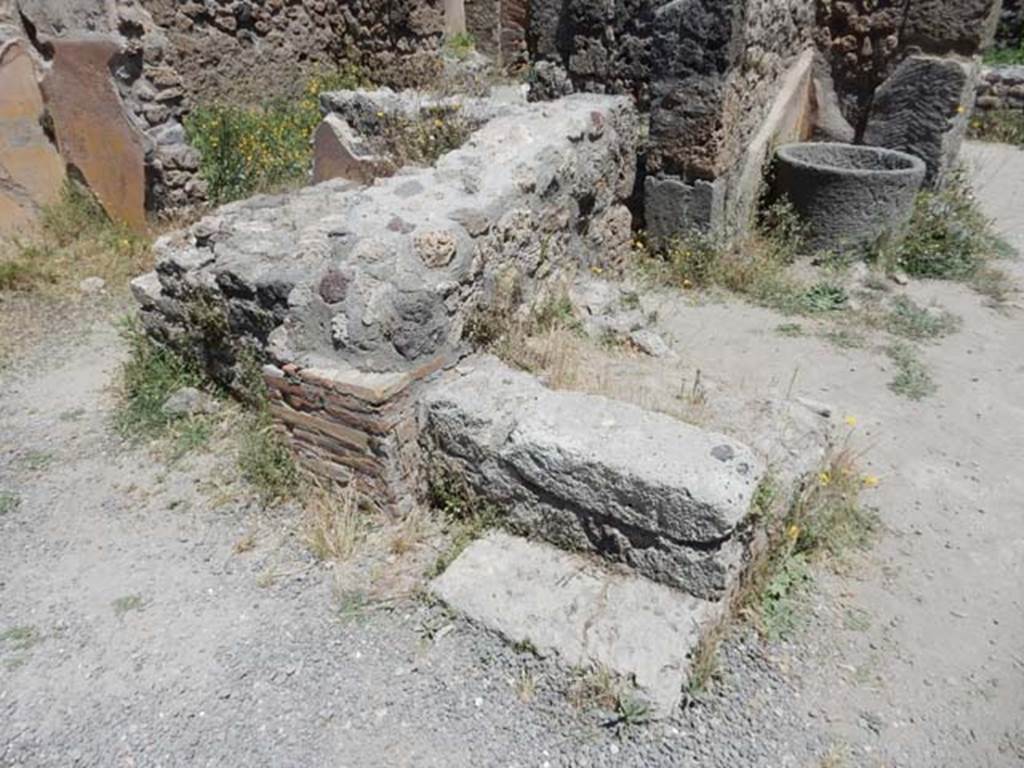
IX.1.3 Pompeii. May 2017.
Looking towards lower stone step of stairs to upper floor, on east side of doorway to cubiculum, on left.
In the upper right, the area of the kneading trough in the photo below can be seen. Photo courtesy of Buzz Ferebee.
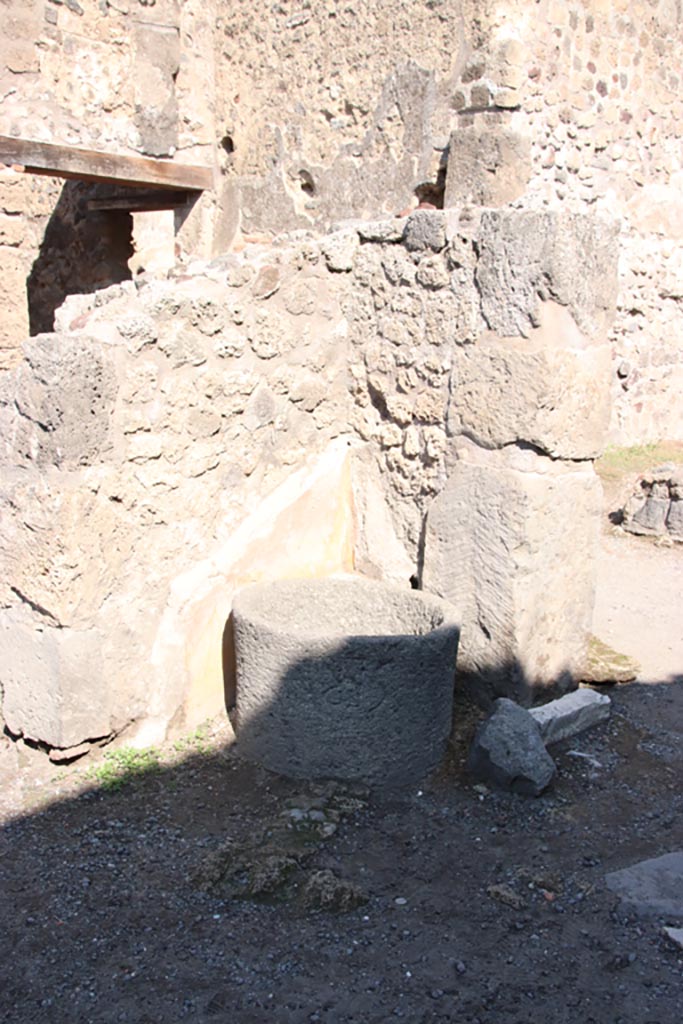
IX.1.3 Pompeii. October 2022. Looking north-east. Photo courtesy of Klaus Heese
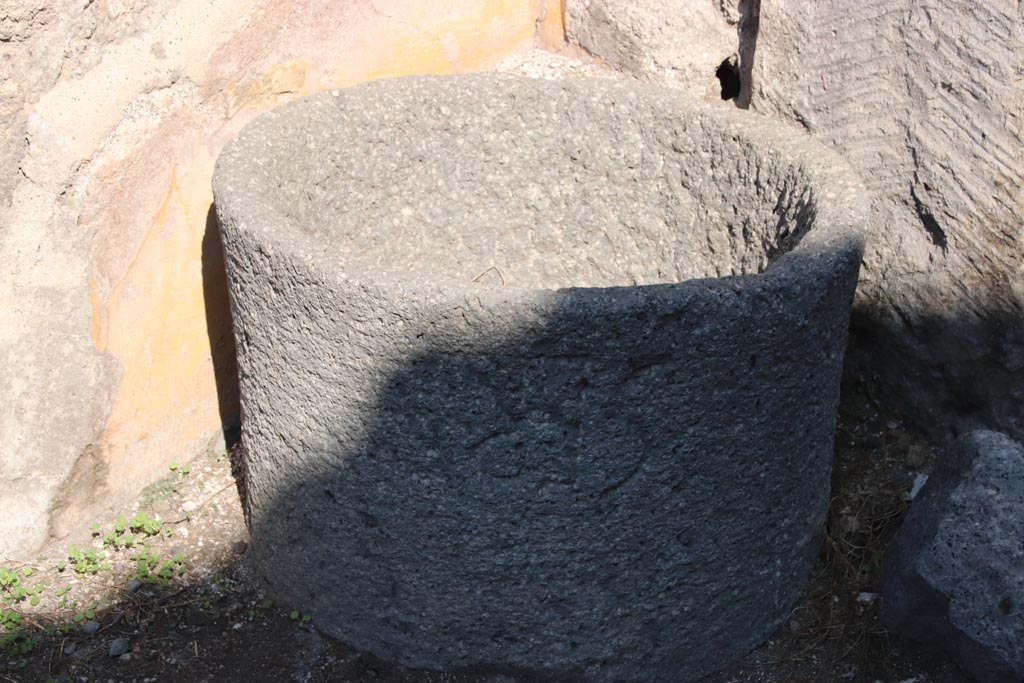
IX.1.3 Pompeii. October 2022. Looking north-east. Photo courtesy of Klaus Heese
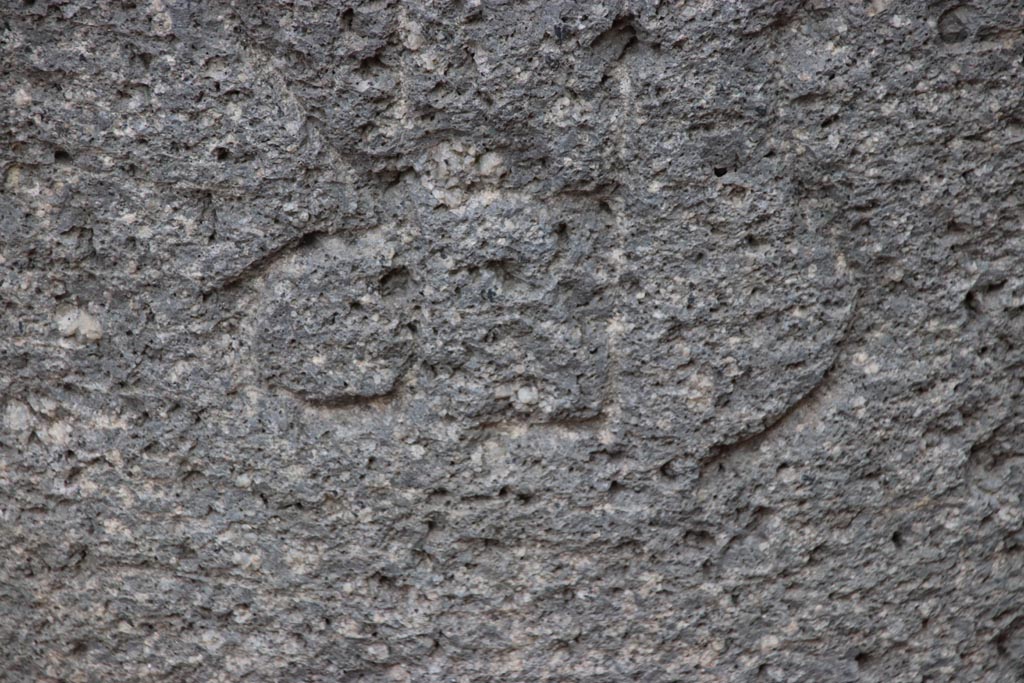
IX.1.3 Pompeii. October 2022. Looking north-east towards detail. Photo courtesy of Klaus Heese
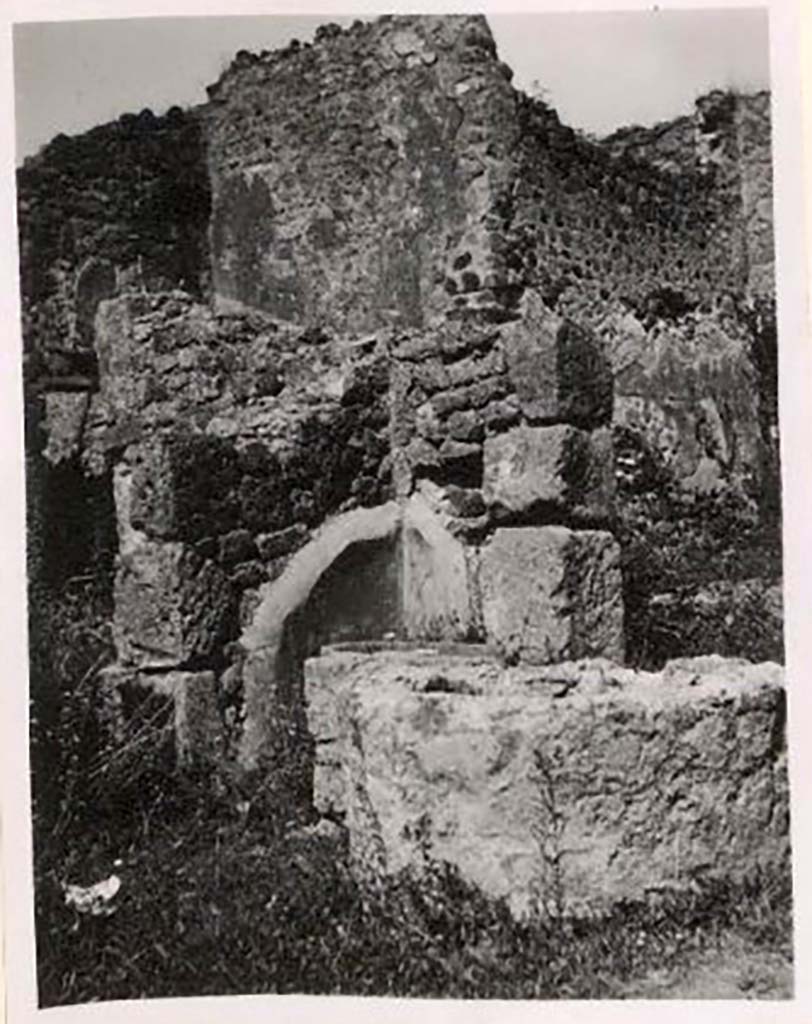
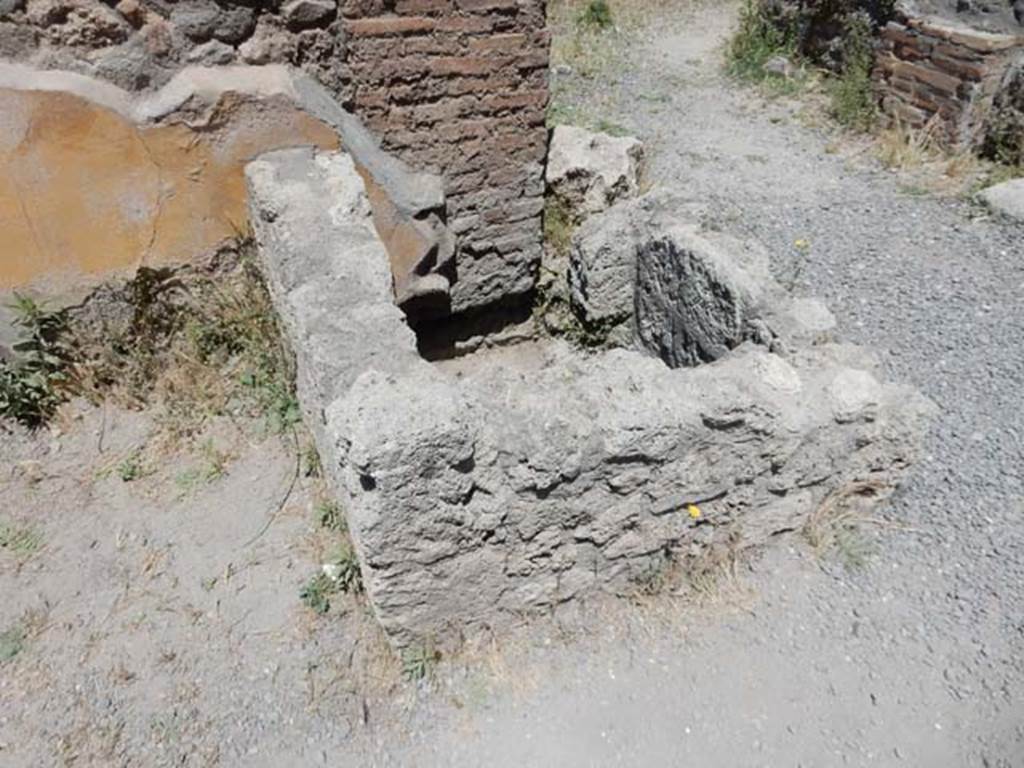
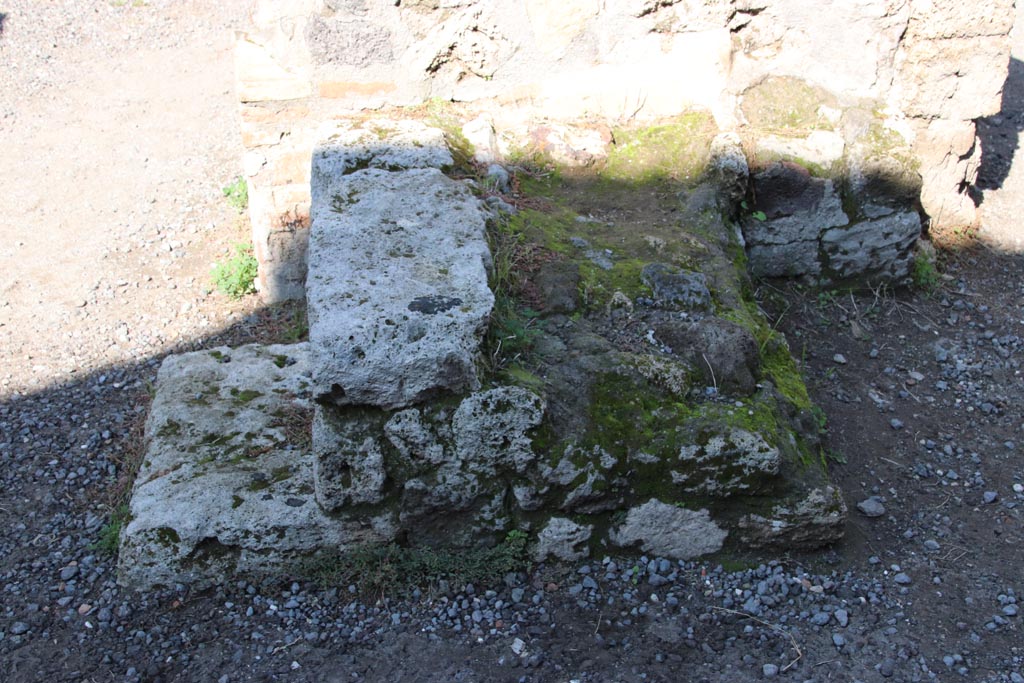
IX.1.3 Pompeii. Pre-1943.
According to Warscher, this photo shows a structure on “the north-east corner of the second division.”
She wrote, “If I am not mistaken here are the remains of a kneading trough.”
See Warscher, T. Codex Topographicus Pompeianus, IX.1. (1943), Swedish Institute, Rome. (no.8), p. 21.