VIII.3.21 Pompeii. House of Sex. Decimius Rufus (Veteran)?
Linked to VIII.3.20. Excavated 1809, 1815 and 1839.
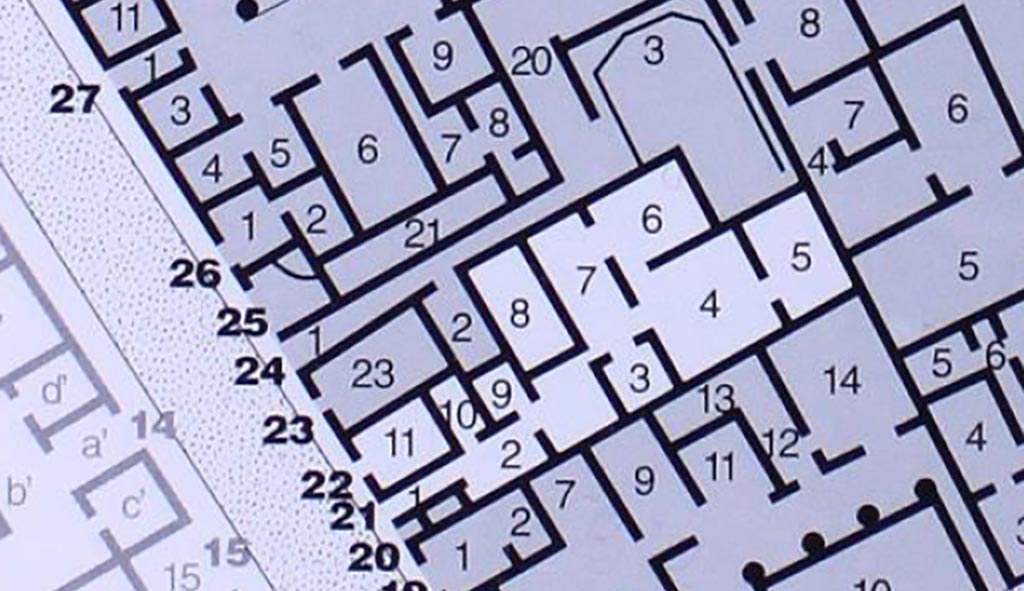
VIII.3.21 Pompeii. Plan of ground floor.
See Carratelli,
G. P., 1990-2003. Pompei: Pitture e
Mosaici: Vol. VIII. Roma: Istituto della enciclopedia italiana, p. 414.
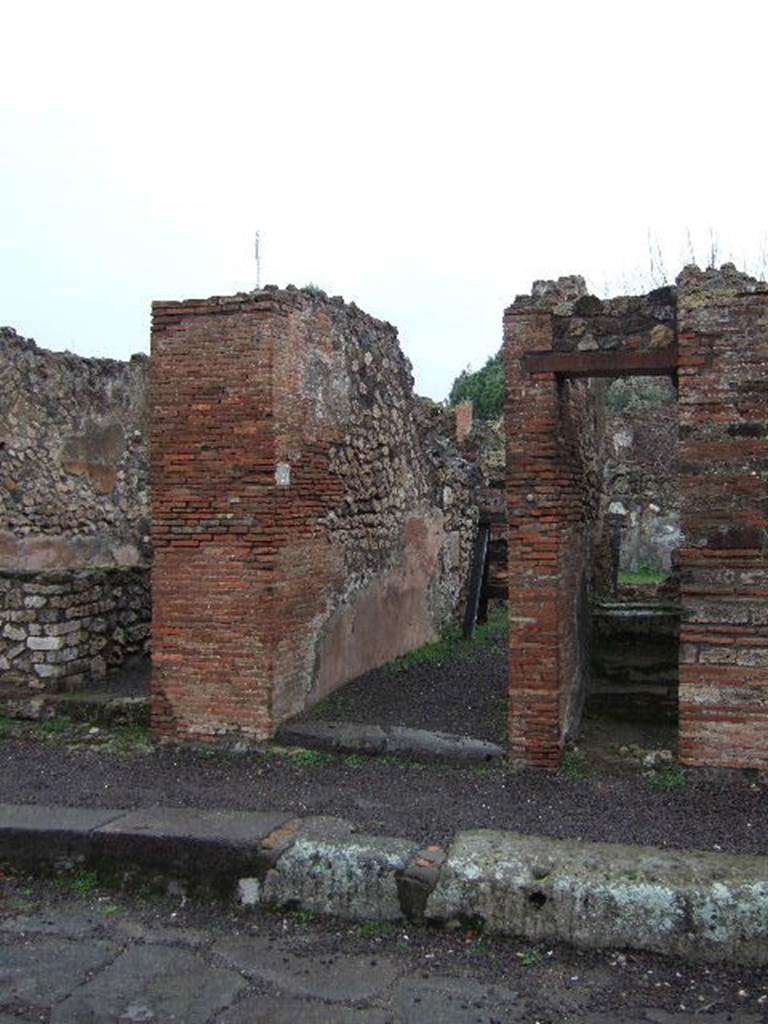
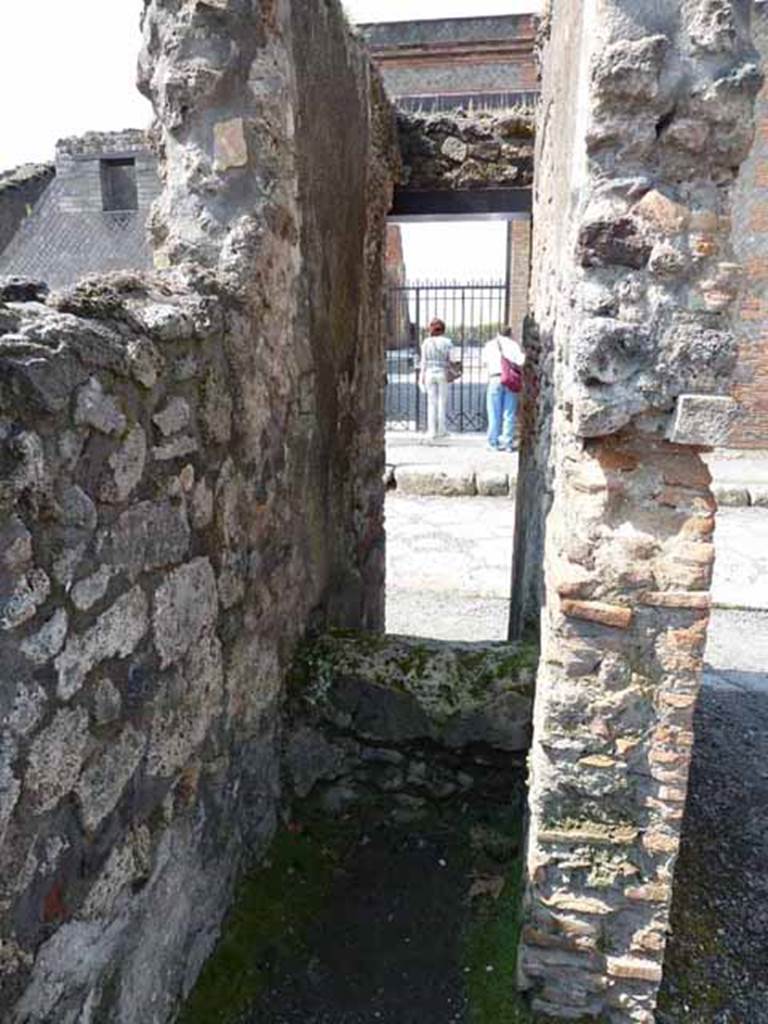
VIII.3.21 Pompeii. December 2005. Entrance, with steps to upper floor at VIII.3.20 on right.
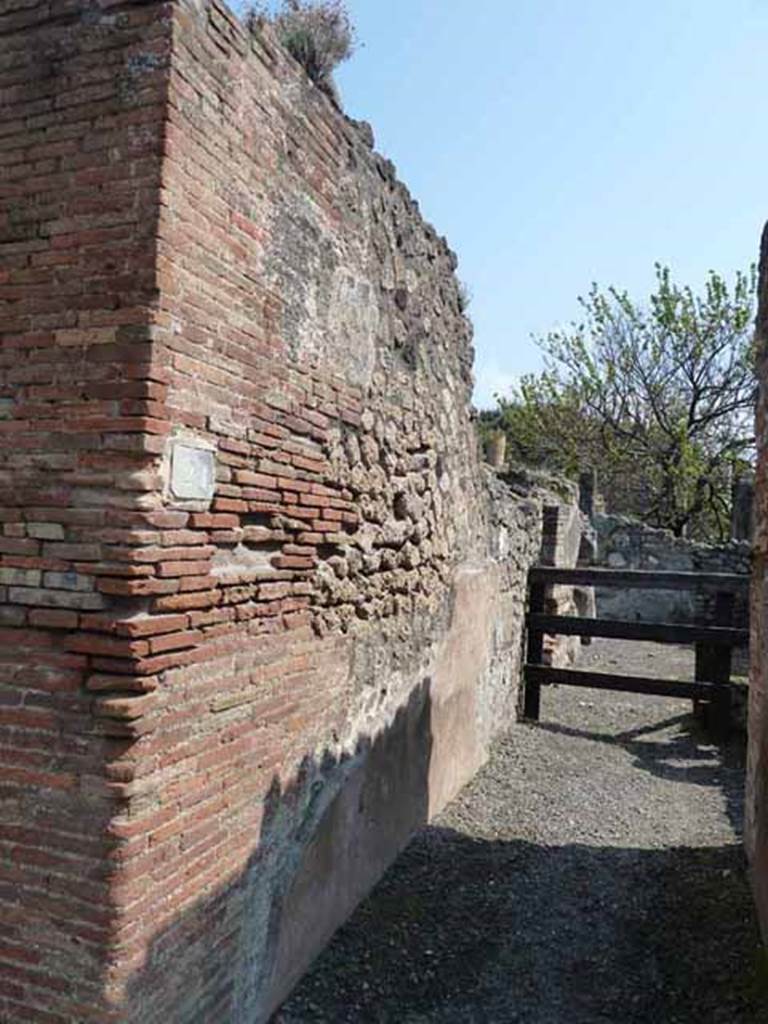
VIII.3.21 Pompeii. May 2024. Entrance doorway. Photo courtesy of Klaus Heese.
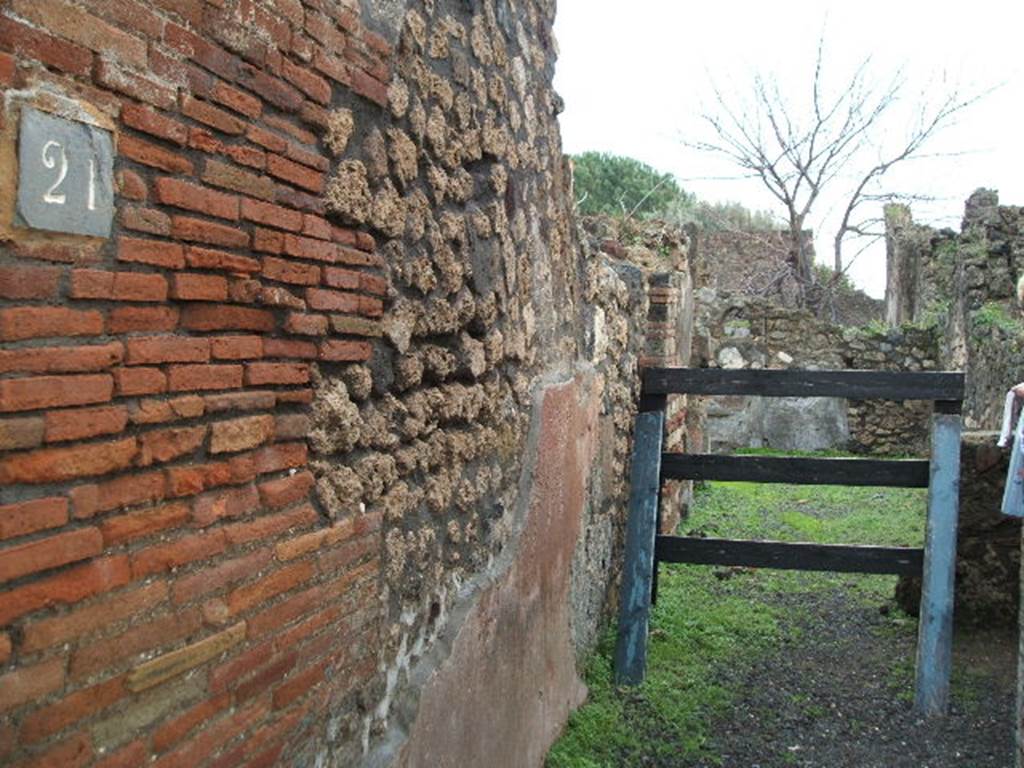
VIII.3.21 Pompeii. May 2010. North wall of entrance fauces 1.
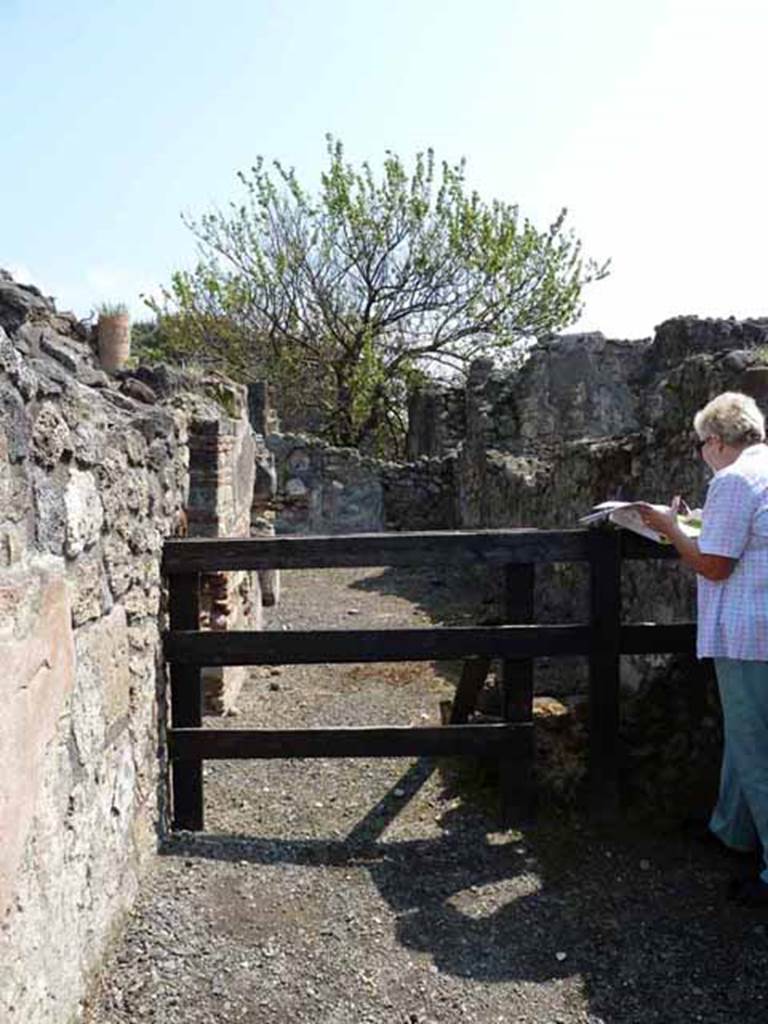
VIII.3.21 Pompeii. December 2004. Looking east along the north wall of entrance fauces 1.
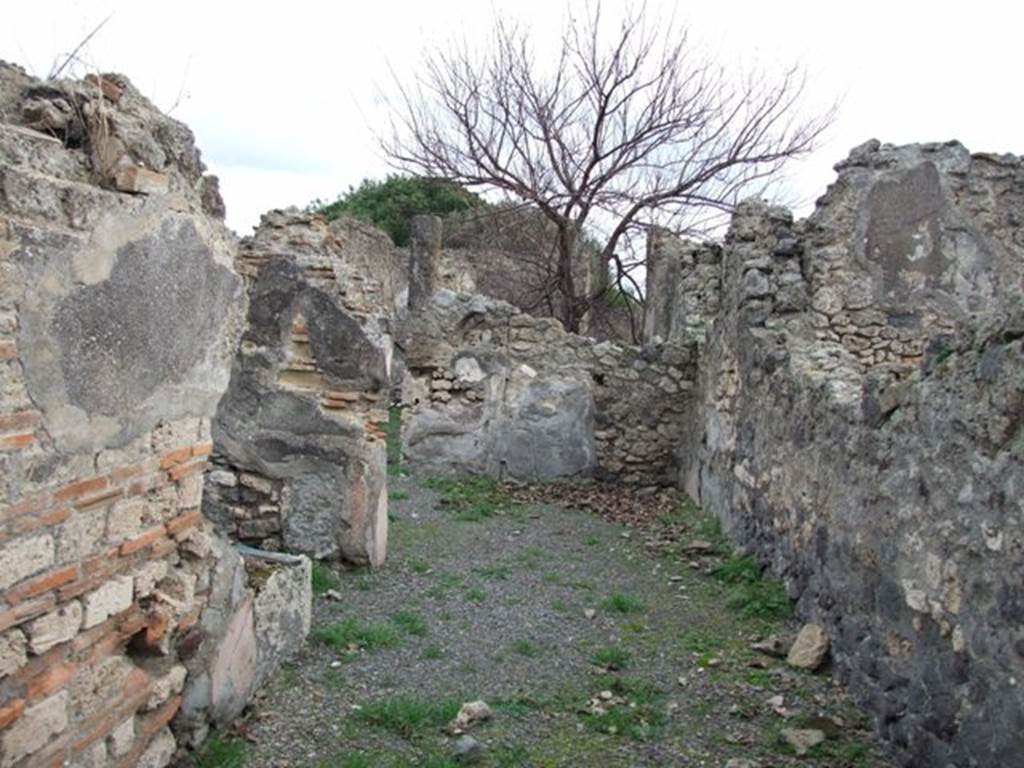
VIII.3.21 Pompeii. May 2010. Looking east from entrance fauces 1 to room 2.
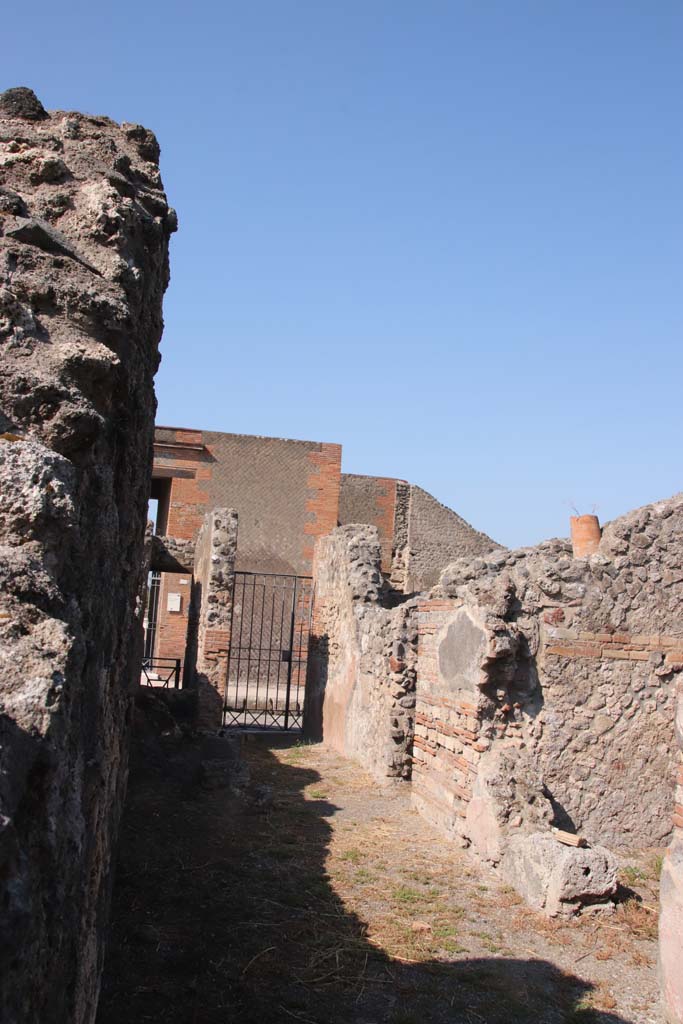
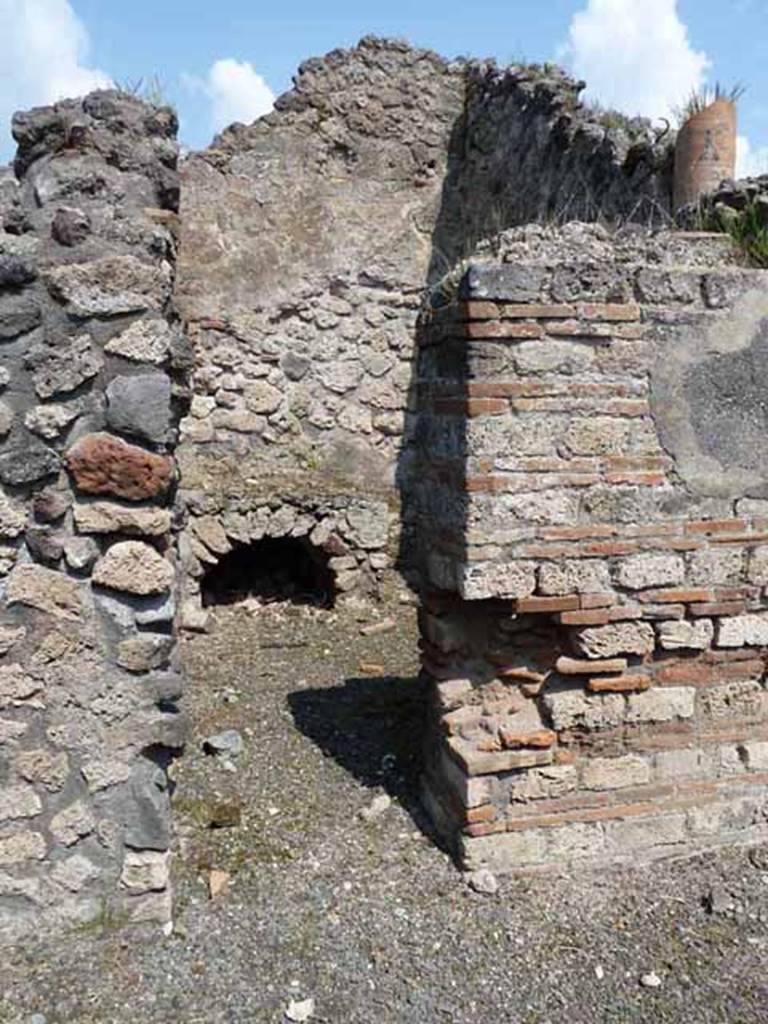
VIII.3.21 Pompeii. December 2007. Entrance corridor to east of entrance, looking east.
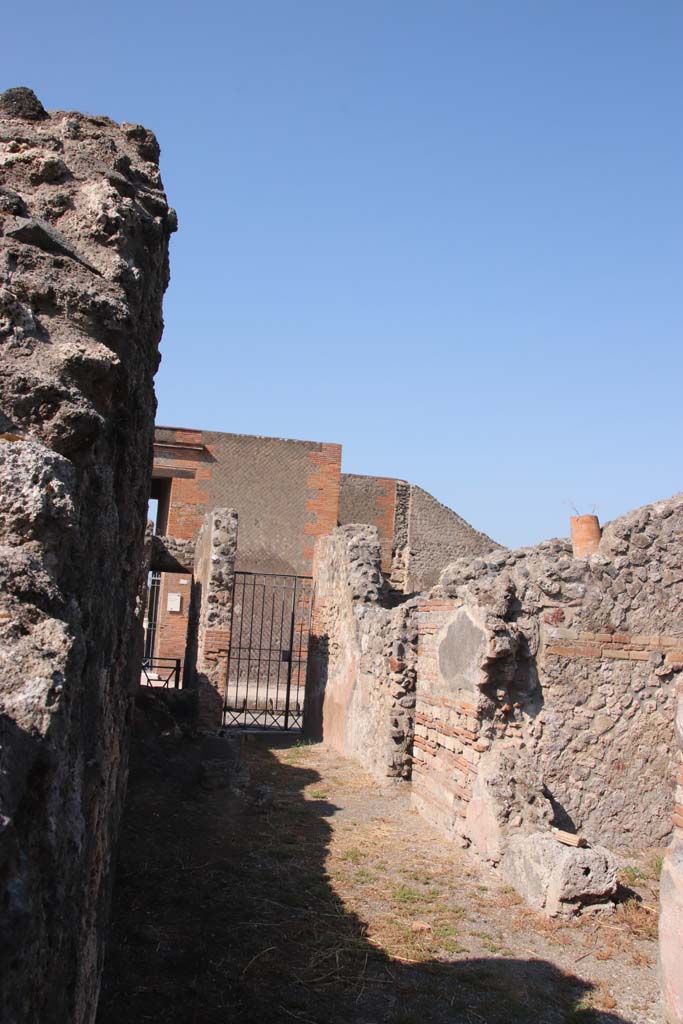
VIII.3.21 Pompeii. September 2021.
Looking west along
entrance corridor 1 towards entrance doorway. Photo courtesy of Klaus Heese.
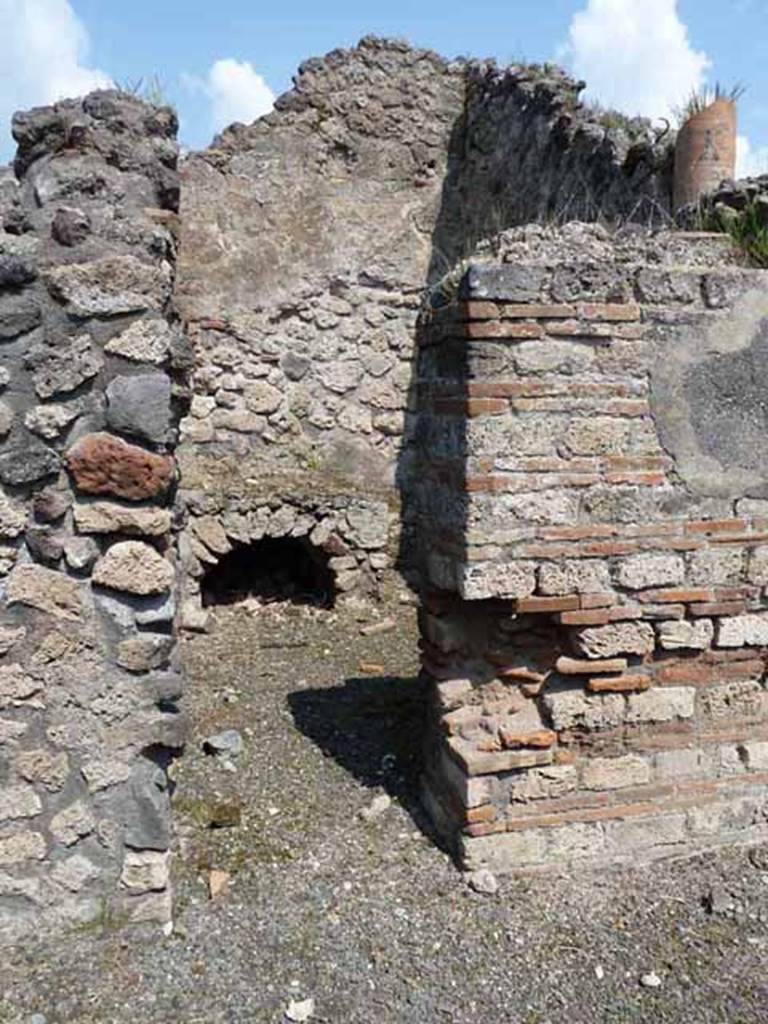
VIII.3.21 Pompeii. May 2010. Kitchen (10) on north side of entrance corridor.
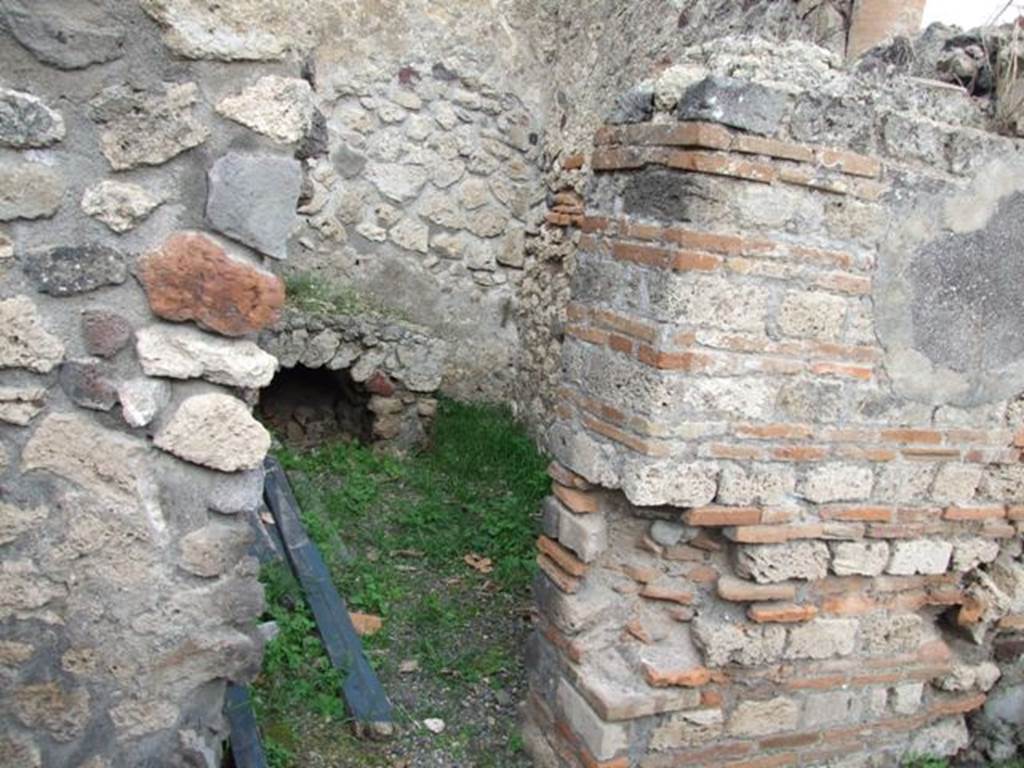
VIII.3.21 Pompeii. December 2007. Room to north of entrance. Kitchen (10) with oven.
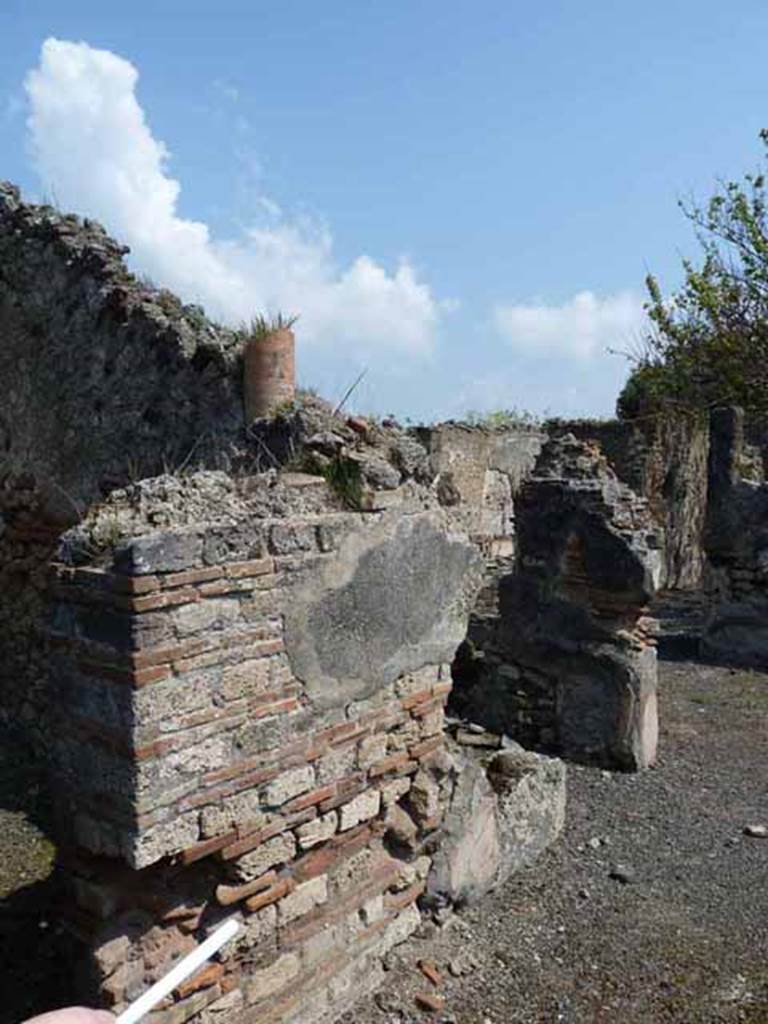
VIII.3.21 Pompeii. May 2010. North wall of entrance corridor, between kitchen (10) and cubiculum (9).
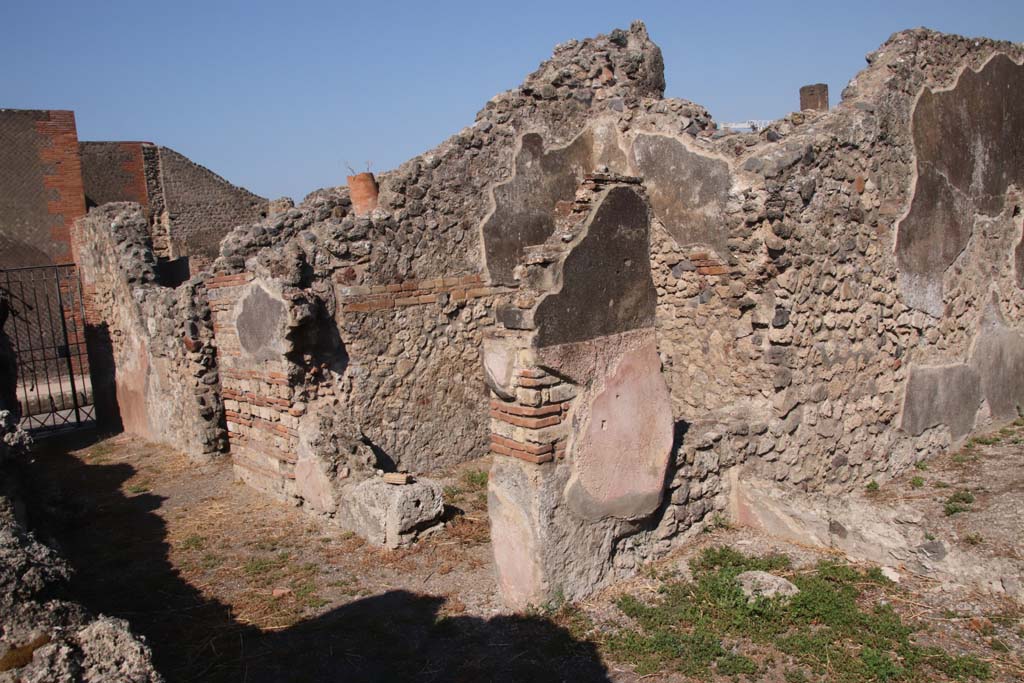
VIII.3.21 Pompeii. December 2007. Looking north-east from entrance corridor towards doorway to cubiculum (9), in centre.
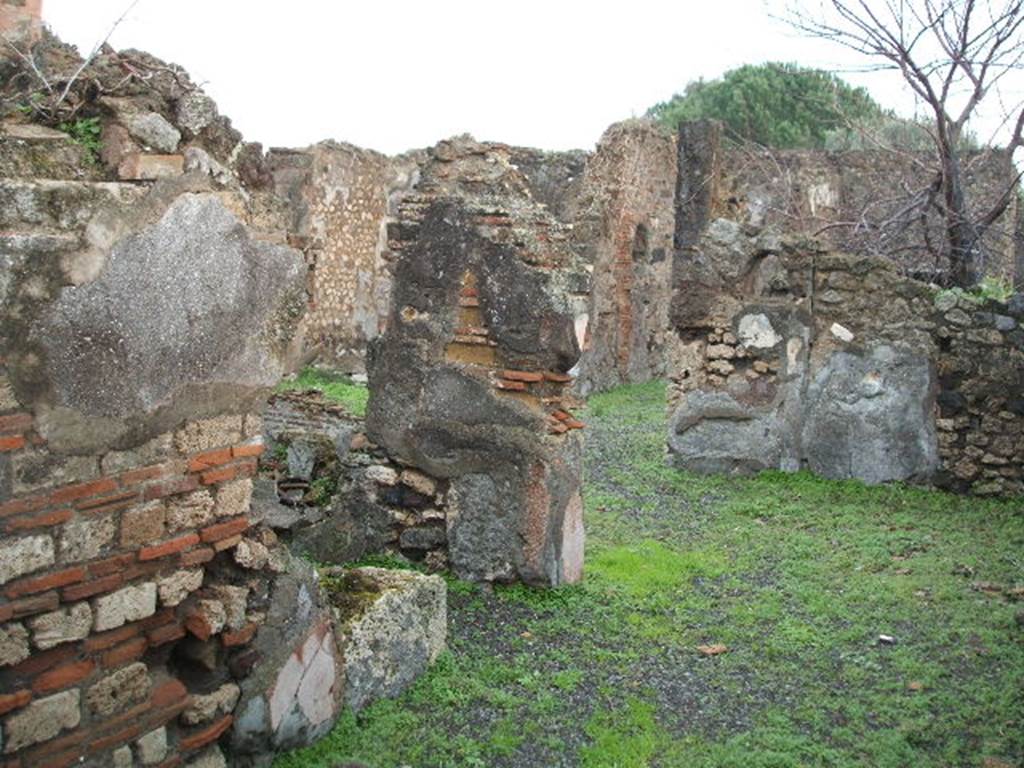
VIII.3.21 Pompeii. December 2004. Looking north-east to cubiculum 9 from room 2.
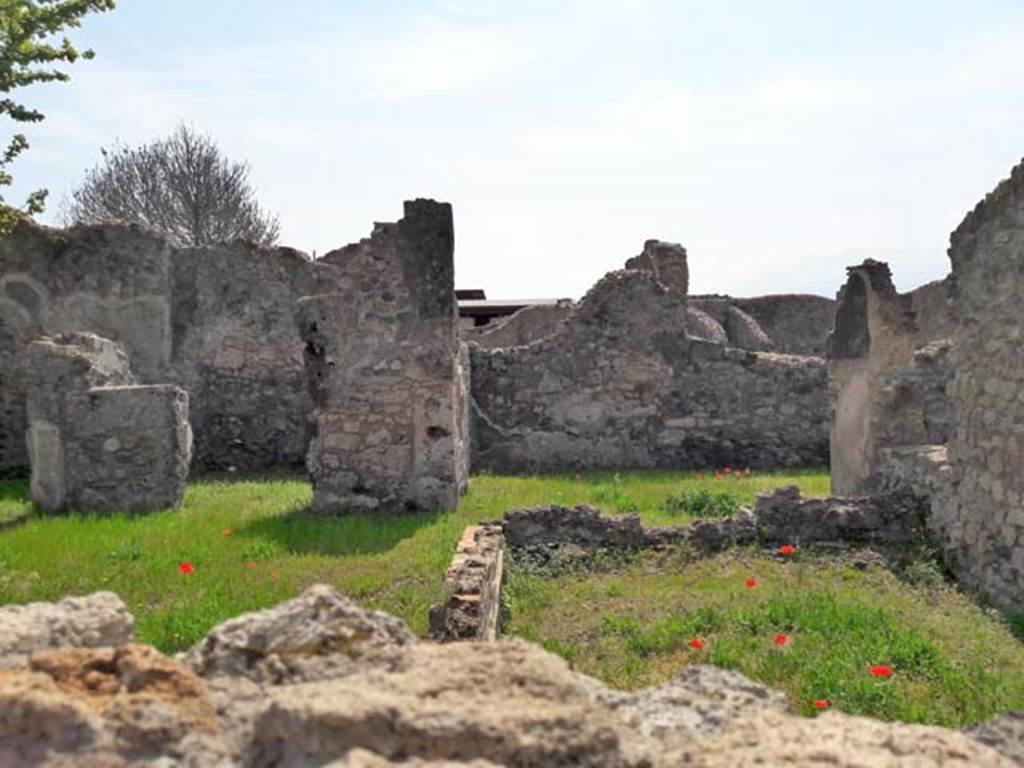
VIII.3.21 Pompeii. May 2024. Detail of wall at east end of entrance corridor. Photo courtesy of Klaus Heese.
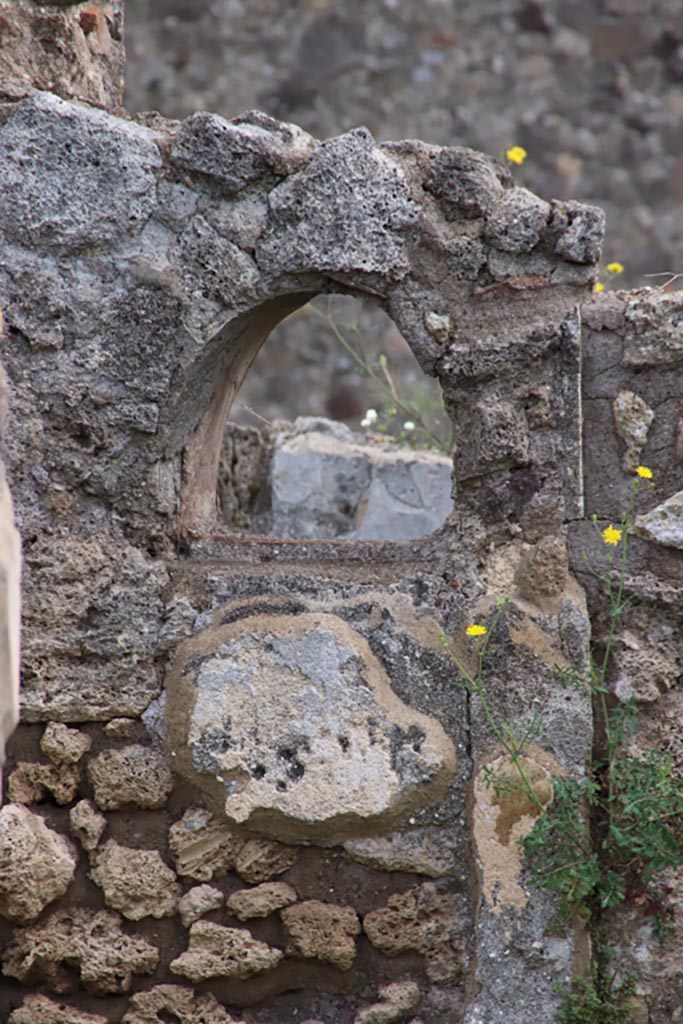
Detail of niche in wall at east end of entrance corridor. Photo courtesy of Klaus Heese.
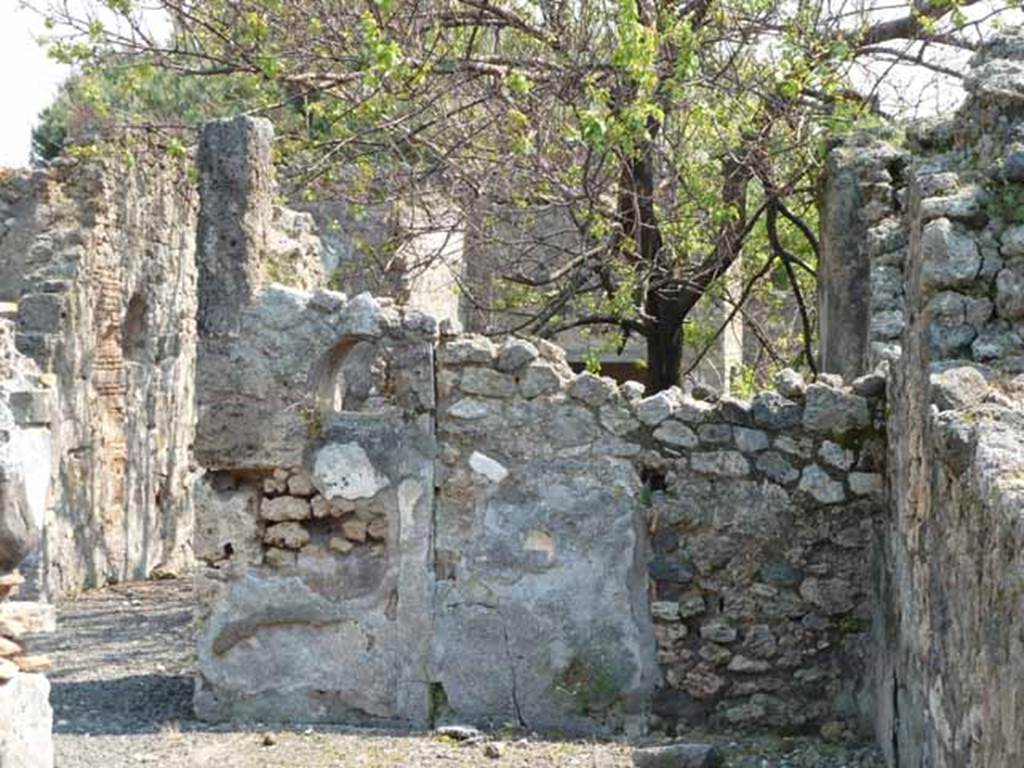
VIII.3.21 Pompeii. May 2010. Looking east to end of entrance corridor, on south side of garden area.
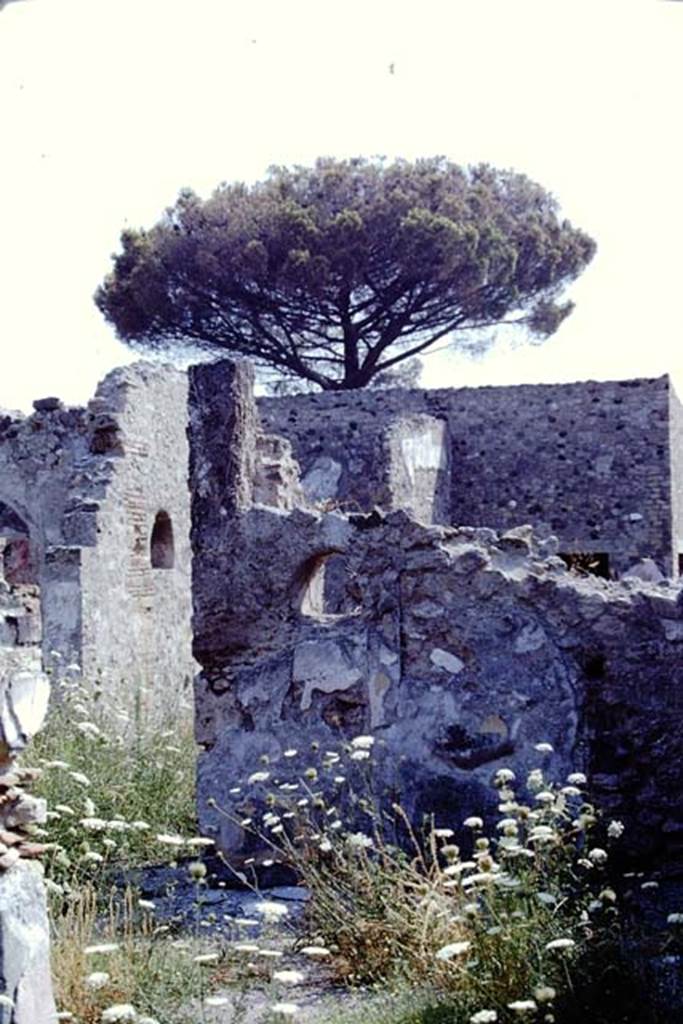
VIII.3.21 Pompeii. 1968. Looking east. Photo by Stanley A. Jashemski.
Source: The Wilhelmina and Stanley A. Jashemski archive in the University of Maryland Library, Special Collections (See collection page) and made available under the Creative Commons Attribution-Non-Commercial License v.4. See Licence and use details.
J68f1181
![VIII.3.21 Pompeii. May 2010. Looking north-east to room 6 and rear of house.
According to Fiorelli, on the one column that supported a covered portico, the following graffito was found.
This gave the name of someone who had lived here –
Sex. Decimius Rufus milis coh V pr ? Martialis [CIL IV 1994]
See Pappalardo, U., 2001. La Descrizione di Pompei per Giuseppe Fiorelli (1875). Napoli: Massa Editore. (p.125)
According to Epigraphik-Datenbank Clauss/Slaby (See www.manfredclauss.de) this read as –
Sex(tus) Decimius Rufus
mil(e)s coh(ortis) V pr(aetoriae) (centuria) Martialis
According to Mau, this translated as –
Sextus Decimius Rufus, a soldier of the 5th praetorian cohort, of the century led by Martialis
See Mau, A., 1907, translated by Kelsey, F. W., Pompeii: Its Life and Art. New York: Macmillan. (p. 492).](8%2003%2021_files/image033.jpg)
VIII.3.21 Pompeii. May 2010. Looking north-east to room 6 and rear of house.
According to Fiorelli, on the one column that supported a covered portico, the following graffito was found.
This gave the name of someone who had lived here –
Sex.
Decimius Rufus milis coh V pr ? Martialis
[CIL IV 1994]
See Pappalardo, U., 2001. La Descrizione di Pompei per Giuseppe Fiorelli (1875). Napoli: Massa Editore. (p.125)
According to Epigraphik-Datenbank Clauss/Slaby (See www.manfredclauss.de) this read as –
Sex(tus) Decimius
Rufus
mil(e)s coh(ortis)
V pr(aetoriae) (centuria)
Martialis
According to Mau, this translated as –
Sextus Decimius Rufus, a soldier of the 5th praetorian cohort, of the century led by Martialis
See Mau, A., 1907, translated by Kelsey, F. W., Pompeii: Its Life and Art. New York: Macmillan. (p. 492).
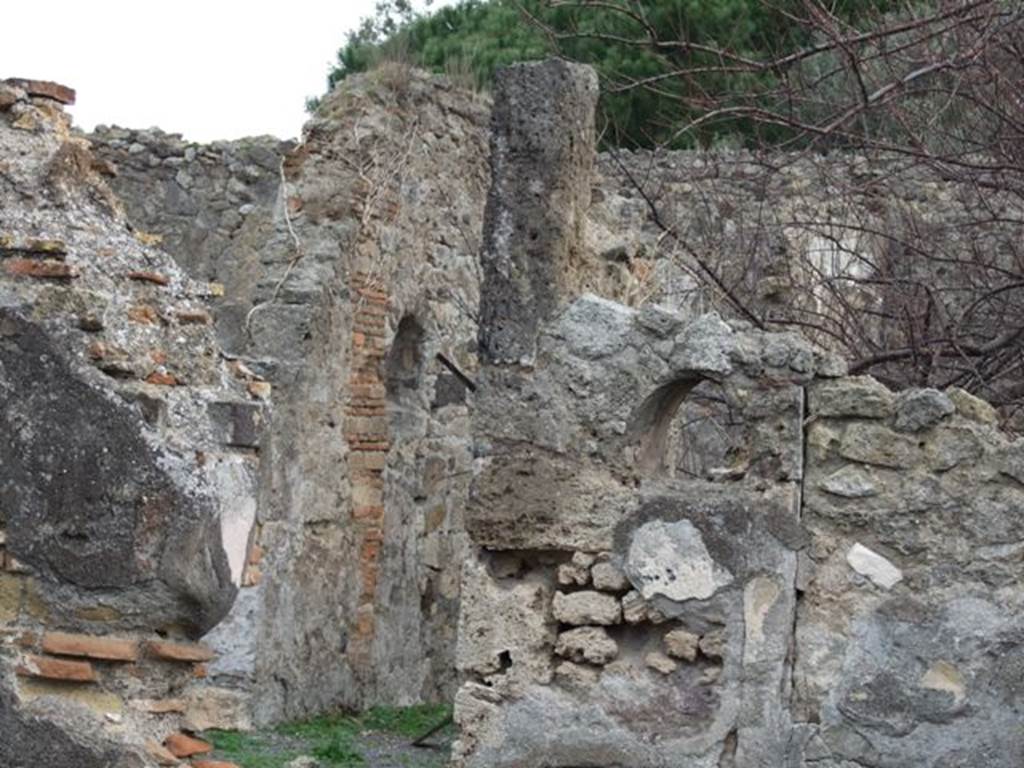
VIII.3.21 Pompeii. December 2007. Looking north-east to rear of house.
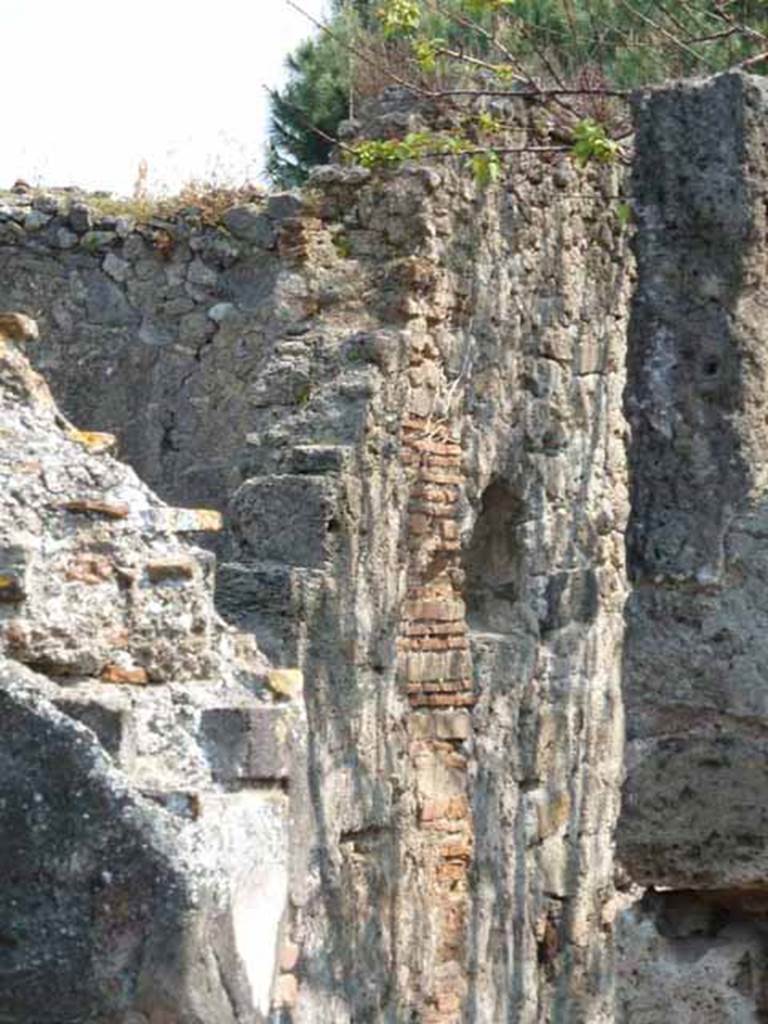
VIII.3.21 Pompeii. May 2010. Wall with niche in room (4).
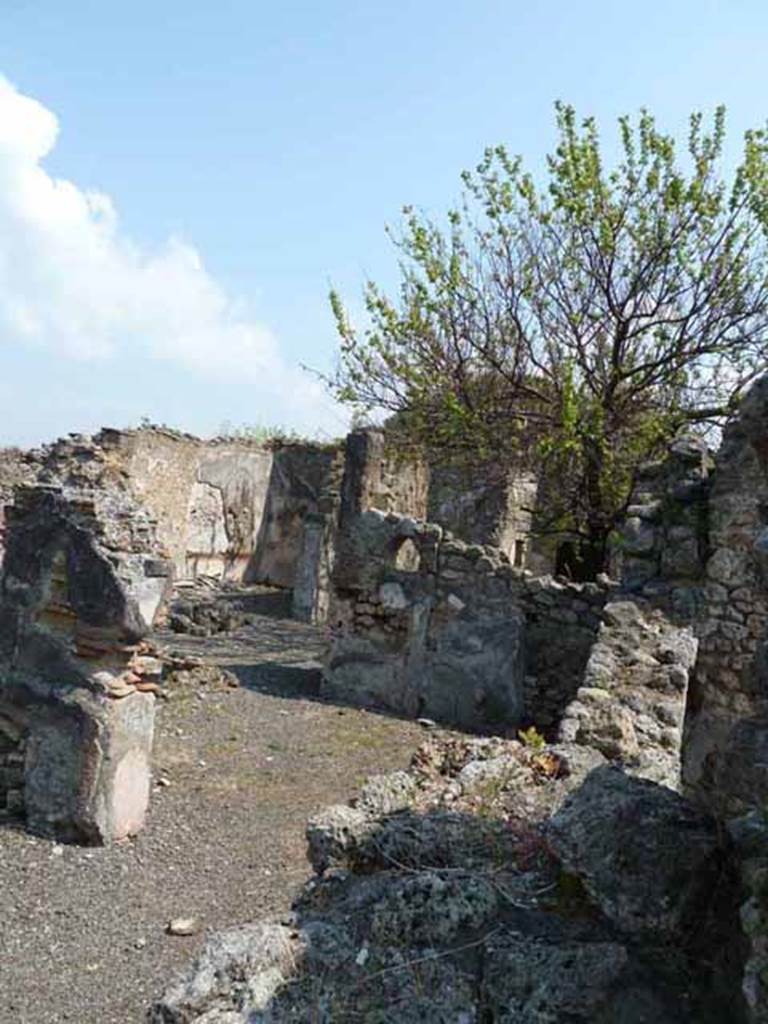
VIII.3.21 Pompeii. September 2021.
Looking north-west from room 2 to corridor/fauces 1, cubiculum 9 doorway and kitchen 10 doorway in north wall.
On the right is the garden area with niche. Photo
courtesy of Klaus Heese.
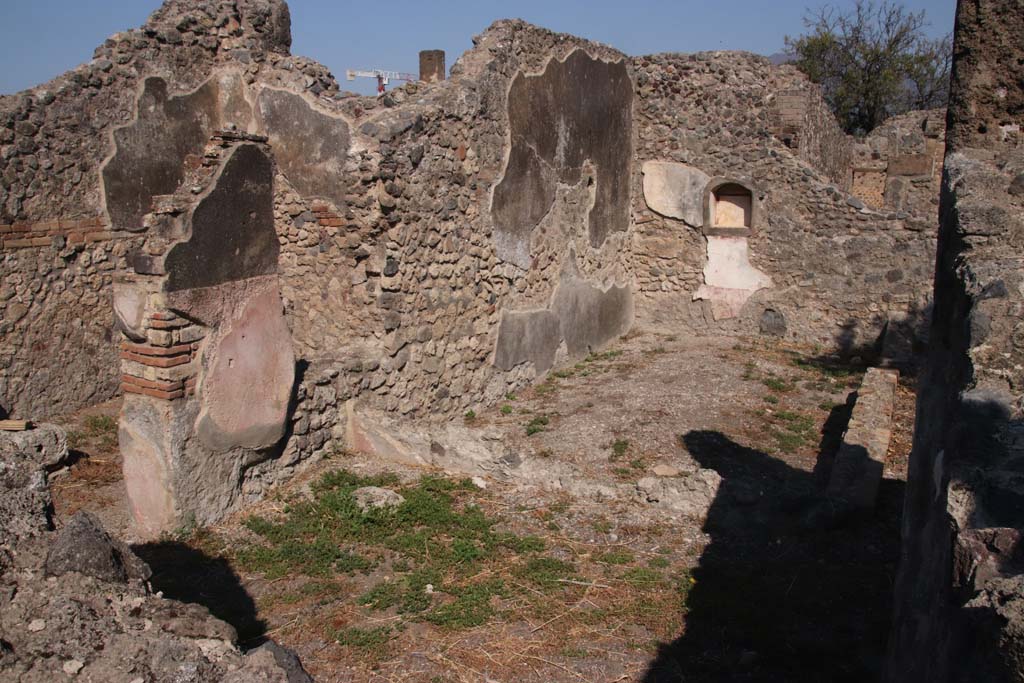
VIII.3.21 Pompeii. September 2021. Looking north across
garden area (8) with niche. Photo courtesy of Klaus Heese.
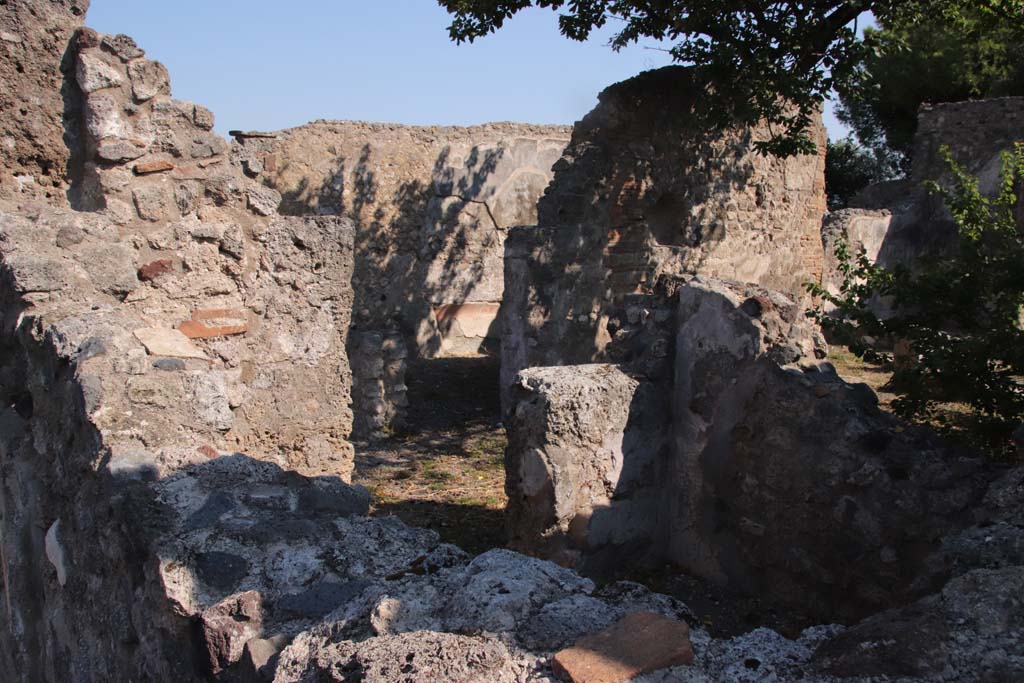
VIII.3.21 Pompeii. 1968.
Looking towards the north wall of the garden area (8), with arched niche. Photo by Stanley A. Jashemski.
Source: The Wilhelmina and Stanley A. Jashemski archive in the University of Maryland Library, Special Collections (See collection page) and made available under the Creative Commons Attribution-Non-Commercial License v.4. See Licence and use details.
J68f1180
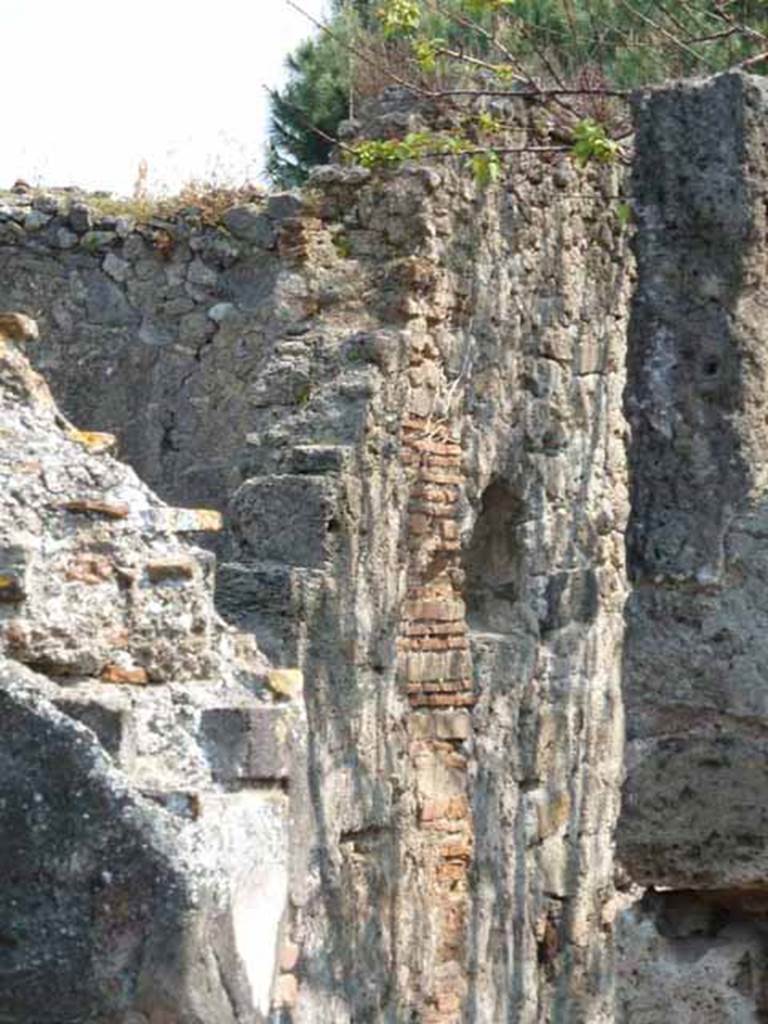
VIII.3.21 Pompeii. Postcard dated 1st August 1939. Looking north across VIII.3. VIII.3.21 can be seen at the front of the picture.
This shows the corridor that runs west to east from the entrance and in the centre is the doorway to the kitchen, followed by the cubiculum.
The arched niche described by Boyce, and the north wall of the garden, can be seen to the right in the centre of the photo.
Photo courtesy of Drew Baker.
VIII.3.21 Pompeii. Detail of niche and garden (8) from postcard dated 1st August 1939.
According to Boyce, in the north wall of the garden was an arched niche adorned with an aedicula façade.
The façade had a modelled stucco cornice running around the curve of the arch.
It also had a heavy ledge projecting from the wall.
The inside walls of the niche were covered with white stucco and outlined with red stripes.
See Boyce G. K., 1937. Corpus of the Lararia of Pompeii. Rome: MAAR 14. (p.76, no.356, & Pl.3,5 photo by Warscher).
Photo courtesy of Drew Baker.
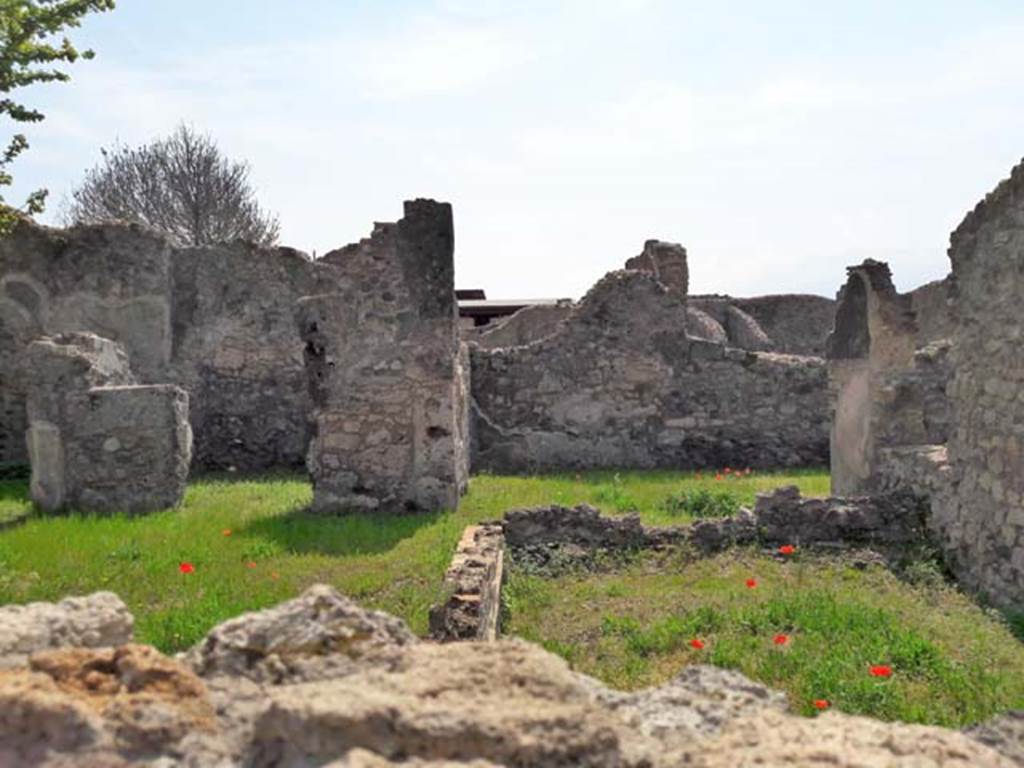
VIII.3.21 Pompeii. April 2017. Looking south across garden area (8), front right, with room 3 rear left.
Room 2 at the end of the entrance corridor is rear right in the photo.
Photo taken over wall from VIII.3.24.
Photo courtesy of Dr Paul J. Turner.
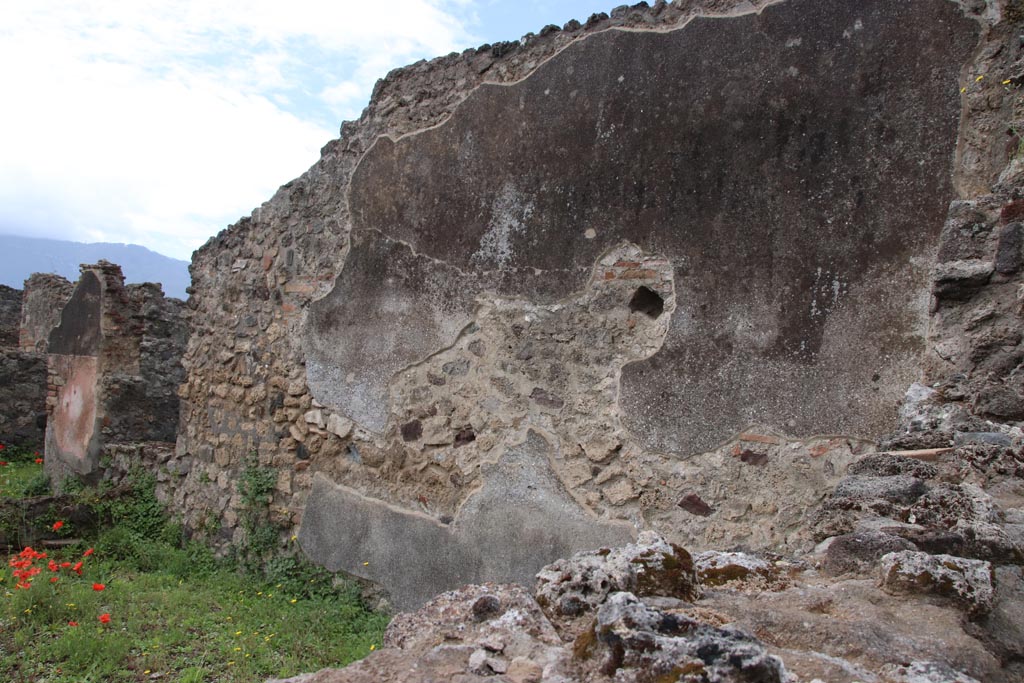
Looking towards west wall of garden area (8), photo taken over wall from VIII.3.24. Photo courtesy of Klaus Heese.
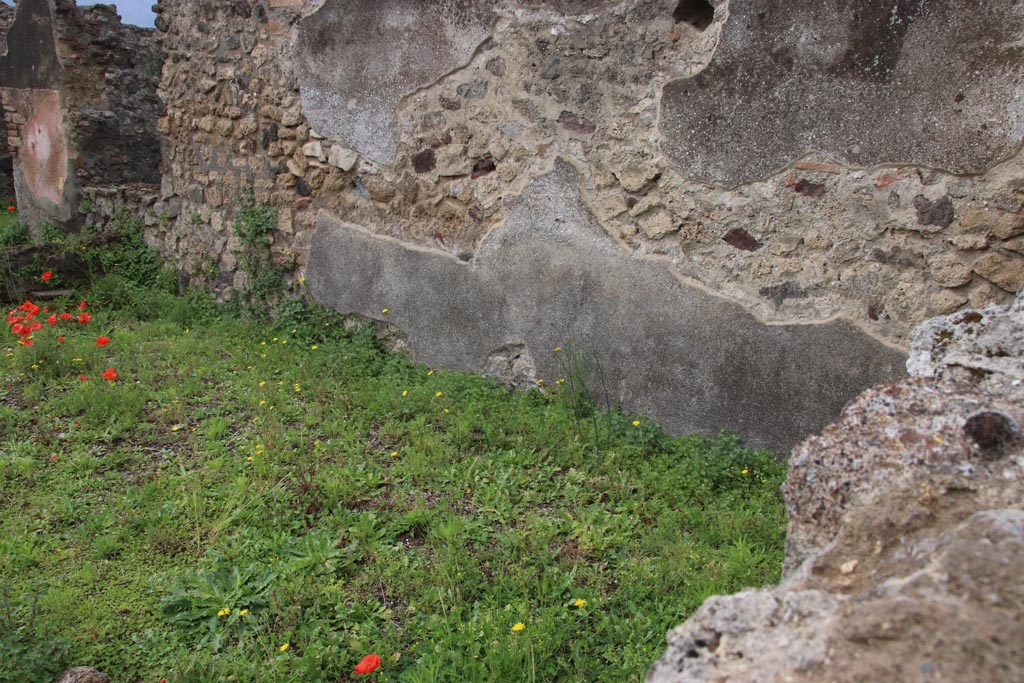
Looking
towards lower west wall of garden area (8), photo taken over wall from
VIII.3.24. Photo courtesy of Klaus Heese.
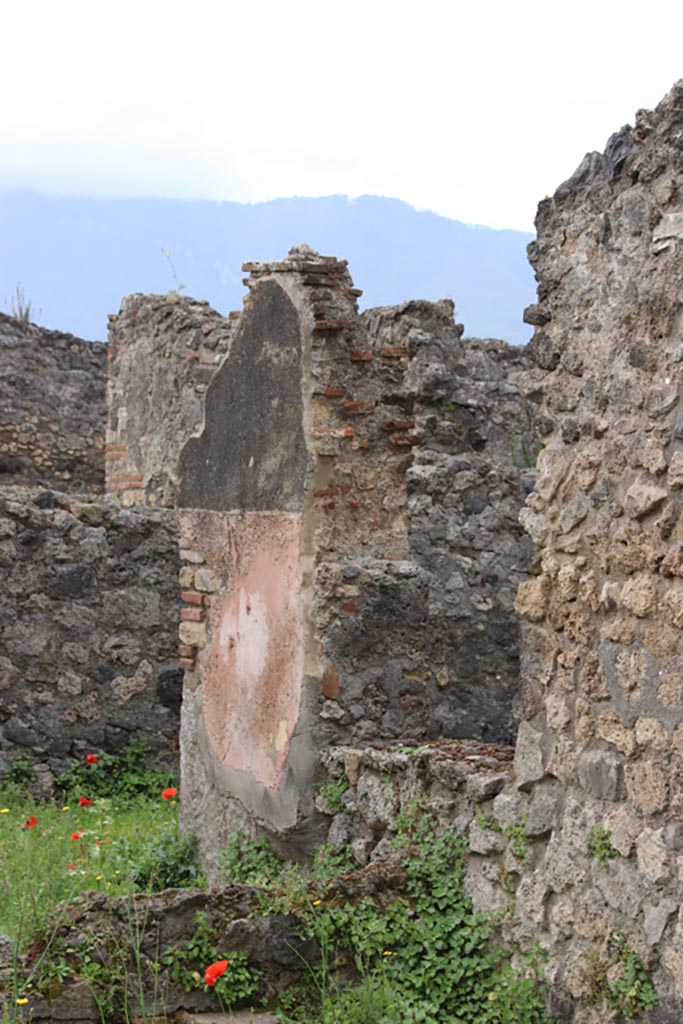
Looking towards window at south end of west wall of garden area (8), photo taken over wall from VIII.3.24.
Photo courtesy of Klaus Heese.
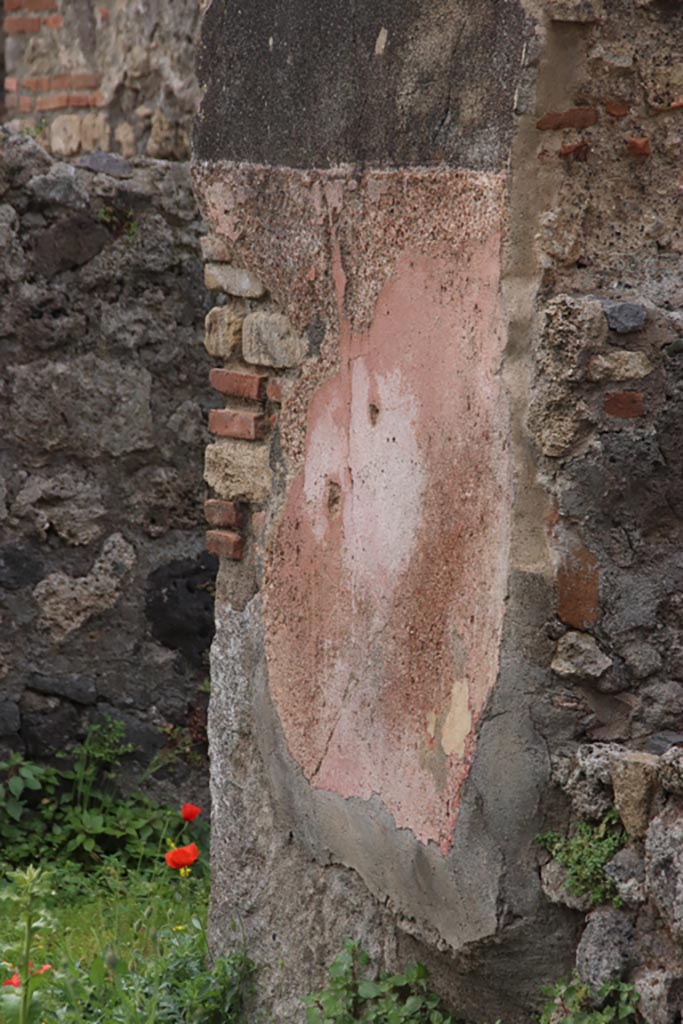
Detail of remaining plaster on west wall at south end of window, photo taken over wall from VIII.3.24.
Photo courtesy of Klaus Heese.
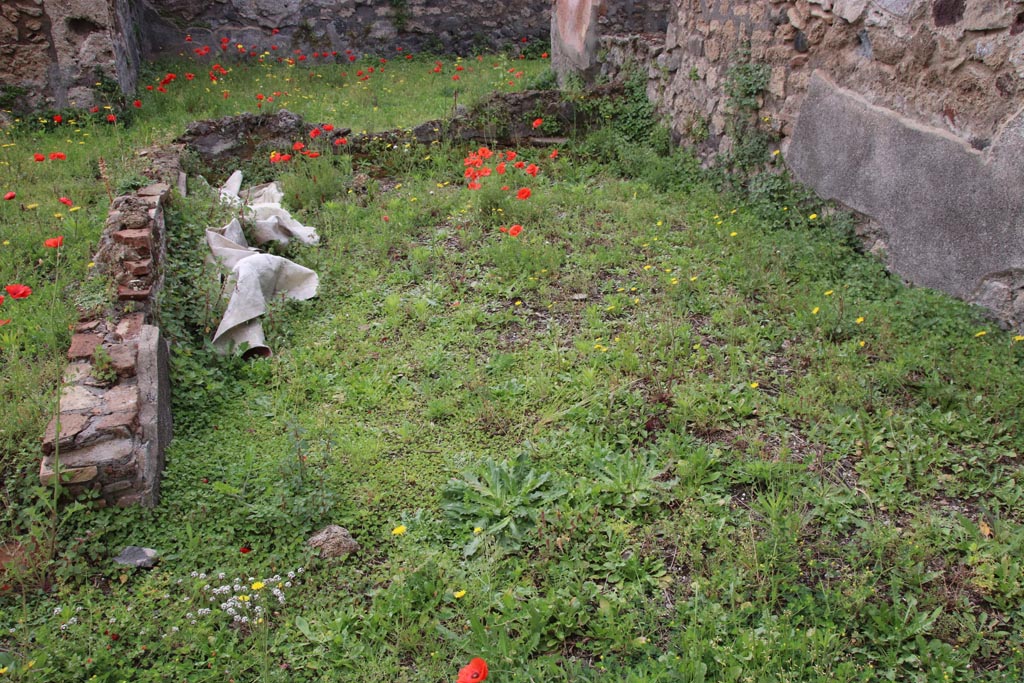
Looking
across garden area (8) towards south end, photo taken over wall from VIII.3.24.
Photo courtesy of Klaus Heese.
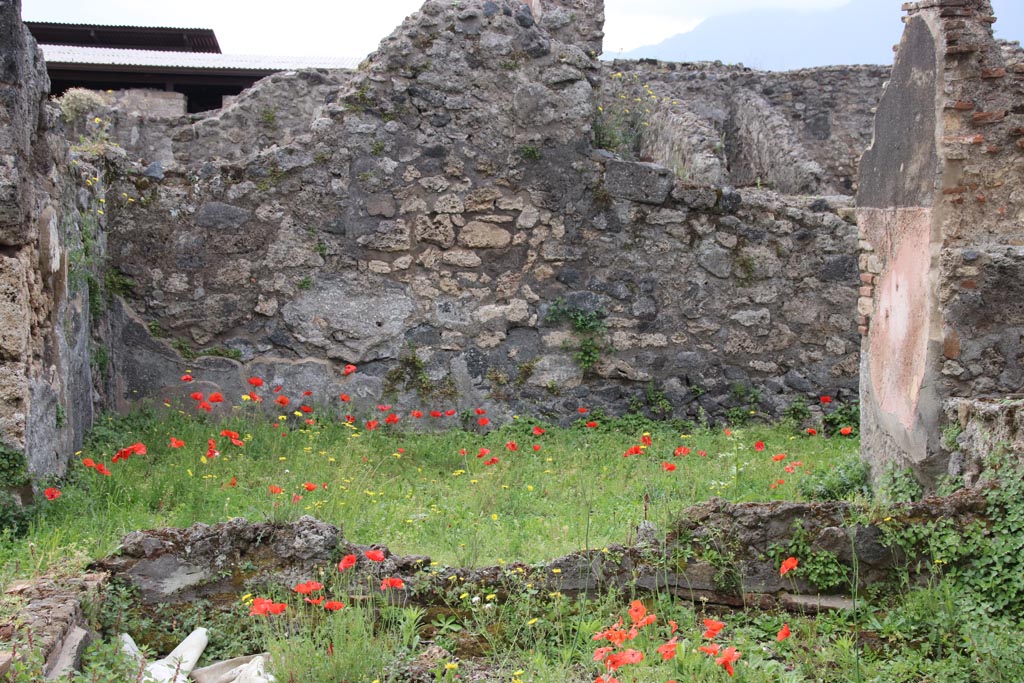
Looking across south side of garden area (8) to room 2, photo taken over wall from VIII.3.24. Photo courtesy of Klaus Heese.
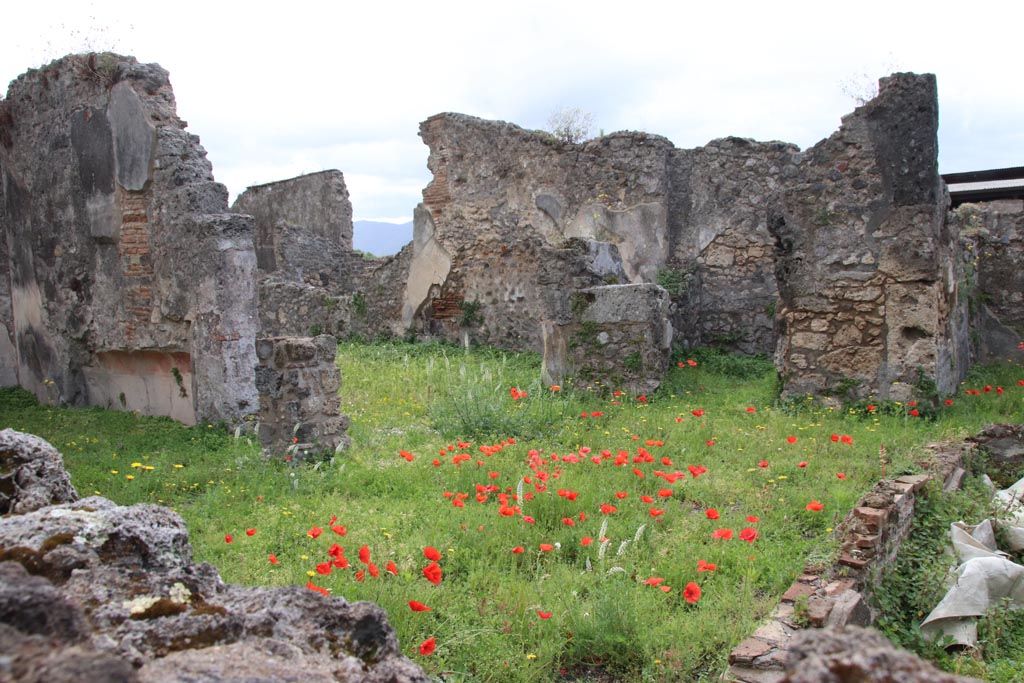
VIII.3.21 Pompeii. May 2024. Looking south-east over wall across room (7) from VIII.3.24.
Triclinium (6) is on the left, doorway to room (4) is in centre, and doorway into room (3) is centre right of photo.
Photo courtesy of Klaus Heese.
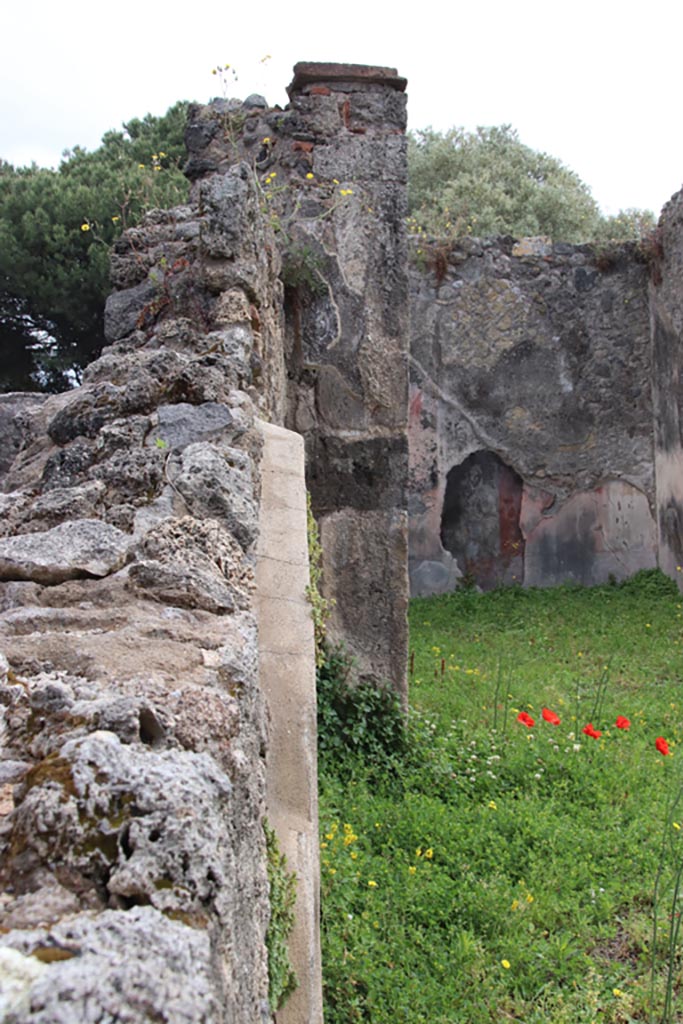
Looking east over wall in VIII.3.24 towards north and east side of triclinium (6).
Photo courtesy of Klaus Heese.
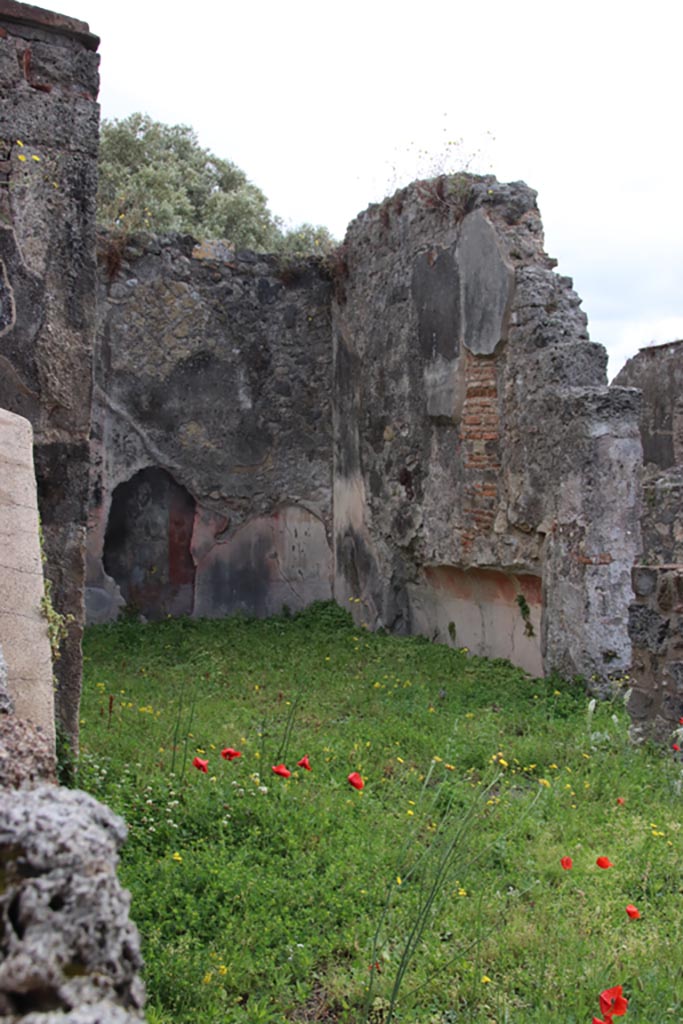
Looking east over wall in VIII.3.24 towards east and south side of triclinium (6).
Photo courtesy of Klaus Heese.
According to PPM –
The walls of this triclinium would have been painted in the IV Style, with black zoccolo decorated with plants, a red middle zone with panels, and the upper zone discoloured.
See Carratelli, G. P., 1990-2003. Pompei: Pitture e Mosaici. (8). Roma:
Istituto della enciclopedia italiana, (p.414-417).
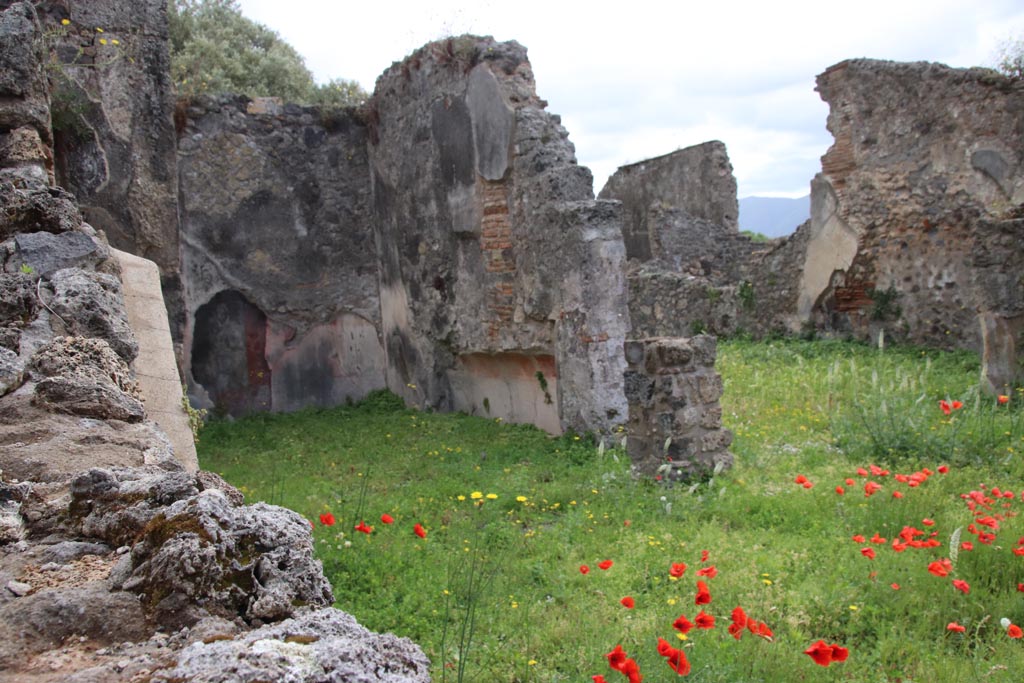
Looking south-east over wall in VIII.3.24 towards triclinium (6), on left, and room (4), on right. Photo courtesy of Klaus Heese.
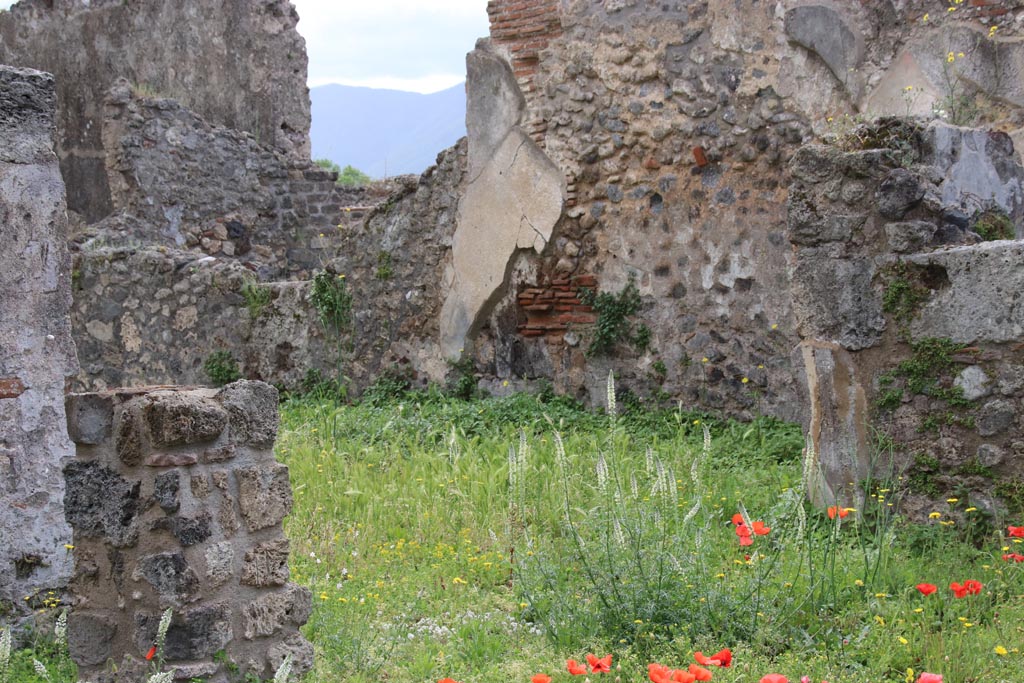
Looking towards south side of room (4), photo taken over wall from VIII.3.24. Photo courtesy of Klaus Heese.
In the east wall would appear to be a doorway into room (5), but not able to photograph it.
In the north wall of this room would appear to be another niche.
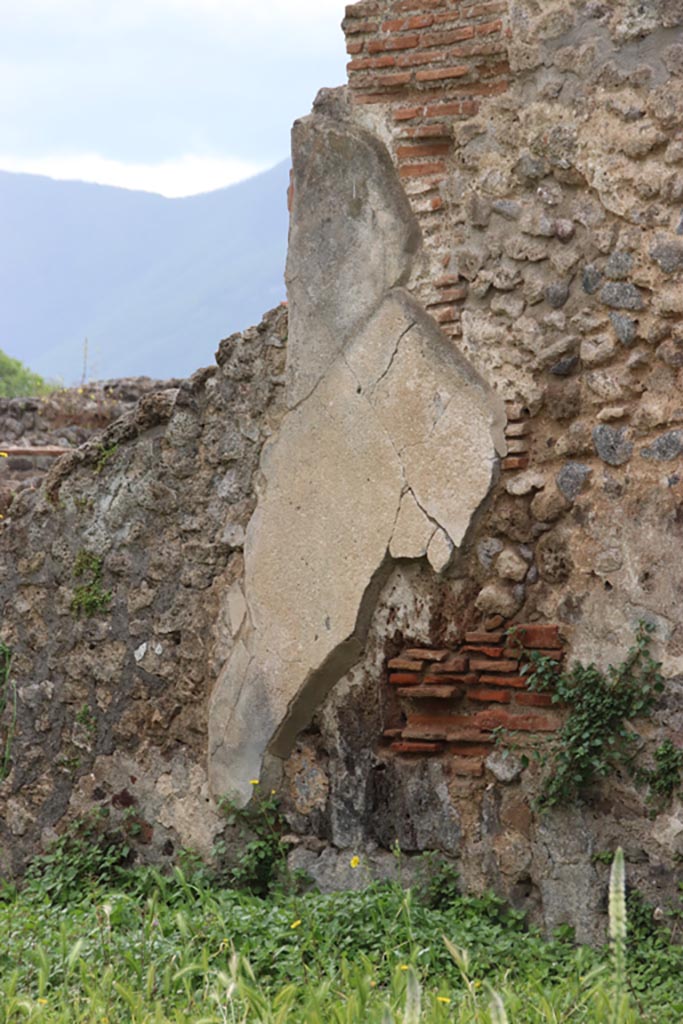
Looking towards remaining plaster on south wall of room (4), photo taken over wall from VIII.3.24.
Photo courtesy of Klaus Heese.
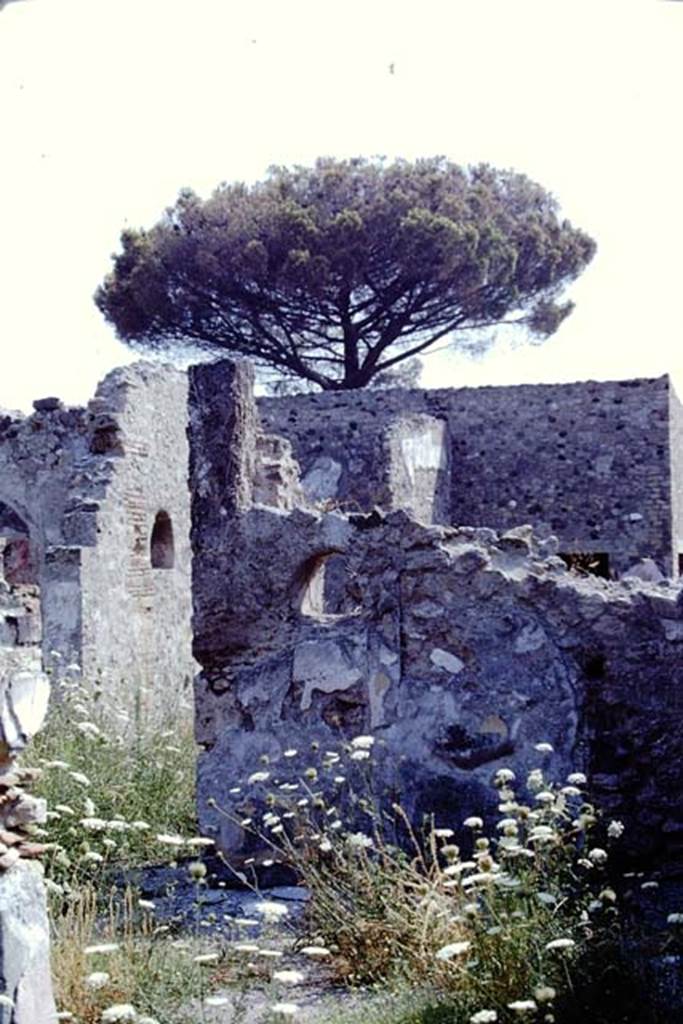
VIII.3.21 Pompeii. 1968. Looking east from room 2 to wall of room 3 with niche.
On the left is the north wall of room (4) with another niche. Photo by Stanley A. Jashemski.
Source: The Wilhelmina and Stanley A. Jashemski archive in the University of Maryland Library, Special Collections (See collection page) and made available under the Creative Commons Attribution-Non-Commercial License v.4. See Licence and use details.
J68f1181
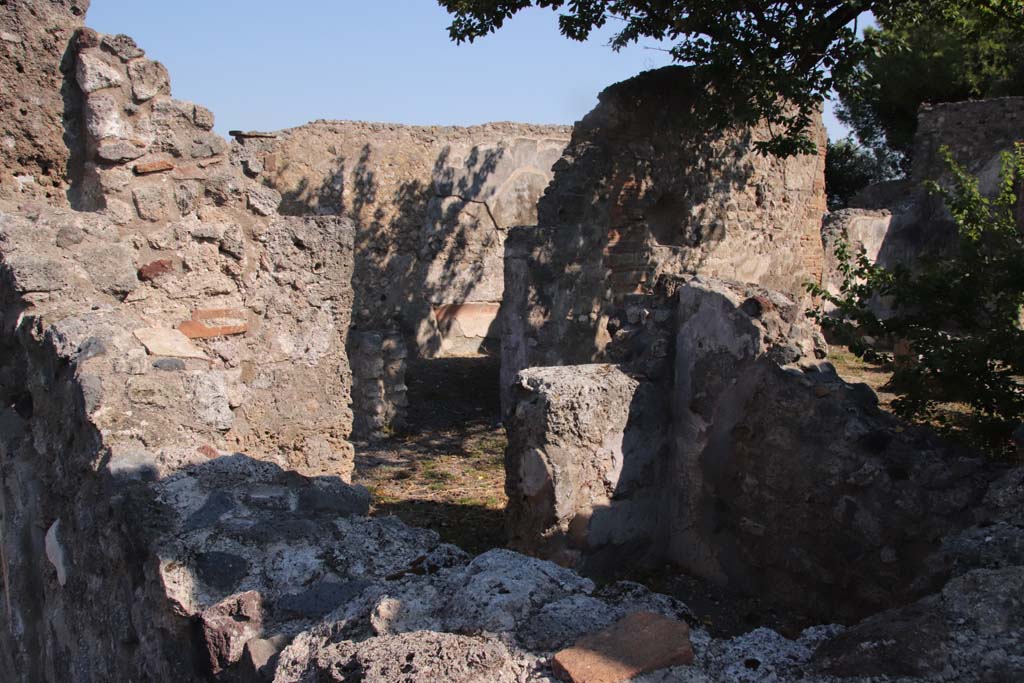
VIII.3.21 Pompeii. September 2021. Looking north-east to rear of house, through doorway and walls of room (3).
North wall of triclinium (6) can be seen in the centre through the doorway of room (3).
Room (4), with niche in its north wall but in
shadow, can be seen on the right. Photo courtesy of Klaus Heese.
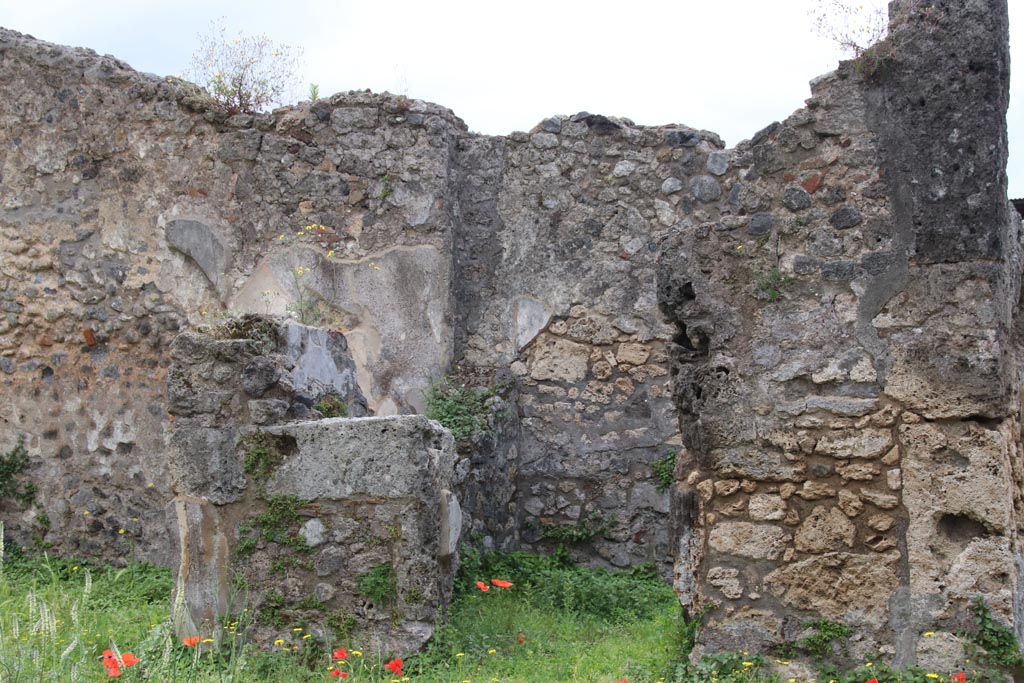
Looking
towards doorway into room (3) on south side of room (7), photo taken over wall
from VIII.3.24. Photo courtesy of Klaus Heese.
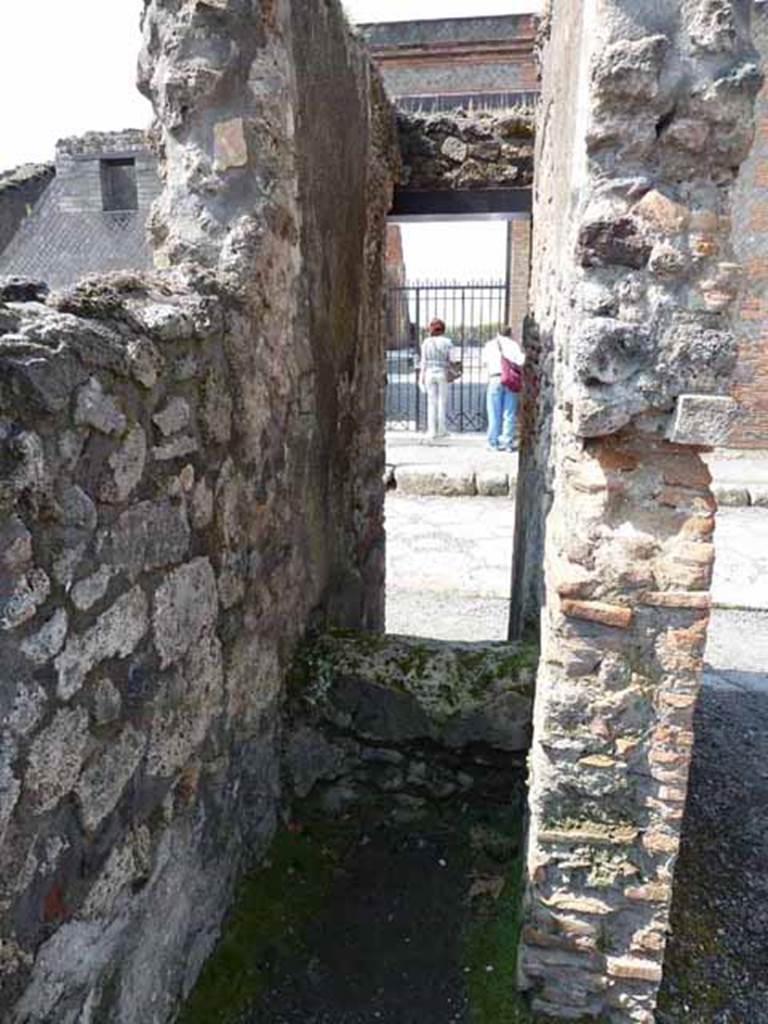
VIII.3.20 Pompeii. May 2010. Steps to upper floor, taken from inside VIII.3.21