VII.12.26 Pompeii. House of Cornelius Diadumenus.
Linked to VII.12.27. Excavated 1863. (Vico del Balcone Pensile 7)
![VII.12.26 Pompeii. December 2007. Entrance doorway. According to Della Corte, this house was assigned to L. Cornelius Diadumenus and to his freedman Communis, because of the seal/signet found here.
It read -
L. Corneli Diadumeni Com(munis) l(ibertus) [CIL X 8058, 24]
The house was not a big house, but it was noted for its painted walls.
See Della Corte, M., 1965. Case ed Abitanti di Pompei. Napoli: Fausto Fiorentino. (p.202 no. S31)](7%2012%2026_files/image003.jpg)
VII.12.26 Pompeii. December 2007. Entrance doorway.
According to Della Corte, this house was assigned to L. Cornelius Diadumenus and to his freedman Communis, because of the seal/signet found here.
It read -
L. Corneli
Diadumeni Com(munis) l(ibertus) [CIL X 8058,
24]
The house was not a big house, but it was noted for its painted walls.
See Della Corte, M., 1965. Case ed Abitanti di Pompei. Napoli: Fausto Fiorentino, (p.202 no. S31).
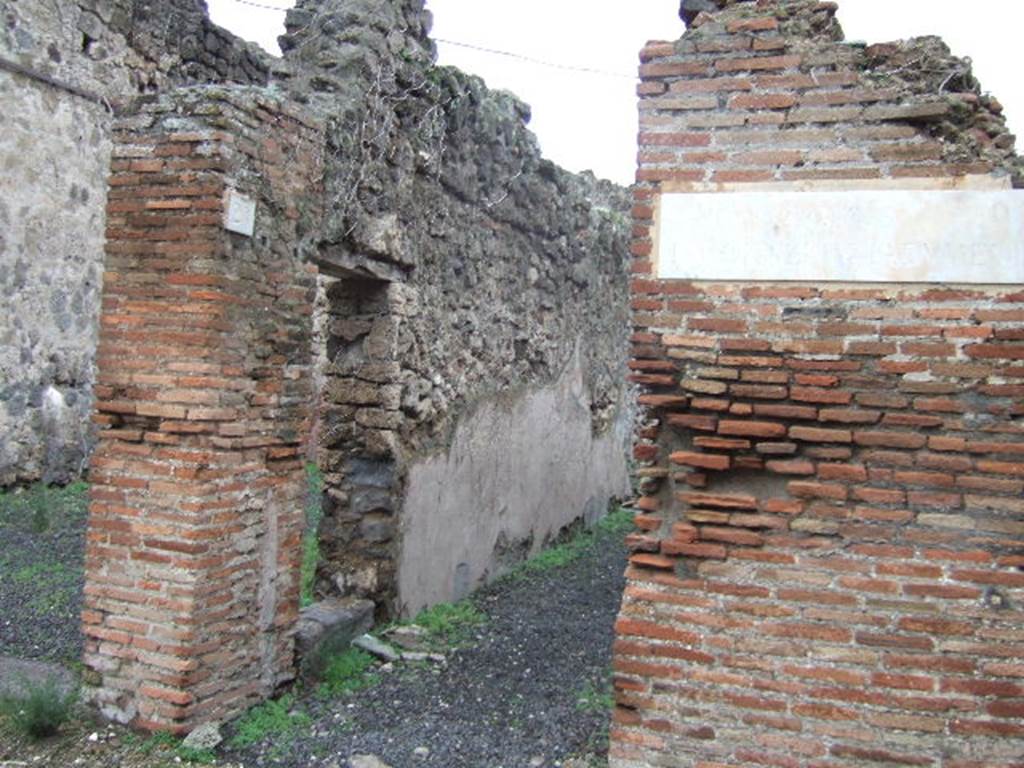
VII.12.26 Pompeii. December 2004. Entrance corridor, and doorway to shop at VII.12.27, on left.
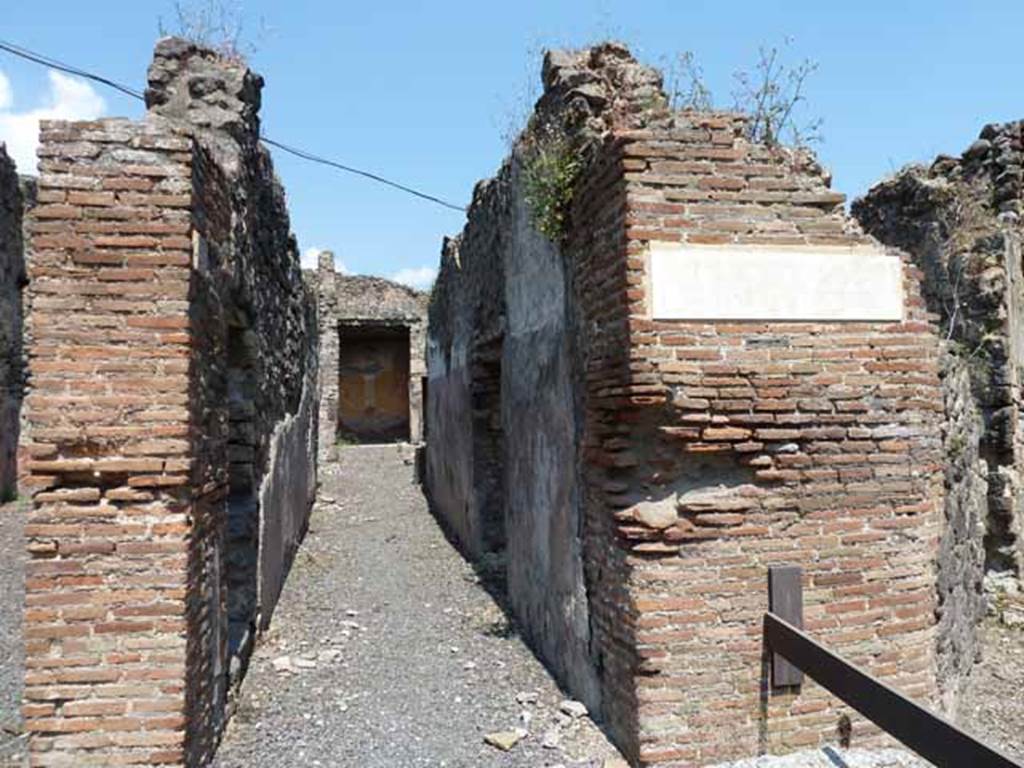
VII.12.26 Pompeii. May 2010. Entrance corridor, looking north to area of small garden.
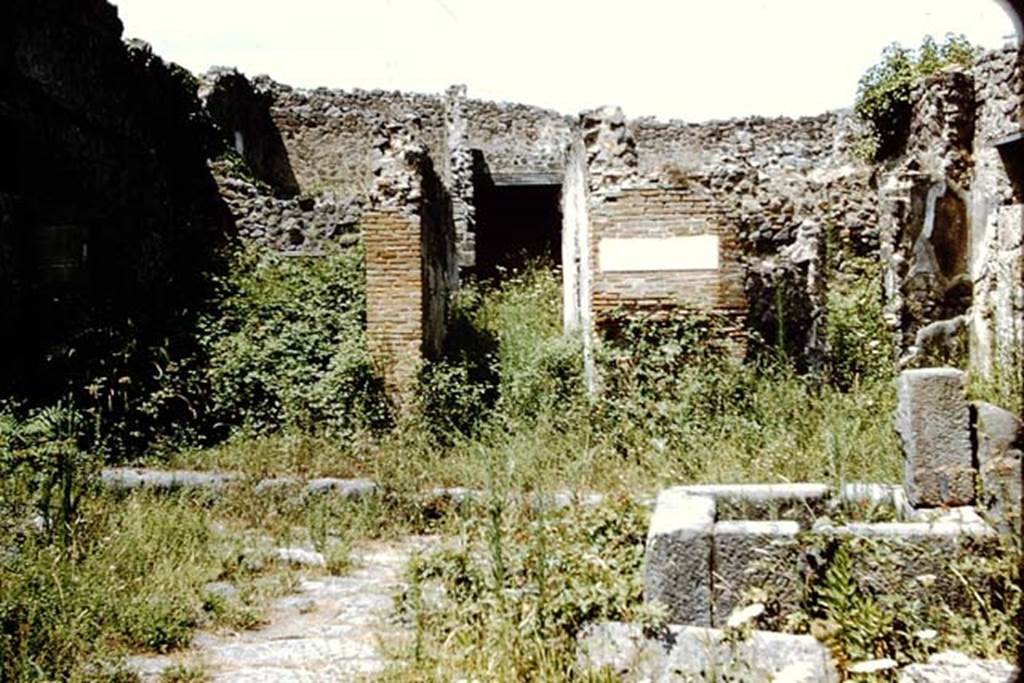
VII.12.26 Pompeii. 1959. Entrance corridor in centre, with VII.12.27 on left. Photo by Stanley A. Jashemski.
Source: The Wilhelmina and Stanley A. Jashemski archive in the University of Maryland Library, Special Collections (See collection page) and made available under the Creative Commons Attribution-Non-Commercial License v.4. See Licence and use details.
J59f0385
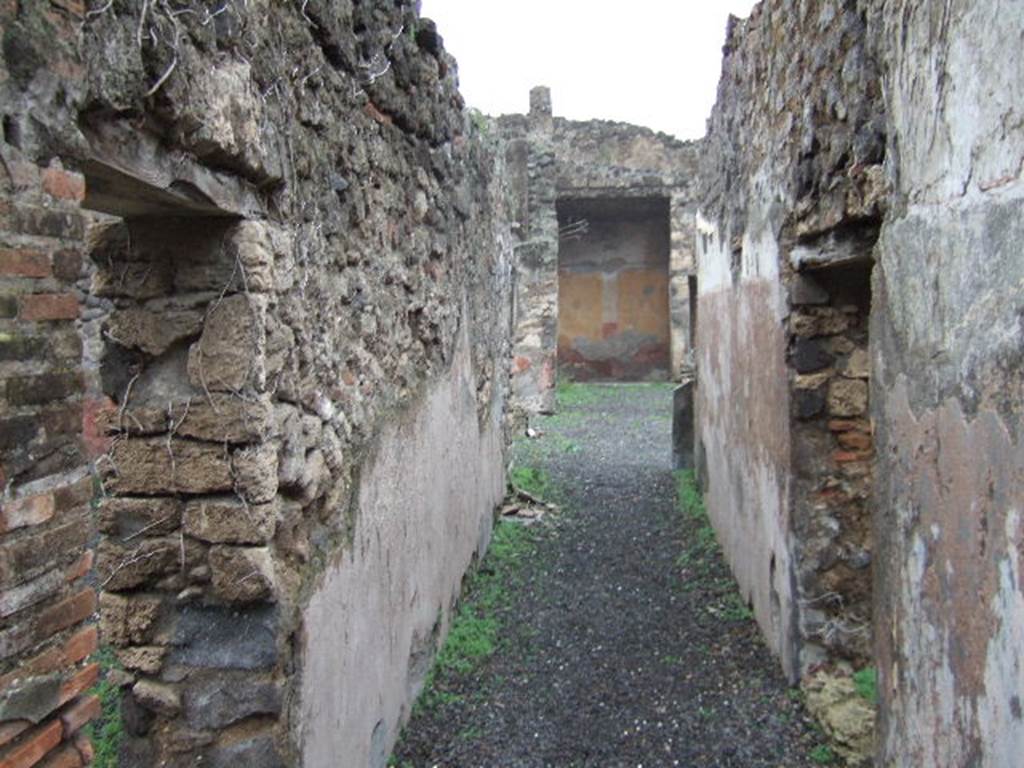
VII.12.26 Pompeii. December 2005. Fauces leading to small garden area at front of house.
According to Jashemski, the garden at the front of the house was reached by a long corridor.
It was enclosed on the north and east by a portico.
This was supported by two columns and one engaged column which were joined by a low masonry wall.
It had an entrance to the garden on both the north and east sides.
According to Fiorelli, half the garden was cultivated, half of it was paved to provide a passageway to the portico.
The triclinium on the north side had a fine view of the garden.
A large window in the south wall of the garden gave light to the shop on the other side.
See Jashemski, W. F., 1993. The Gardens of Pompeii, Volume II: Appendices. New York: Caratzas. (p.196)
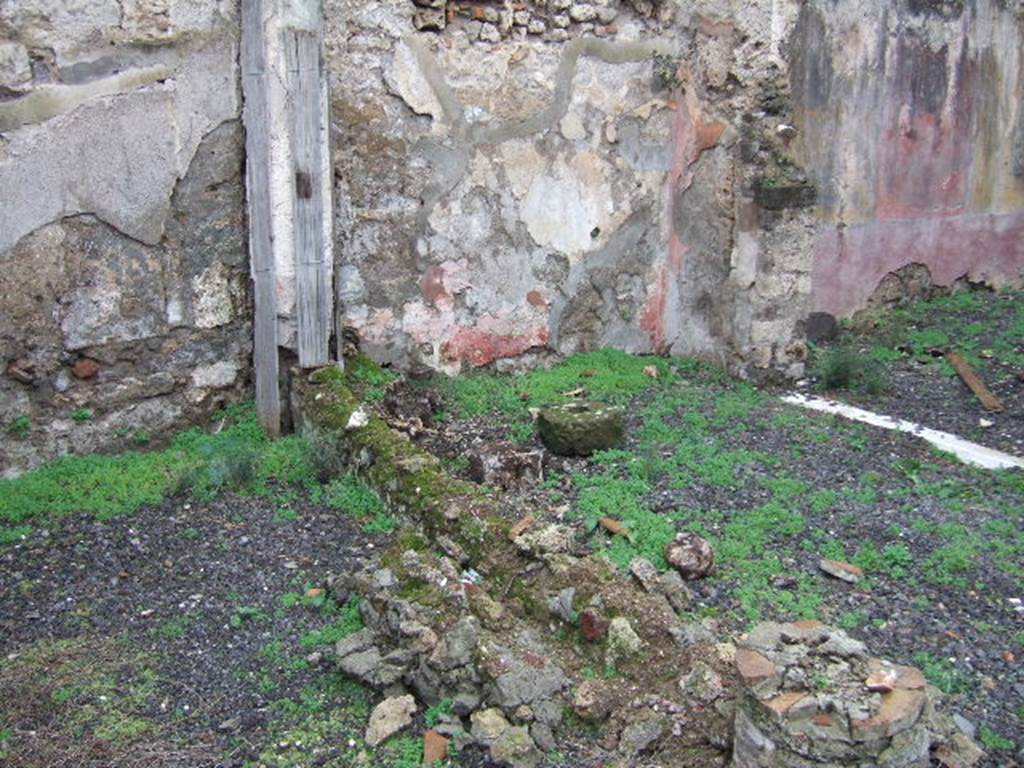
VII.12.26 Pompeii. December 2005. West wall of garden area, north portico and doorway to triclinium.
According to Boyce, there was a lararium painting on the west end of the north portico done on a white background.
The Genius stood in the centre, with a Lar on either side. Below them, two serpents were approaching an altar.
See Boyce G. K., 1937. Corpus of the Lararia of Pompeii. Rome: MAAR 14. (p.71, No.321).
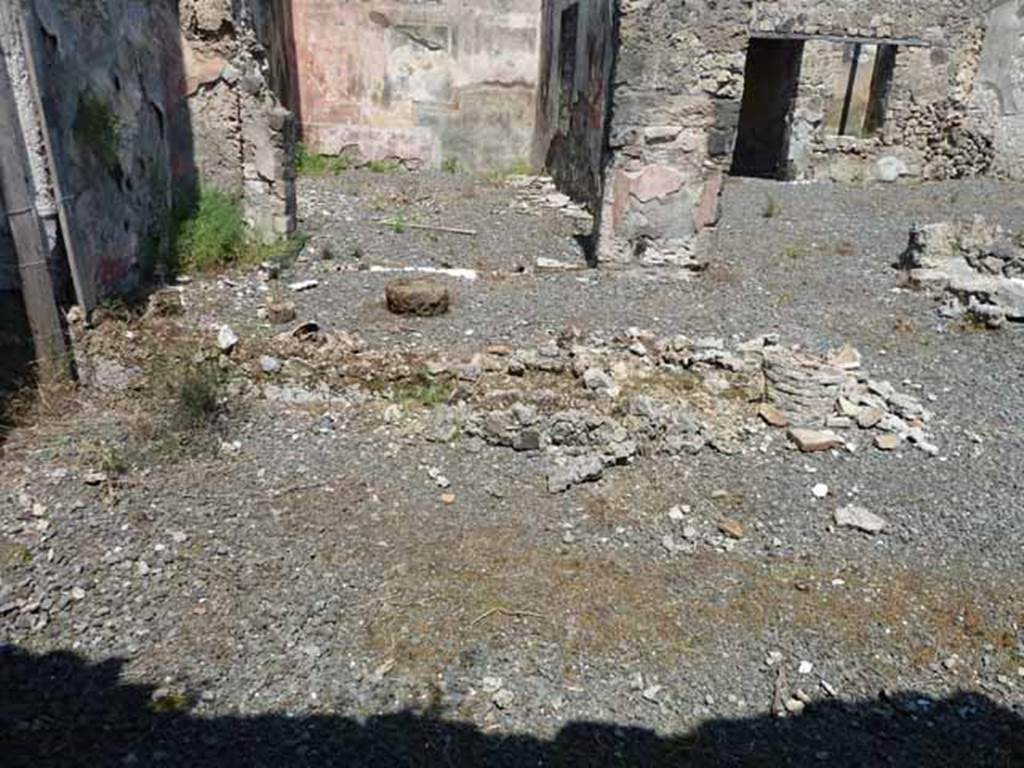
VII.12.26 Pompeii. May 2010. Small garden area on south side of triclinium.
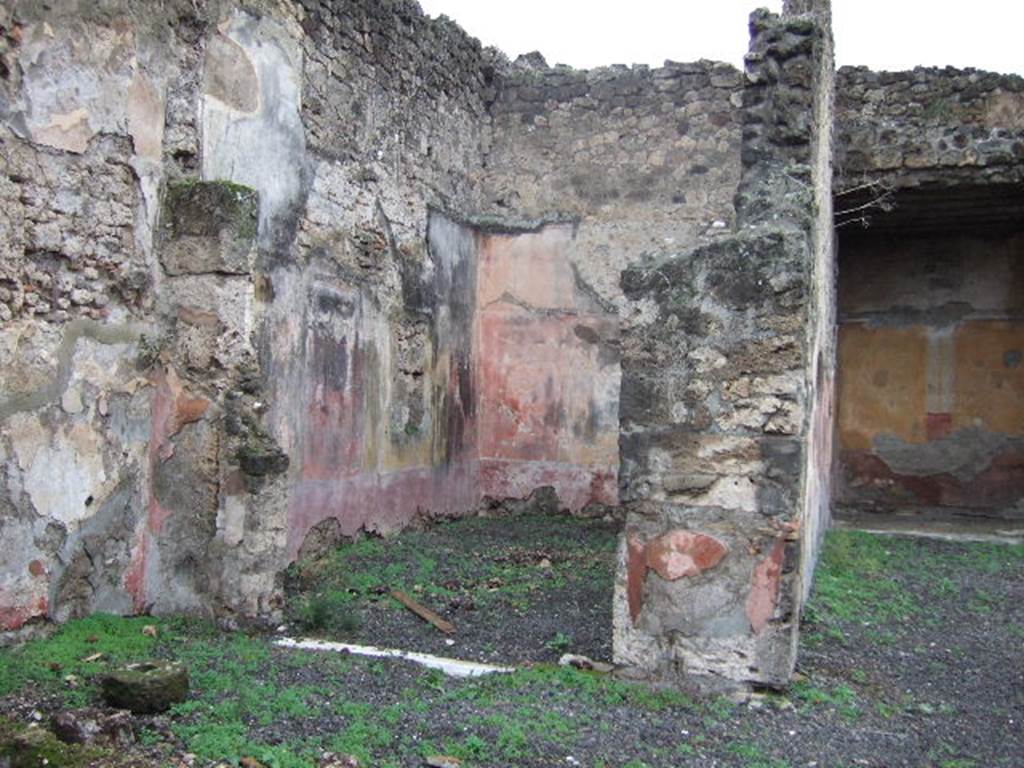
VII.12.26 Pompeii. December 2005. Triclinium in north-west corner of north portico.
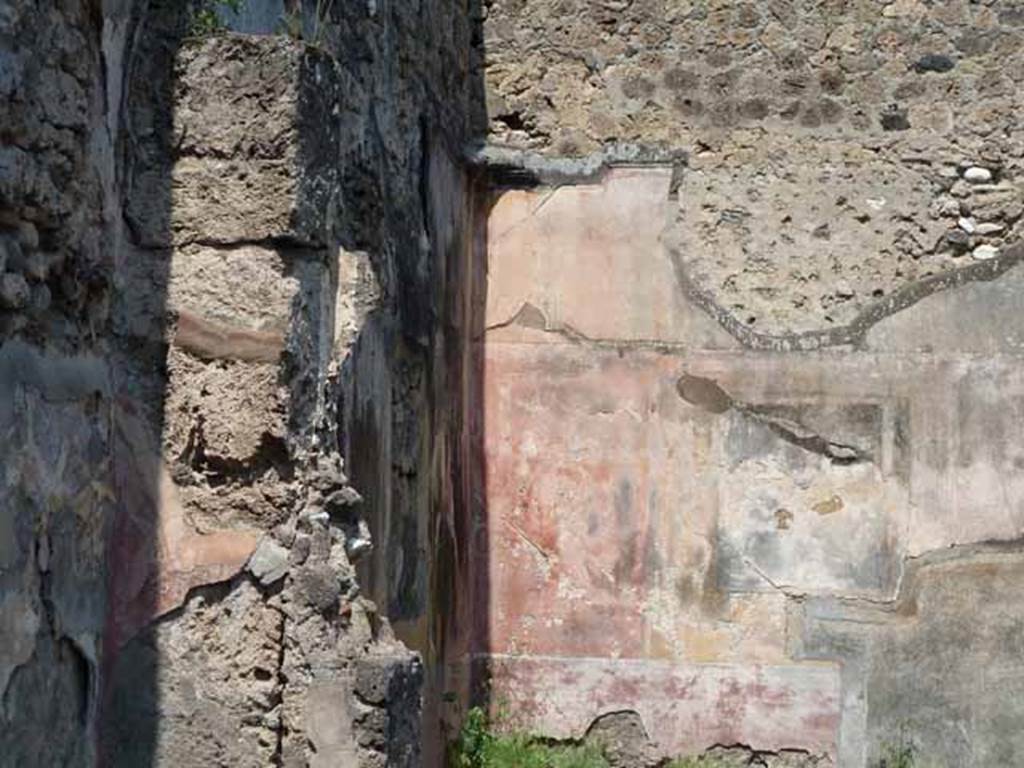
VII.12.26 Pompeii. May 2010. West wall of triclinium, north-west corner and north wall.
The zoccolo was red with central panel, and two side panels with painted plants.
The central painting, before being cut out, was on a yellow background. The side panels were red.
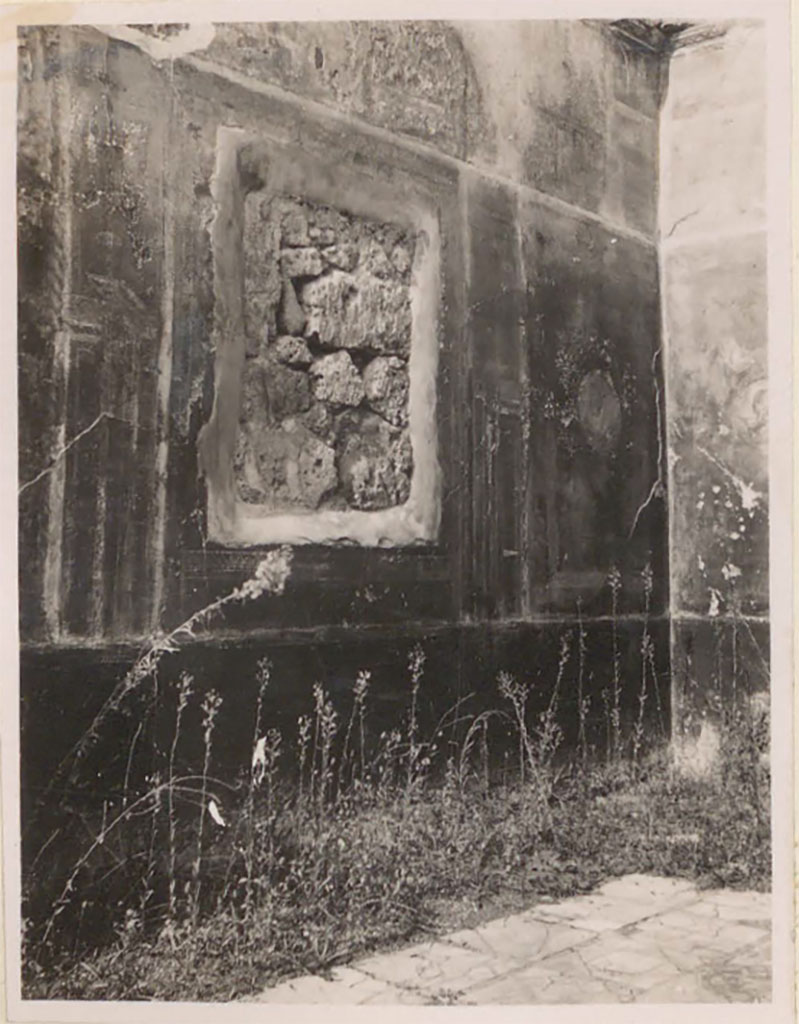
VII.12.26 Pompeii. Pre-1942. Looking towards west wall of triclinium and recess remaining after the painting was cut out.
See Warscher, T.
1942. Catalogo illustrato degli affreschi del Museo Nazionale di Napoli.
Sala LXXX. Vol.2. Rome, Swedish Institute.
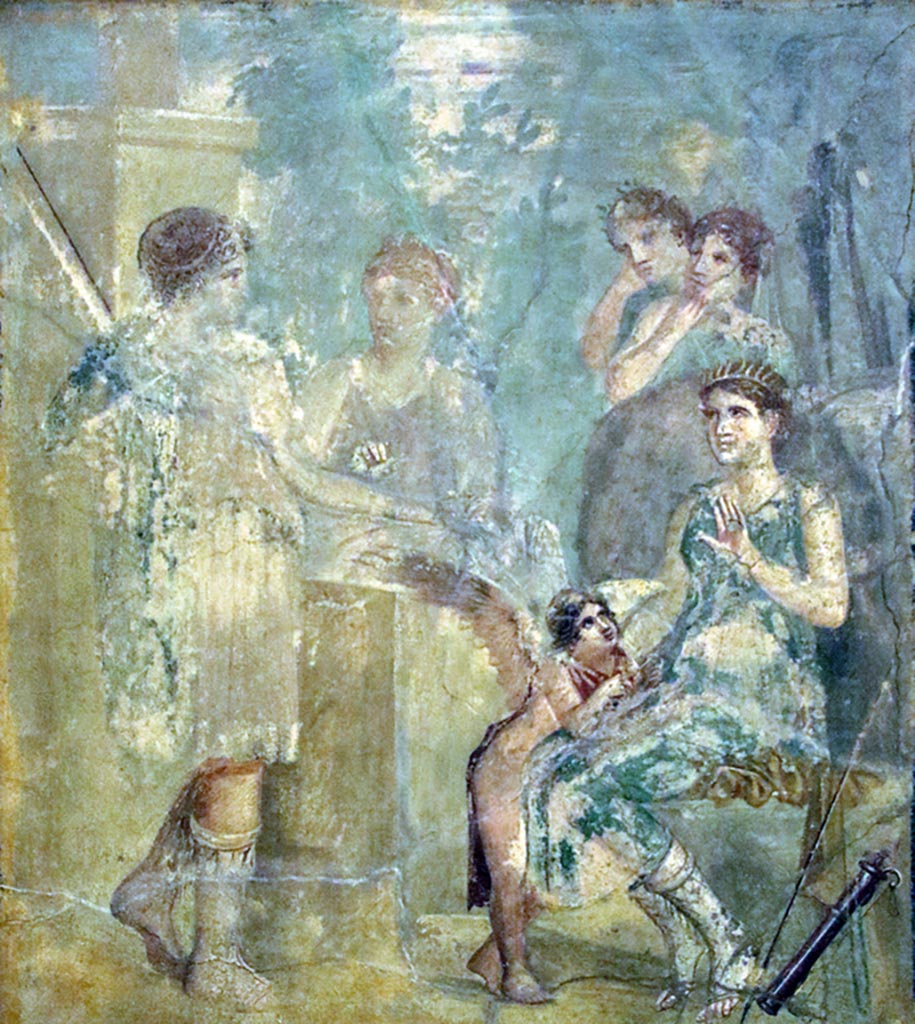
VII.12.26 Pompeii. Found on west wall in triclinium room on left hand side behind atrium.
Wall painting of Artemis, seated, turning towards the nymph Callisto.
Now in Naples Archaeological Museum. Inventory number 111441.
Photo courtesy of Giuseppe Ciaramella taken December 2019.
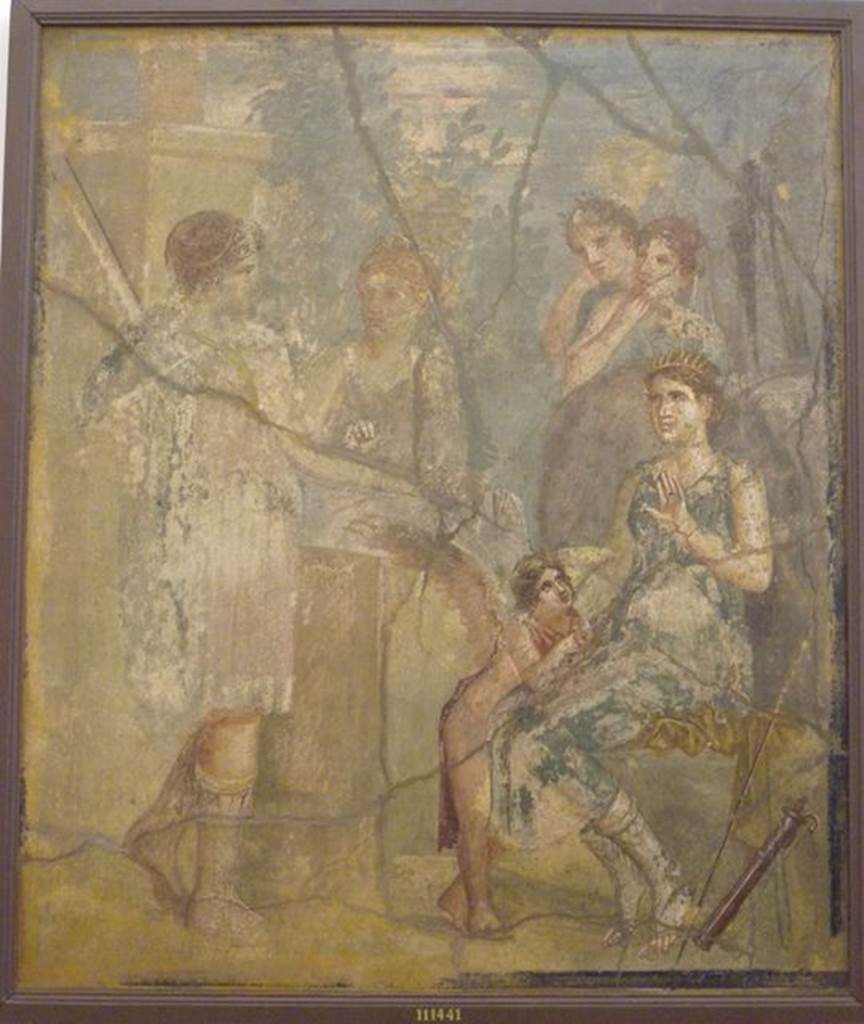
VII.12.26 Pompeii. Found on west wall in triclinium room on left hand side behind atrium.
Wall painting of Artemis, seated, turning towards the nymph Callisto.
Now in Naples Archaeological Museum. Inventory number 111441.
See Helbig, W., 1868. Wandgemälde der vom Vesuv verschütteten Städte Campaniens. Leipzig: Breitkopf und Härtel. (253).
According to Richardson, he thought this may have been a painting of Aeneas and Dido?
He wrote that a wall painting of Theseus abandoning Ariadne was also found in this room.
Also found was a medallion with head of a Satyr, and medallions with busts.
See Richardson, L., 2000. A Catalog of Identifiable Figure Painters of Ancient Pompeii, Herculaneum. Baltimore: John Hopkins. (p.146)
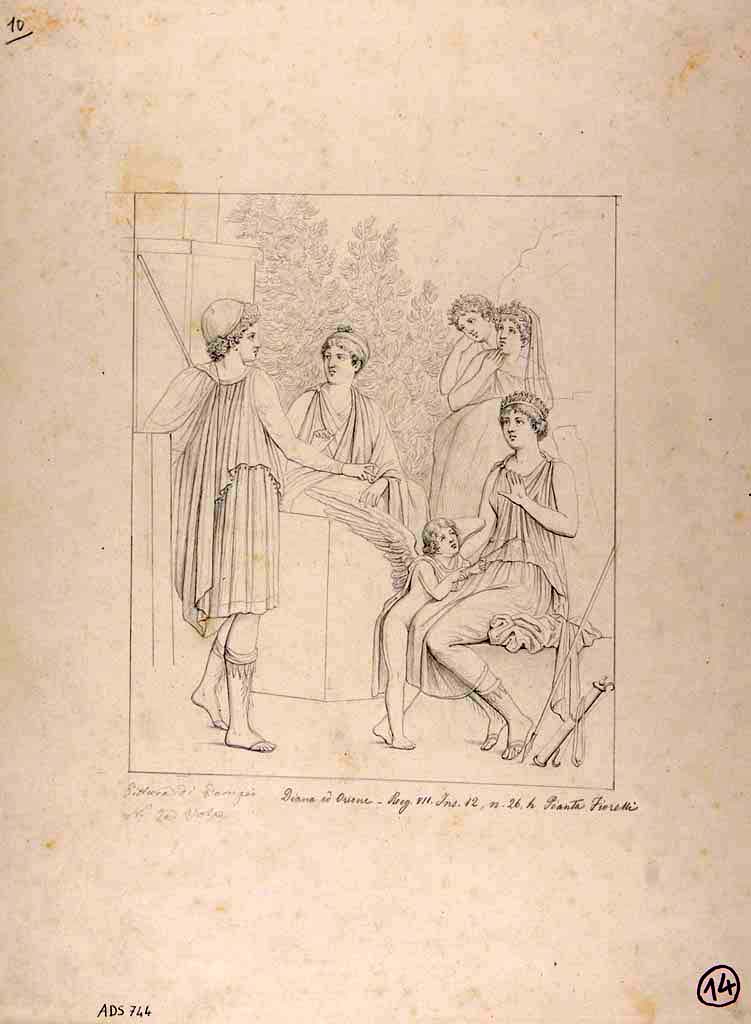
VII.12.26 Pompeii.
Drawing by Nicola La Volpe, of painting of Artemis and Callisto from the central panel of the west wall of triclinium.
Now in Naples Archaeological Museum. Inventory number ADS 744.
Photo © ICCD. https://www.catalogo.beniculturali.it/
Utilizzabili alle
condizioni della licenza Attribuzione - Non commerciale - Condividi
allo stesso modo 2.5 Italia (CC BY-NC-SA 2.5 IT)
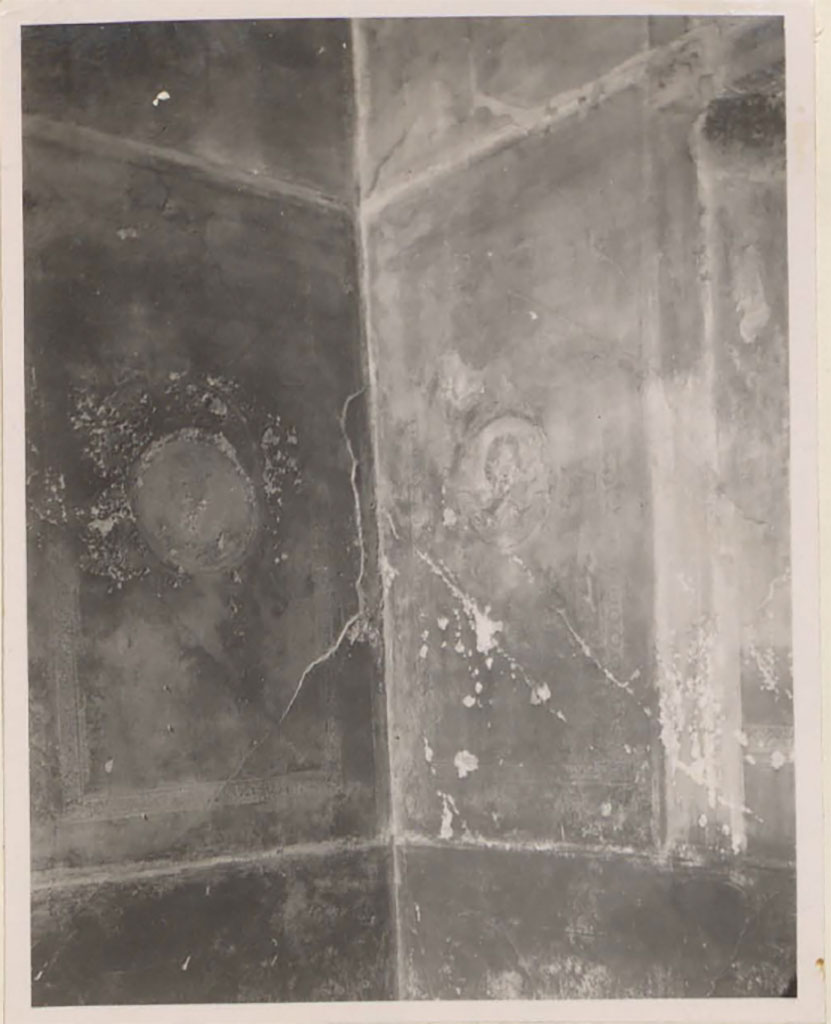
VII.12.26 Pompeii. Pre-1942. Looking towards north-west corner of triclinium with medallions in centre of panels.
See Warscher, T.
1942. Catalogo illustrato degli affreschi del Museo Nazionale di Napoli.
Sala LXXX. Vol.2. Rome, Swedish Institute.
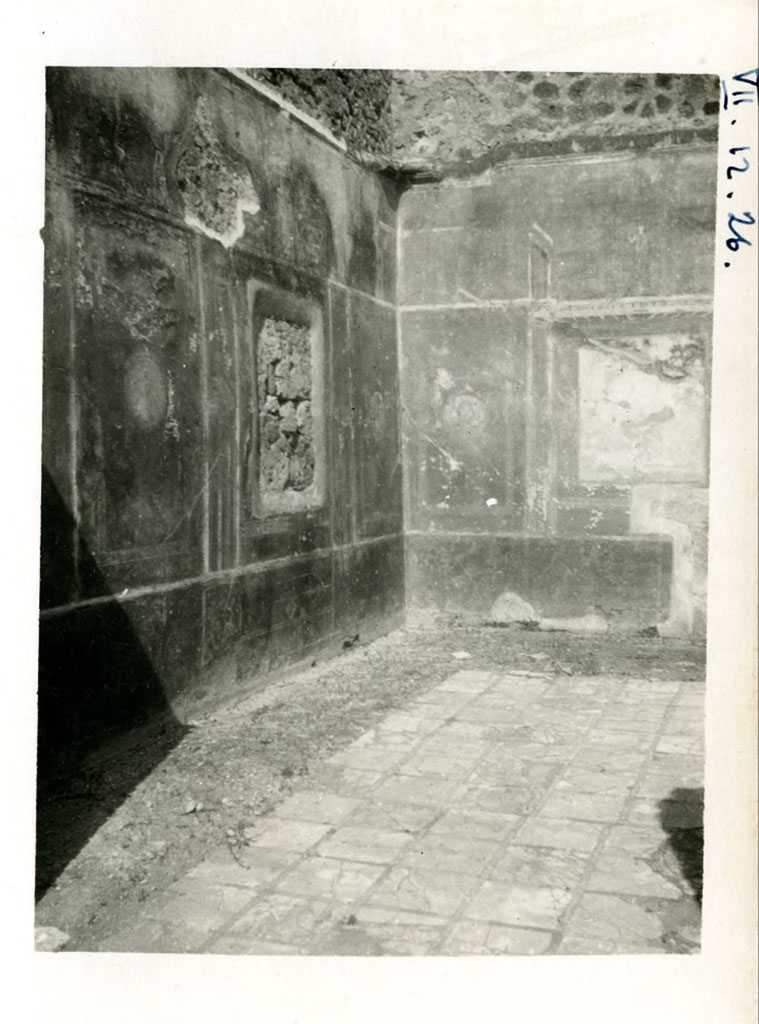
Triclinium in north-west corner of north portico. West wall (left) and north wall (right).
American Academy in Rome Warsher collection 506.
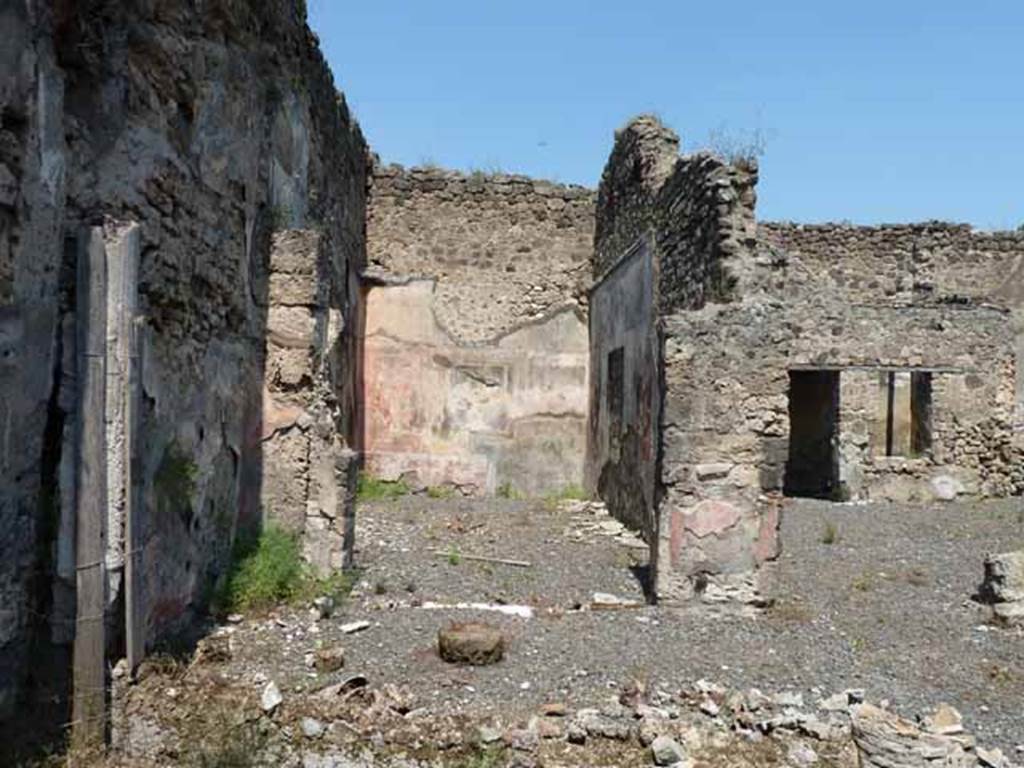
VII.12.26 Pompeii. May 2010. Looking towards north wall of triclinium, from garden area.
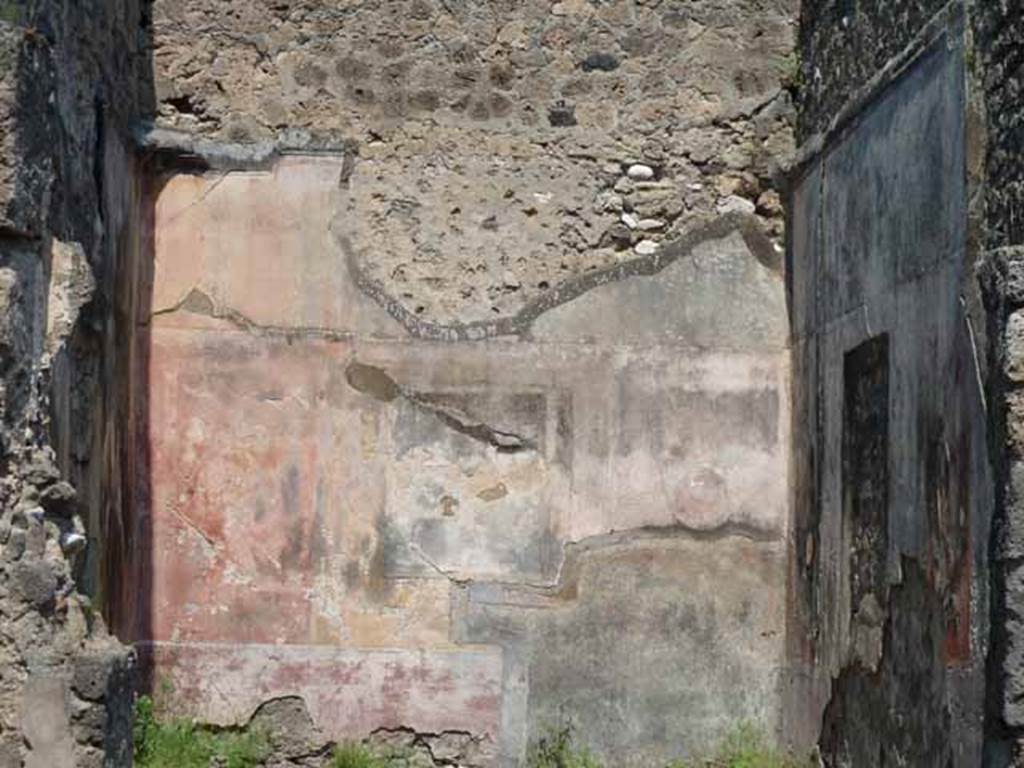
VII.12.26 Pompeii. May 2010. North wall of triclinium, with remains of wall painting.
According to Breton, found on the wall at the back, would have been Ariadne abandoned.
See Breton, Ernest. 1870. Pompeia, Guide de visite a Pompei, 3rd ed. Paris, Guerin.

VII.12.26,
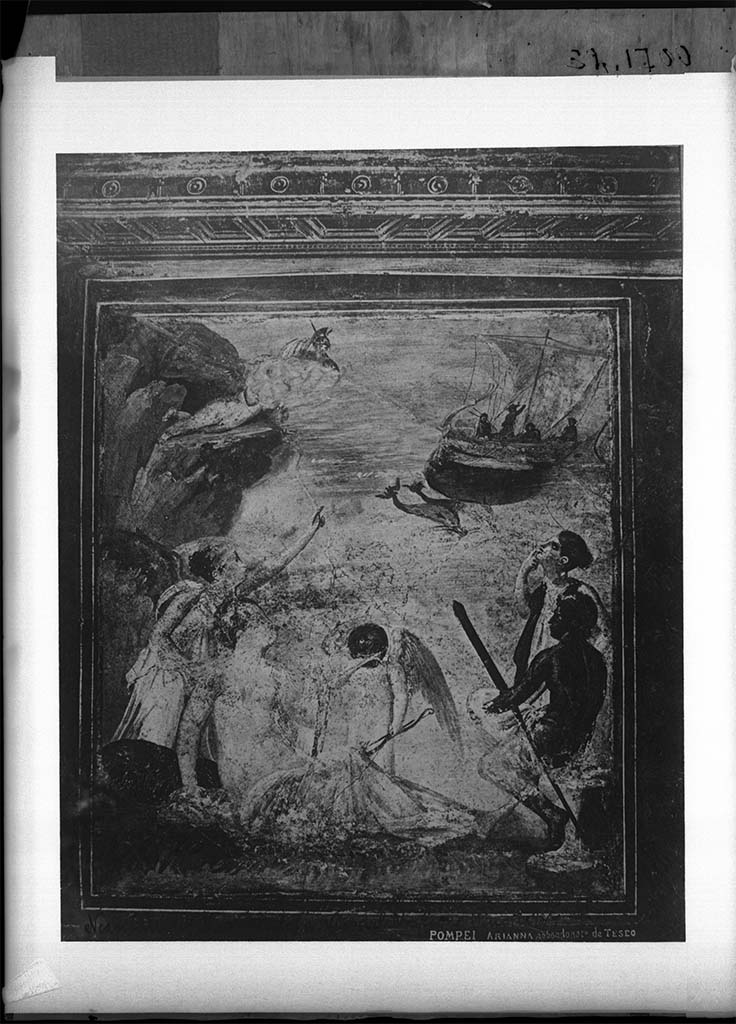
Pompeii. c.1930. Looking north across triclinium flooring.
Blake
described this type of flooring as a Sectile pavement with border-strips of
contrasting material.
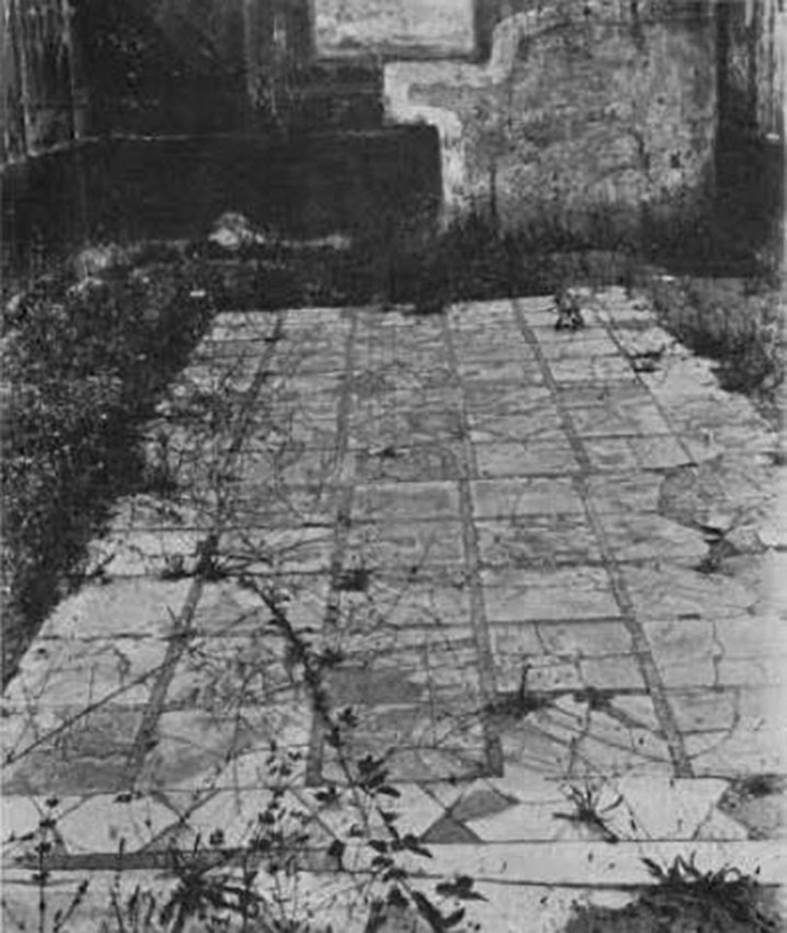
VII.12.26 Pompeii. Undated photo of north wall. Triclinium in north-west corner of north portico with painting of Ariadne abandoned.
Two medallion portraits are in the side panels and the statue of Ares in the upper part.
See Carratelli, G. P., 1990-2003. Pompei: Pitture e Mosaici: Vol. VII. Roma: Istituto della enciclopedia italiana, p. 571.
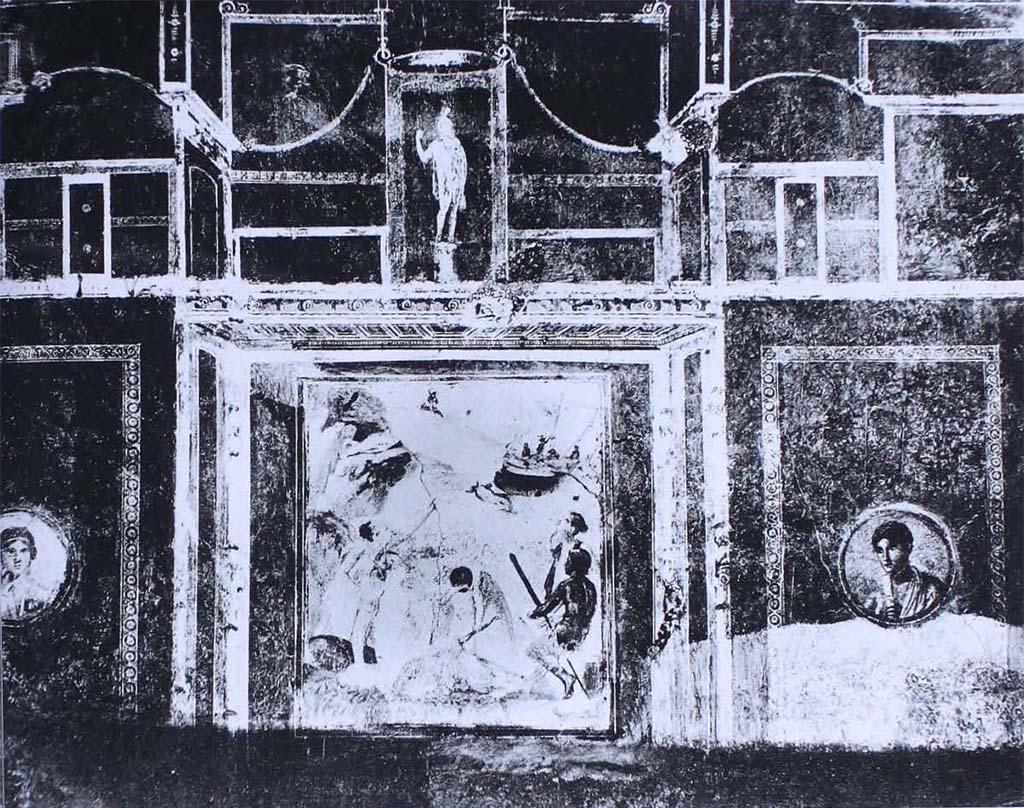
VII.12.26 Pompeii.
Drawing by Nicola La Volpe, of painting of Ariadne abandoned, now faded and lost, which would have been seen on the north wall of triclinium.
Now in Naples Archaeological Museum. Inventory number ADS 743.
Photo © ICCD. https://www.catalogo.beniculturali.it/
Utilizzabili alle
condizioni della licenza Attribuzione - Non commerciale - Condividi
allo stesso modo 2.5 Italia (CC BY-NC-SA 2.5 IT)
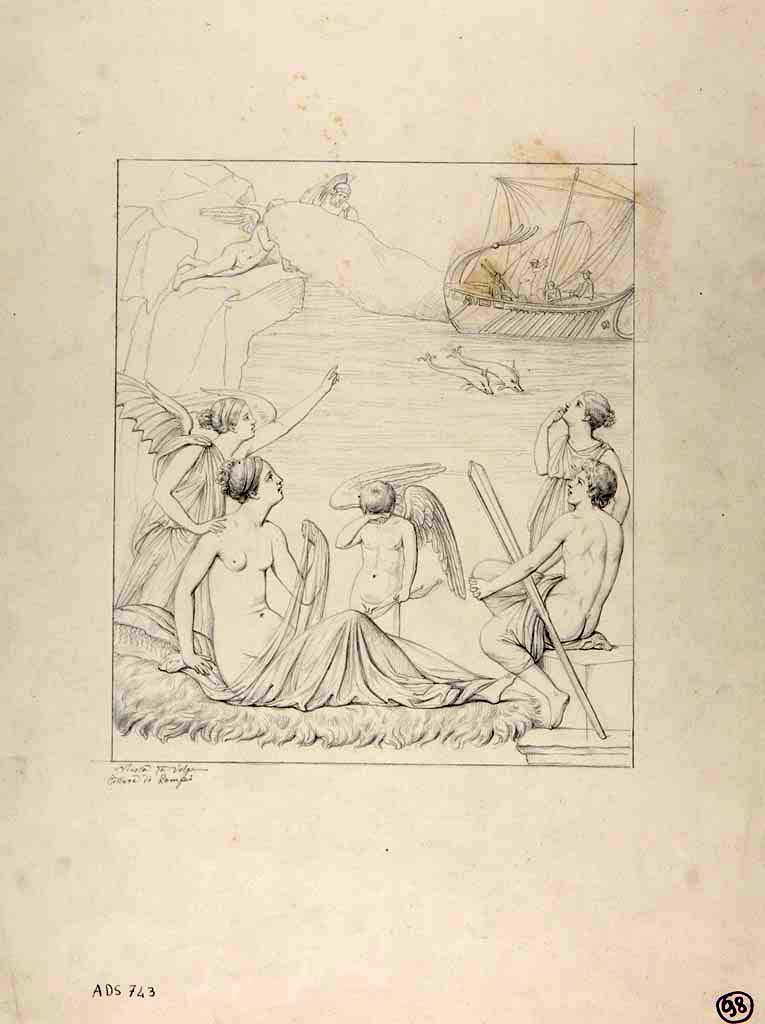
VII.12.26 Pompeii. North wall of triclinium. Ariadne abandoned by Theseus.
DAIR 32.1700. Photo
© Deutsches Archäologisches Institut, Abteilung Rom, Arkiv.
VII.12.26 Pompeii. Pre-1942. Looking towards north-east corner of triclinium with medallions in centre of panels.
See Warscher, T.
1942. Catalogo illustrato degli affreschi del Museo Nazionale di Napoli.
Sala LXXX. Vol.2. Rome, Swedish Institute

VII.12.26 Pompeii. May 2010. East wall of triclinium.
This wall would have had a red zoccolo with panels separated by narrow panels with painted plants.
The middle of the wall would have had an aedicula with yellow background in the centre, where the central painting was taken from, and red side panels with medallions.
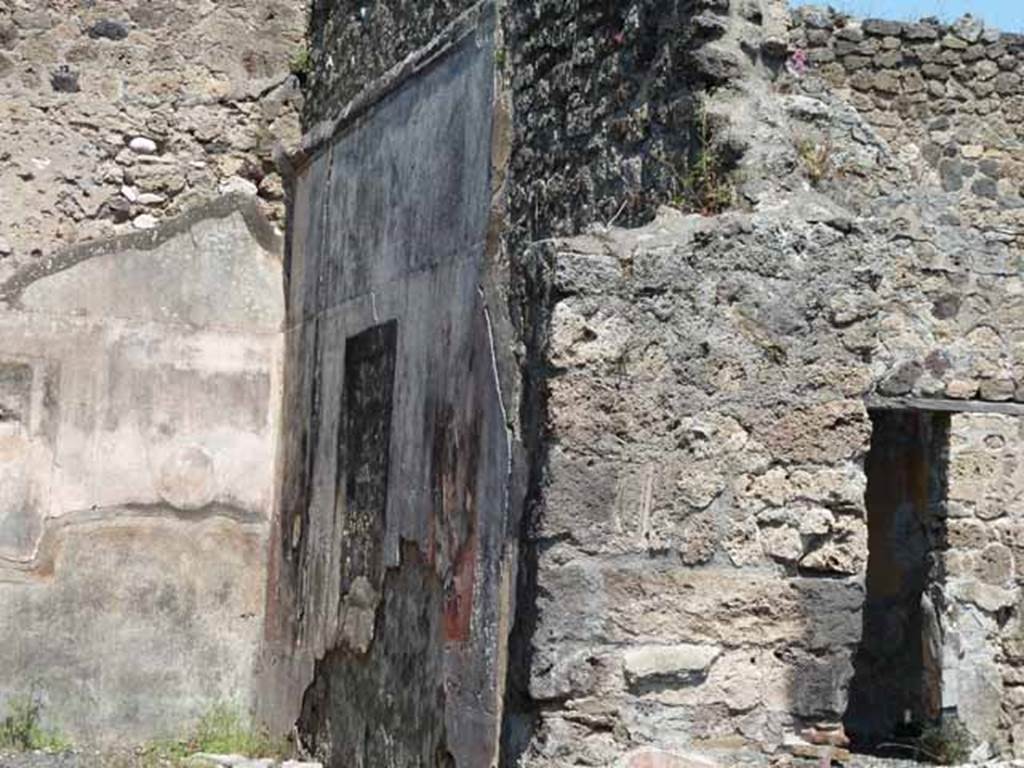
VII.12.26 Pompeii. Pre-1942.
Looking towards east wall of triclinium and recess remaining after the painting was cut out.
See Warscher, T.
1942. Catalogo illustrato degli affreschi del Museo Nazionale di Napoli.
Sala LXXX. Vol.2. Rome, Swedish Institute.

VII.12.26 Pompeii. Found on east wall in triclinium room on left hand side behind atrium.
Wall painting of Aphrodite and a nest of cupids.
Now in Naples Archaeological Museum. Inventory number 111437.
See Helbig, W., 1868. Wandgemälde der vom Vesuv verschütteten Städte Campaniens. Leipzig: Breitkopf und Härtel. (823).
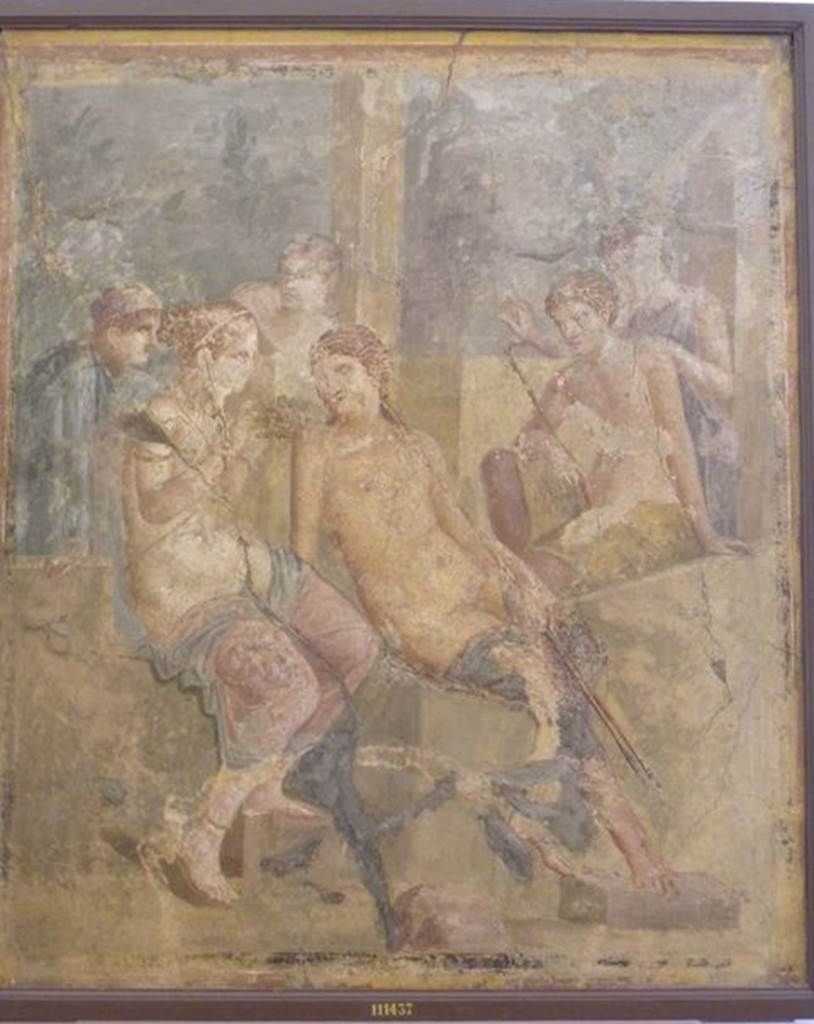
VII.12.26 Pompeii. From an album by
Roberto Rive dated 1868.
Room 12, detail of painting of Venus giving some Cupids to Adonis, from centre of north wall.
This would seem to show the painting MANN 111437 but still in situ.
Photo courtesy of Rick Bauer.
A similar painting can be found in situ in VI.8.3/5.
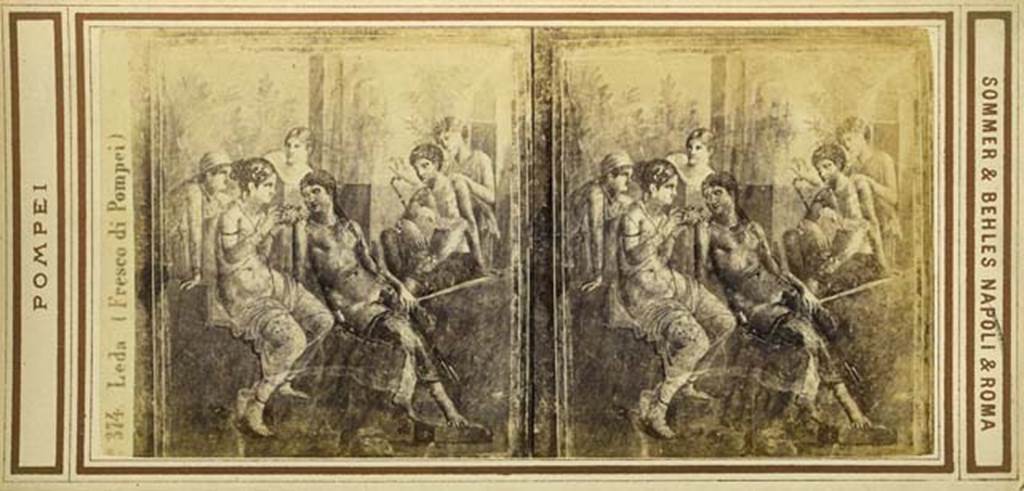
VII.12.26 Pompeii. Stereoview by Sommer and Behles, c.1860-1870 showing Aphrodite and a nest of cupids.
Now in Naples Archaeological Museum.
Wrongly described on the stereoview as “Leda”. Photo courtesy of Rick Bauer.
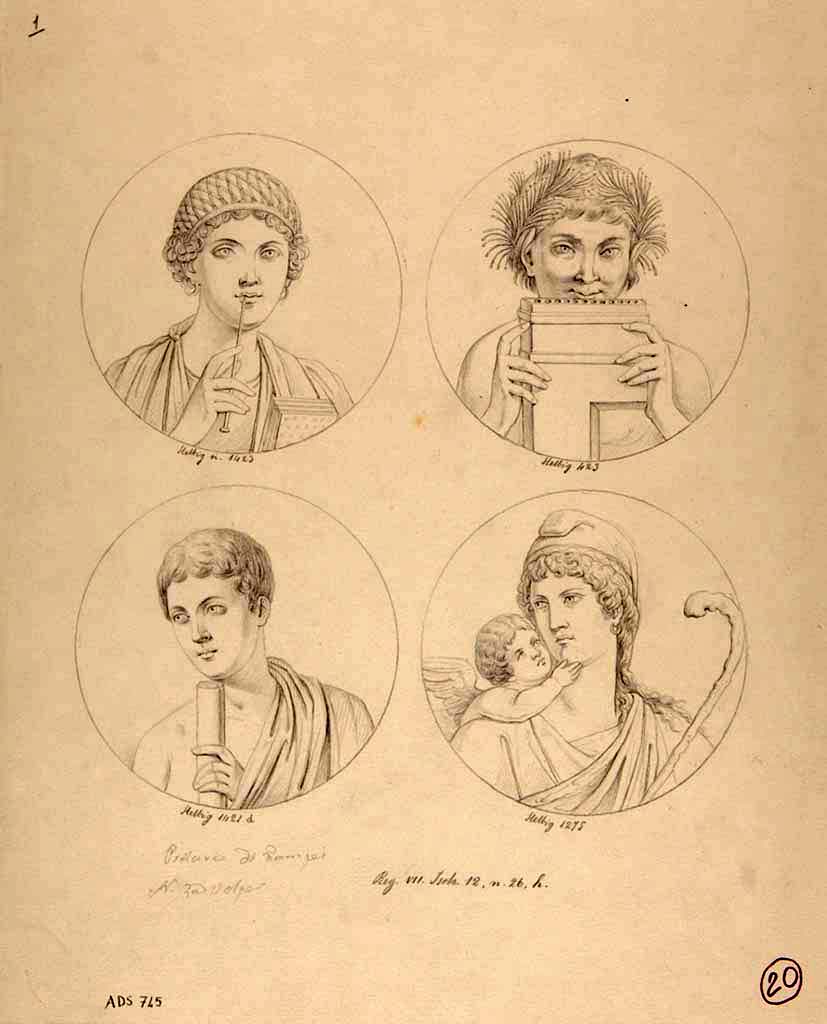
VII.12.26 Pompeii. Drawing by Nicola La Volpe of painted medallions found as wall decorations in triclinium.
All remained in situ and are all now faded and destroyed.
Top left – Head of a young girl with stylus, from west end of north wall, (Helbig 1423)
Top right - Satyr playing the pipes, from north end of east wall, (Helbig 423)
Below left – Head of a young man with a scroll, from east end of north wall, (Helbig 1420b).
Below right - Paris and cupid, from south end of east wall. (Helbig 1275)
See Helbig, W.,
1868. Wandgemälde der vom Vesuv verschütteten Städte Campaniens. Leipzig: Breitkopf und Härtel.
Now in Naples
Archaeological Museum. Inventory number ADS 745.
Photo © ICCD. http://www.catalogo.beniculturali.it
Utilizzabili alle
condizioni della licenza Attribuzione - Non commerciale - Condividi
allo stesso modo 2.5 Italia (CC BY-NC-SA 2.5 IT)
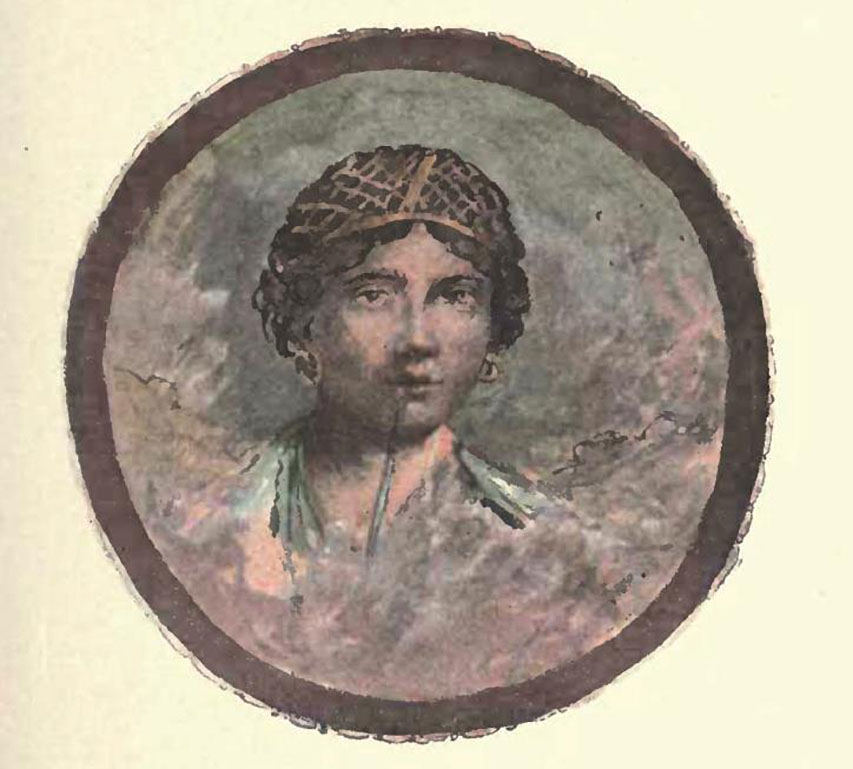
VII.12.26 Pompeii. Triclinium, painting by Pierre Gusman showing the head of a young girl with stylus.
This would have been seen on the west end of the north wall.
See Gusman, P. (1900). Pompei, the city, its life and art. London, William Heinemann. (pl.6).
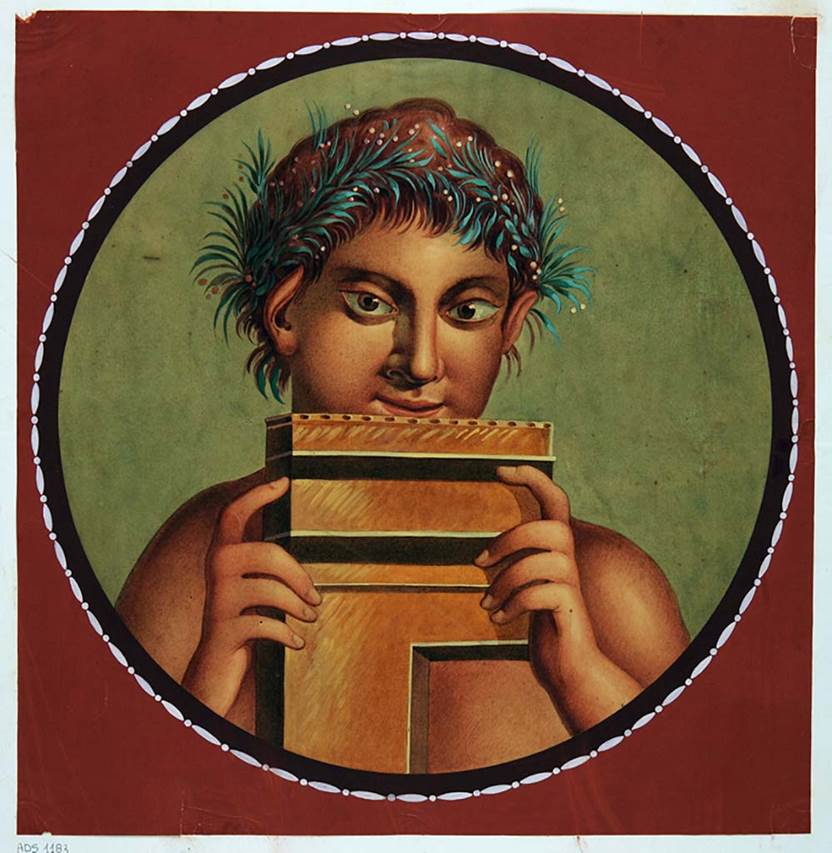
VII.12.26 Pompeii. Anonymous painting of medallion of Satyr playing the pipes.
Now in Naples Archaeological Museum. Inventory number ADS 1183.
Photo © ICCD. https://www.catalogo.beniculturali.it/
Utilizzabili alle
condizioni della licenza Attribuzione - Non commerciale - Condividi
allo stesso modo 2.5 Italia (CC BY-NC-SA 2.5 IT)
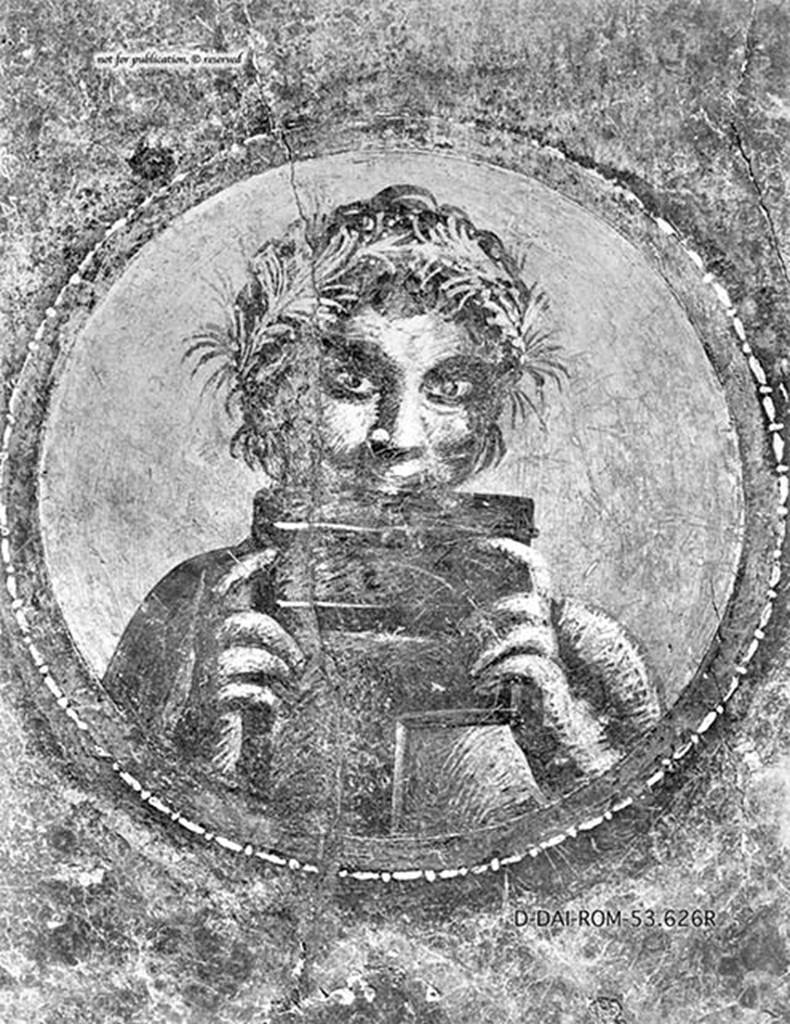
VII.12.26 Pompeii. Triclinium. Satyr playing a syrinx.
DAIR 53.626.
Photo © Deutsches Archäologisches Institut, Abteilung Rom, Arkiv.
See http://arachne.uni-koeln.de/item/marbilder/3784070
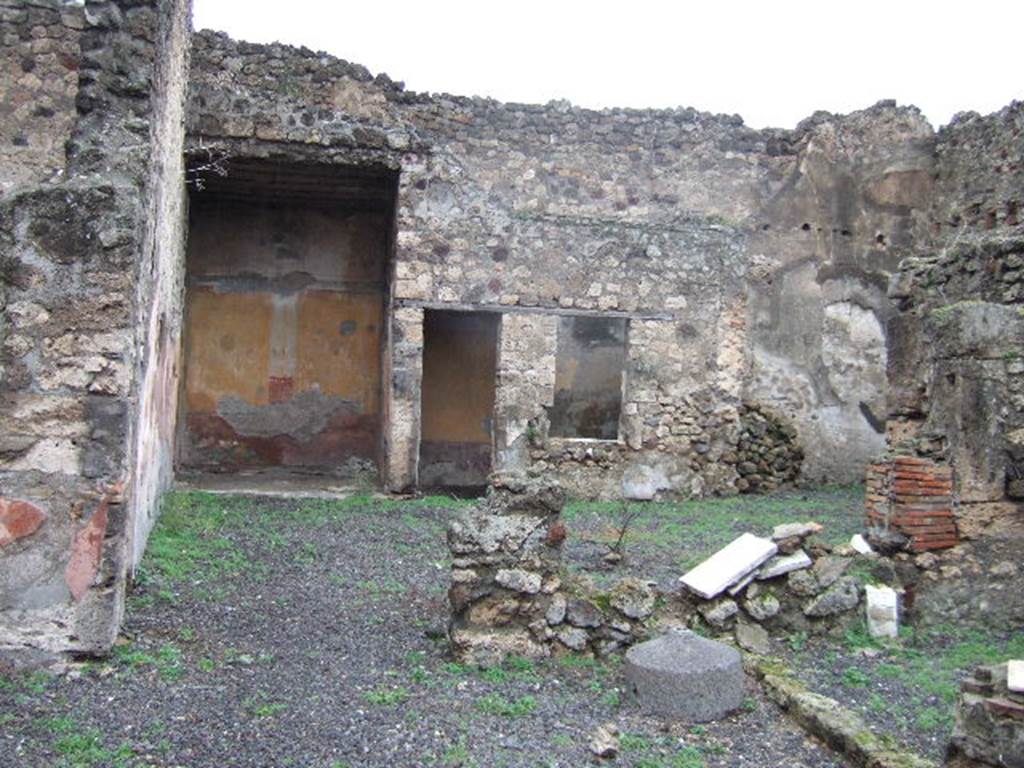
VII.12.26 Pompeii. December 2005. Looking north from portico area, to rear.
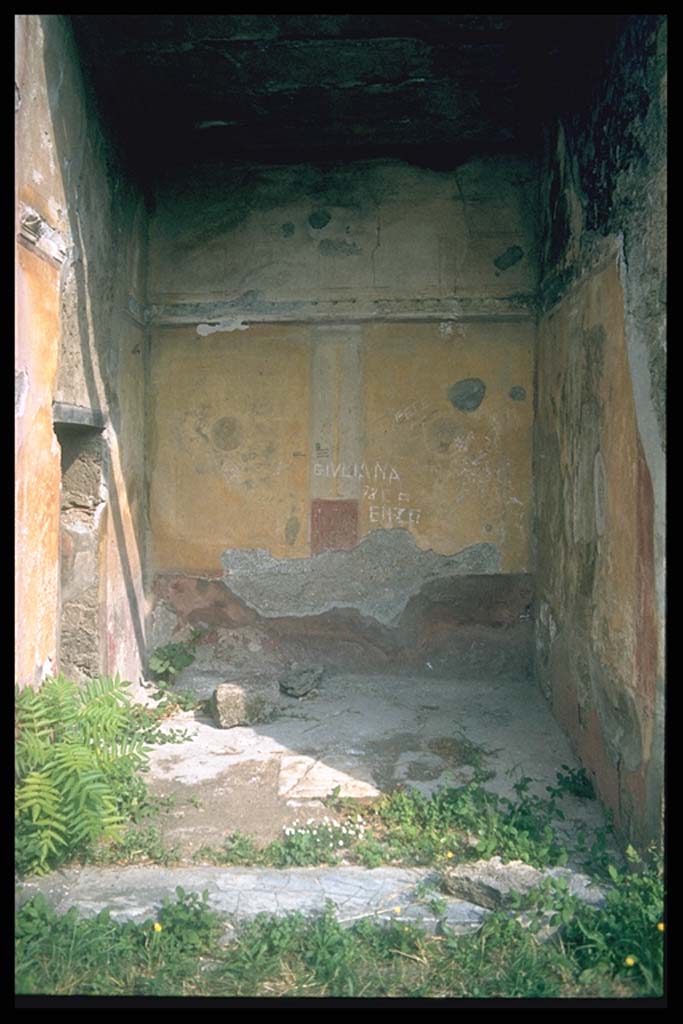
VII.12.26 Pompeii. Room at rear of portico.
Photographed 1970-79 by Günther Einhorn, picture courtesy of his son Ralf Einhorn.
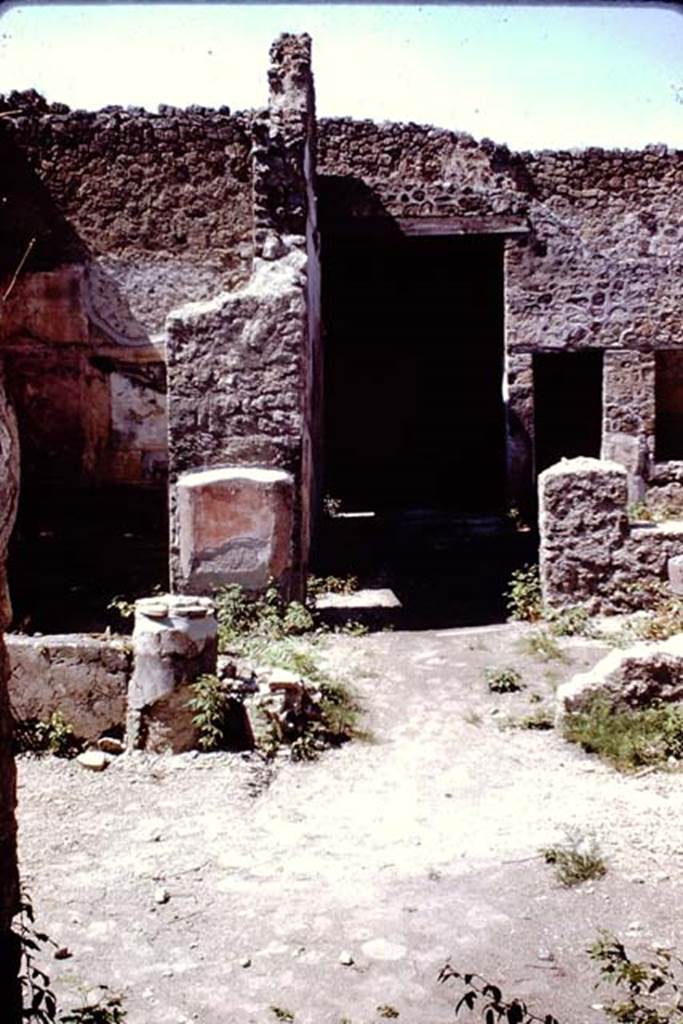
VII.12.26 Pompeii. 1966.
Looking north from portico area towards triclinium, on left, and another two rooms. Photo by Stanley A. Jashemski.
Source: The Wilhelmina and Stanley A. Jashemski archive in the University of Maryland Library, Special Collections (See collection page) and made available under the Creative Commons Attribution-Non-Commercial License v.4. See Licence and use details.
J66f0583
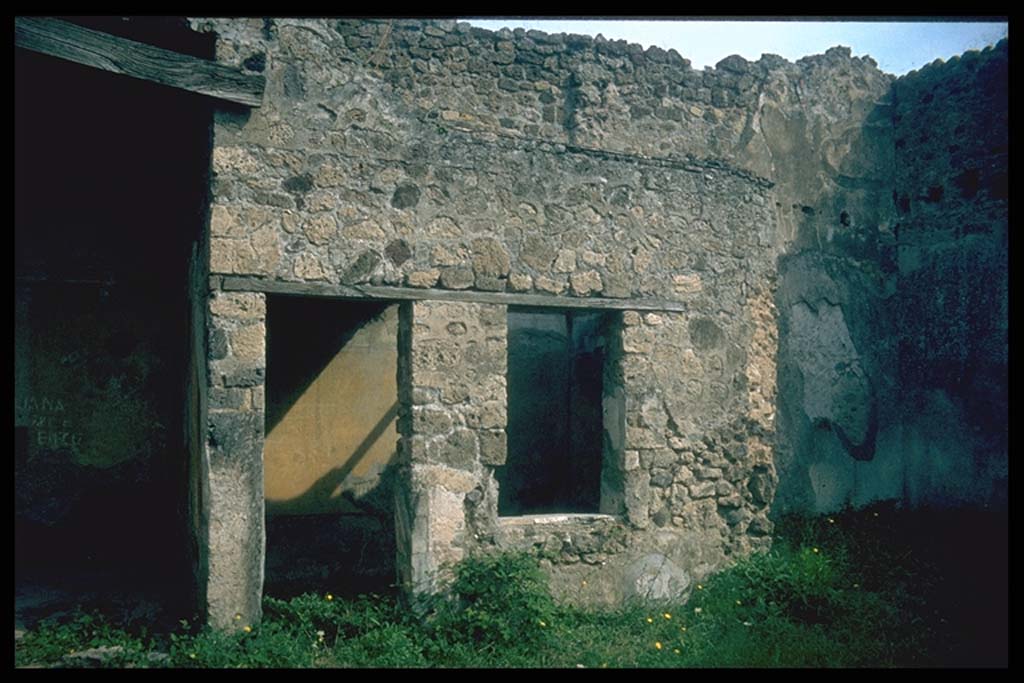
VII.12.26 Pompeii. Three rooms at rear of atrium.
Photographed 1970-79 by Günther Einhorn, picture courtesy of his son Ralf Einhorn.
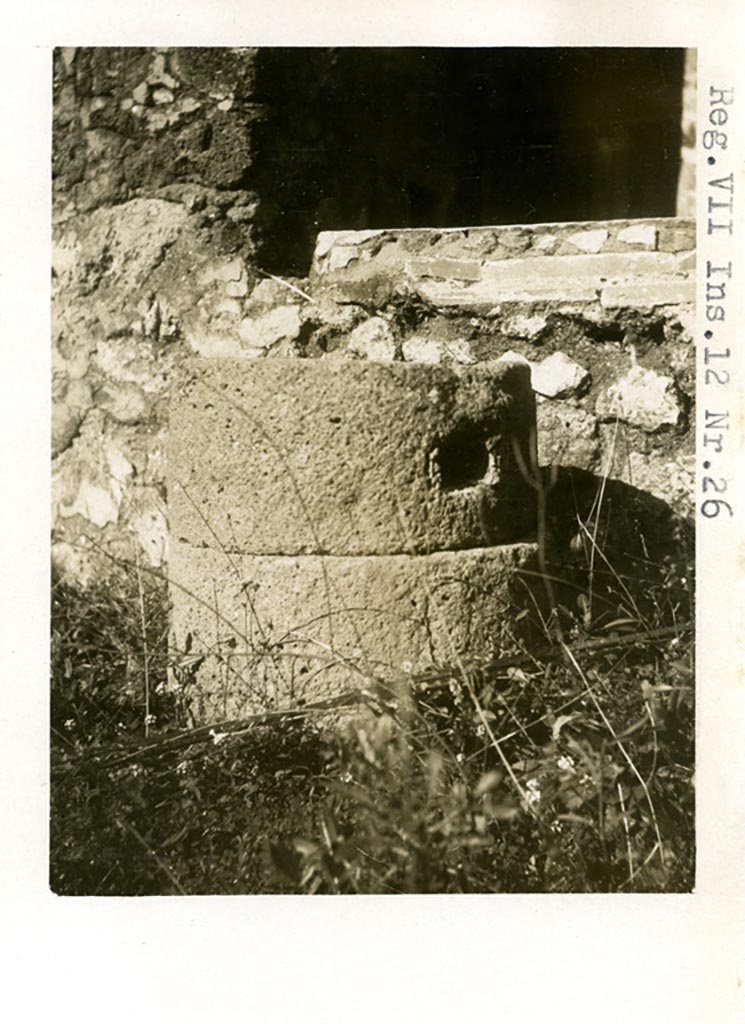
VI.12.26 Pompeii, according to Warsher. Pre-1937-39. Looking towards window on north side of portico.
Photo courtesy of American Academy in Rome, Photographic Archive. Warsher collection no. 1252.
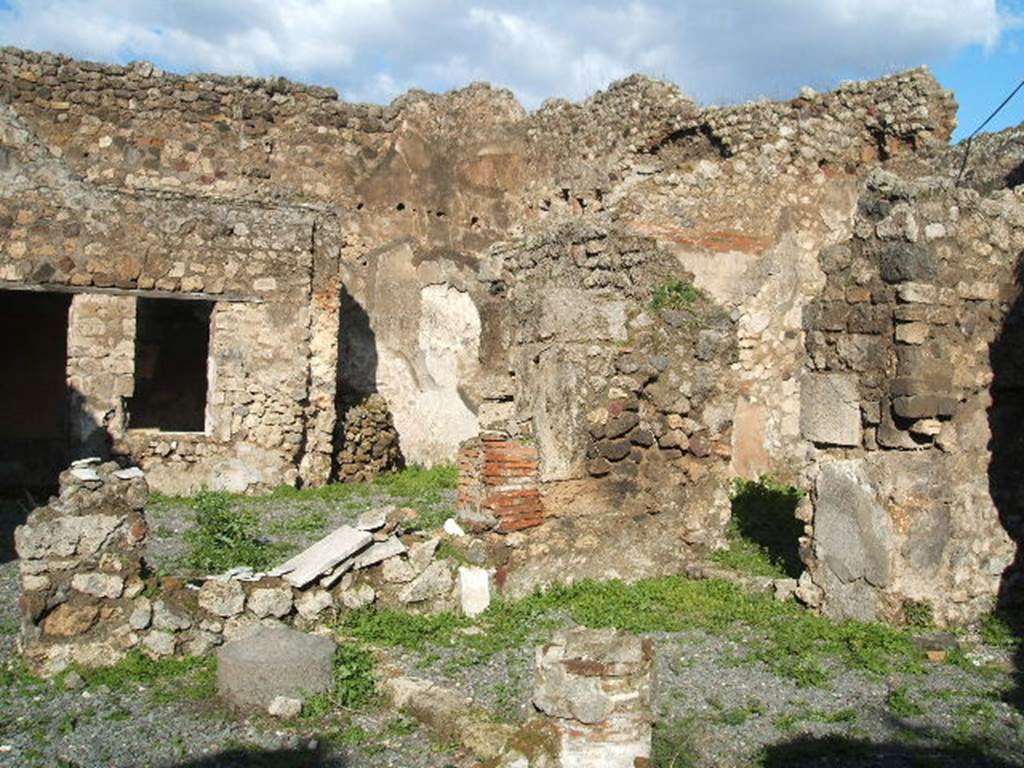
VII.12.26 Pompeii. December 2004. Looking north-east across portico area to oecus in north-east corner.
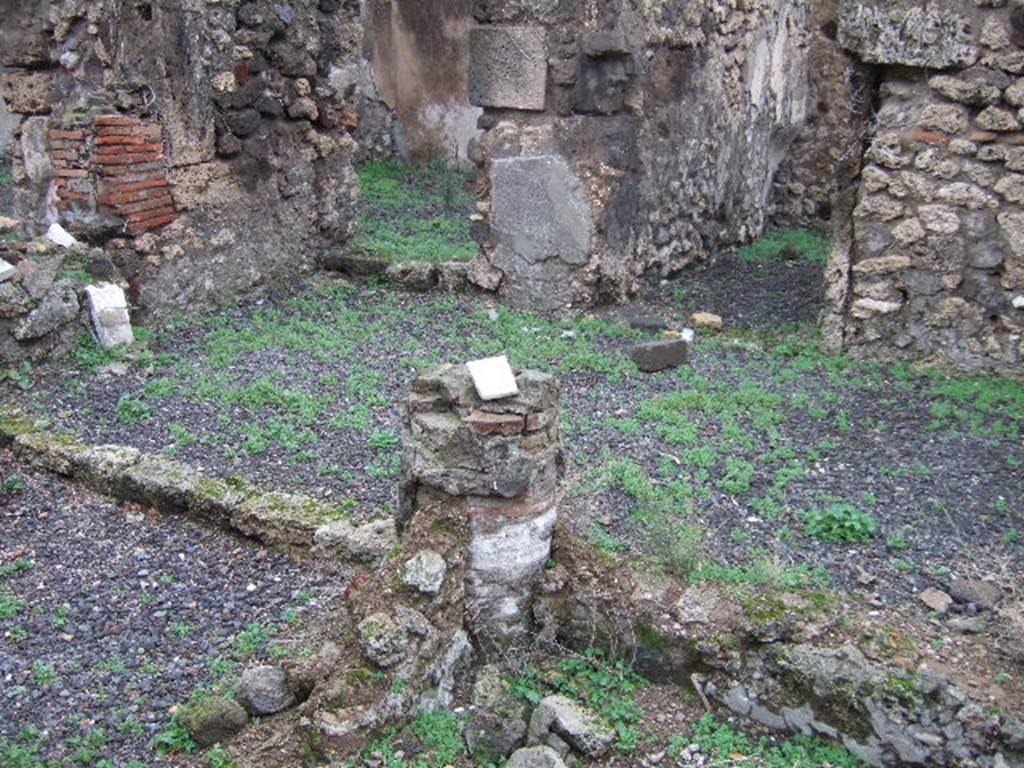
VII.12.26 Pompeii. December 2005. Looking north-east from garden area, across portico to two doorways to cubicula.
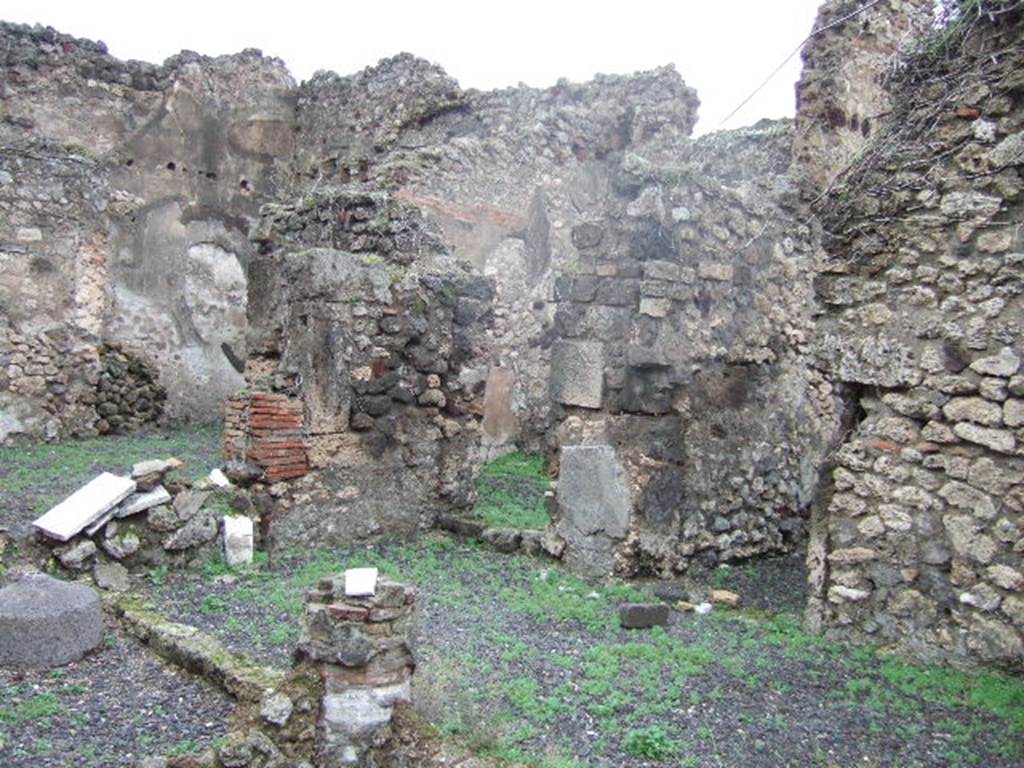
VII.12.26 Pompeii. December 2005. Looking north-east across portico area.
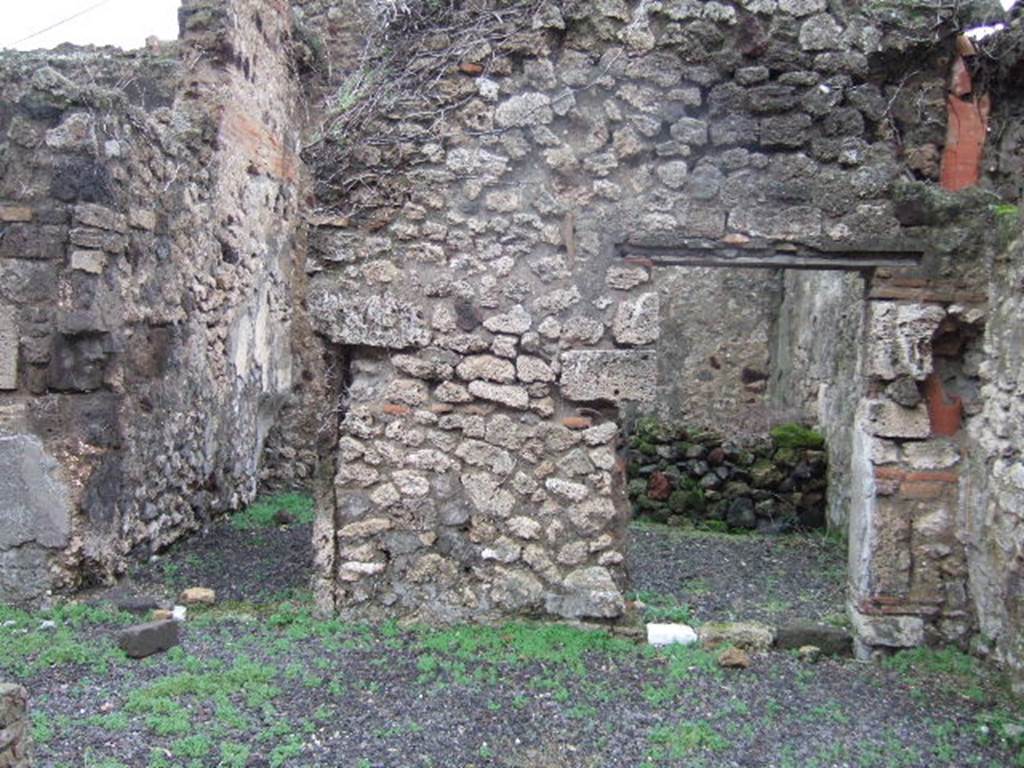
VII.12.26 Pompeii. December 2005. Cubiculum on east side of portico.
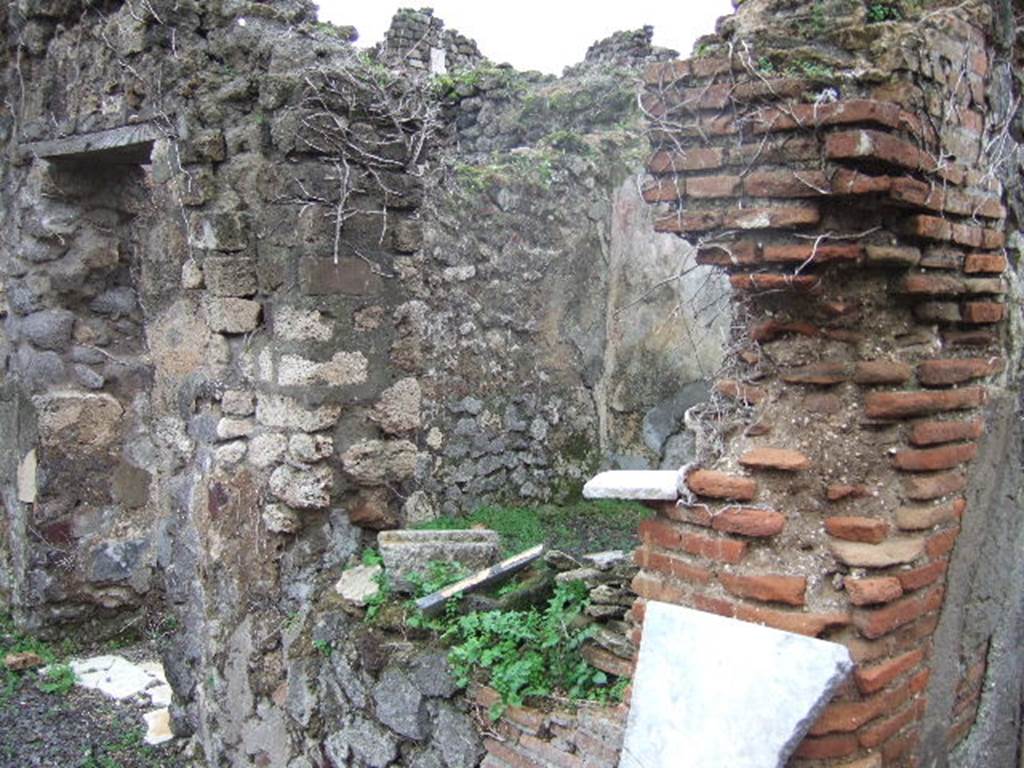
VII.12.26 Pompeii. December 2005.
Room to east of fauces, that used to have a window with a marble sill that would have taken light from the atrium.
The walls of this room would have been painted with a black zoccolo, the middle zone panelled in red and yellow, painted with carpet borders.
The walls would have shown a series of simple figures of which the only remains are the following reproductions by La Volpe, from the time of excavation.
The drawing of a painting with Maenad and head of Satyr, we have instead only Helbig’s report (Helbig 512).
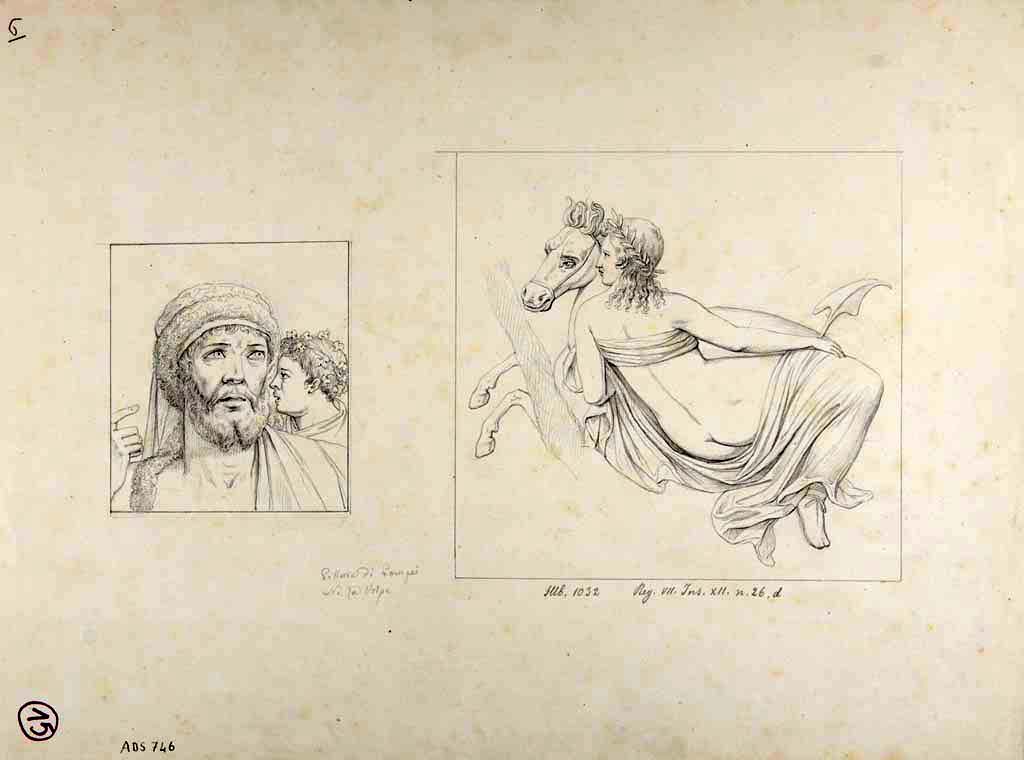
VII.12.26 Pompeii. Drawing by Nicola La Volpe, of paintings from the walls of the room on the east side of the entrance corridor.
On the left is a painting of the heads of Hercules and Omphale (Helbig 1135) and on the right is a painting of a Nereid on a sea-horse (Helbig 1032).
Left in situ, these are now completely destroyed.
See Helbig, W.,
1868. Wandgemälde der vom Vesuv verschütteten Städte Campaniens. Leipzig: Breitkopf und Härtel.
Now in Naples
Archaeological Museum. Inventory number ADS 746.
Photo © ICCD. https://www.catalogo.beniculturali.it/
Utilizzabili alle
condizioni della licenza Attribuzione - Non commerciale - Condividi
allo stesso modo 2.5 Italia (CC BY-NC-SA 2.5 IT)
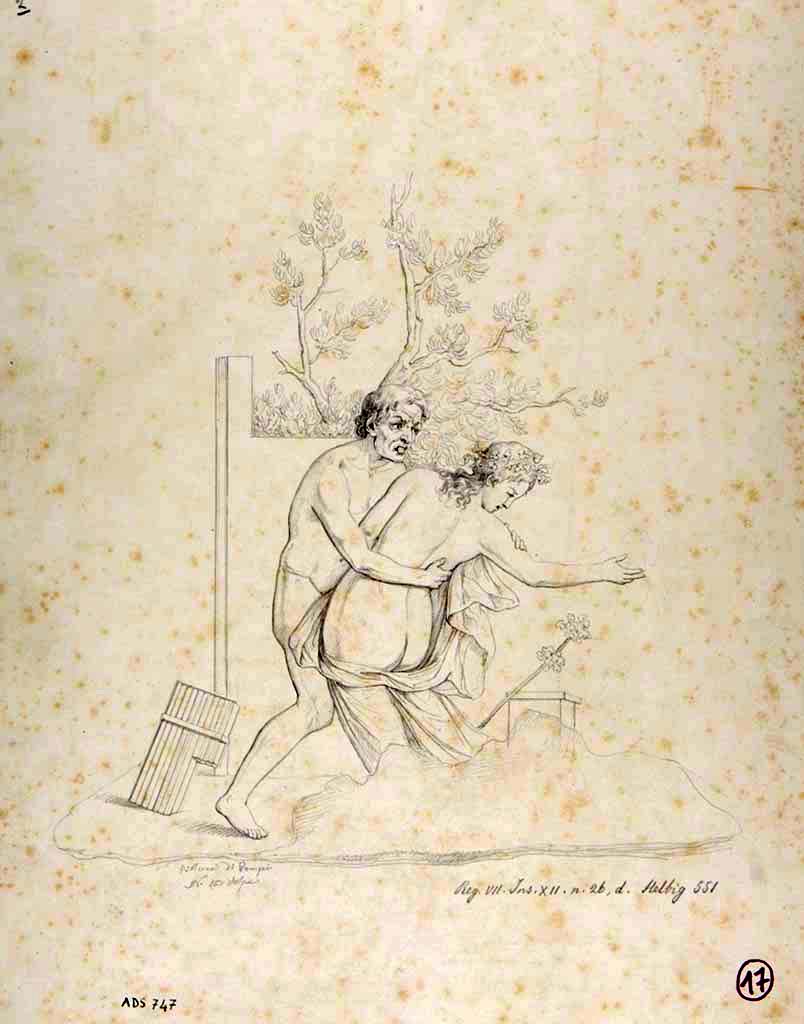
VII.12.26 Pompeii.
Drawing by Nicola La Volpe, of a painting of Satyr and Maenad from the walls of the room on the east side of the entrance corridor.
Now faded and lost.
See Helbig, W., 1868. Wandgemälde der vom Vesuv verschütteten Städte Campaniens. Leipzig: Breitkopf und Härtel, (551).
Now in Naples
Archaeological Museum. Inventory number ADS 747.
Photo © ICCD. https://www.catalogo.beniculturali.it/
Utilizzabili alle
condizioni della licenza Attribuzione - Non commerciale - Condividi
allo stesso modo 2.5 Italia (CC BY-NC-SA 2.5 IT)
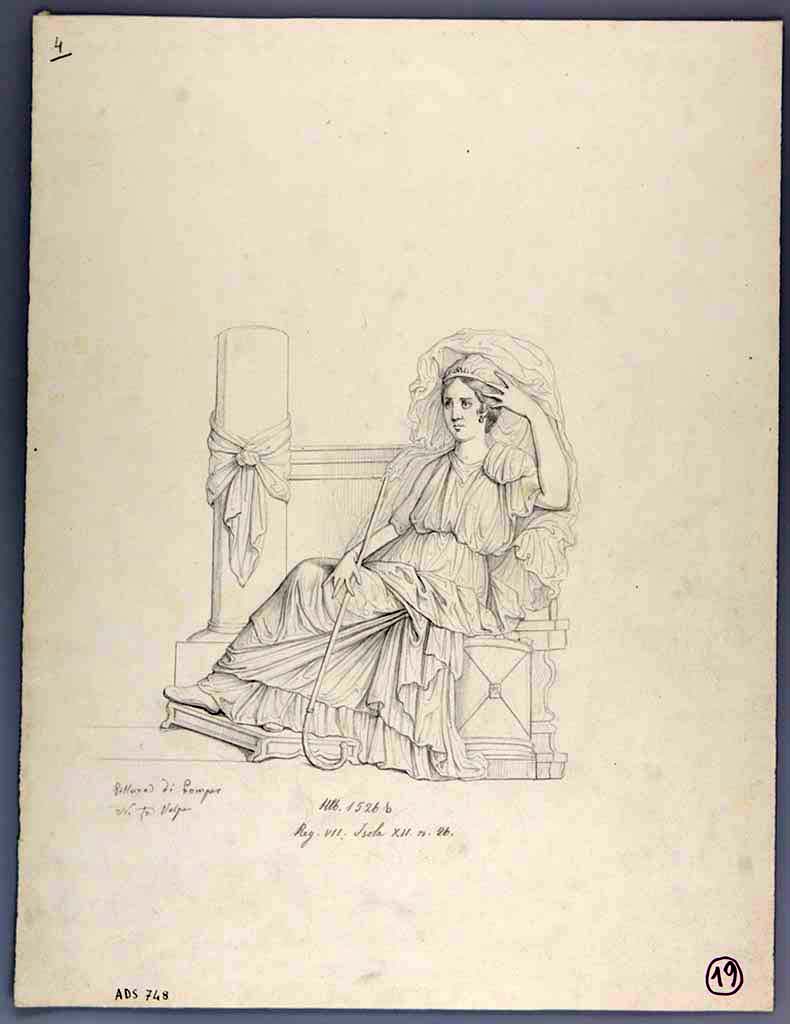
VII.12.26 Pompeii.
Drawing by Nicola La Volpe, of a painting of a female figure with crook and box, from the walls of the room on the east side of the entrance corridor.
According to Helbig this may have shown “the lady of the house as a Muse but was already destroyed by this time”.
This painting is also lost and only known from this drawing made at the time of excavation.
See Helbig, W.,
1868. Wandgemälde der vom Vesuv verschütteten Städte Campaniens. Leipzig:
Breitkopf und Härtel, 1526b.
Now in Naples
Archaeological Museum. Inventory
number ADS 748.
Photo © ICCD. https://www.catalogo.beniculturali.it/
Utilizzabili alle condizioni della licenza Attribuzione
- Non commerciale - Condividi allo stesso modo 2.5 Italia (CC BY-NC-SA 2.5 IT)
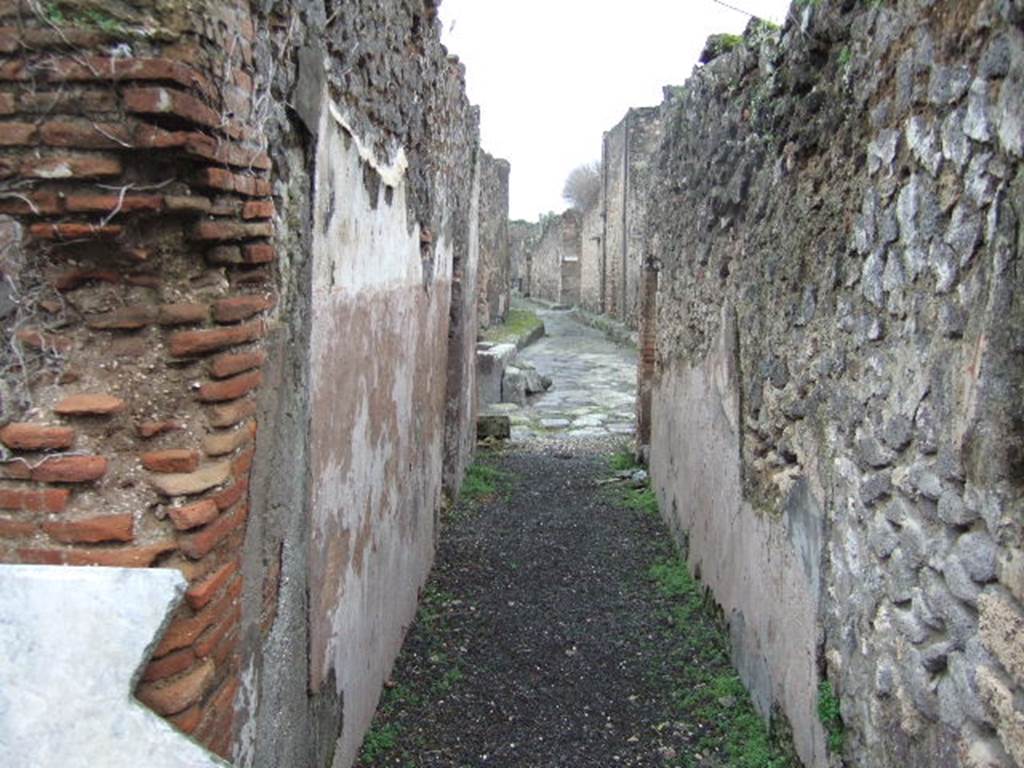
VII.12.26 Pompeii. December 2005. Fauces, looking south to entrance doorway, and ahead along Vicolo della Maschera.
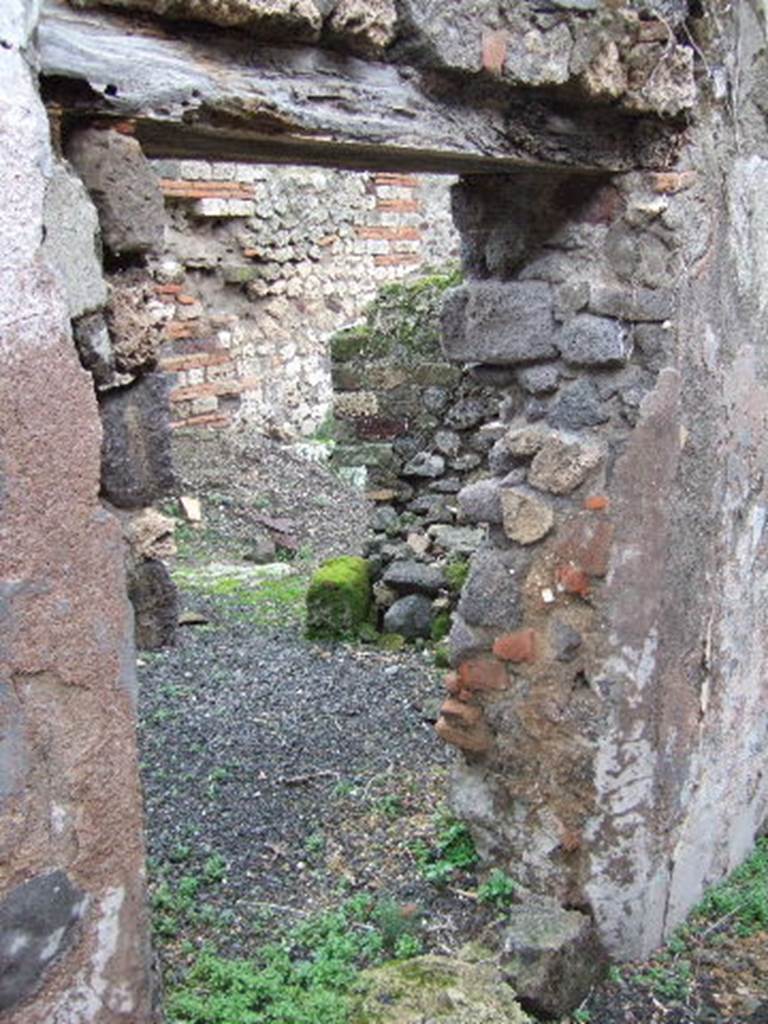
VII.12.26 Pompeii. December 2005. Looking east through doorway into kitchen.
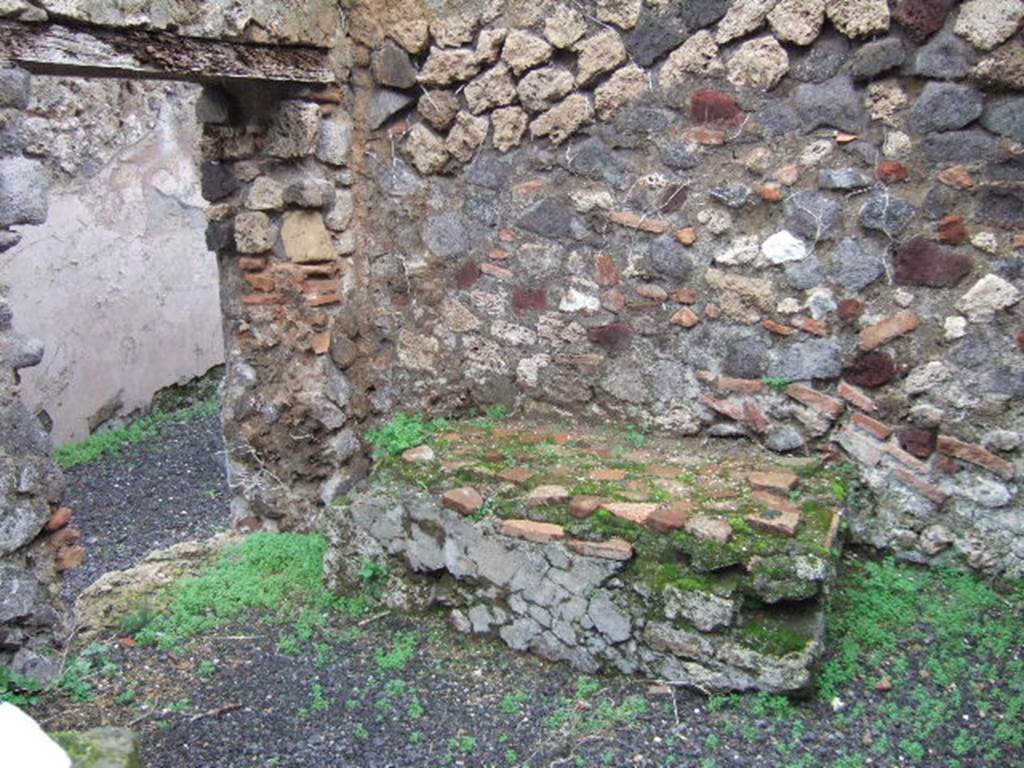
VII.12.26 Pompeii. December 2005. North wall of kitchen.
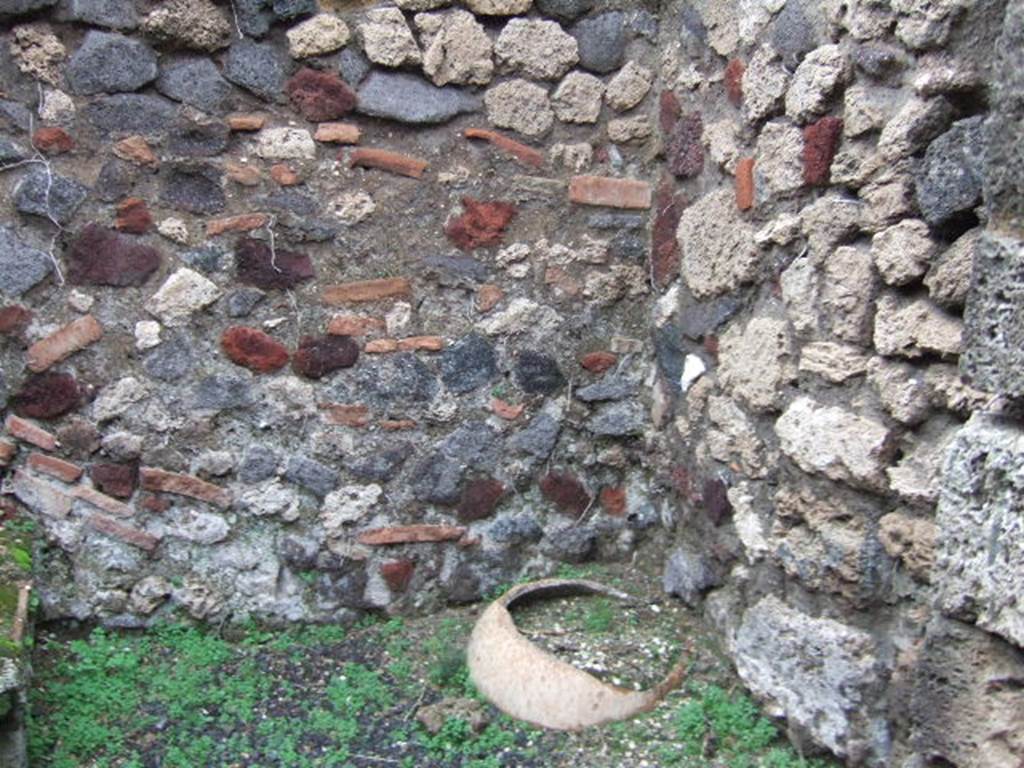
VII.12.26 Pompeii. December 2005. North-east corner of kitchen.
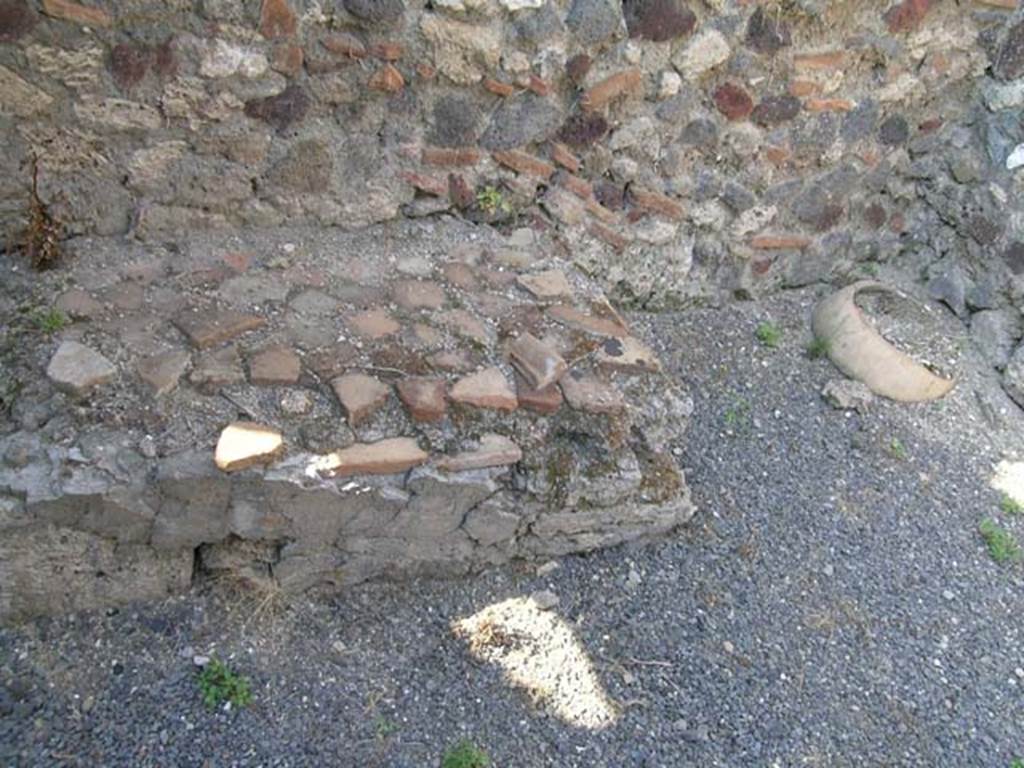
VII.12.26 Pompeii. June 2005. Looking towards north side of kitchen. Photo courtesy of Nicolas Monteix.
VII.12.26 Pompeii December 2005.
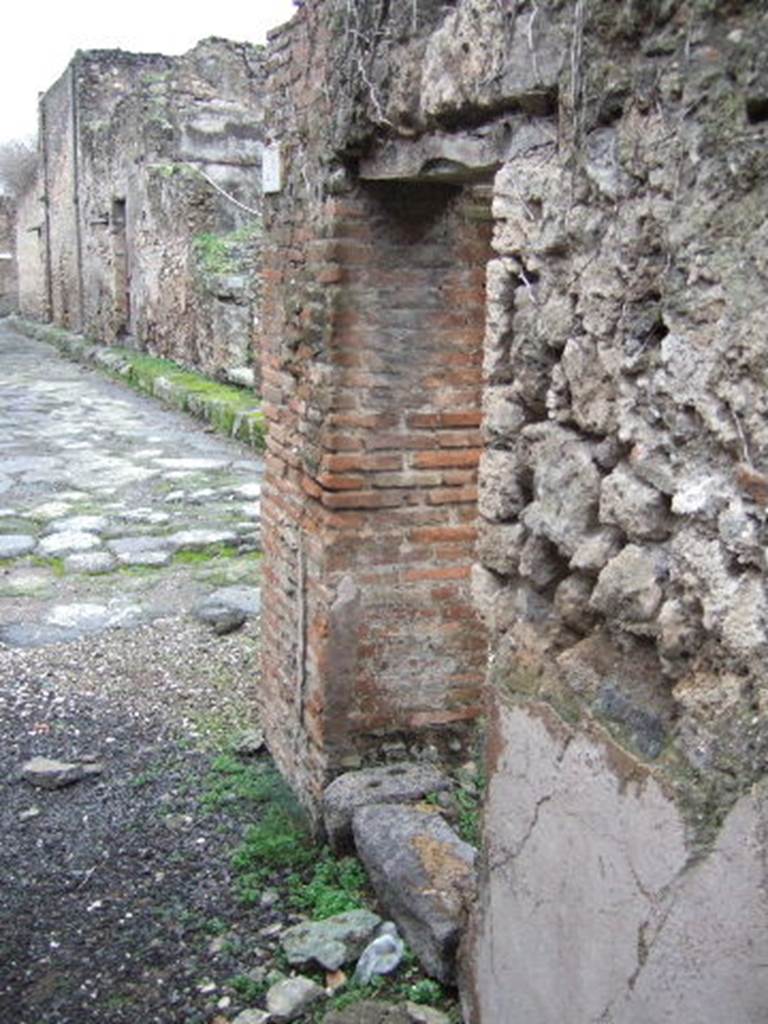
Looking south from entrance fauces with doorway to VII.12.27, on the right.