I.7.1 Pompeii. Casa di Paquius Proculus or House of Cuspius Pansa.
Excavated 1911 and 1923 to 1926.
Part 1 Part 2
Part 3 Part 4 Part 5 Part 6
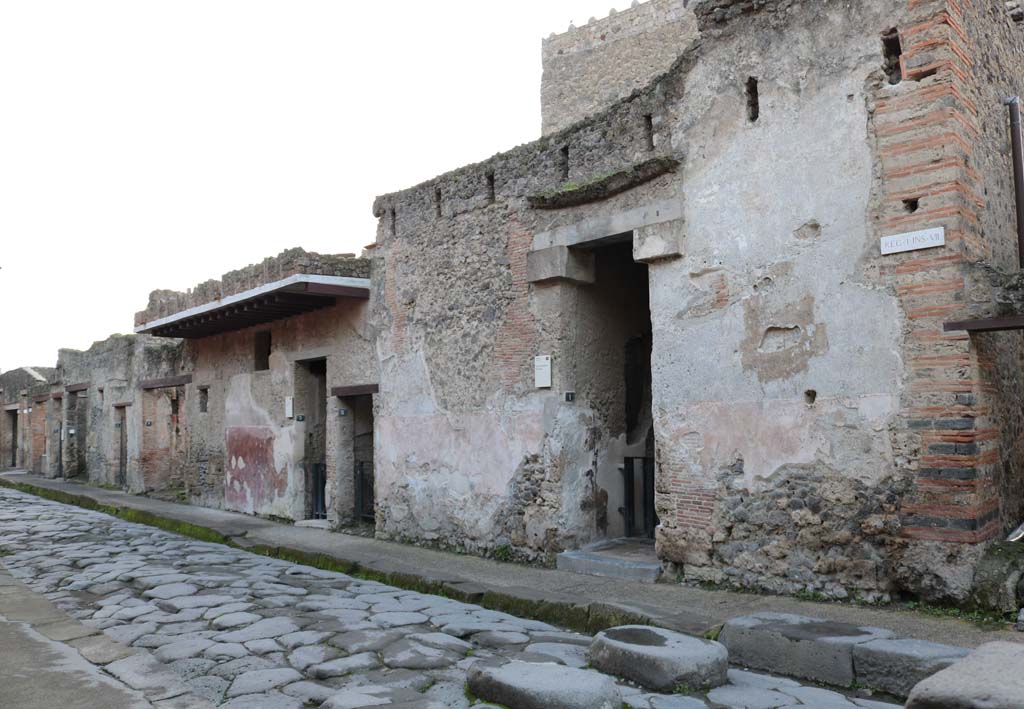
I.7.1 Pompeii, on right. December 2018.
Entrance doorways, looking east along Via dell’ Abbondanza
between I.7.8 and I.7.1. Photo courtesy of Aude Durand.
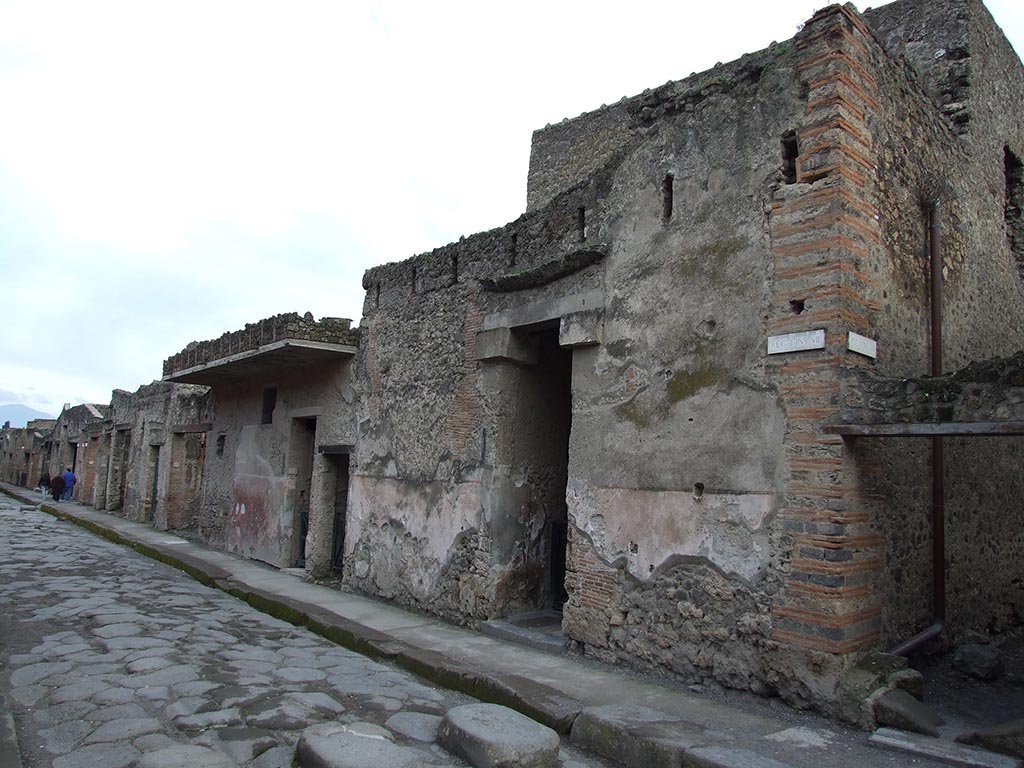
I.7.1 Pompeii. December 2006. Entrance. Looking east along Via dell’ Abbondanza.
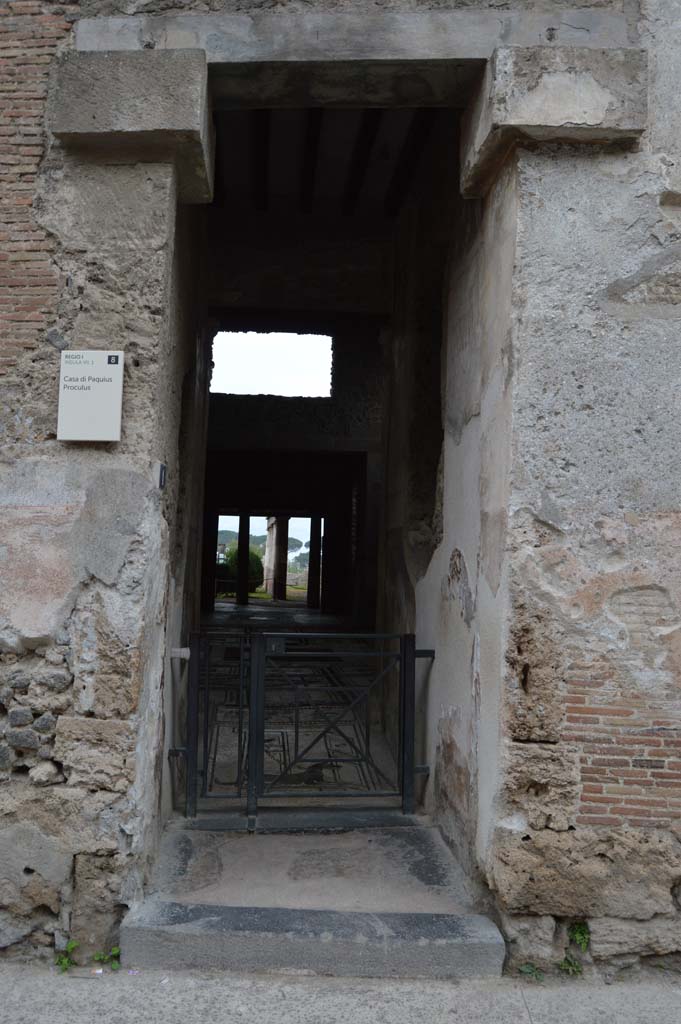
I.7.1 Pompeii. October 2017. Looking south
to entrance doorway.
Foto Taylor Lauritsen, ERC Grant 681269 DÉCOR.
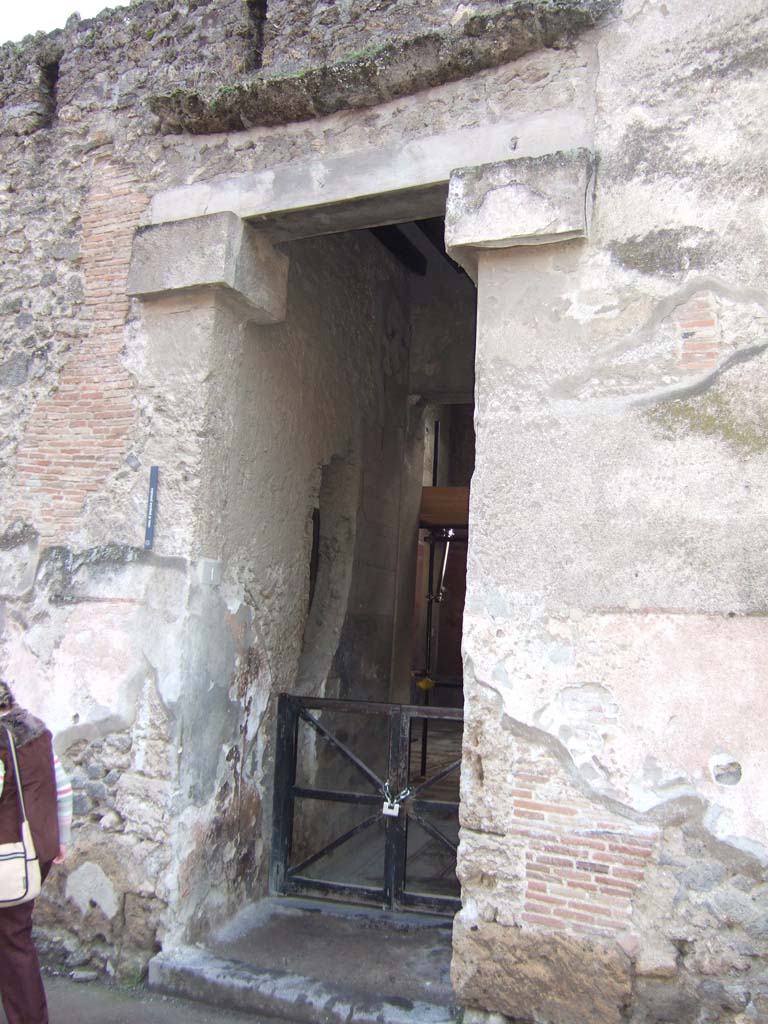
I.7.1 Pompeii. December 2005. Entrance doorway.
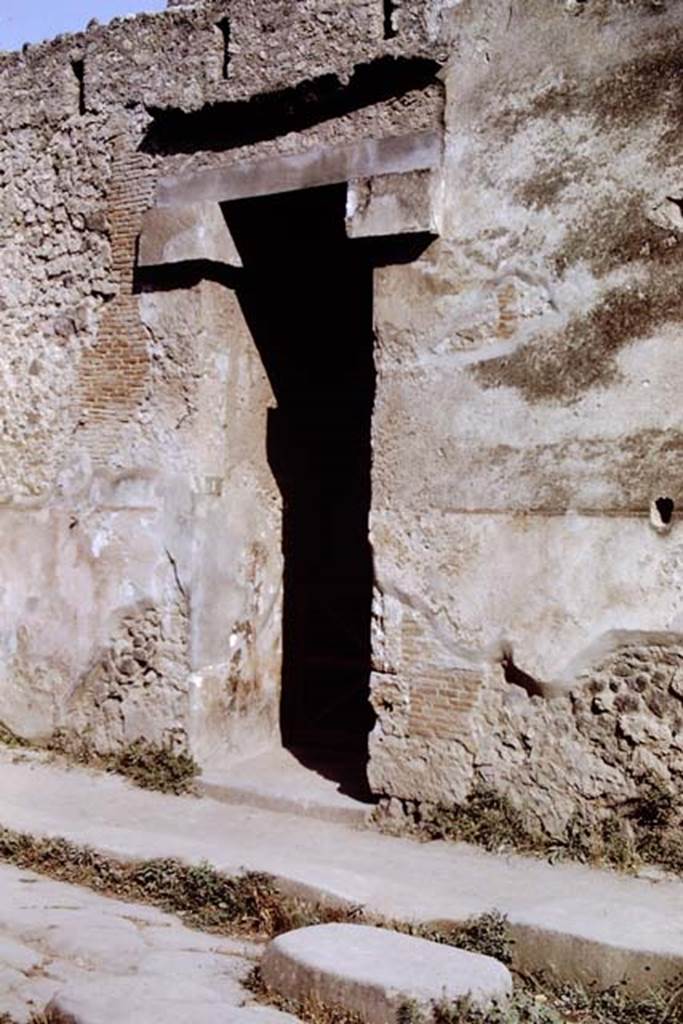
I.7.1 Pompeii, 1968. Entrance doorway. Photo by Stanley A. Jashemski.
Source: The Wilhelmina and Stanley A. Jashemski archive in the University of Maryland Library, Special Collections (See collection page) and made available under the Creative Commons Attribution-Non-Commercial License v.4. See Licence and use details.
J68f0645
![I.I.7.1 Pompeii. 6th January 1923. Entrance during excavation. Visible on each side of the doorway are the remains of electoral recommendations. Photo courtesy of Drew Baker. According to Varone and Stefani, immediately to the left of the door were a large number of electoral recommendations. To the right of the door were the electoral recommendations CIL IV 7196-8. See Varone, A. and Stefani, G., 2009. Titulorum Pictorum Pompeianorum, Rome: L’erma di Bretschneider. (p. 74
The remains of CIL IV 7212, CIL IV 7215, CIL IV 7210 (left) and CIL IV 7196 and 7197 (right) can be seen in this photograph.
According to Epigraphik-Datenbank Clauss/Slaby (See www.manfredclauss.de) these read as:
Veientonem
aed(ilem) Primanus rog(at) [CIL IV 7212]
L(ucium) Albucium
aed(ilem) o(ro) v(os) f(aciatis) [CIL IV 7215]
L(ucium) Popidium Ampliatum
aed(ilem) Paquius rog(at) [CIL IV 7210]
C(aium) Lollium Fuscum
aed(ilem) o(ro) v(os) f(aciatis) [CIL IV 7196 ]
P(ublium) Paquium Proculum
[du]umvirum i(ure) d(icundo) vicini cupidi faciunt [CIL IV 7197]](1%2007%2001_files/image009.jpg)
I.7.1 Pompeii. 6th January 1923. Entrance during excavation.
Visible on each side of the doorway are the remains of electoral recommendations.
Photo courtesy of Drew Baker.
According to Varone and Stefani, immediately to the left of the door were a large number of electoral recommendations.
To the right of the door were the electoral recommendations CIL IV 7196-8.
See Varone, A. and Stefani, G., 2009. Titulorum Pictorum Pompeianorum, Rome: L’erma di Bretschneider. (p. 74
The remains of CIL IV 7212, CIL IV 7215, CIL IV 7210 (left)
and CIL IV 7196 and 7197 (right) can be seen in this photograph.
According to Epigraphik-Datenbank Clauss/Slaby (See www.manfredclauss.de) these read as:
Veientonem
aed(ilem)
Primanus rog(at) [CIL IV 7212]
L(ucium) Albucium
aed(ilem) o(ro)
v(os) f(aciatis) [CIL IV 7215]
L(ucium) Popidium
Ampliatum
aed(ilem) Paquius
rog(at) [CIL IV 7210]
C(aium) Lollium
Fuscum
aed(ilem) o(ro)
v(os) f(aciatis) [CIL IV 7196 ]
P(ublium) Paquium Proculum
[du]umvirum
i(ure) d(icundo) vicini cupidi faciunt
[CIL IV 7197]
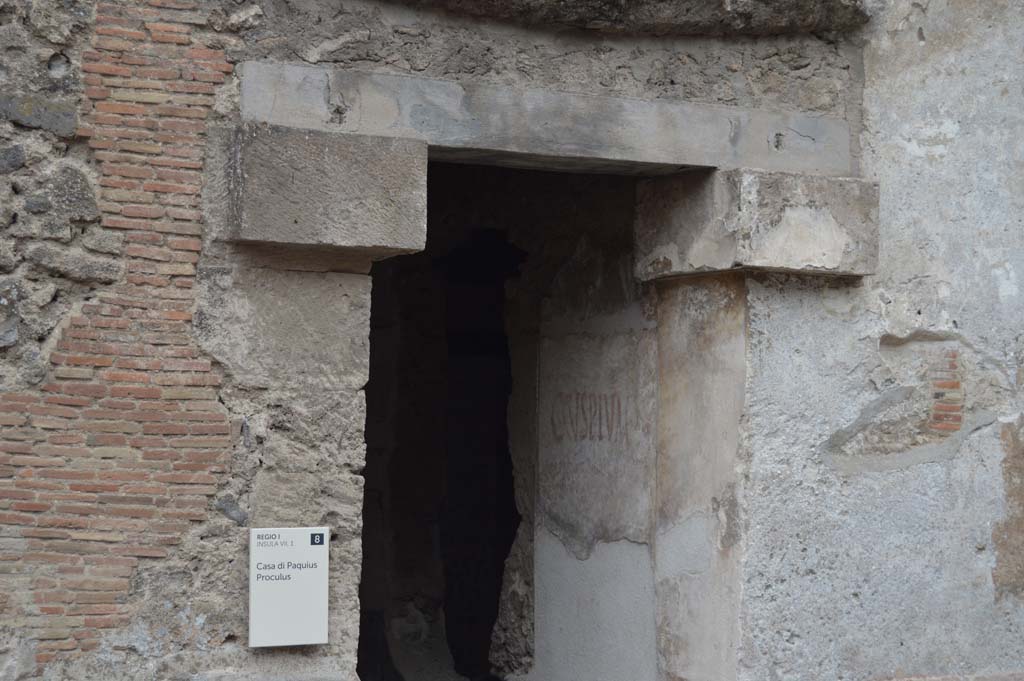
I.7.1, Pompeii. October 2017. Looking towards
west side of entrance corridor, from doorway.
Foto Taylor Lauritsen, ERC
Grant 681269 DÉCOR.
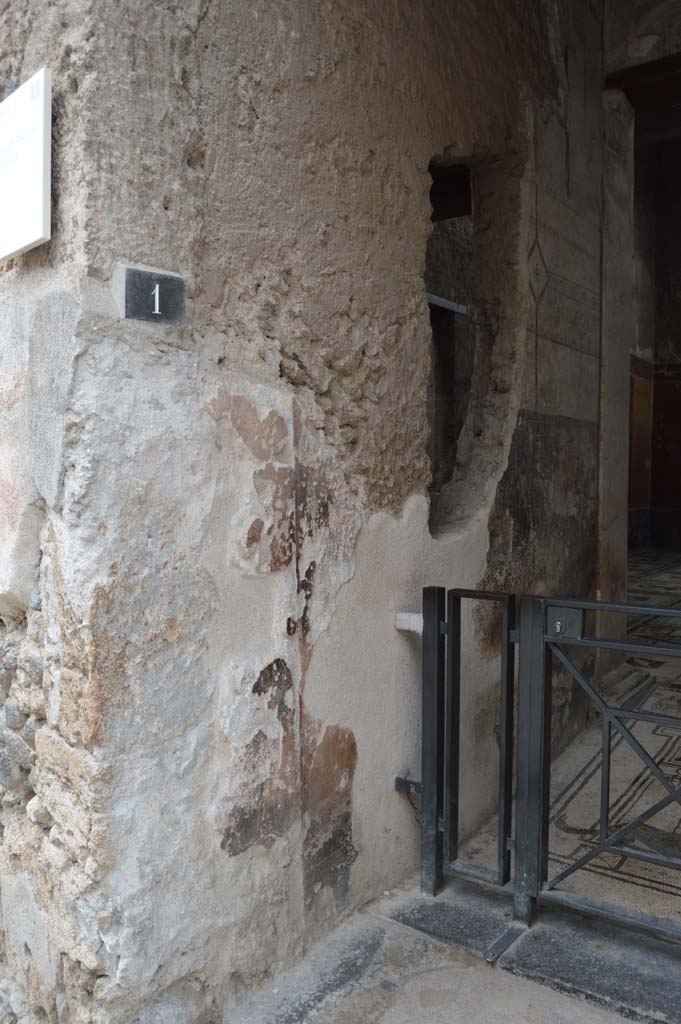
I.7.1
Pompeii. October 2017. Looking towards east side of entrance corridor.
Foto Taylor Lauritsen, ERC Grant 681269 DÉCOR.
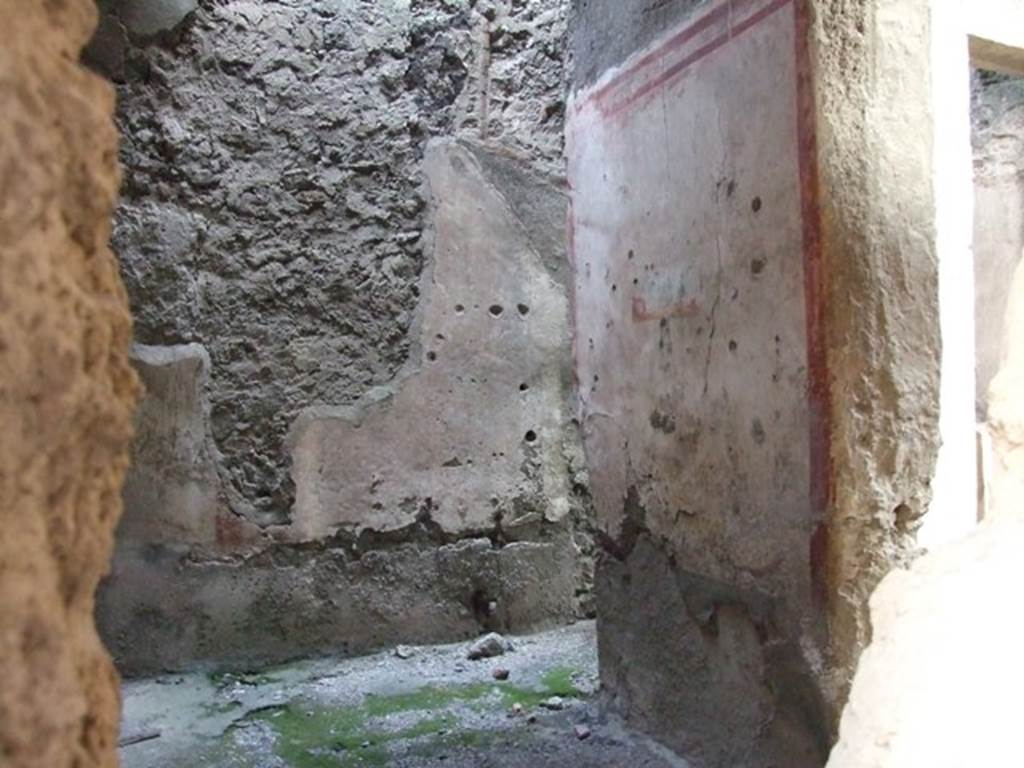
I.7.1 Pompeii. December 2007. Cubiculum on east side of fauces, through hole made in wall.
In the centre of the panel on the south wall, right side of photo, is a painted vignette of two birds with a pomegranate, see below.
On the north wall, was a painted sacred landscape, see below.
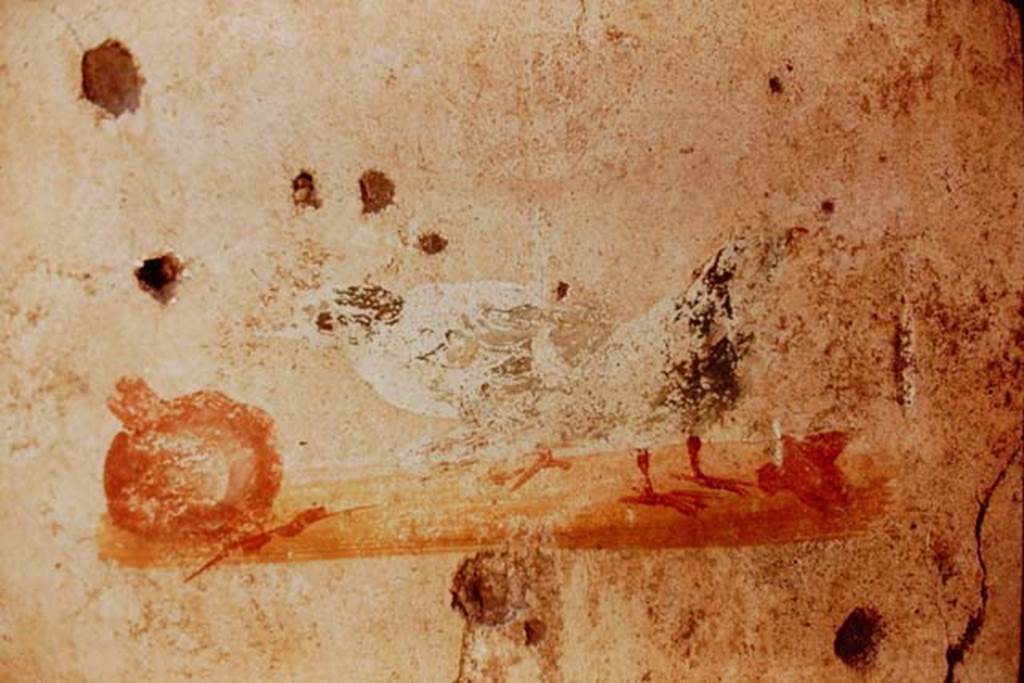
I.7.1 Pompeii, 1968.
Cubiculum on east side of entrance corridor, painting of two birds and a pomegranate and fruit, from the south wall.
Photo by Stanley A. Jashemski.
Source: The Wilhelmina and Stanley A. Jashemski archive in the University of Maryland Library, Special Collections (See collection page) and made available under the Creative Commons Attribution-Non-Commercial License v.4. See Licence and use details.
J68f0451
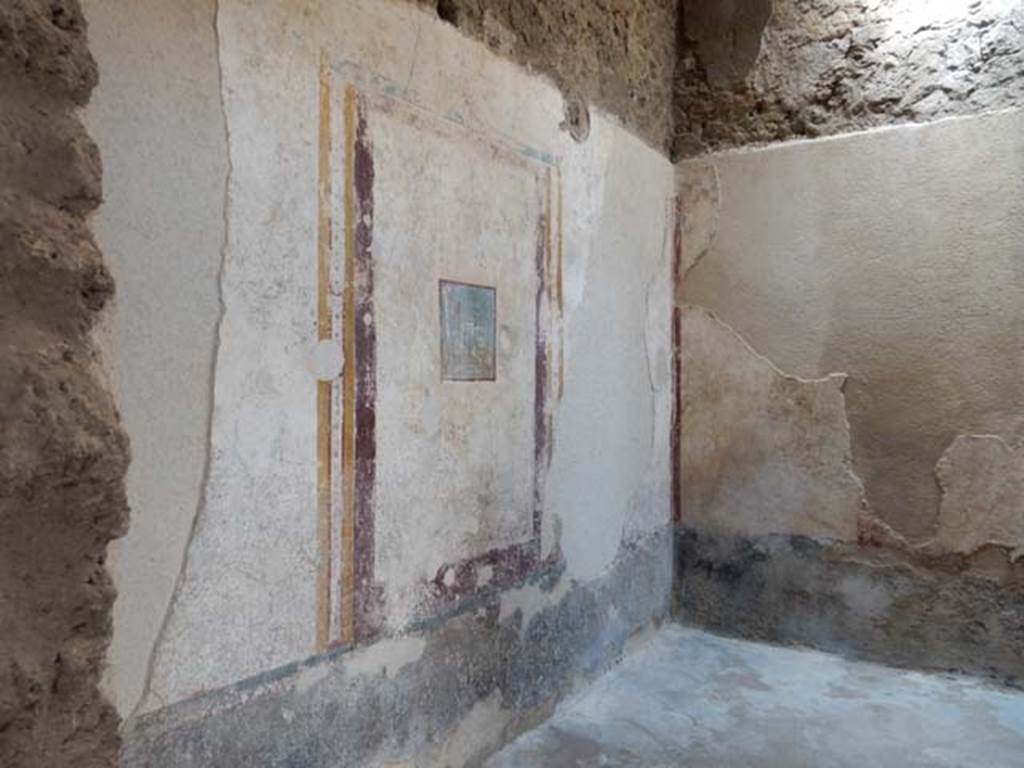
I.7.1 Pompeii. May 2016. Cubiculum on east side of fauces/vestibule,
Looking towards north wall and north-east corner of the cubiculum through hole made in east wall of fauces/vestibule.
The zoccolo/lower level of the wall would have been painted black and the middle zone of the wall was white.
In the centre was a painted panel of a sacred landscape (35 x 33, III Style). Photo courtesy of Buzz Ferebee.
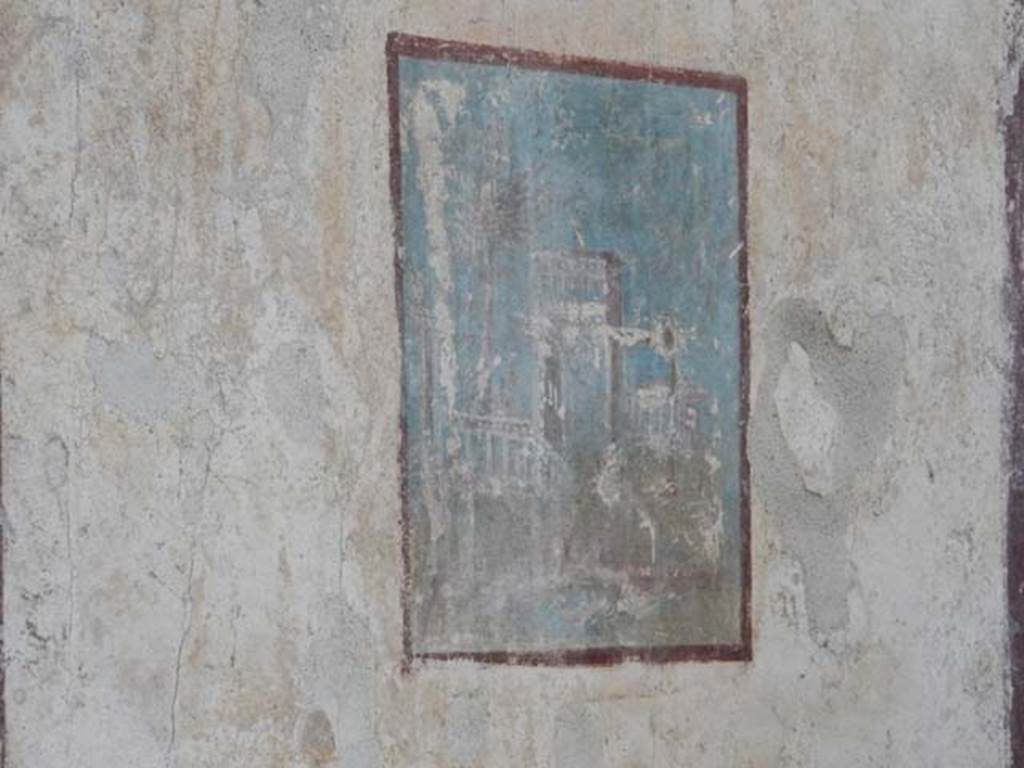
I.7.1 Pompeii. May 2016. Detail of painted sacred landscape from north wall of cubiculum. Photo courtesy of Buzz Ferebee.
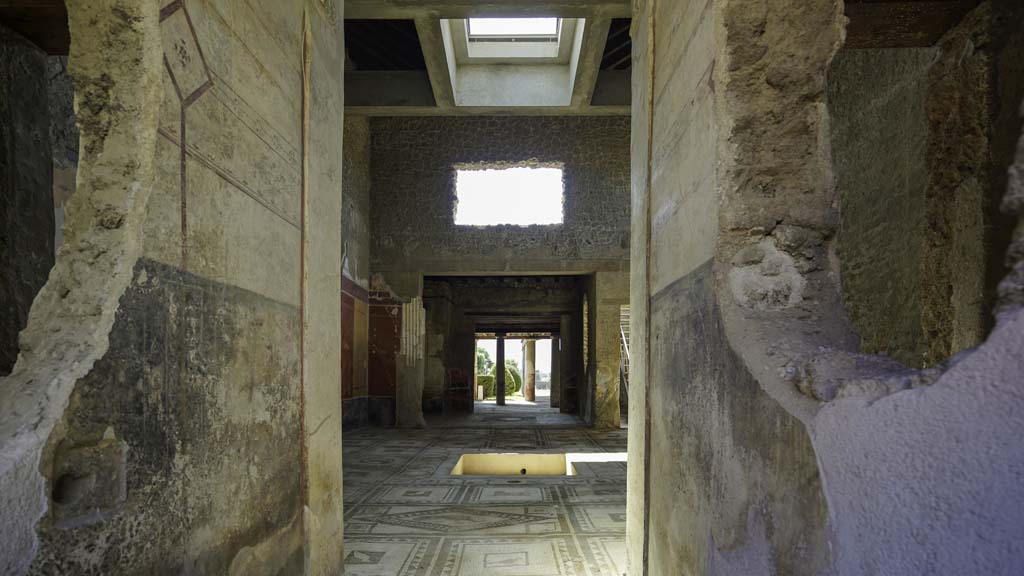
I.7.1
Pompeii. August 2021.
Looking
south into atrium from entrance corridor with painted decoration. Photo
courtesy of Robert Hanson.
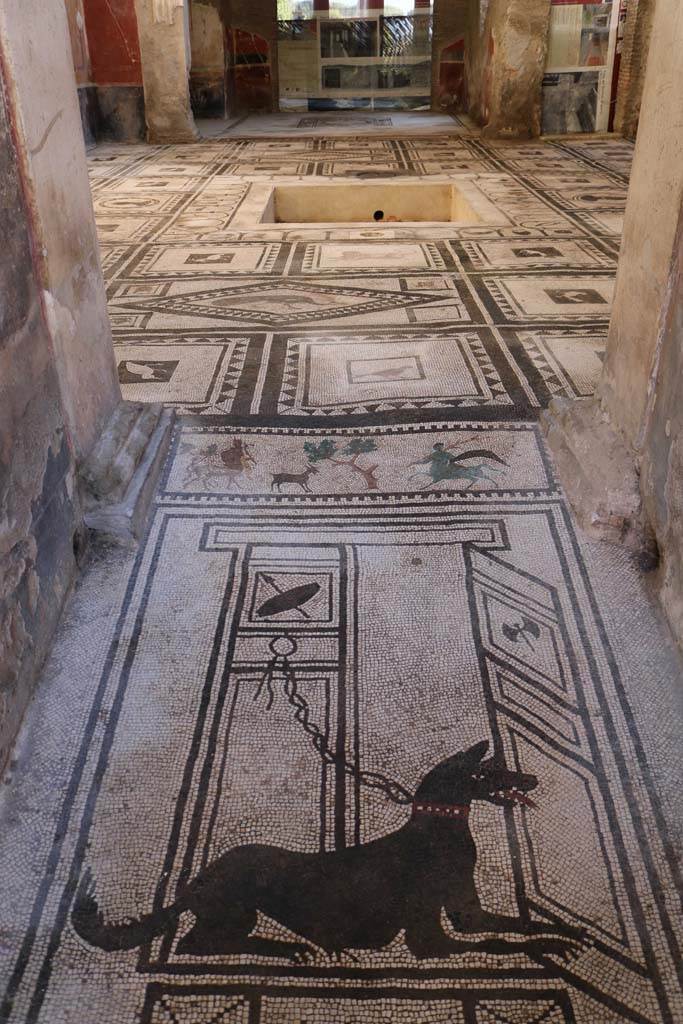
I.7.1
Pompeii. December 2018.
Looking
south towards atrium from entrance doorway across mosaic with guard-dog.
Photo
courtesy of Aude Durand
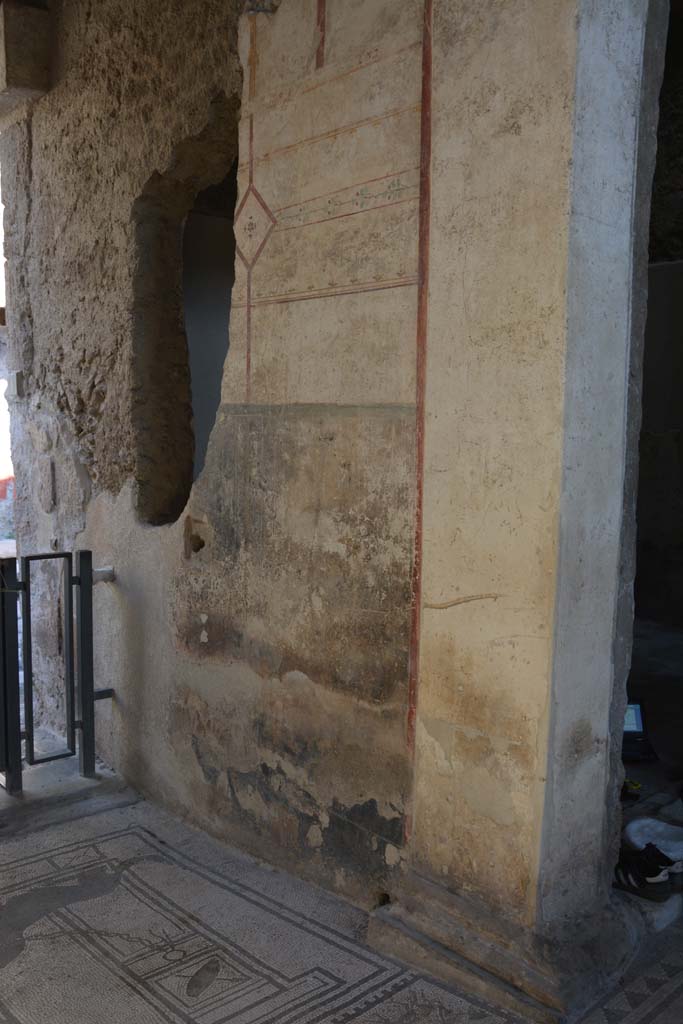
I.7.1 Pompeii. October 2019. Looking
north along east wall of entrance corridor.
Foto Annette Haug, ERC Grant 681269 DÉCOR.
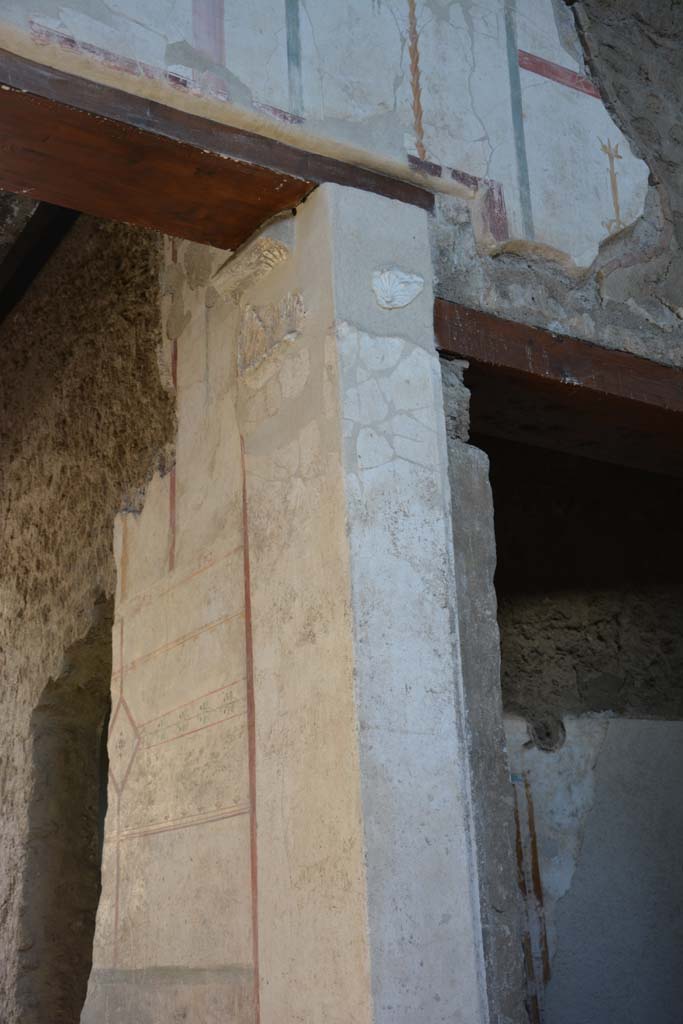
I.7.1 Pompeii.
October 2019. Detail of south end of east wall of entrance corridor/atrium.
Foto Annette Haug, ERC Grant 681269 DÉCOR.
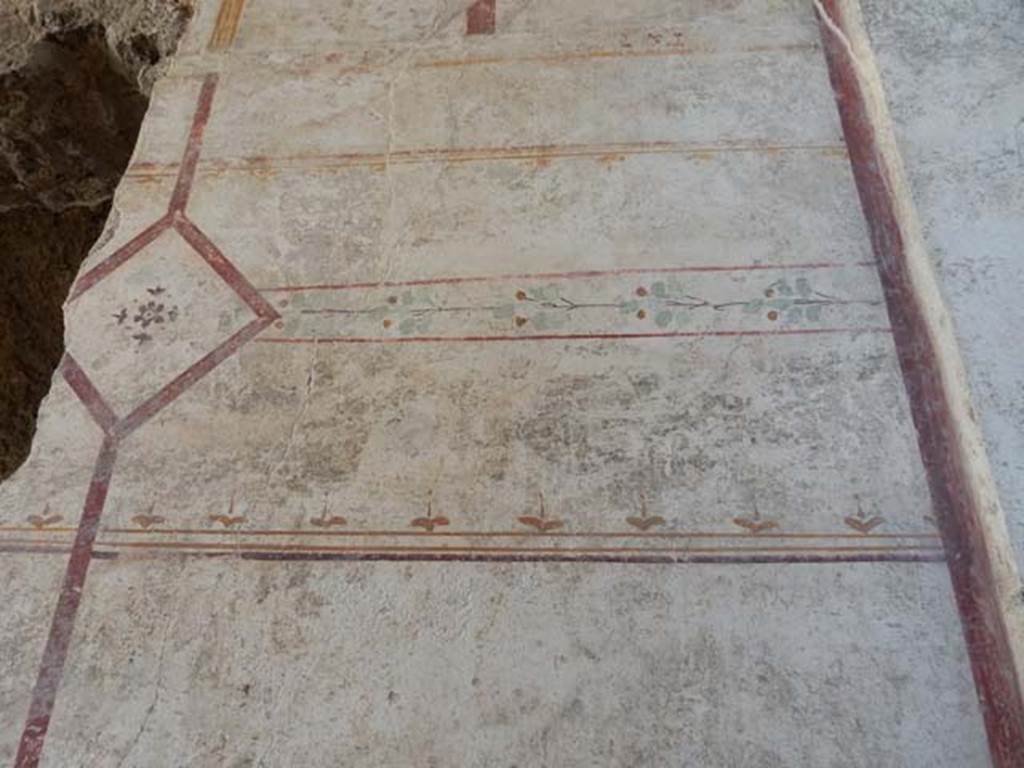
I.7.1 Pompeii. May 2016. Painted east wall of entrance fauces/corridor. Photo courtesy of Buzz Ferebee.
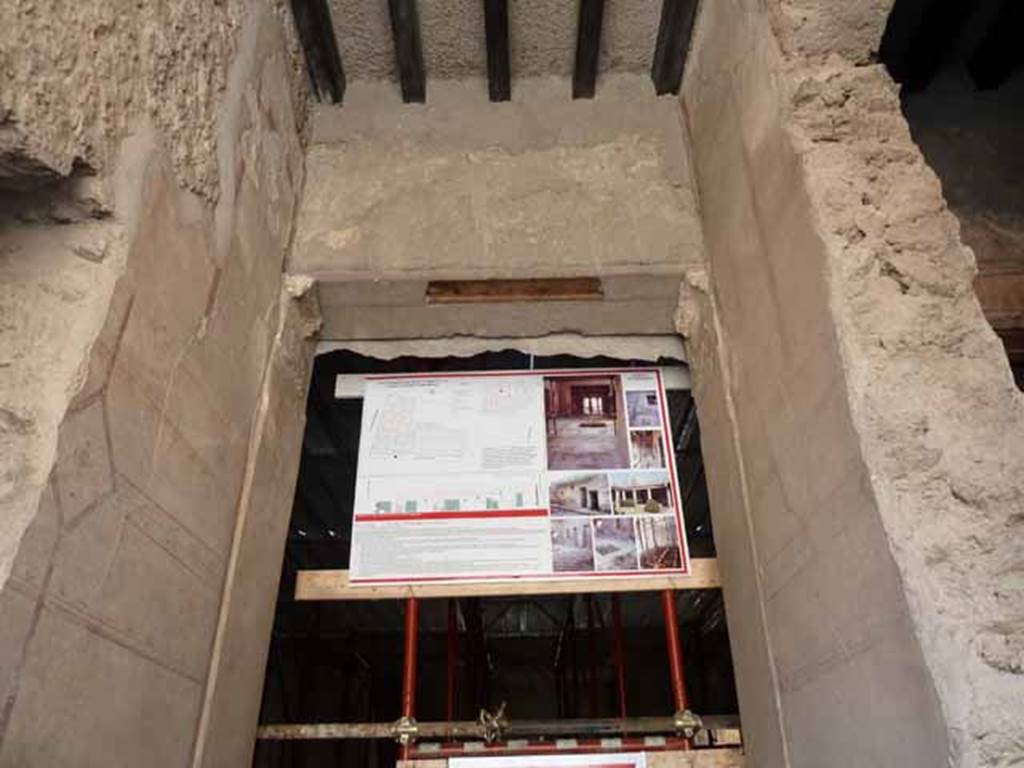
I.7.1 Pompeii. May 2010. Entrance fauces/corridor, looking south.
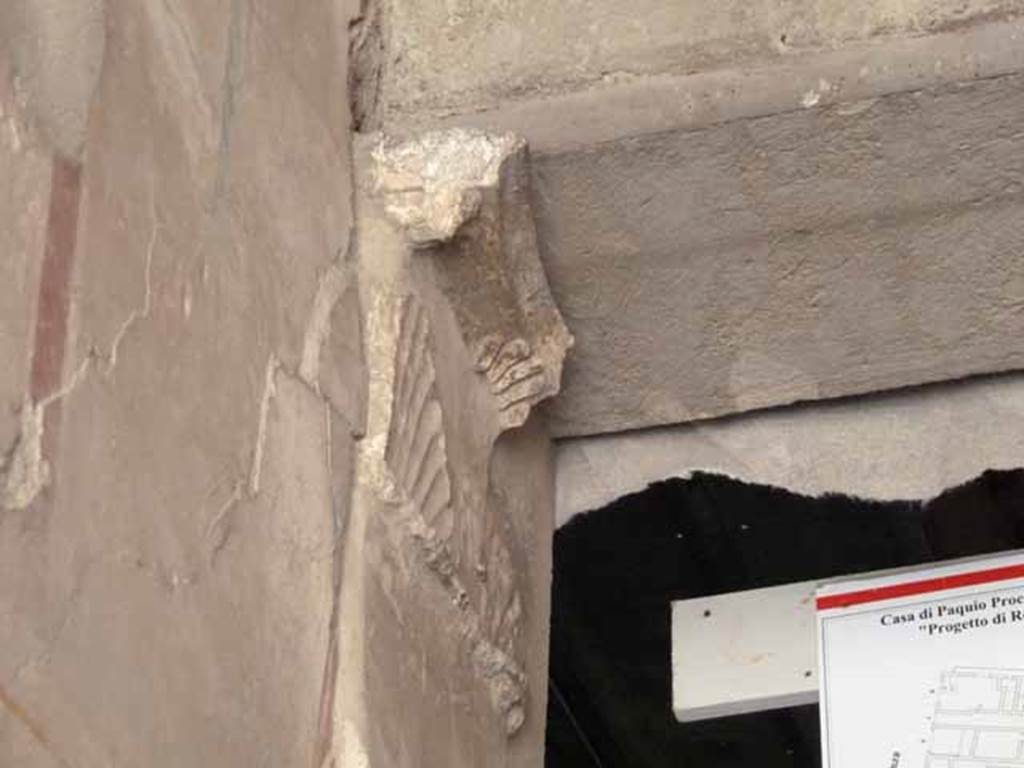
I.7.1 Pompeii. May 2010. East side of entrance corridor.
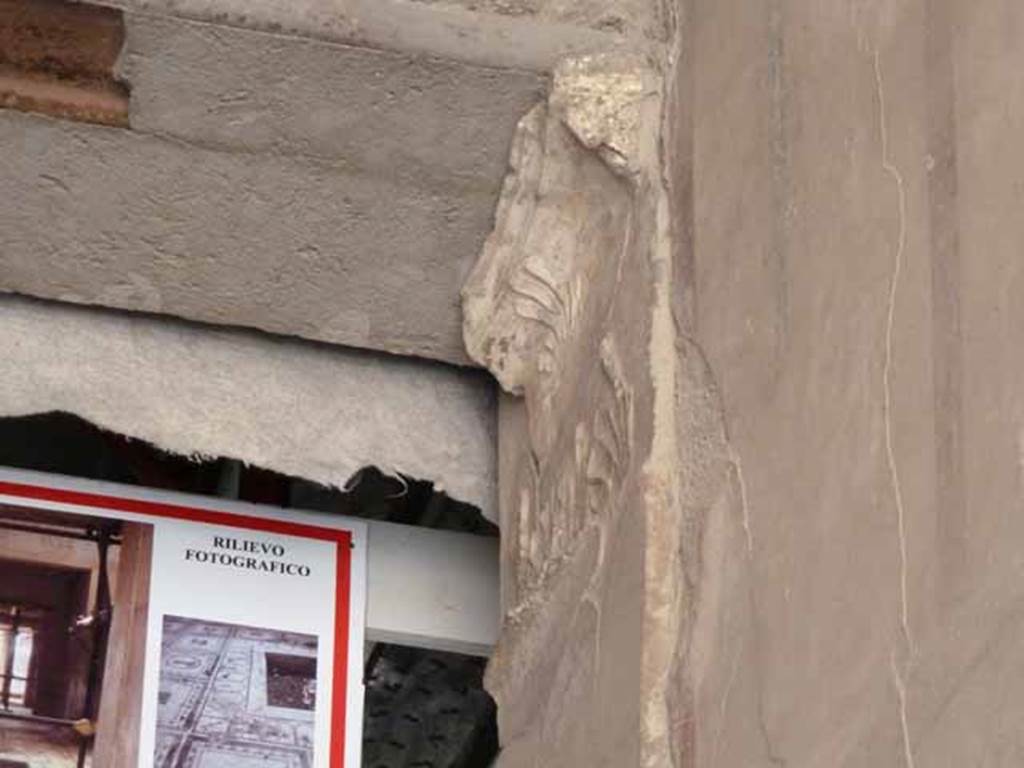
I.7.1 Pompeii. May 2010. Detail from west side of entrance corridor.
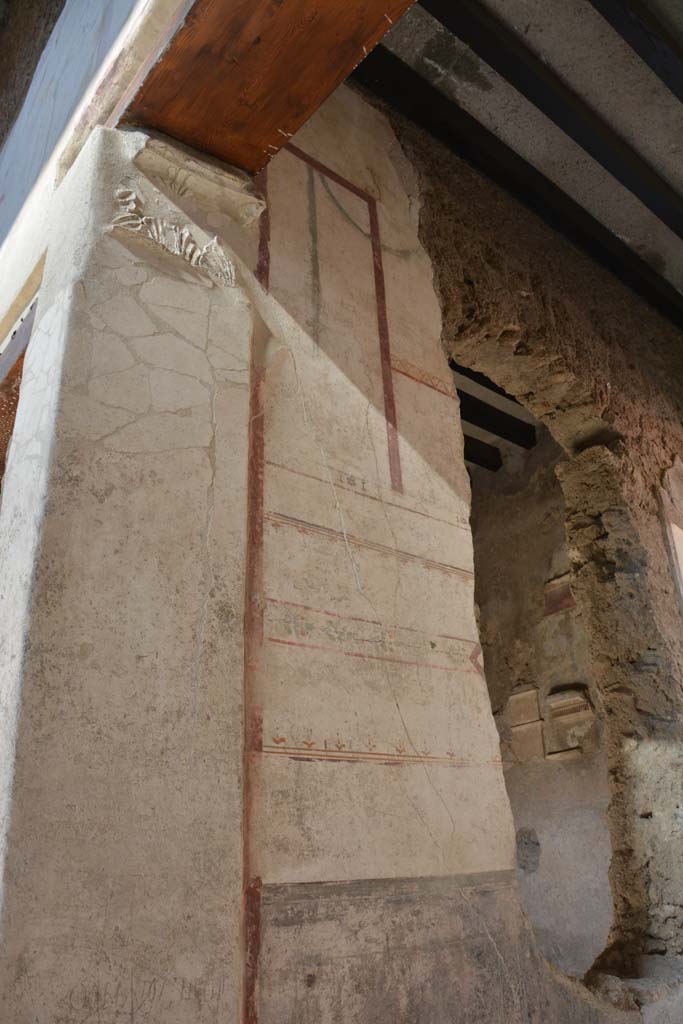
I.7.1
Pompeii. October 2019. Looking north along west side of entrance
corridor/fauces.
Foto Annette Haug, ERC Grant 681269 DÉCOR.
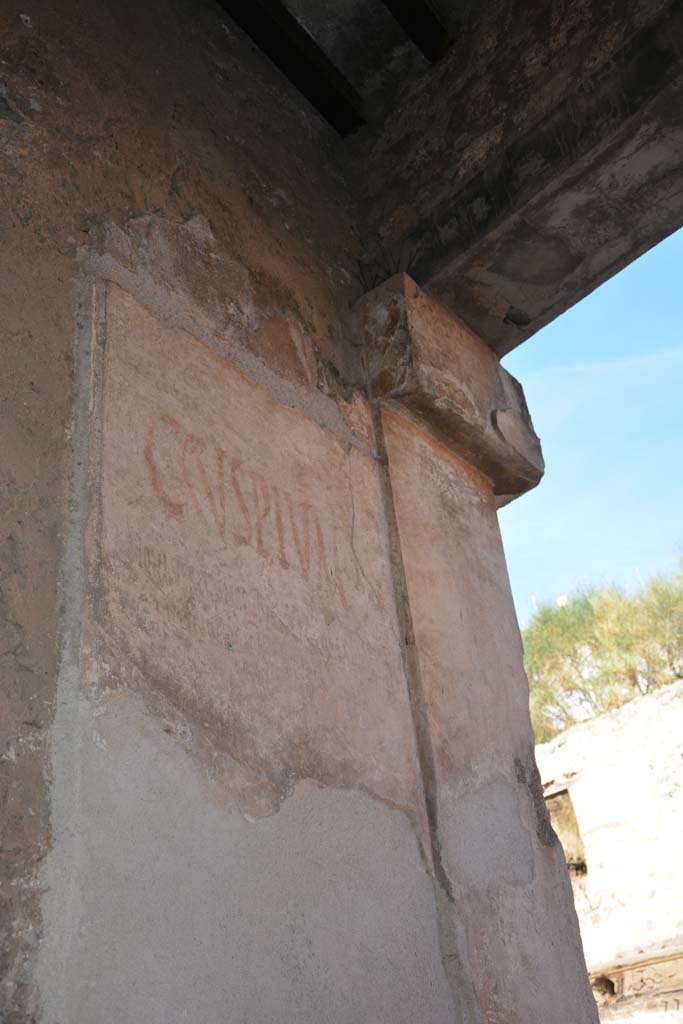
I.7.1 Pompeii. October 2019. Painted graffiti
on upper west wall of entrance corridor/fauces.
Foto Annette Haug, ERC
Grant 681269 DÉCOR.
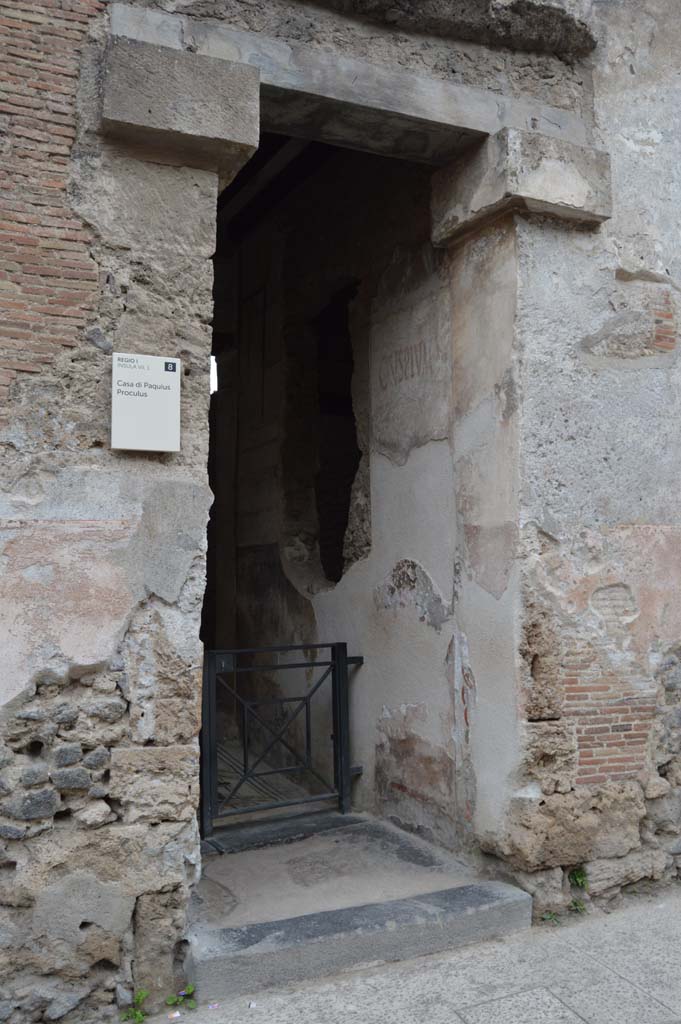
I.7.1, Pompeii. October 2017. Looking towards
west side of entrance doorway
Foto Taylor Lauritsen, ERC
Grant 681269 DÉCOR.
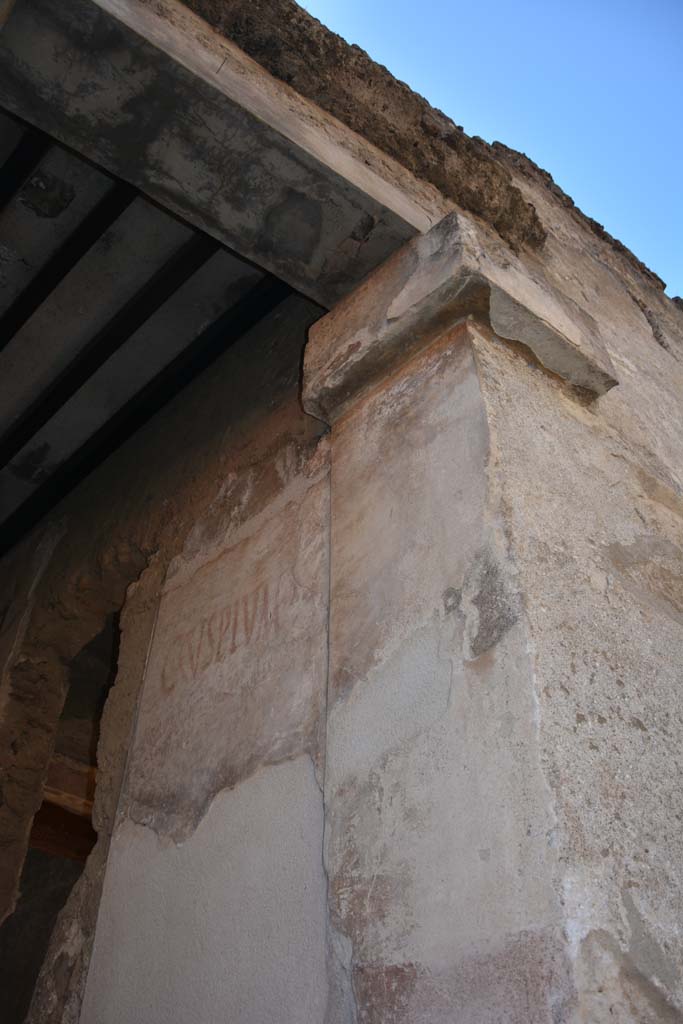
I.7.1
Pompeii. October 2019. Graffiti on upper west wall of entrance corridor/fauces.
Foto Annette Haug, ERC Grant 681269 DÉCOR.
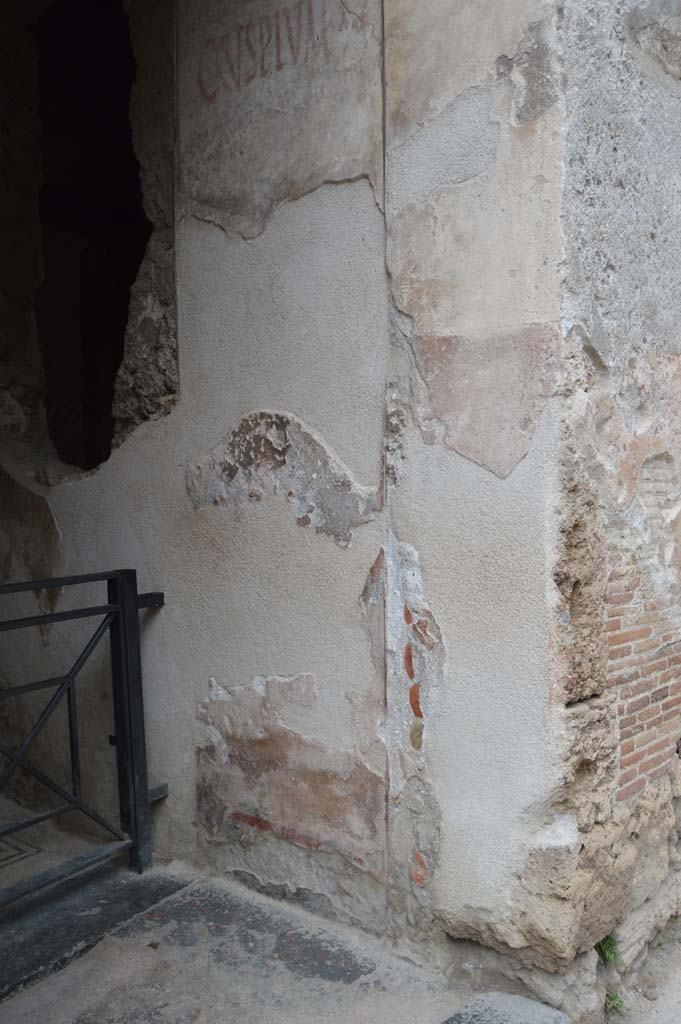
I.7.1, Pompeii. October 2017. Looking towards
west side of entrance corridor.
Foto Taylor Lauritsen, ERC
Grant 681269 DÉCOR.
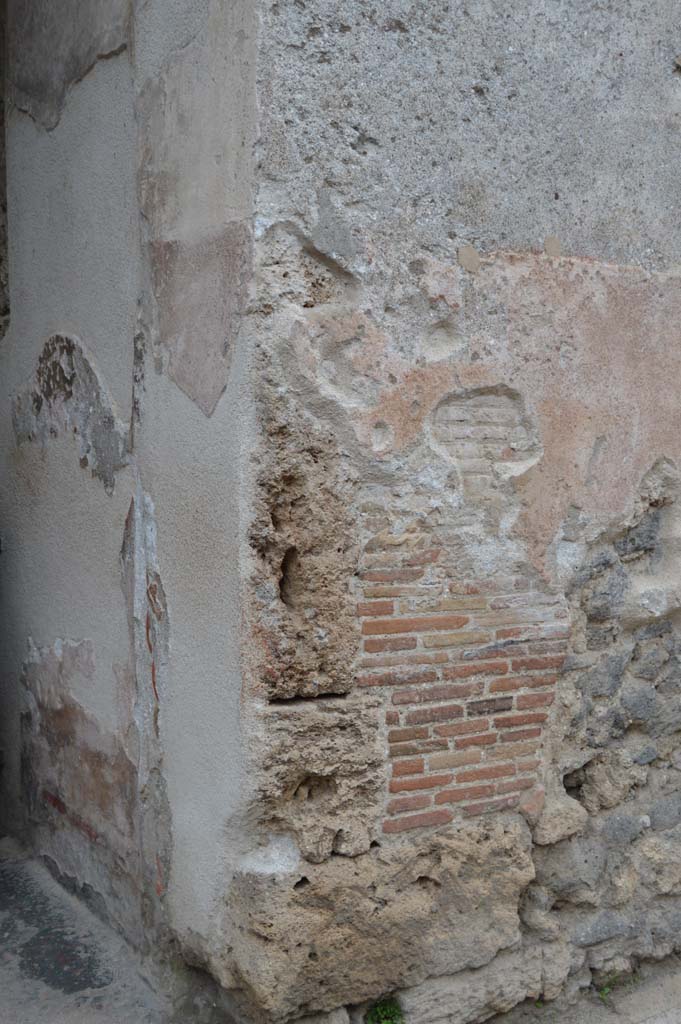
I.7.1, Pompeii. October 2017. Looking towards
exterior west side of entrance doorway
Foto Taylor Lauritsen, ERC
Grant 681269 DÉCOR.
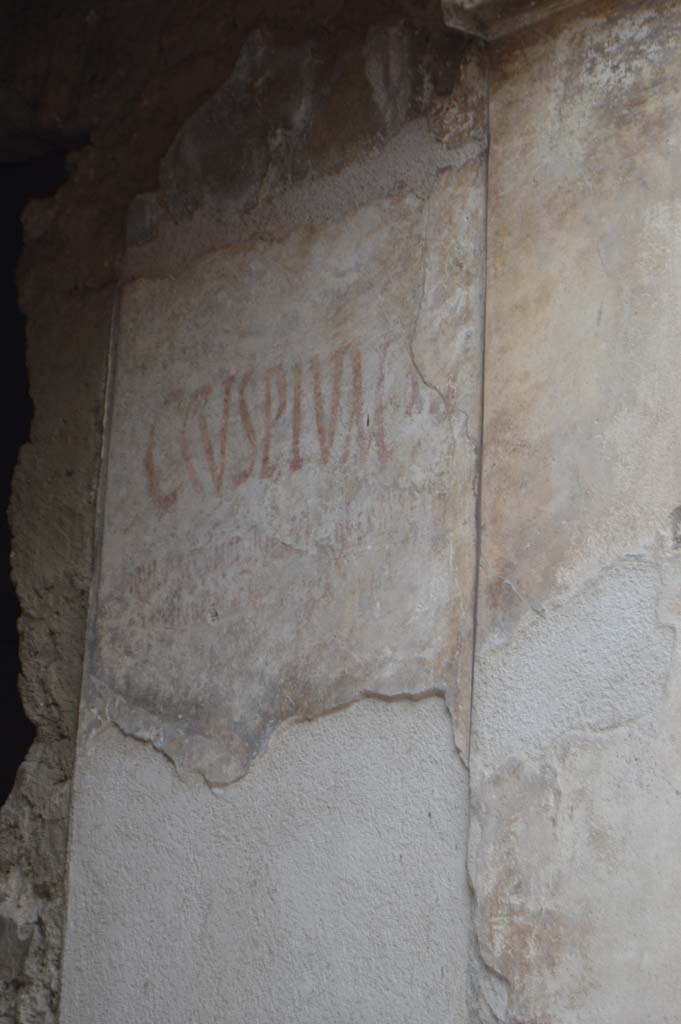
I.7.1 Pompeii. October 2017. West wall of
entrance corridor with painted graffiti.
Foto Taylor Lauritsen, ERC
Grant 681269 DÉCOR.
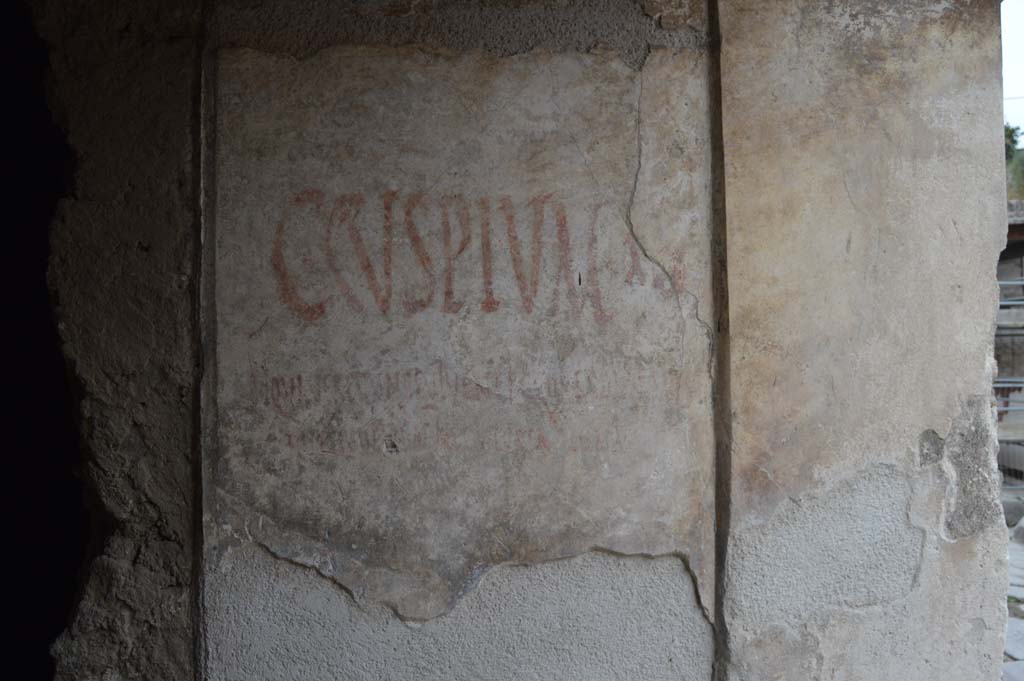
I.7.1 Pompeii. October 2017. Looking towards painted
graffiti on west wall of entrance corridor.
Foto Taylor Lauritsen, ERC
Grant 681269 DÉCOR.
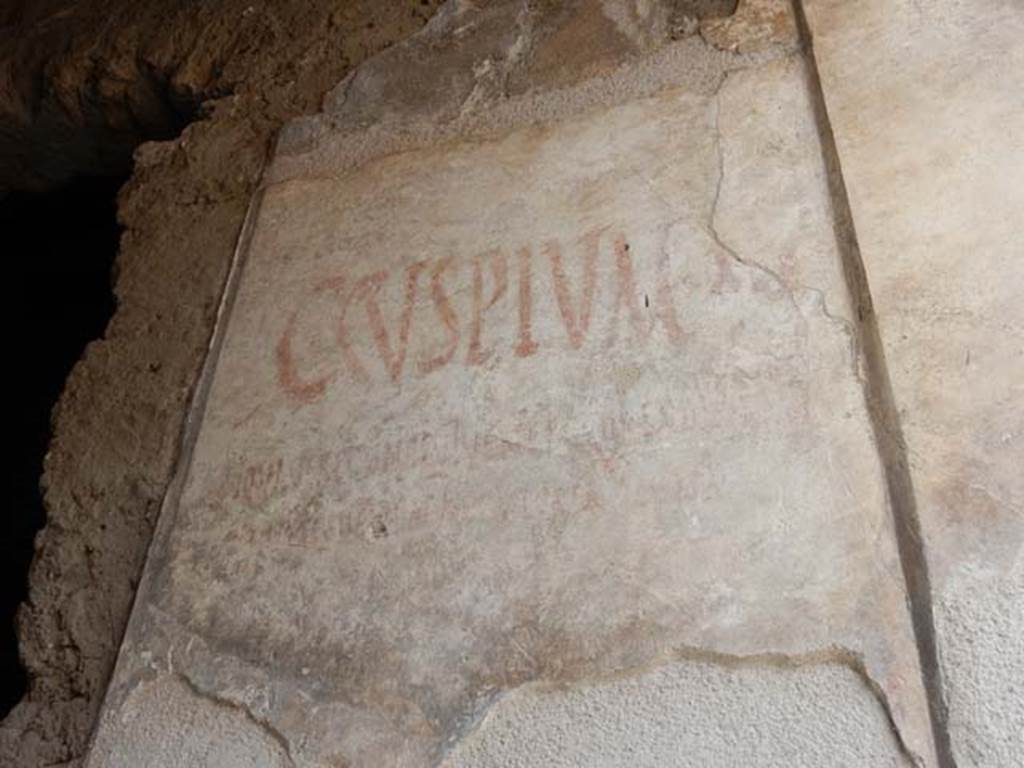
I.7.1 Pompeii. May 2016. Painted graffiti on west wall of entrance corridor/vestibule. Photo courtesy of Buzz Ferebee.
![I.7.1 Pompeii. December 2007. Painted graffiti on west side of vestibule.
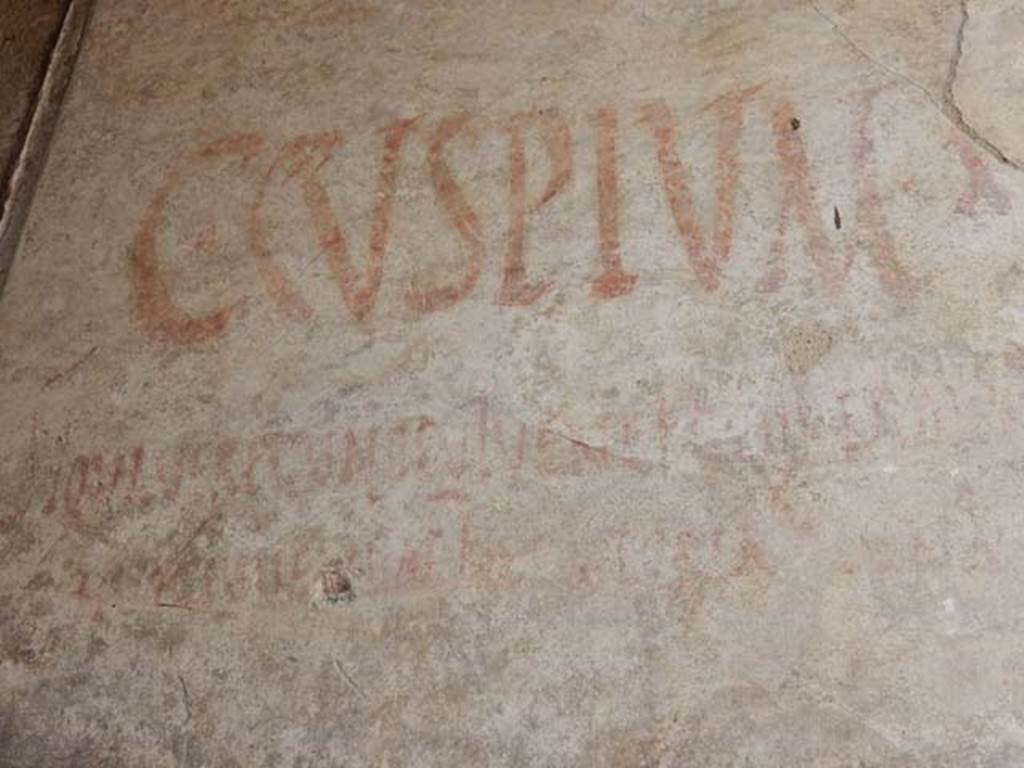
According to Della Corte, CIL IV 7201 was found on the right (west) wall of the vestibule - C. Cuspium Pansa aed(ilem).
Si qua verecunde viventi gloria est, Huic Iuveni debet gloria digna dari [CIL IV 7201]. See Della Corte, M., 1965. Case ed Abitanti di Pompei. Napoli: Fausto Fiorentino. (p. 310)](1%2007%2001_files/image044.jpg)
I.7.1 Pompeii. December 2007. Painted graffiti on west side of vestibule.
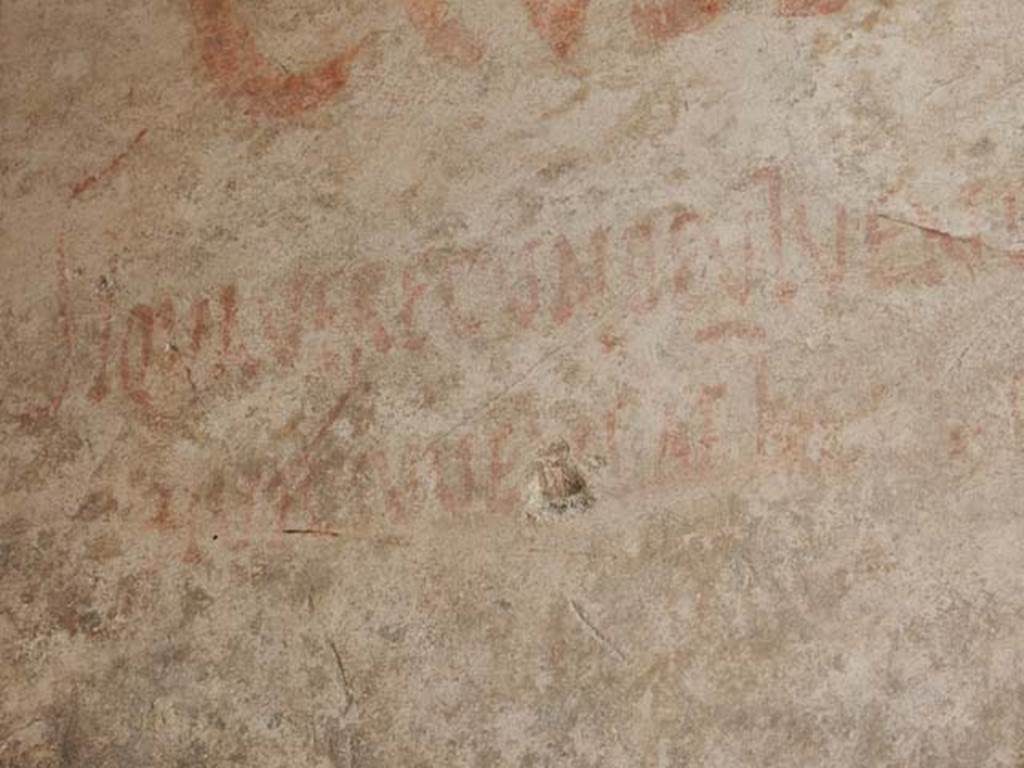
According to Della Corte, CIL IV 7201 was found on the right (west) wall of the vestibule -
C. Cuspium
Pansa aed(ilem).
Si qua verecunde
viventi gloria est, Huic Iuveni debet gloria digna dari [CIL IV 7201]
See Della Corte, M., 1965. Case ed Abitanti di Pompei. Napoli: Fausto Fiorentino. (p. 310)
I.7.1 Pompeii. May 2016. Detail of painted graffiti from west wall. Photo courtesy of Buzz Ferebee.
I.7.1 Pompeii. May 2016. Detail of painted graffiti from west wall. Photo courtesy of Buzz Ferebee.
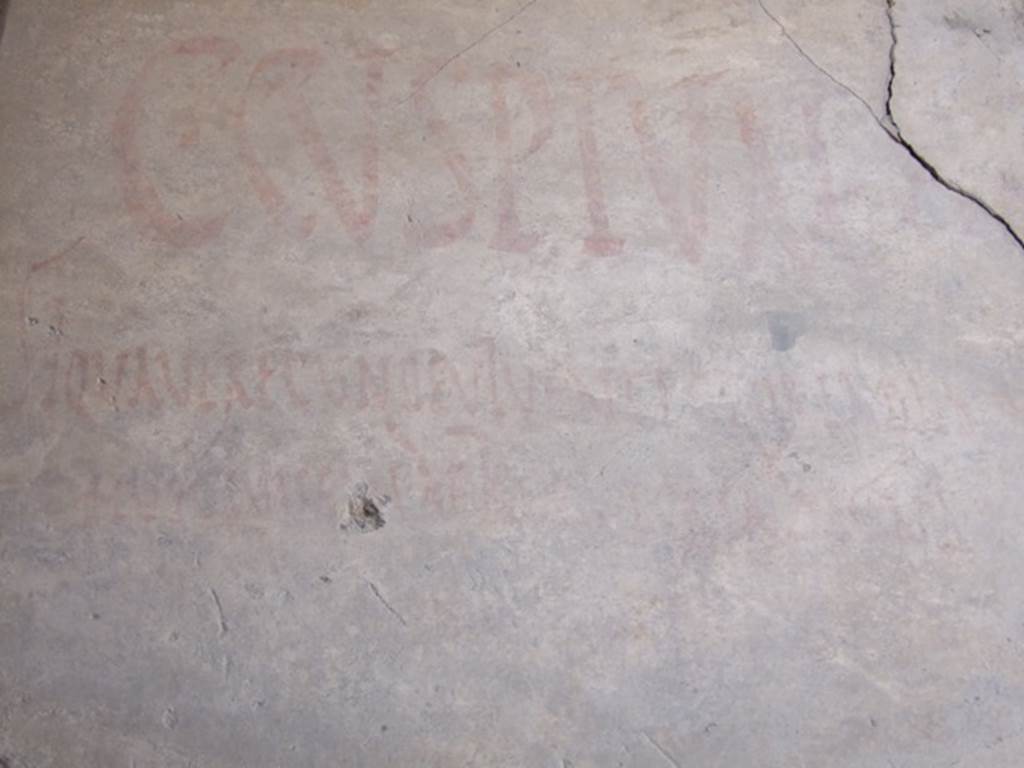
I.7.1 Pompeii. December 2007. Painted graffiti on west side of vestibule.
C. Cuspium
Pansa aed(ilem)
Si qua verecunde
viventi gloria est, Huic Iuveni debet gloria digna dari (CIL IV 7201)
See Della Corte,
M., 1965. Case ed Abitanti di Pompei.
Napoli: Fausto Fiorentino. (p. 310)
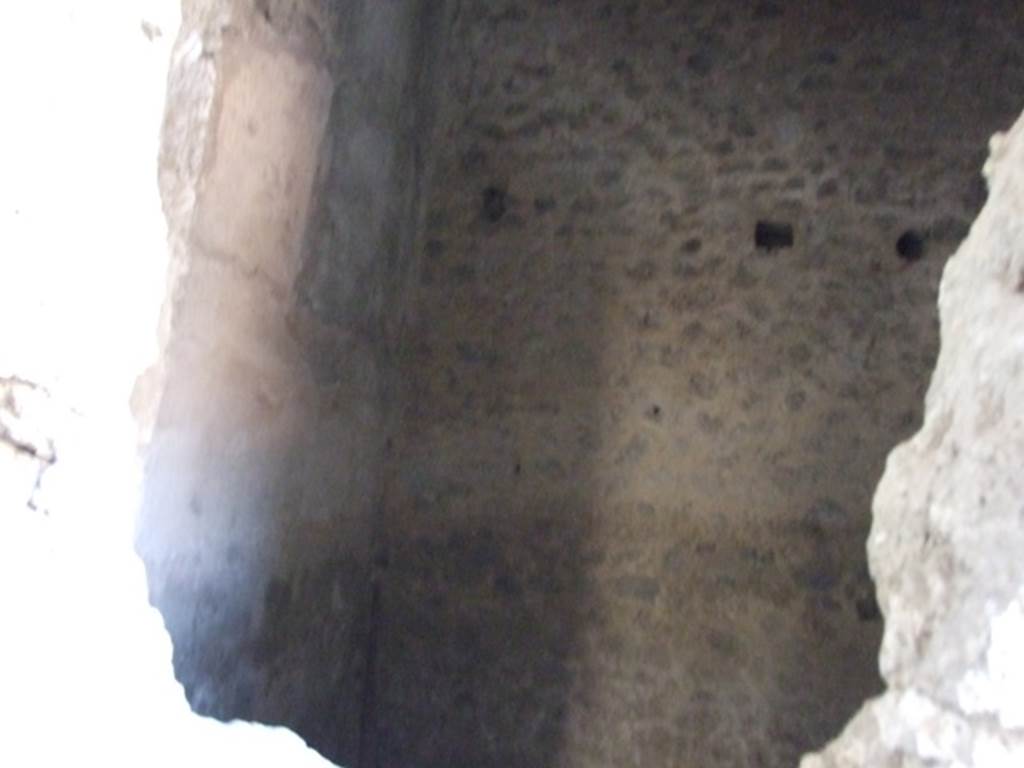
I.7.1 Pompeii. December 2007. Room on west side of fauces, looking through an ancient hole (con buco antico) made in the west wall of corridor/vestibule.
Discovered in this room were the remains of a bed, on top of which were placed some pottery dishes, placed there following the eruption.
Only the imprint of the wooden boards that formed the bed remained and the four iron feet which were covered in bronze.
The bed would have measured 2.13 m x 1.08 m.
The remains of the skeleton of a dog were recovered below the bed in the ash, searching in vain for a safe place to take refuge.
See Rivista di Studi Pompeiani, I, 1987,
(p.133).
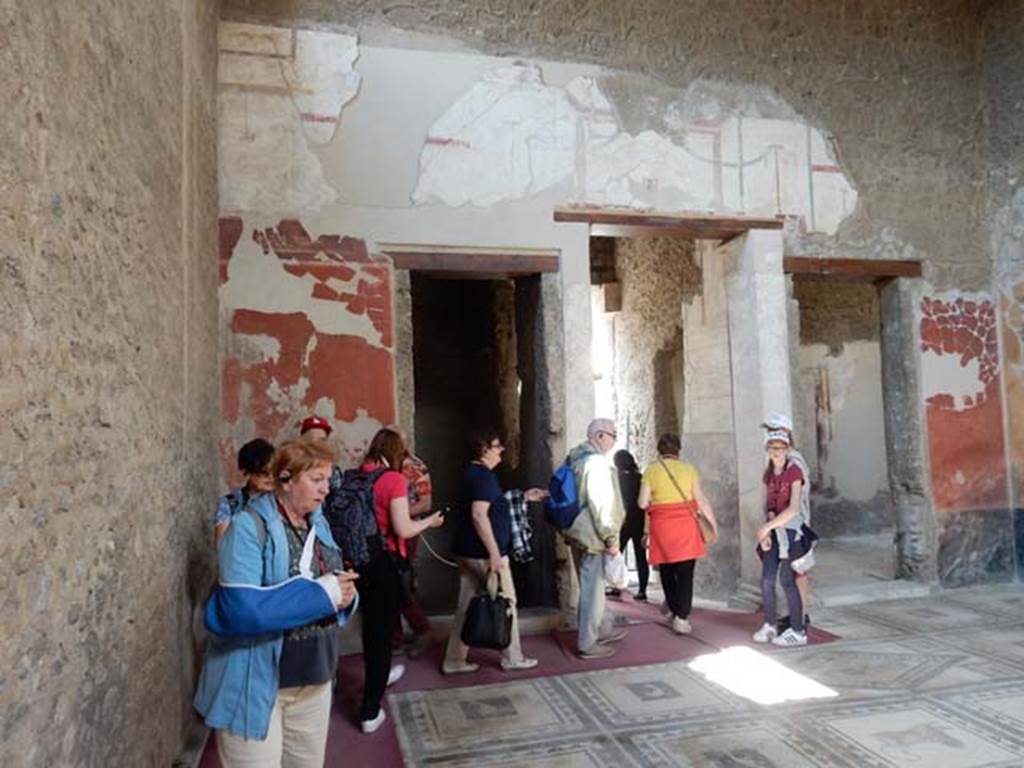
I.7.1 Pompeii. May 2016. Doorway to room in north-west corner of atrium, centre left. Photo courtesy of Buzz Ferebee.
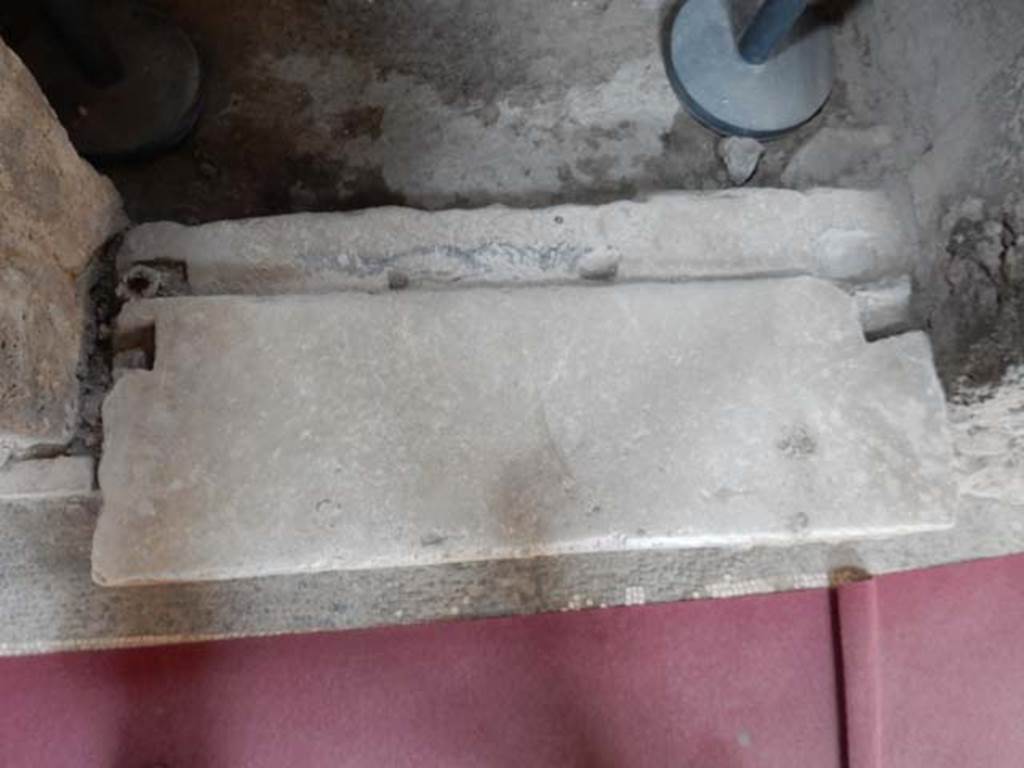
I.7.1 Pompeii. May 2016.
Entrance threshold between atrium, and room in north-west corner of atrium. Photo courtesy of Buzz Ferebee.
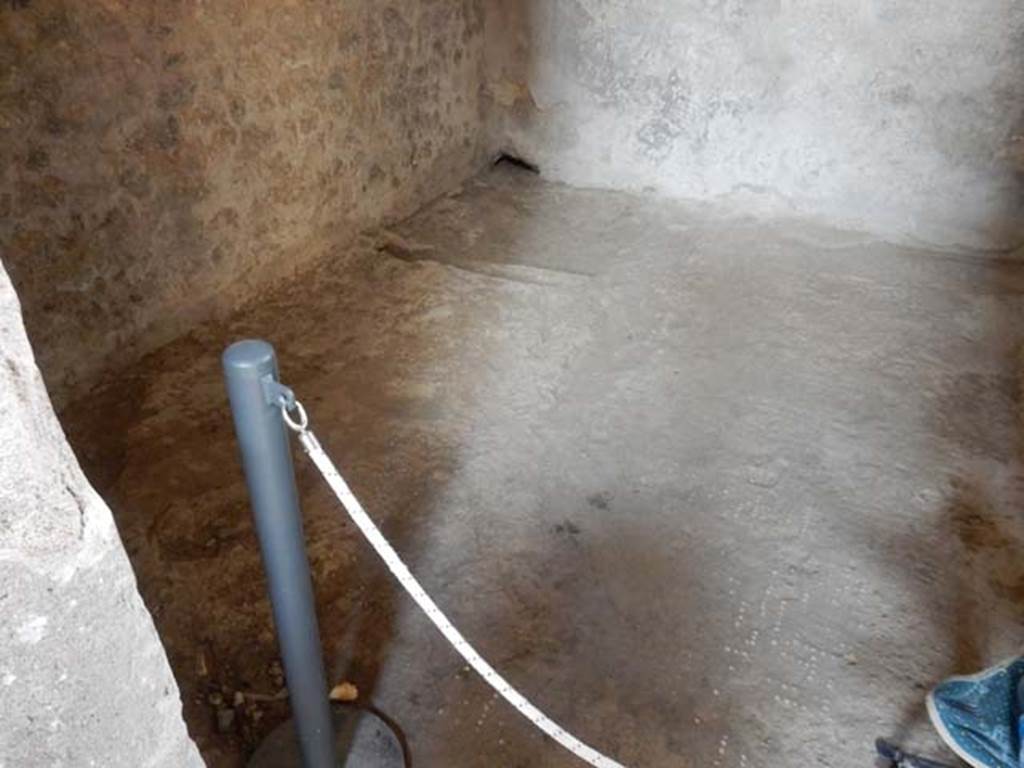
I.7.1 Pompeii. May 2016. Floor in room in north-west corner of atrium, taken from doorway in atrium. Photo courtesy of Buzz Ferebee.
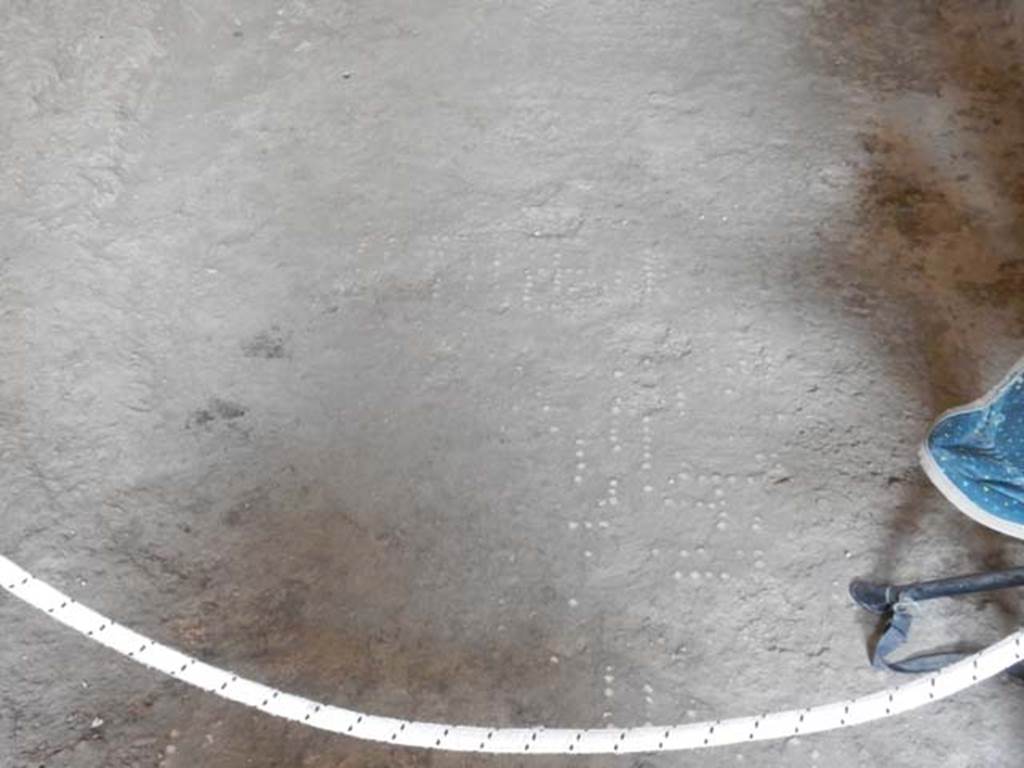
I.7.1 Pompeii. May 2016. Floor in room in north-west corner of atrium, taken from doorway in atrium. Photo courtesy of Buzz Ferebee.
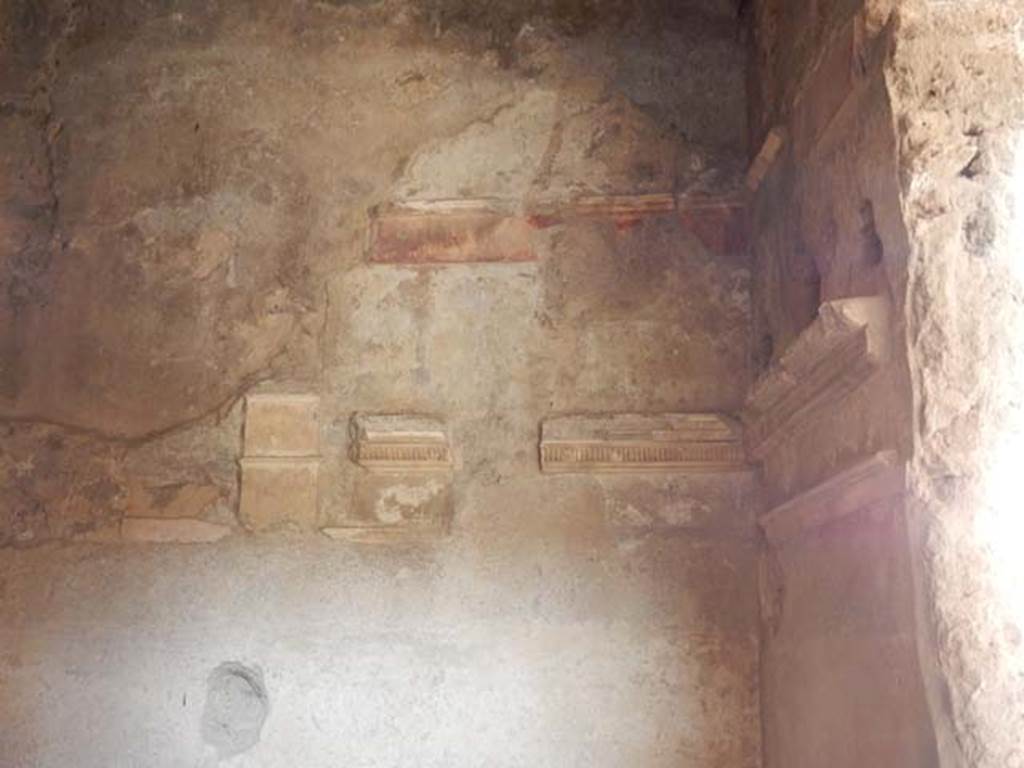
I.7.1 Pompeii. May 2016. Looking north from doorway in atrium towards the north-east corner of the room.
The ancient hole (buco antico) can be seen on the right. Photo courtesy of Buzz Ferebee.
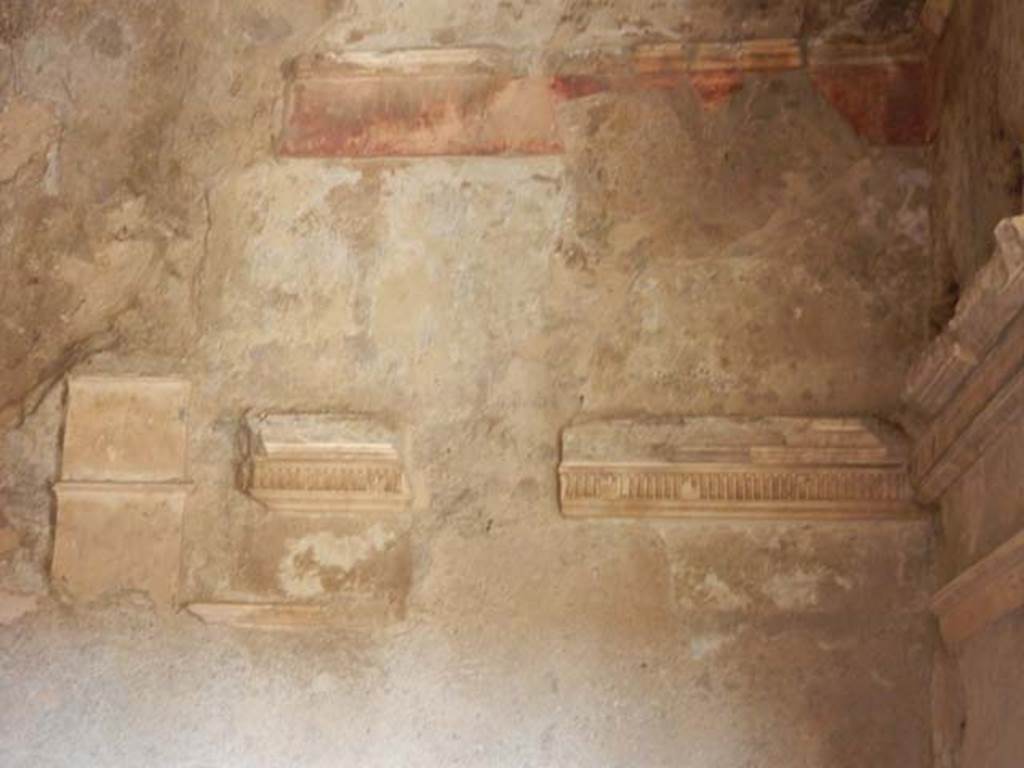
I.7.1 Pompeii. May 2016.
Looking towards the upper part of the north wall comprising of an upper part of a pilaster and moulded stucco cornice.
Photo courtesy of Buzz Ferebee.
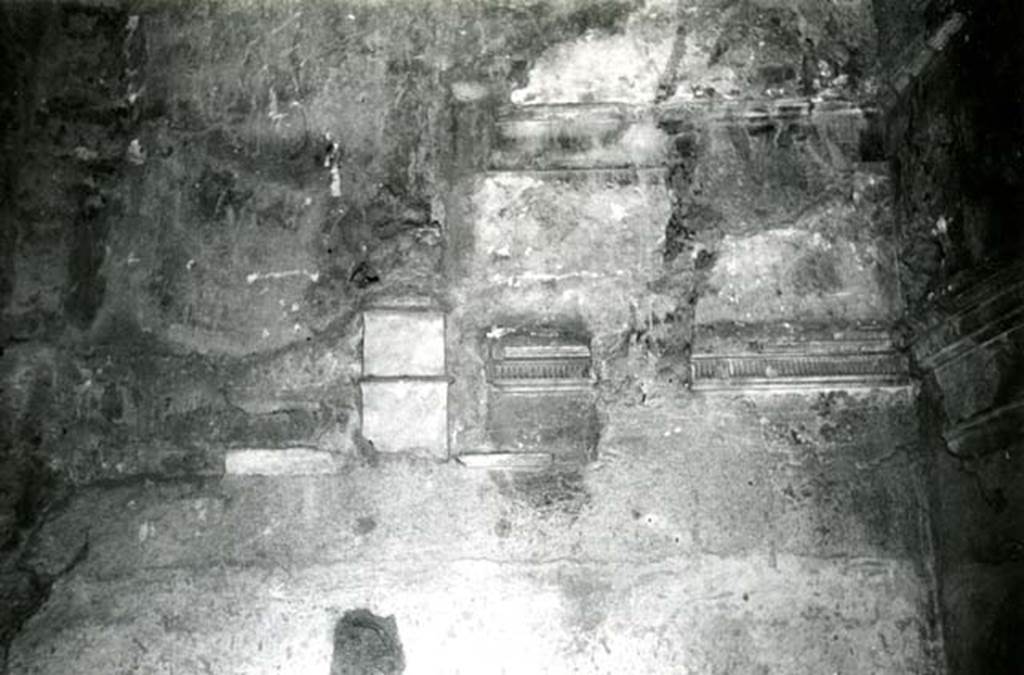
I.7.1 Pompeii. 1972. Domus of P. Paquius Proculus, cubiculum right, N wall. Photo courtesy of Anne Laidlaw.
American Academy in Rome, Photographic Archive. Laidlaw collection _P_72_12_35.
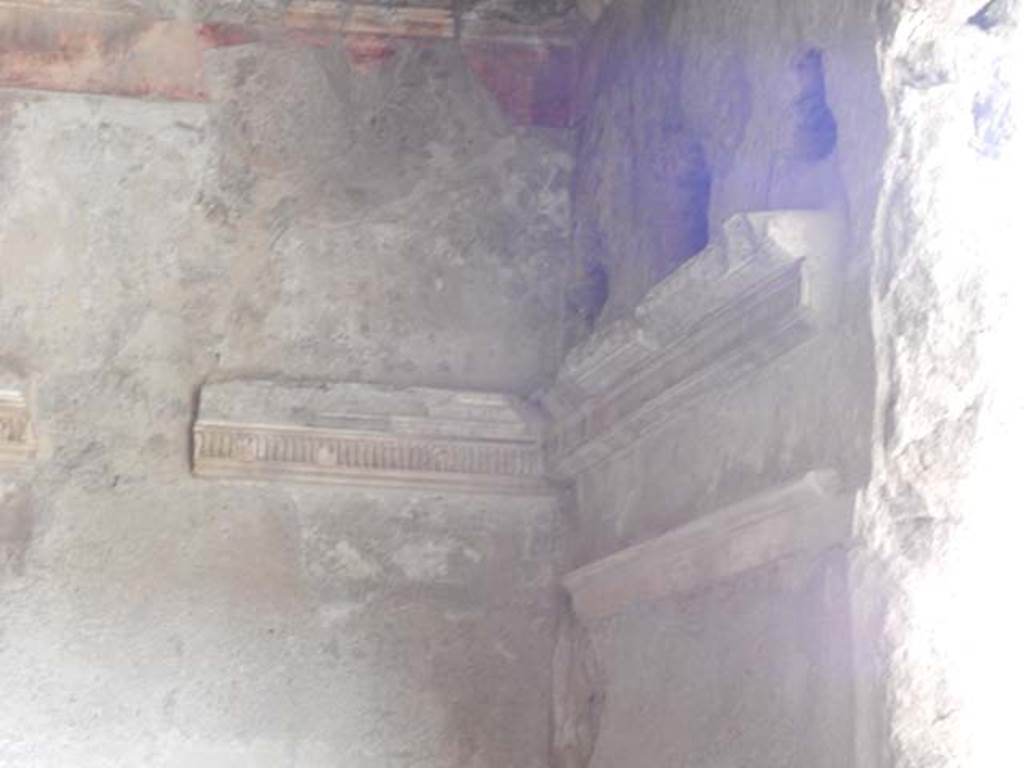
I.7.1 Pompeii. May 2016.
Looking towards the upper part of the north-east corner with moulded stucco cornice. Photo courtesy of Buzz Ferebee.
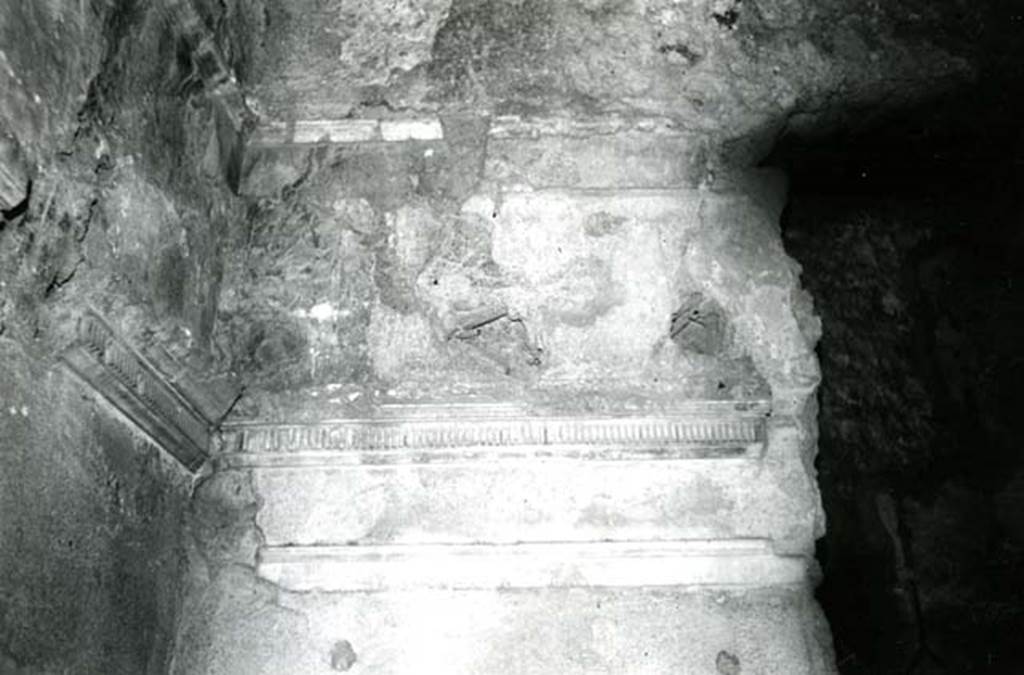
I.7.1 Pompeii. 1972. Domus of P. Paquius Proculus, cubiculum right, E wall. Photo courtesy of Anne Laidlaw.
American Academy in Rome, Photographic Archive. Laidlaw collection _P_72_12_34.
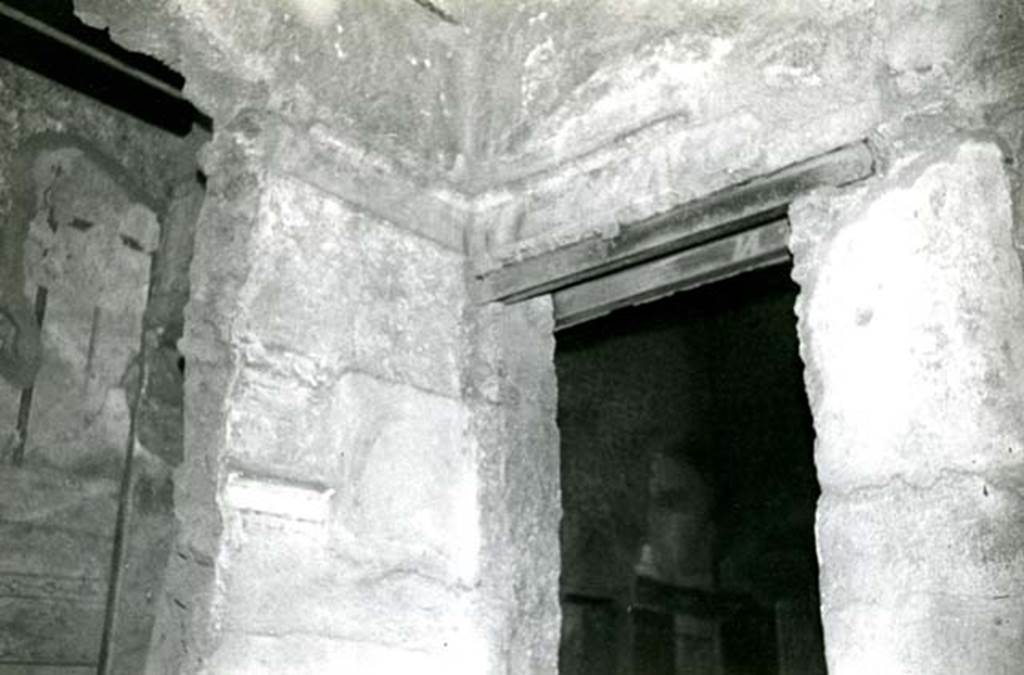
I.7.1 Pompeii. 1972.
Domus of P. Paquius Proculus, cubiculum right, SE corners, with doorway to atrium. Photo courtesy of Anne Laidlaw.
American Academy in Rome, Photographic Archive. Laidlaw collection _P_72_13_3.
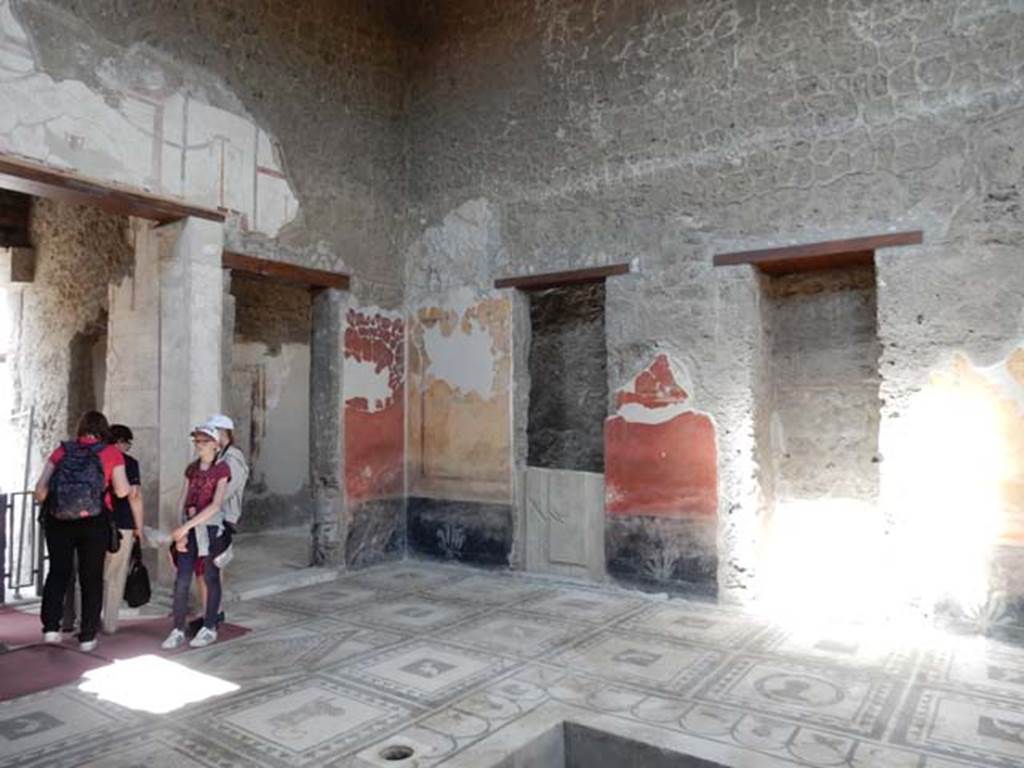
I.7.1 Pompeii. May 2016. Looking towards north-east corner of atrium.
On the left is the doorway from the entrance corridor/vestibule, and next to it the doorway to the cubiculum. Photo courtesy of Buzz Ferebee.
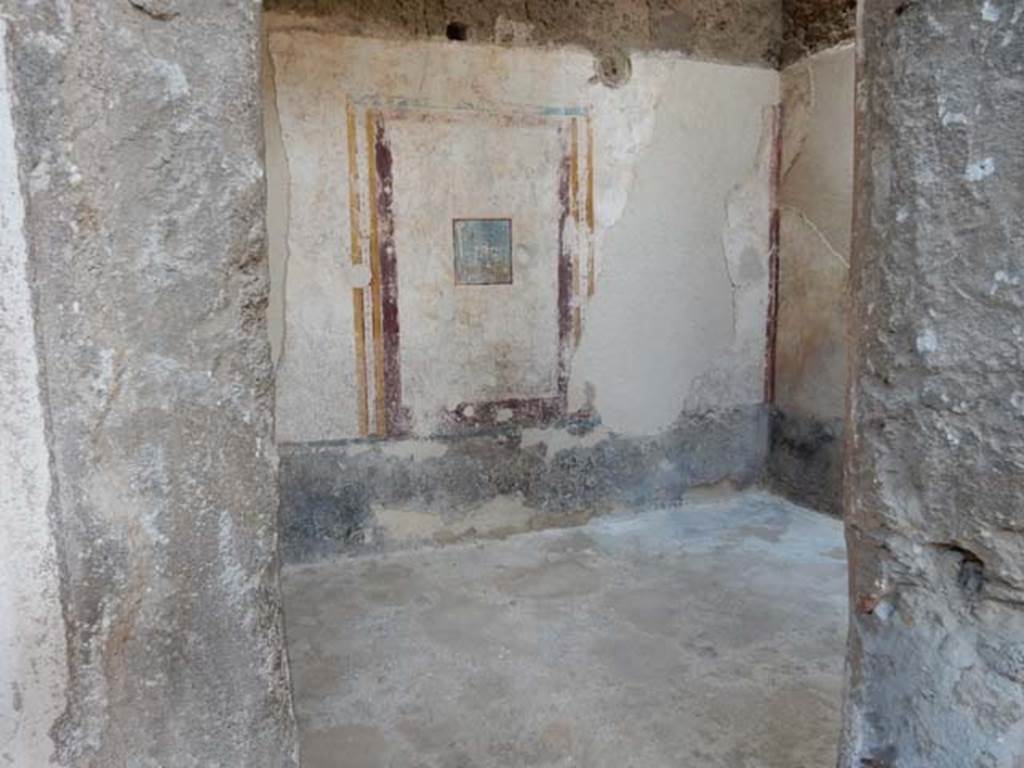
I.7.1 Pompeii. May 2016. Looking towards north wall of cubiculum, from doorway in atrium. Photo courtesy of Buzz Ferebee.
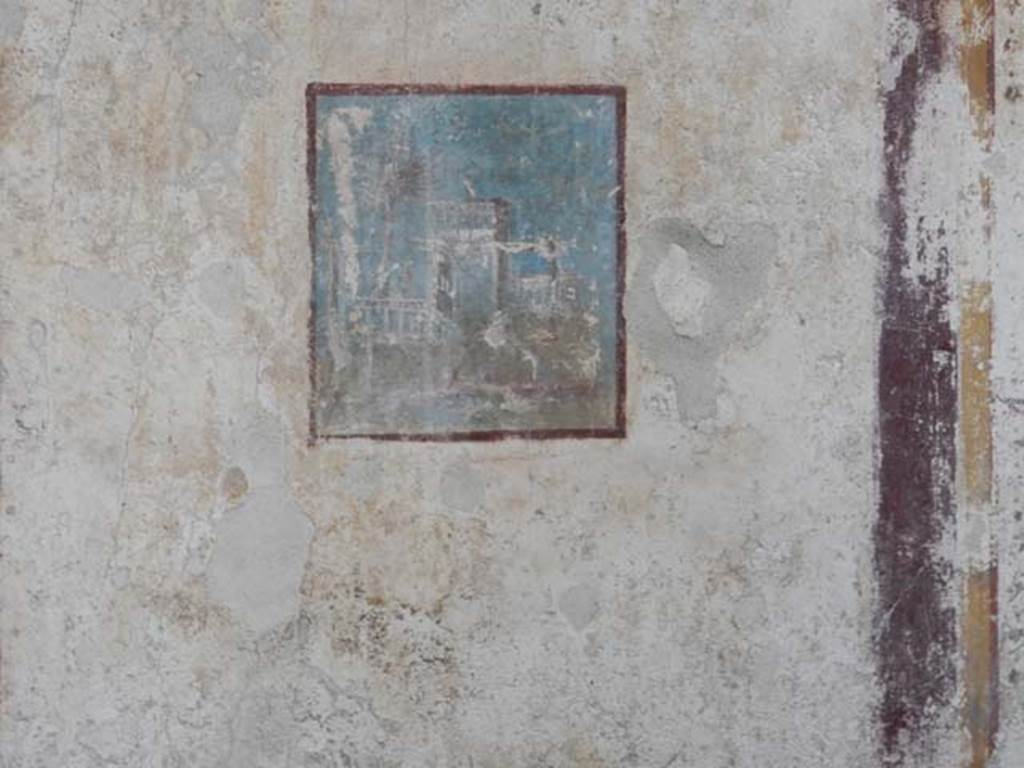
I.7.1 Pompeii. May 2016.
Detail of painting of sacred landscape from north wall of cubiculum, looking from atrium. Photo courtesy of Buzz Ferebee.
Part 1 Part 2
Part 3 Part 4 Part 5 Part 6