I.6.2 Pompeii. Casa del Criptoportico or House of Cryptoporticus or House of T. Lucretius Carus.
Part: 1 2 3 4 5 6 7 8 9 10 11 12 13_
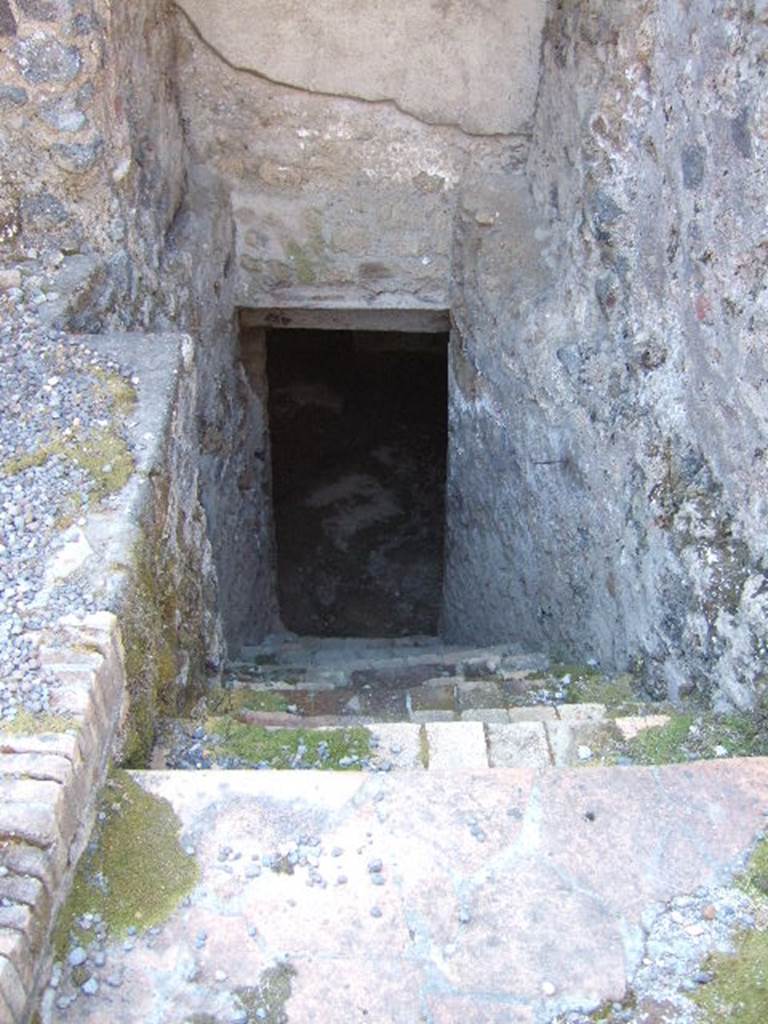
I.6.2 Pompeii. May 2006.
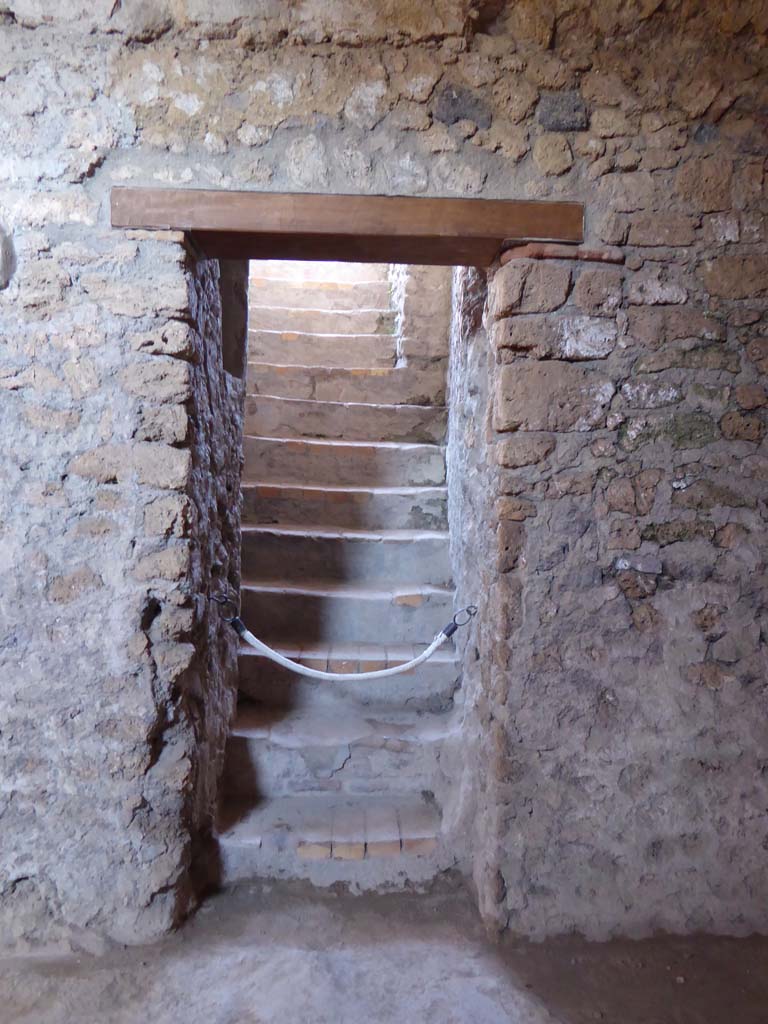
Stairs down to north wing of cryptoporticus, from the small peristyle garden, looking south.
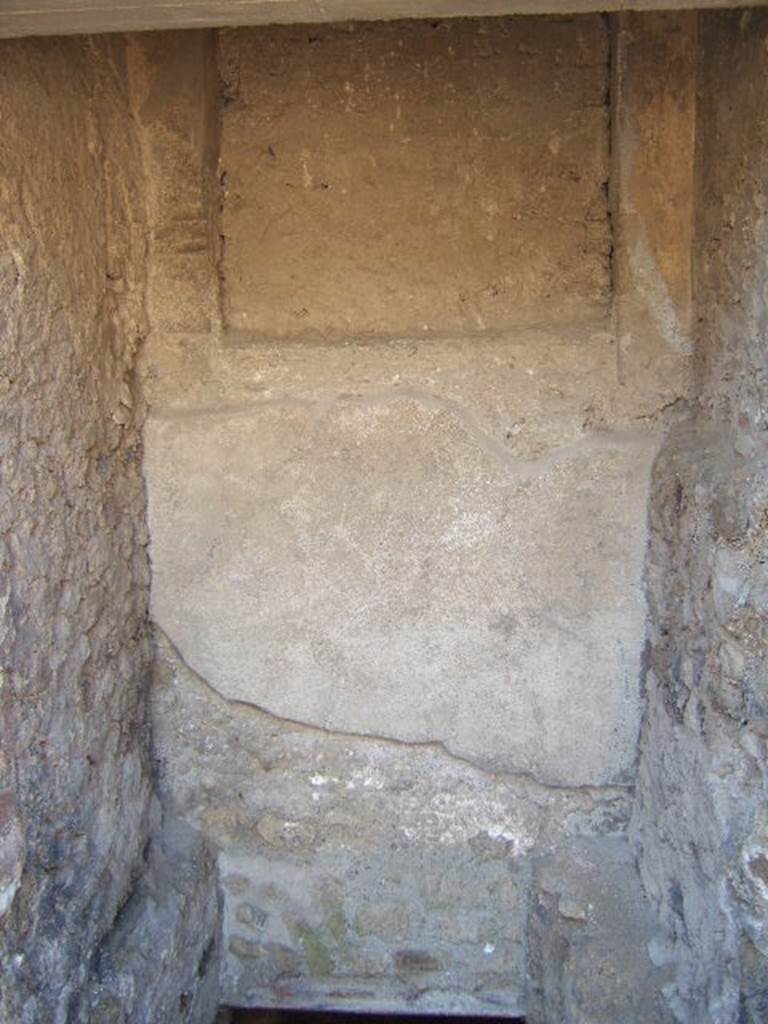
I.6.2 Pompeii. May 2006. South wall above stairs to lower floor.
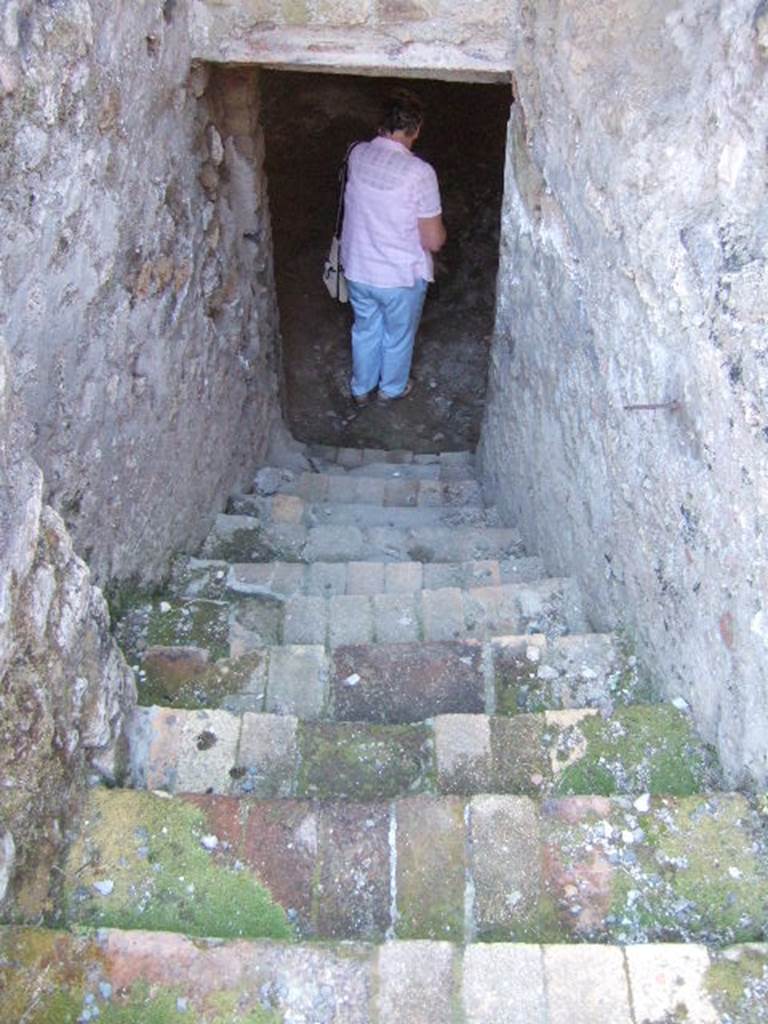
I.6.2 Pompeii. May 2006. Stairs to lower floor, looking south.
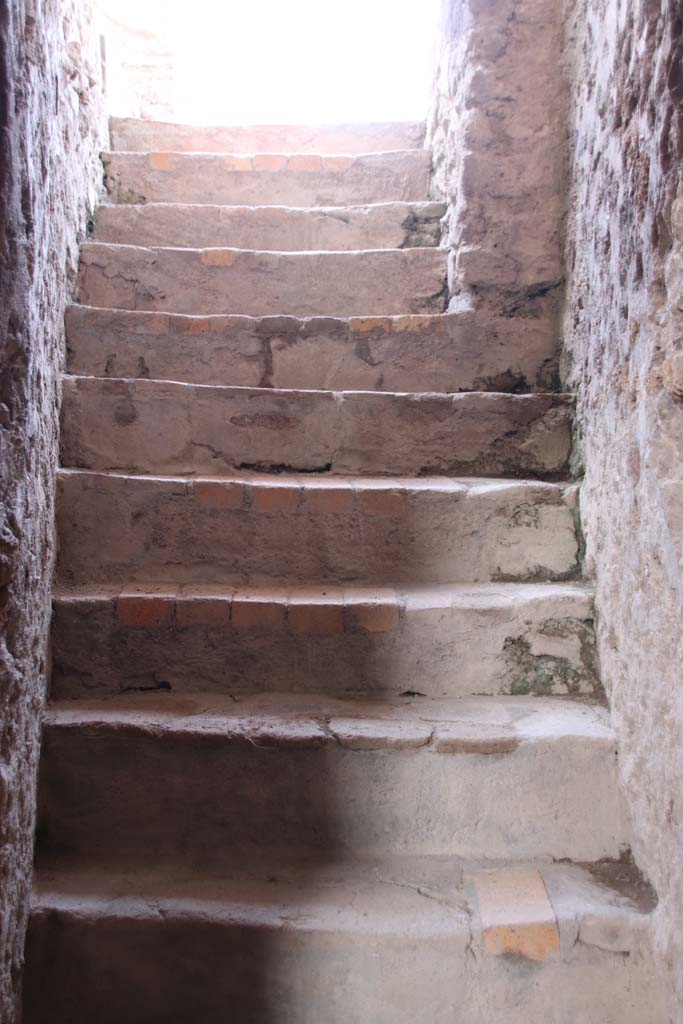
I.6.2
Pompeii. September 2019.
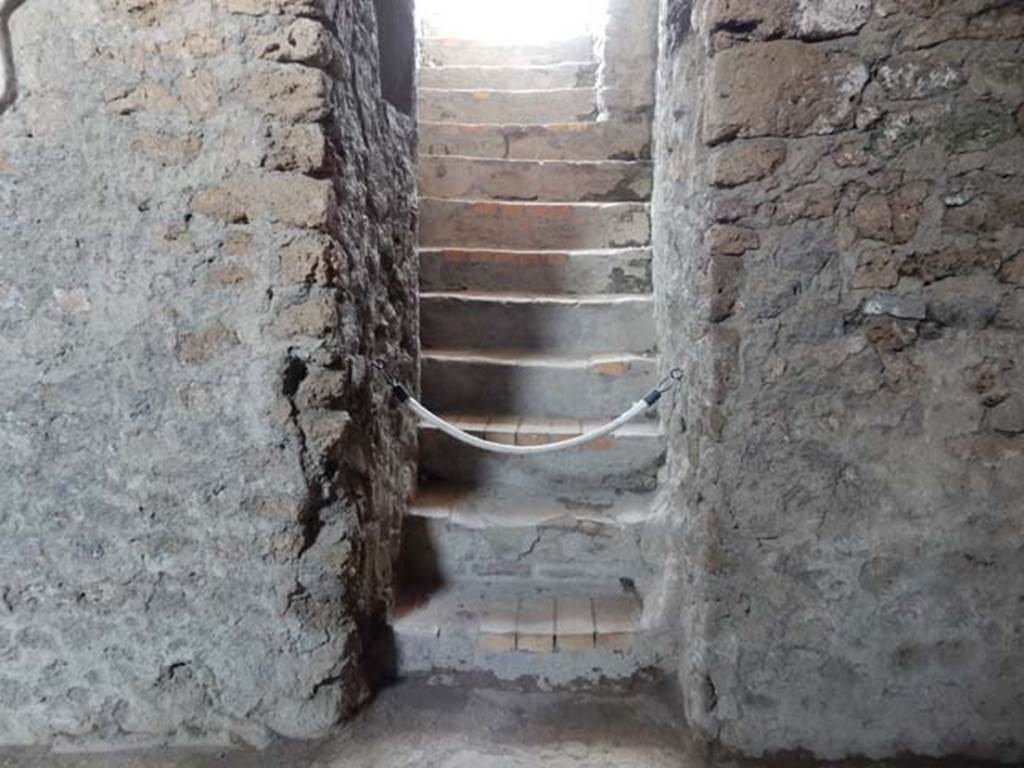
Stairs from lower floor to garden area. Photo
courtesy of Klaus Heese.
I.6.2 Pompeii. September 2017. Steps up to small garden area on south side of atrium.
Foto Annette Haug, ERC Grant 681269 DÉCOR.
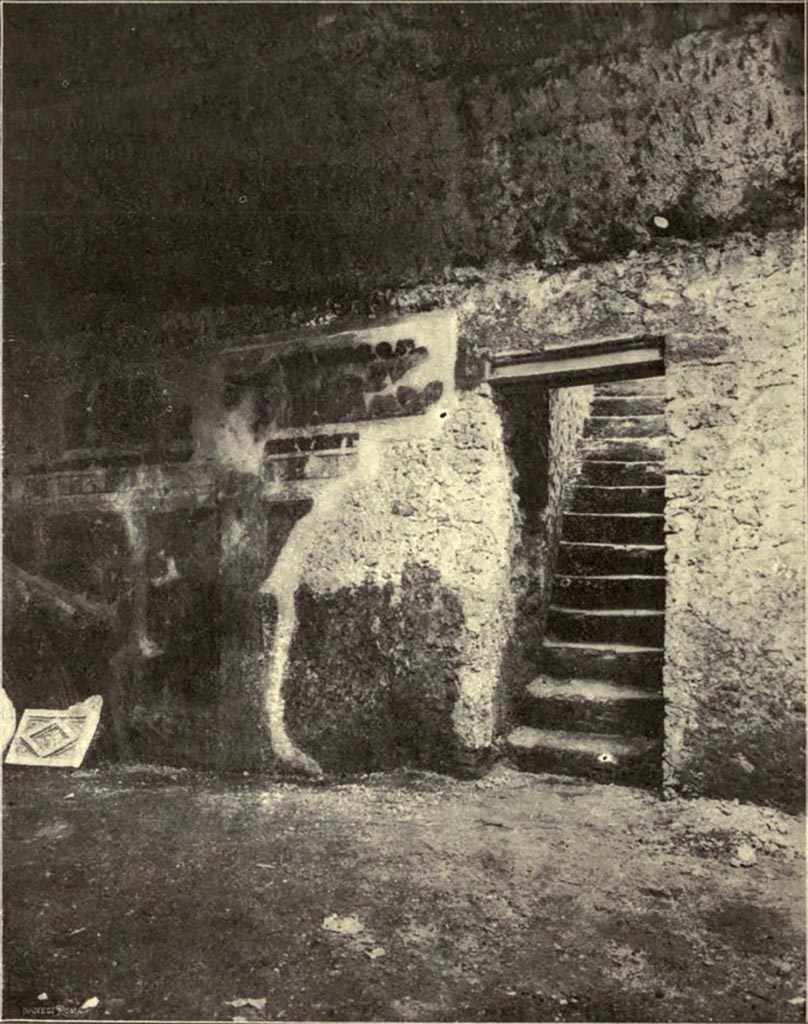
I.6.2 Pompeii. May 2017.
North wall of north wing of cryptoporticus showing stairs up to upper small peristyle garden. Photo courtesy of Buzz Ferebee.
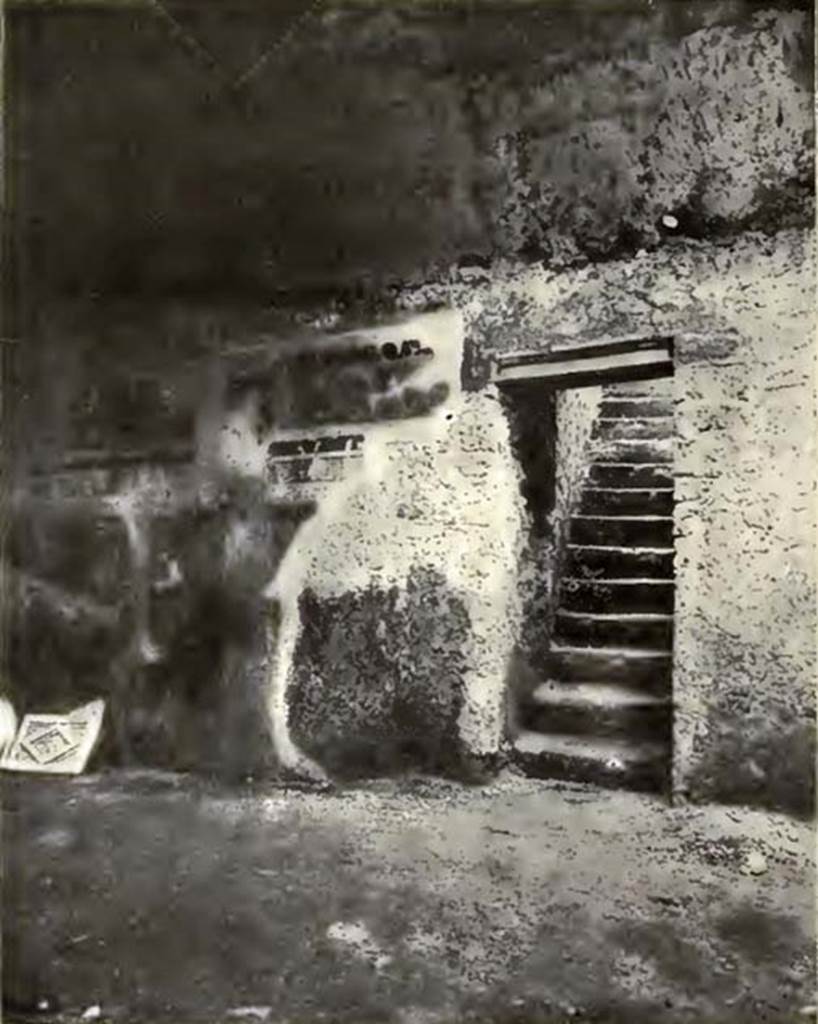
I.6.2 Pompeii. 1914. North wall of north wing of cryptoporticus showing stairs to upper small peristyle garden.
See Notizie degli Scavi di Antichità, 1914, Vol. XI, p. 258 (fig. 2).
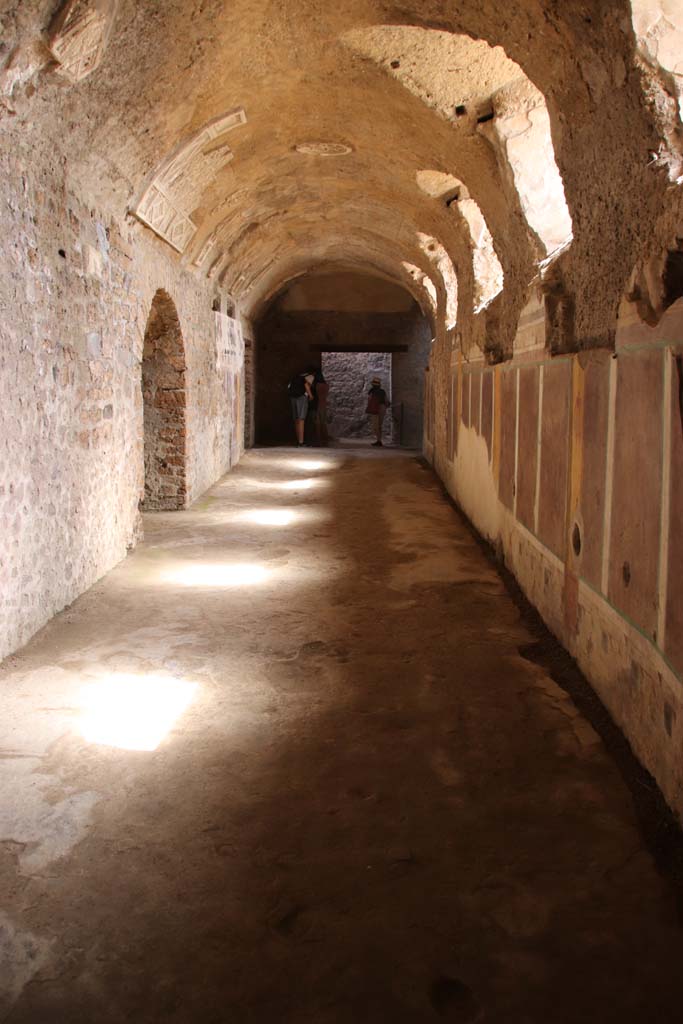
I.6.2 Pompeii. October 2023. Looking east along north wing of
cryptoporticus. Photo courtesy of Johannes Eber.
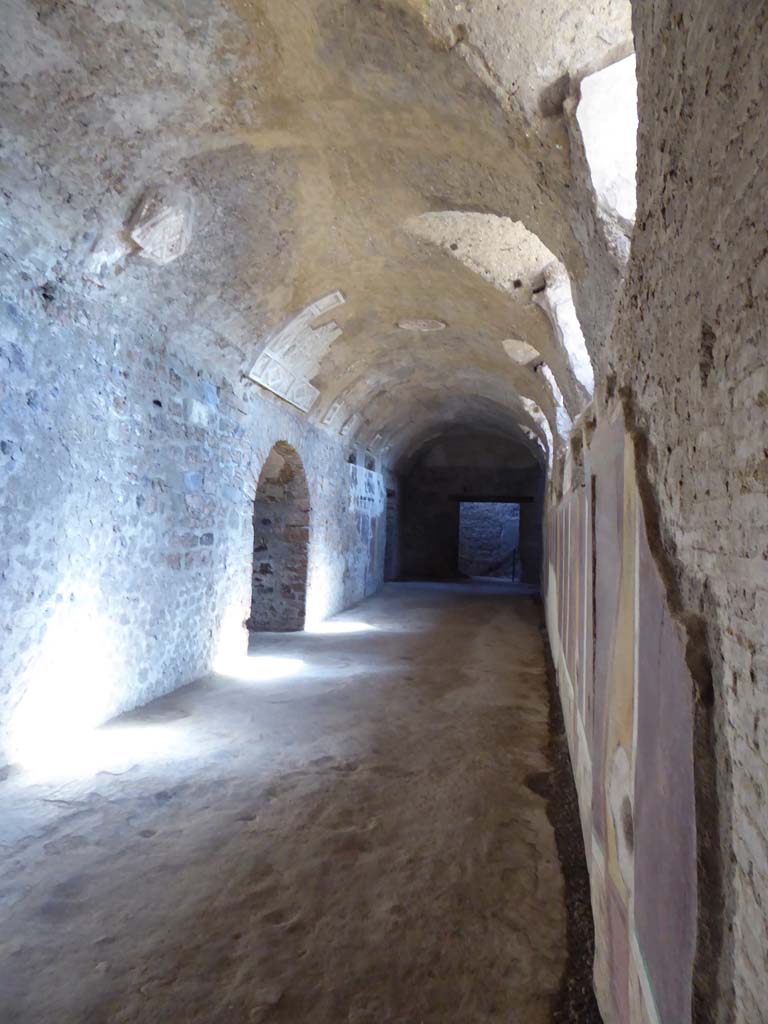
I.6.2
Pompeii. September 2019.
Looking towards east end of north wing. Photo
courtesy of Klaus Heese.
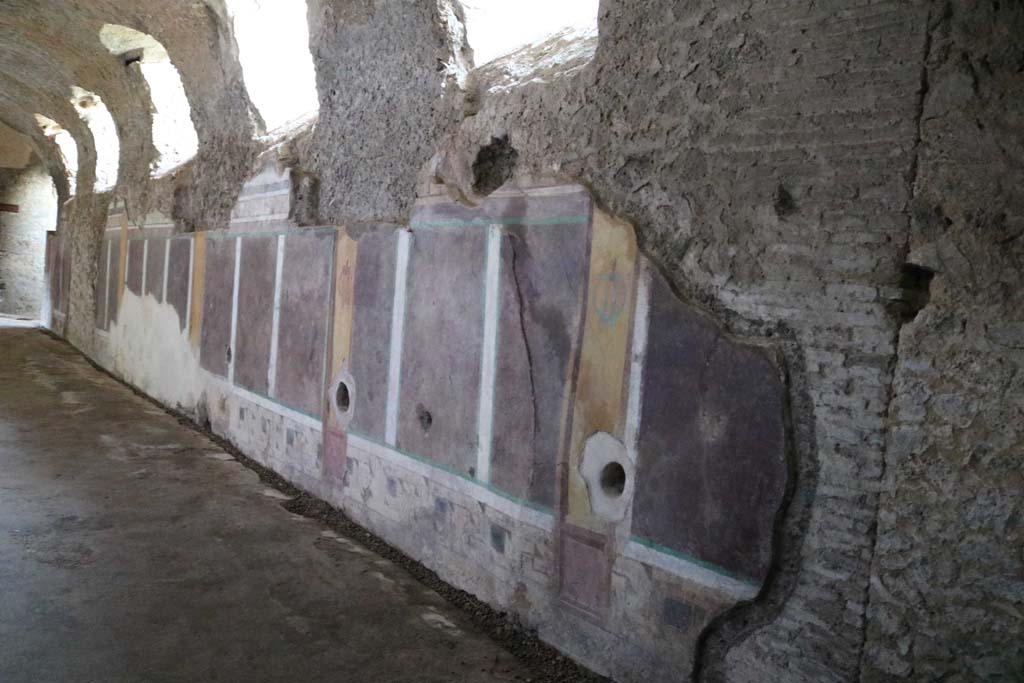
I.6.2
Pompeii. September 2017. Looking towards east end of north wing.
Foto Annette Haug, ERC Grant
681269 DÉCOR.
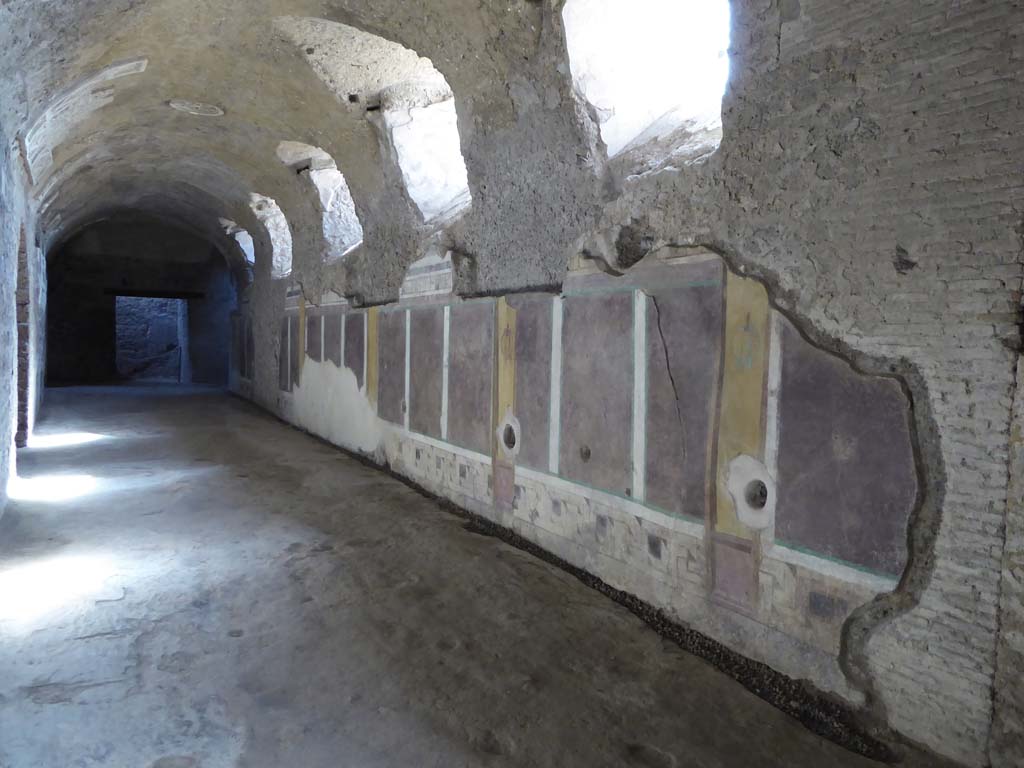
I.6.2
Pompeii. December 2018. Looking east along south wall of north wing of
cryptoporticus. Photo courtesy of Aude Durand.
I.6.2
Pompeii. September 2017. Looking east along south wall of north
wing of cryptoporticus.
Foto Annette Haug, ERC Grant
681269 DÉCOR.
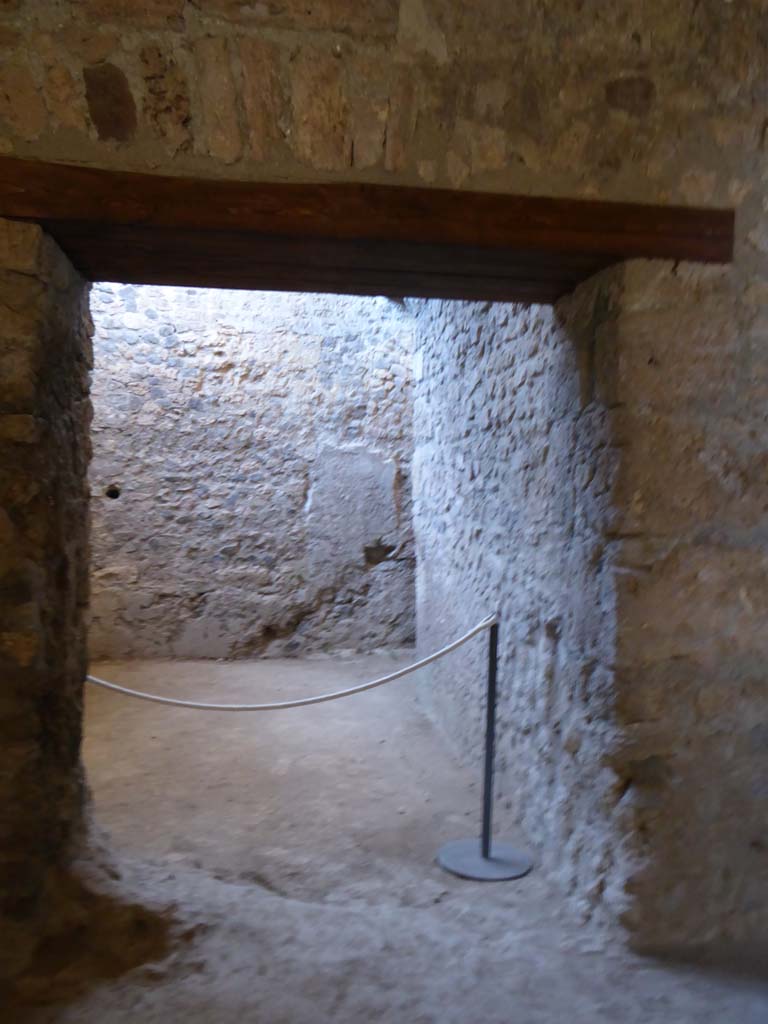
Foto Annette Haug, ERC Grant 681269 DÉCOR.
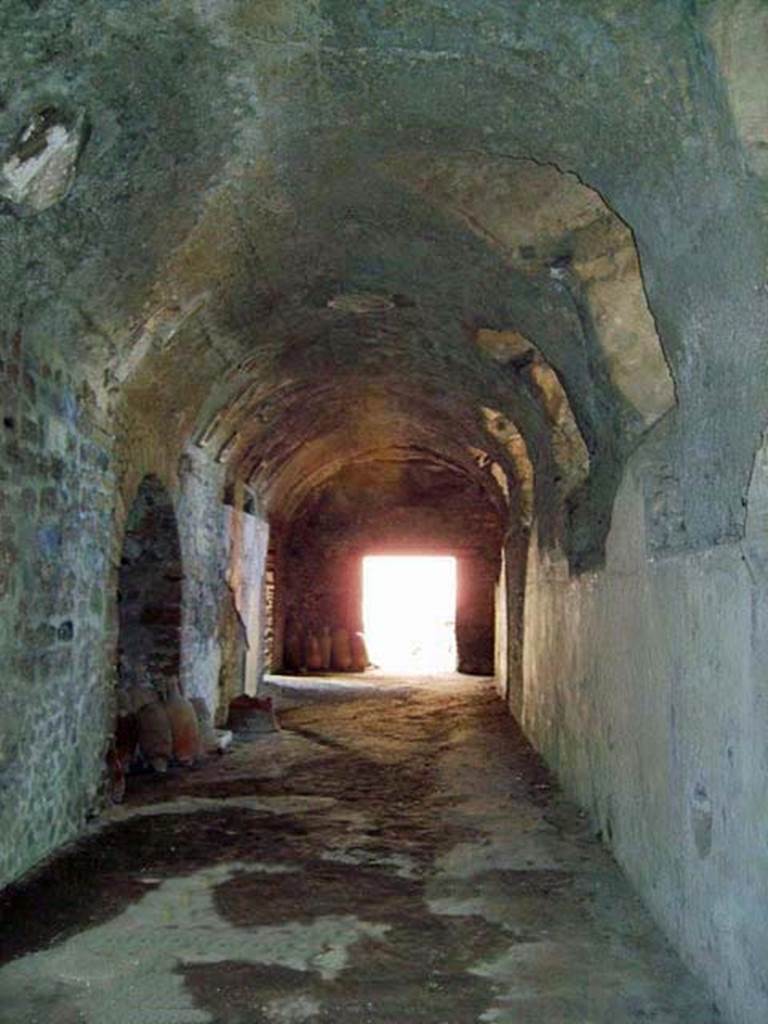
I.6.2 Pompeii. December 2007. Looking east along north wing of cryptoporticus.
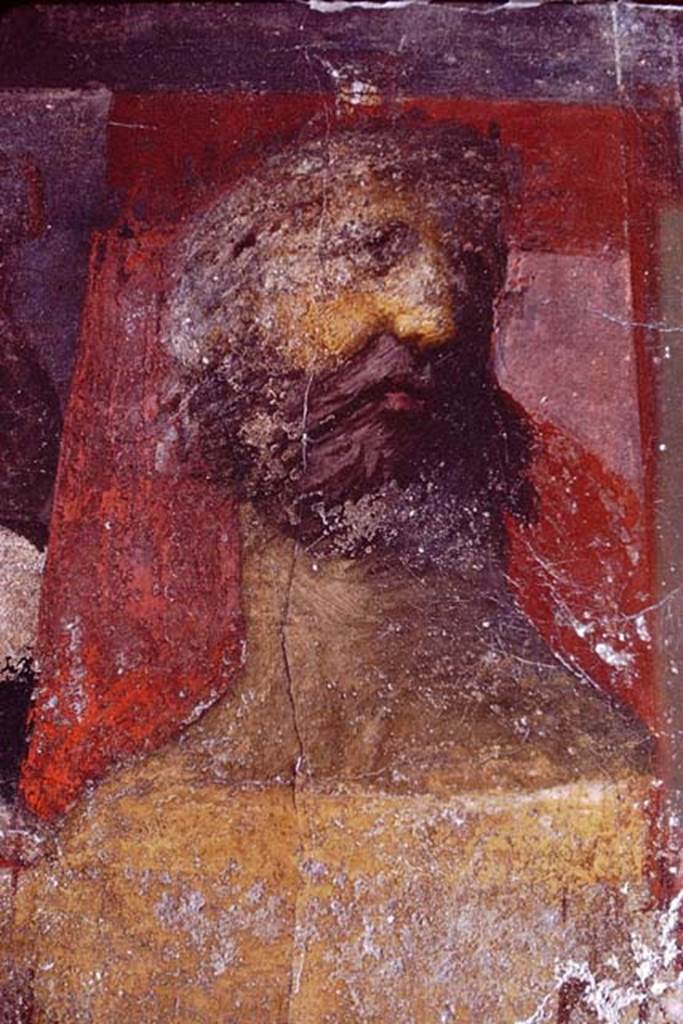
I.6.2 Pompeii, 1968.
Wall painting of bearded figure found in the east ala of cryptoporticus. Photo by Stanley A. Jashemski.
Source: The Wilhelmina and Stanley A. Jashemski archive in the University of Maryland Library, Special Collections (See collection page) and made available under the Creative Commons Attribution-Non-Commercial License v.4. See Licence and use details.
J68f0545
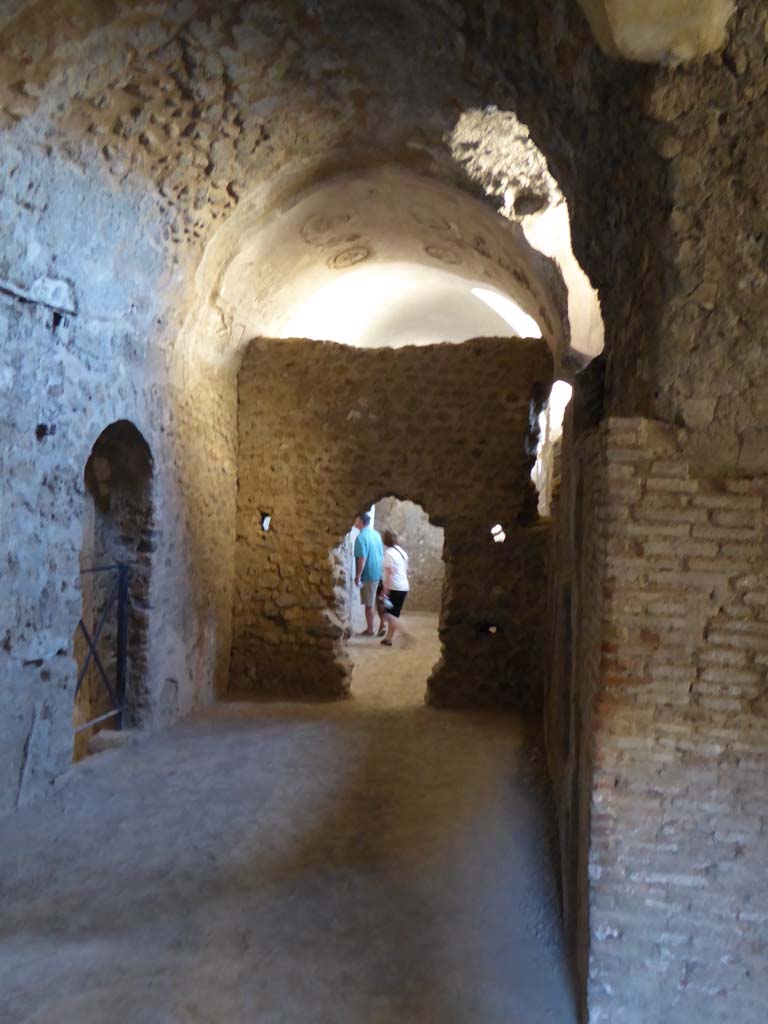
I.6.2 Pompeii. September 2017.
Looking south towards east wing of cryptoporticus,
from south wall of north wing, on right.
Foto Annette Haug, ERC Grant
681269 DÉCOR.
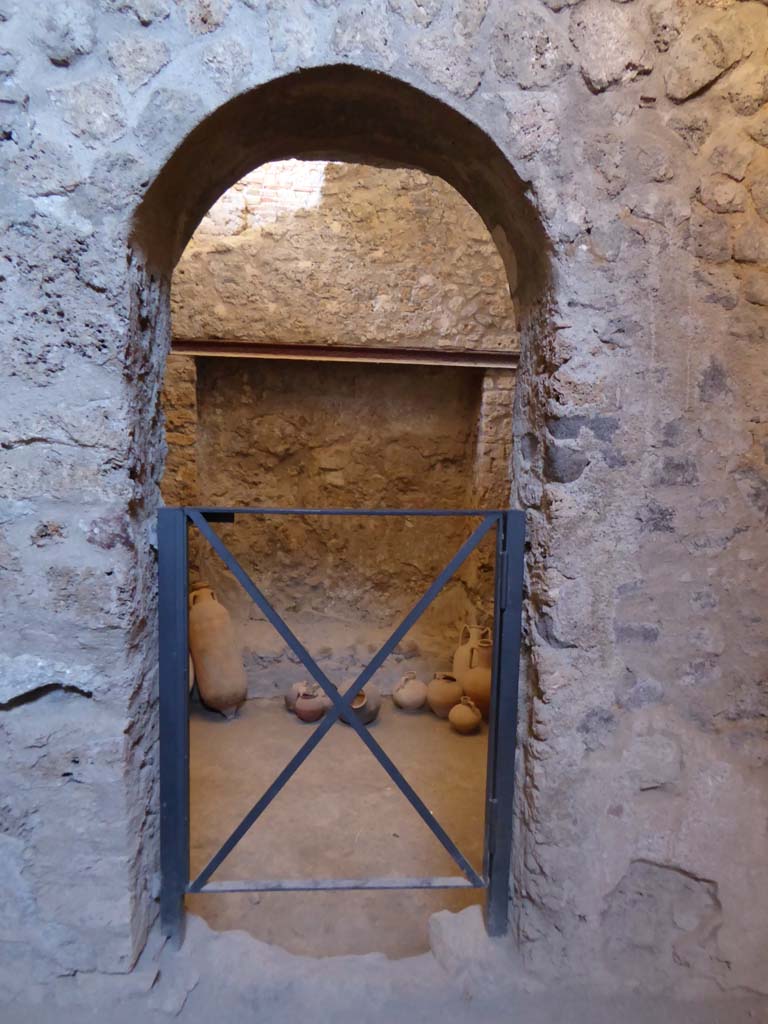
I.6.2 Pompeii. September 2017.
Looking east through doorway to caldarium in north-east corner of cryptoporticus.
Foto Annette
Haug, ERC Grant 681269 DÉCOR.
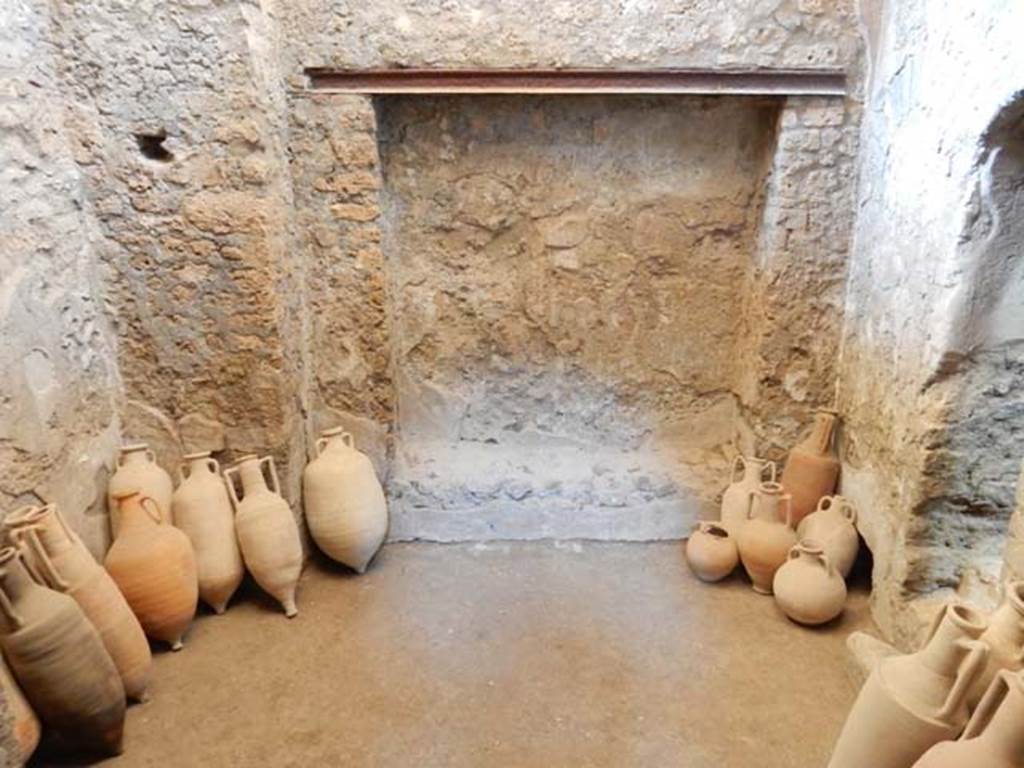
I.6.2 Pompeii. May 2016. Looking east through doorway of caldarium in north-east corner of cryptoporticus. Photo courtesy of Buzz Ferebee.
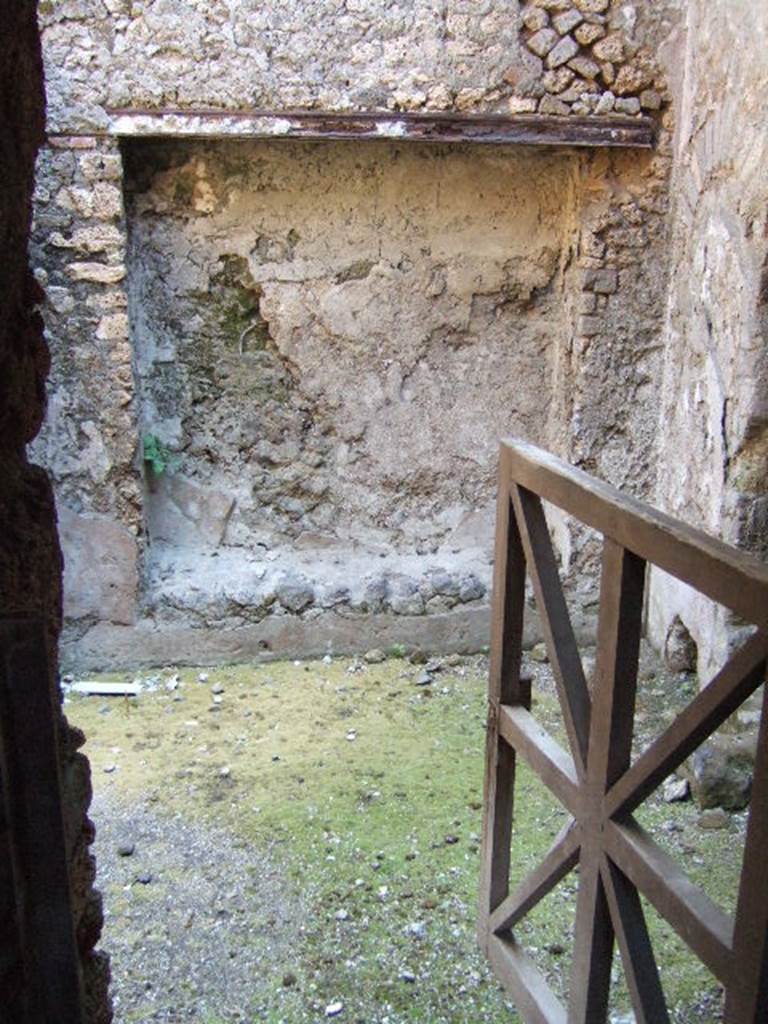
I.6.2 Pompeii. May 2006. Looking east through doorway in north-east corner of cryptoporticus.
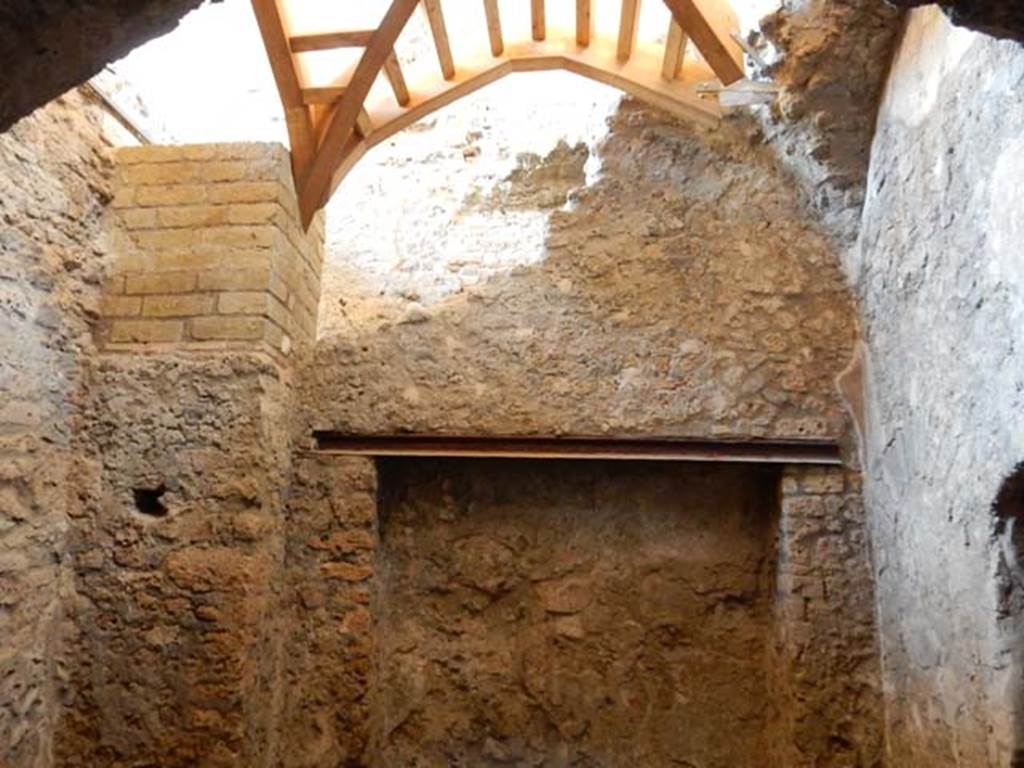
I.6.2 Pompeii. May 2016. Upper area of caldarium in north-east corner. Photo courtesy of Buzz Ferebee.
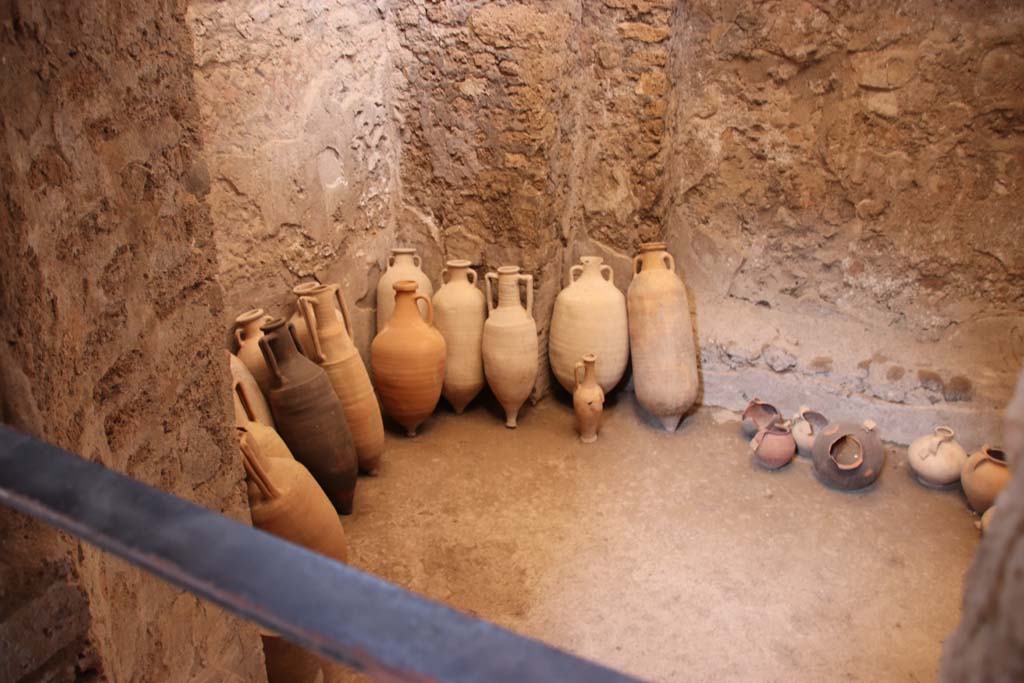
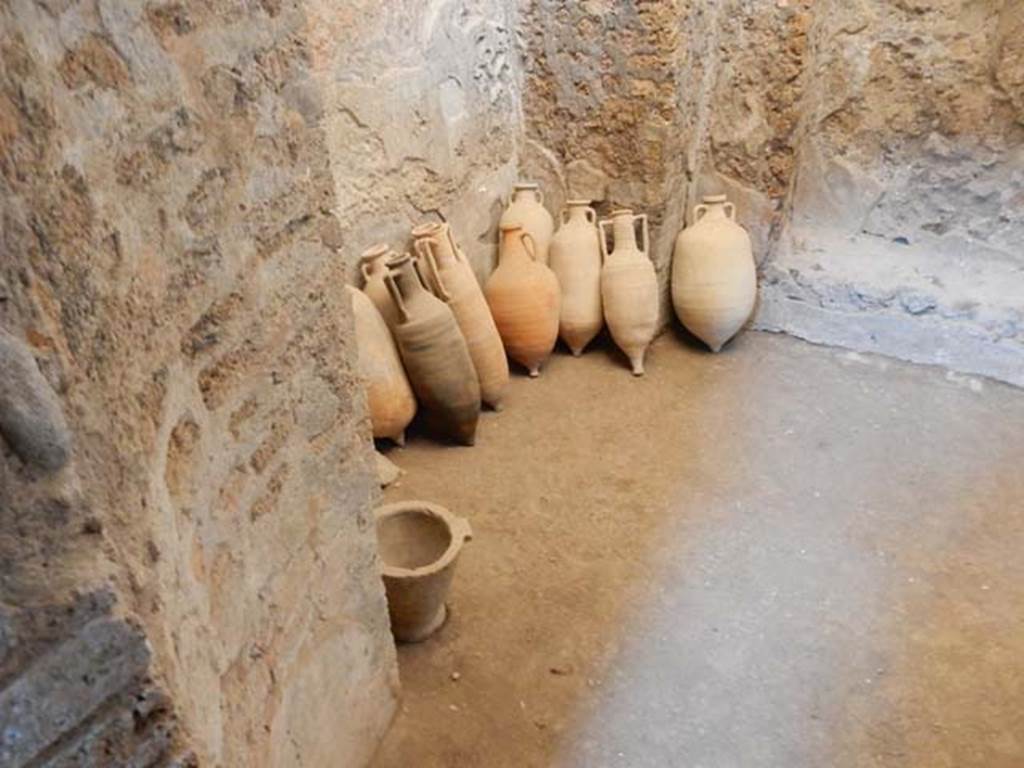
I.6.2 Pompeii. May 2016. Looking north-east. Photo courtesy of Buzz Ferebee.
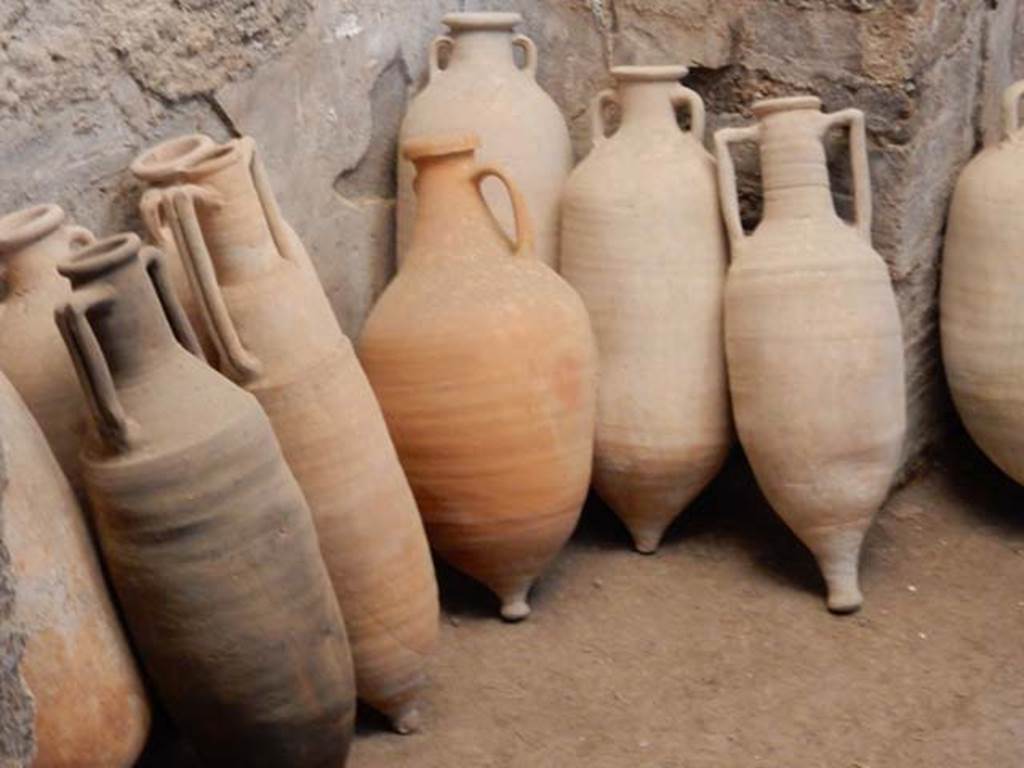
I.6.2 Pompeii. May 2016. Amphorae, looking north-east. Photo courtesy of Buzz Ferebee.
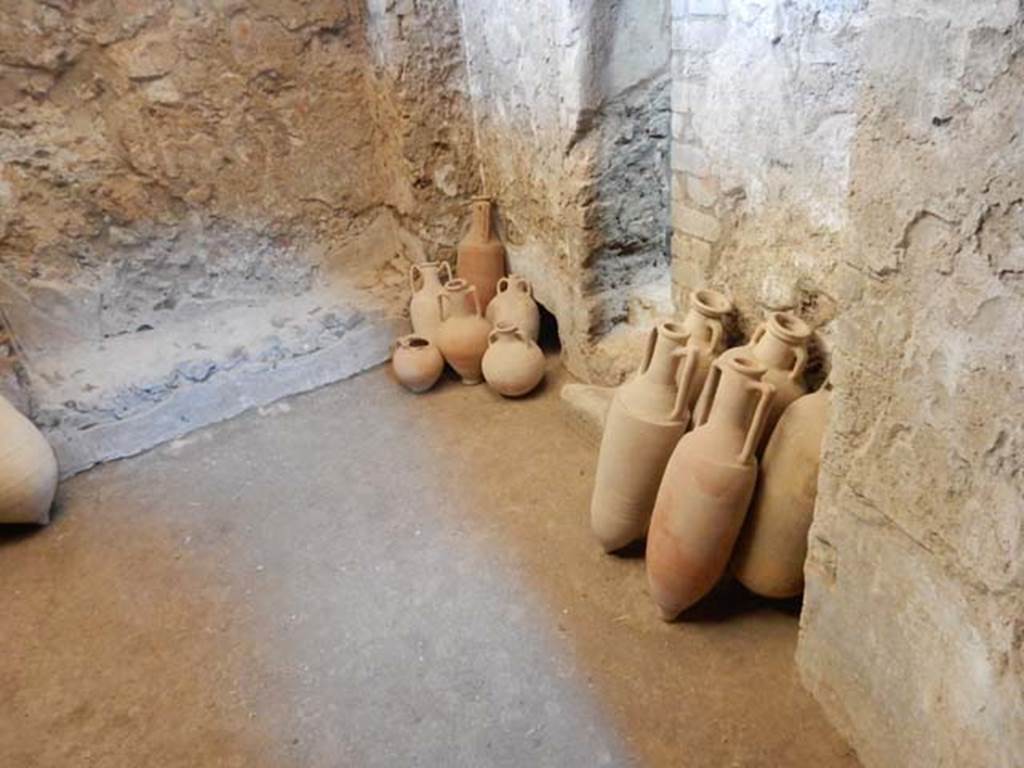
I.6.2 Pompeii. May 2016. Looking south-east in caldarium. Photo courtesy of Buzz Ferebee.
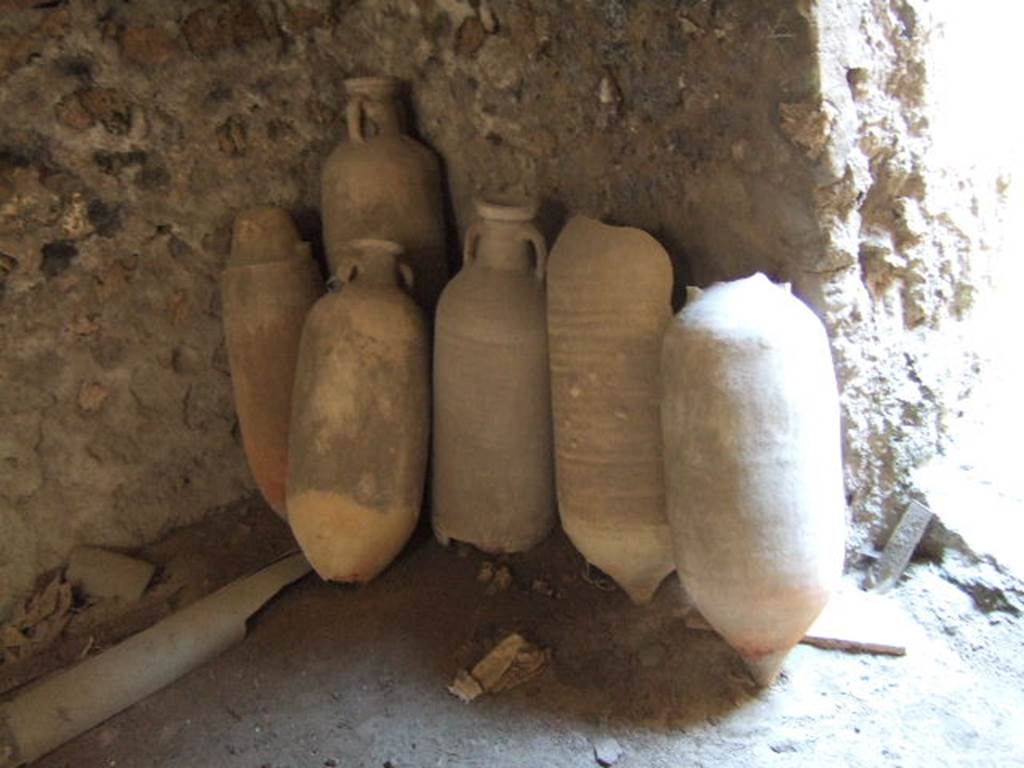
I.6.2 Pompeii. May 2006. Amphorae in caldarium near doorway to tepidarium in north-east corner.
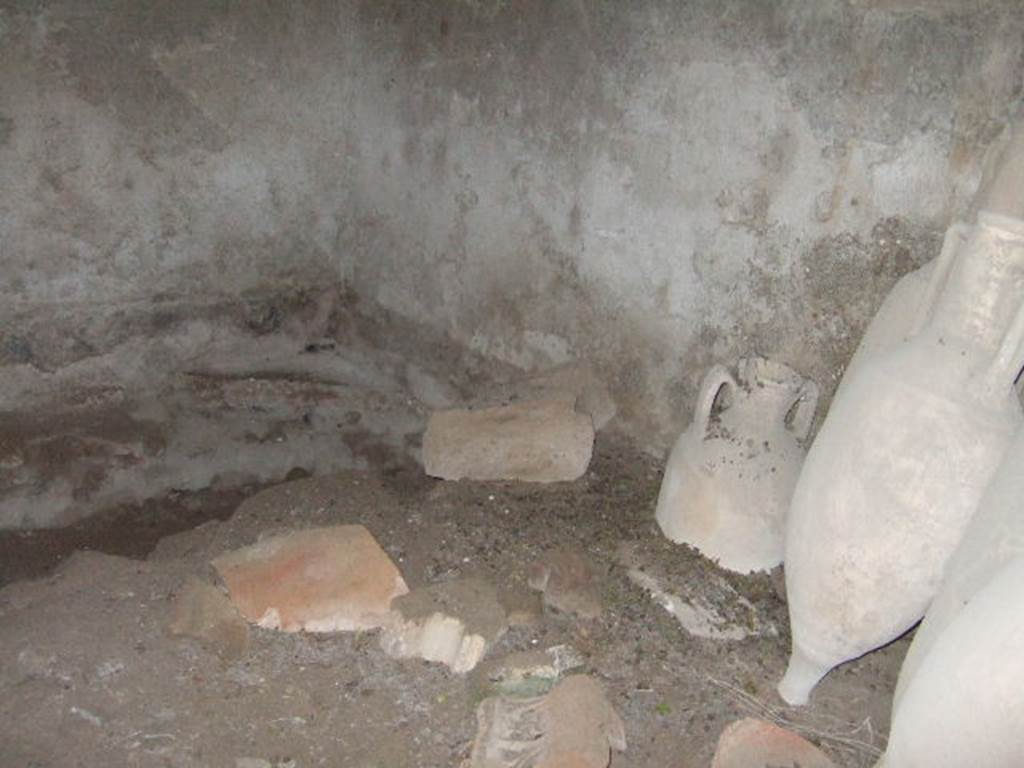
I.6.2 Pompeii. May 2006. Amphorae in caldarium.
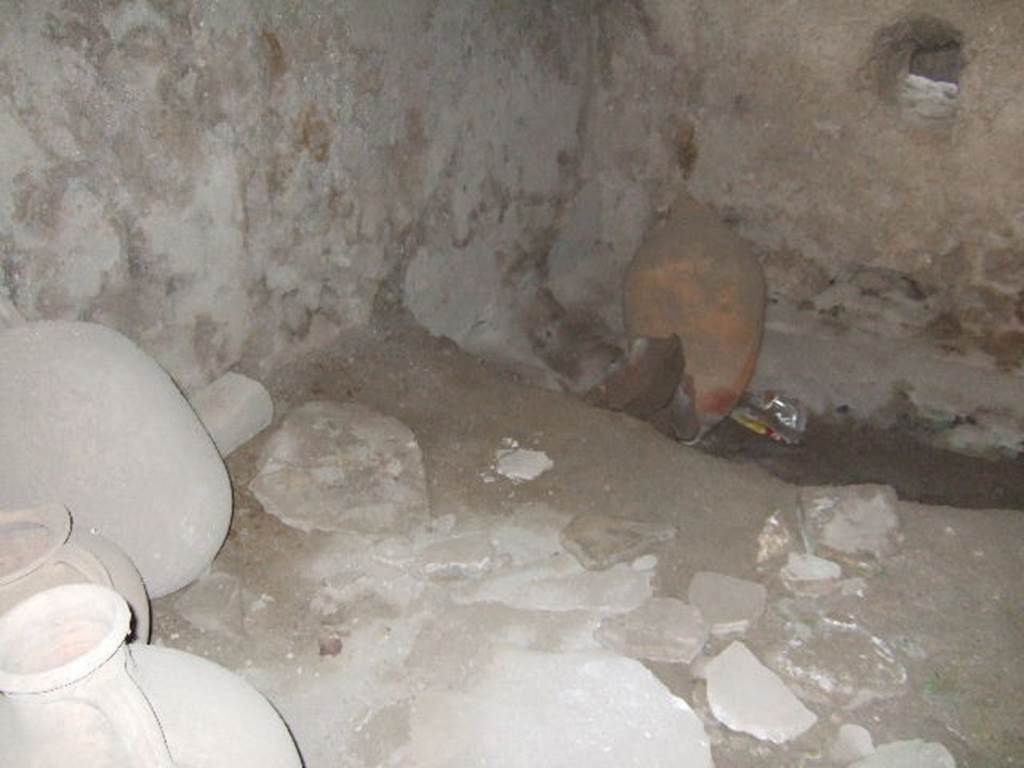
I.6.2 Pompeii. May 2006. Amphorae in caldarium.
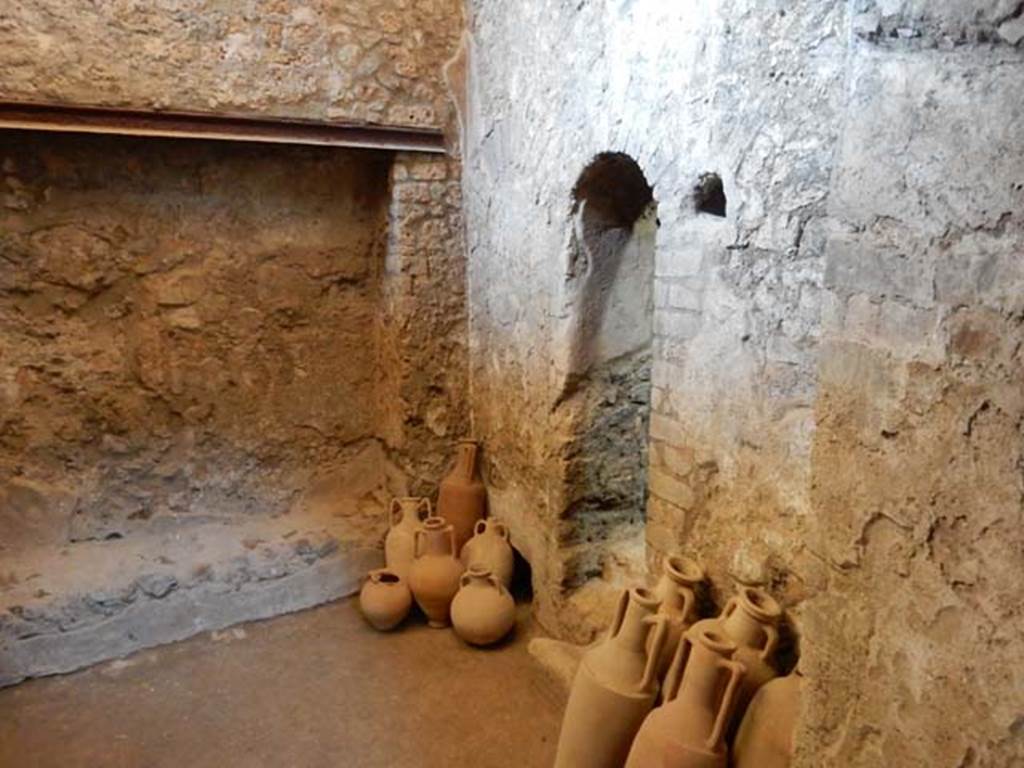
I.6.2 Pompeii. May 2016.
South wall of caldarium in north-east corner of cryptoporticus, with doorway to tepidarium in baths’ area. Photo courtesy of Buzz Ferebee.
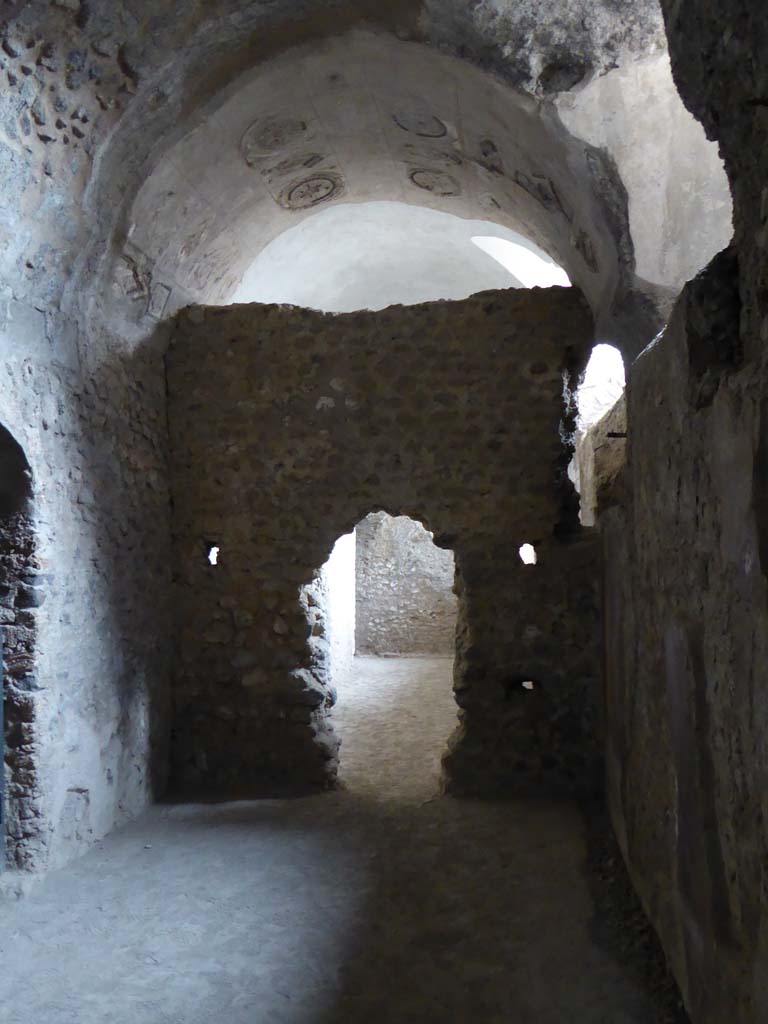
I.6.2 Pompeii. September 2017.
Looking south towards east wing of cryptoporticus,
with small doorway to caldarium in north-east corner, on left.
Foto Annette Haug, ERC Grant
681269 DÉCOR.
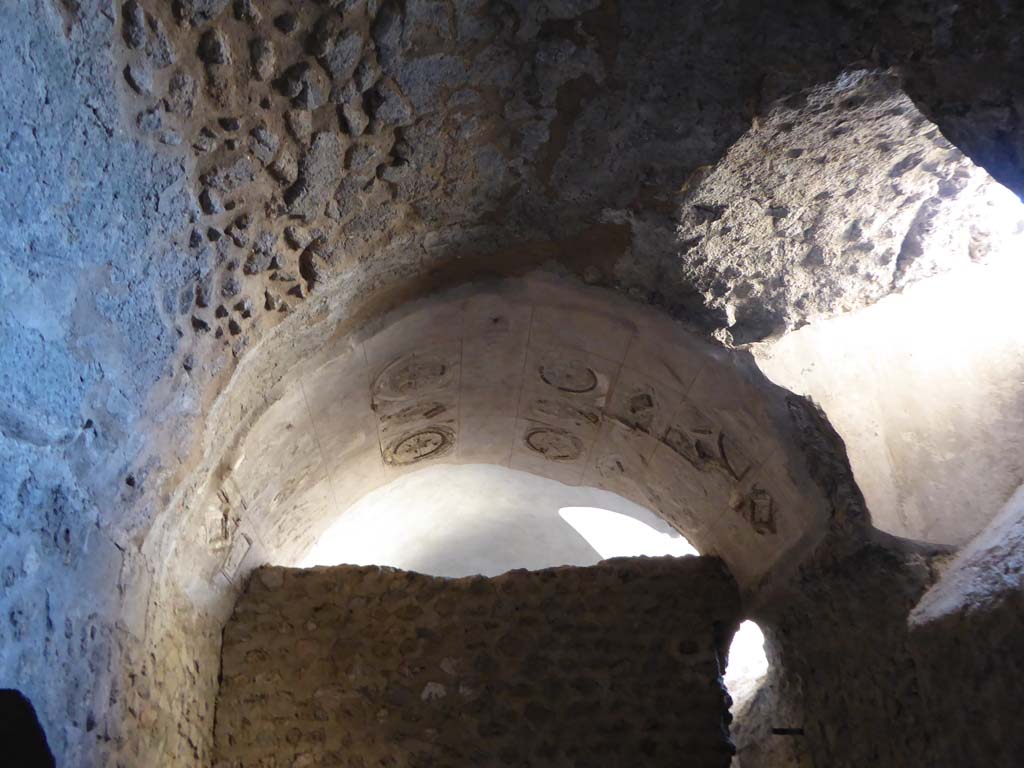
I.6.2 Pompeii. September 2017. Detail of arched
ceiling of east wing of cryptoporticus.
Foto Annette Haug, ERC Grant
681269 DÉCOR.
Part: 1 2 3 4 5
6 7 8 9 10 11 12 13_