I.3.13 Pompeii. Shop and workshop of Sextilius Verus.
Linked to I.3.14. Excavated 1853 and 1867.
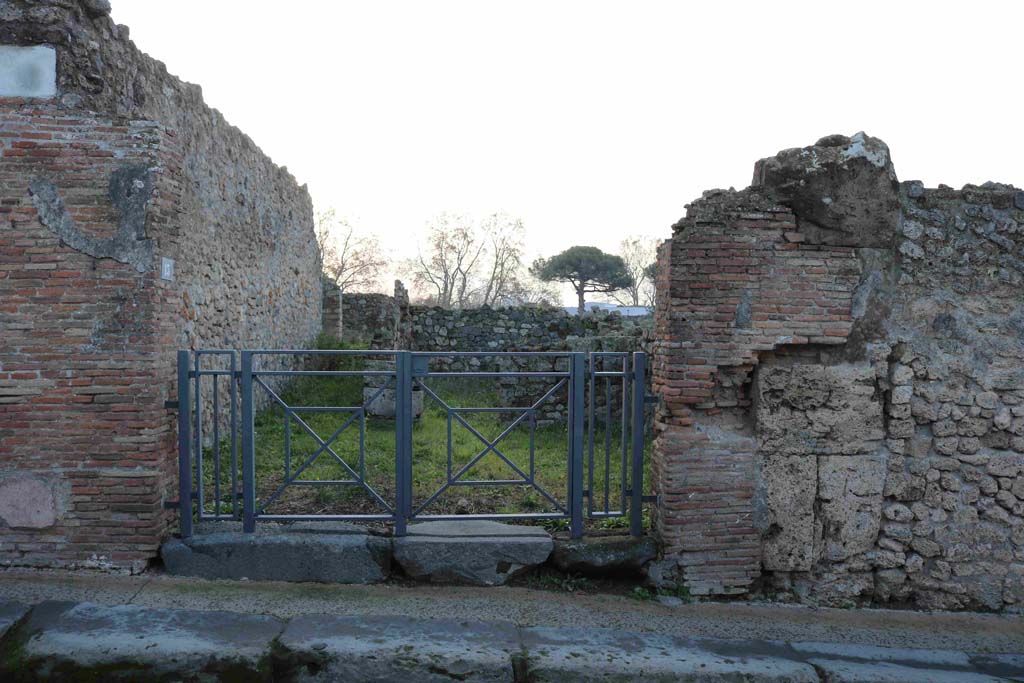
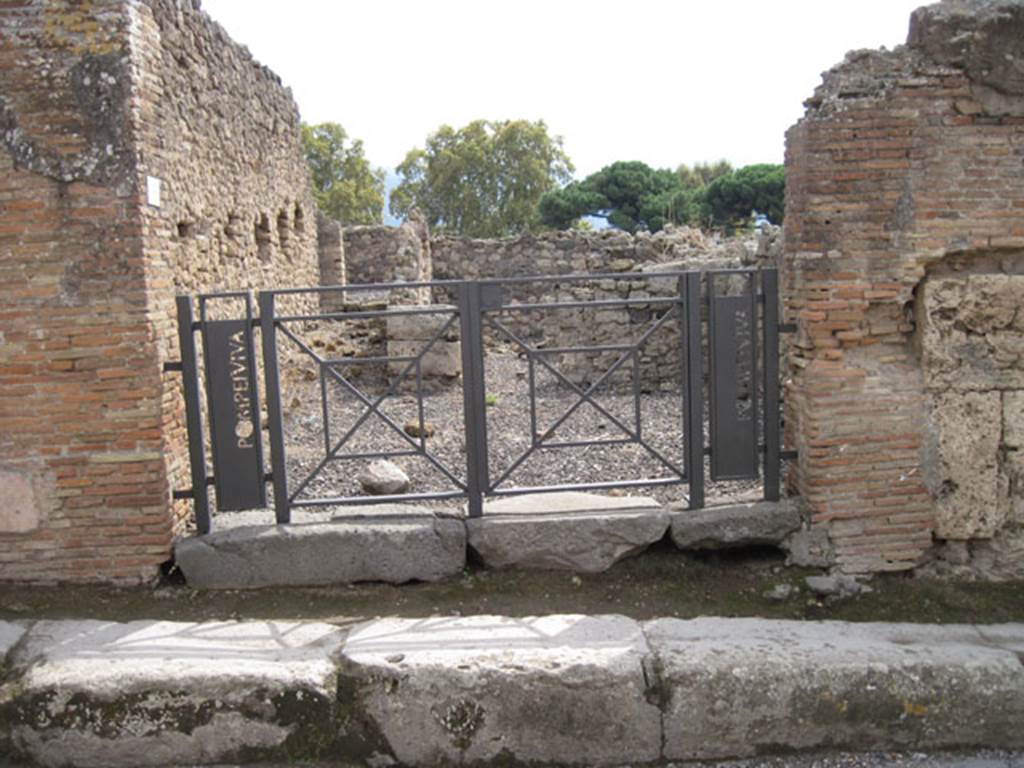
I.3.13 Pompeii. September 2010. Looking south to entrance doorway. Photo courtesy of Drew Baker.
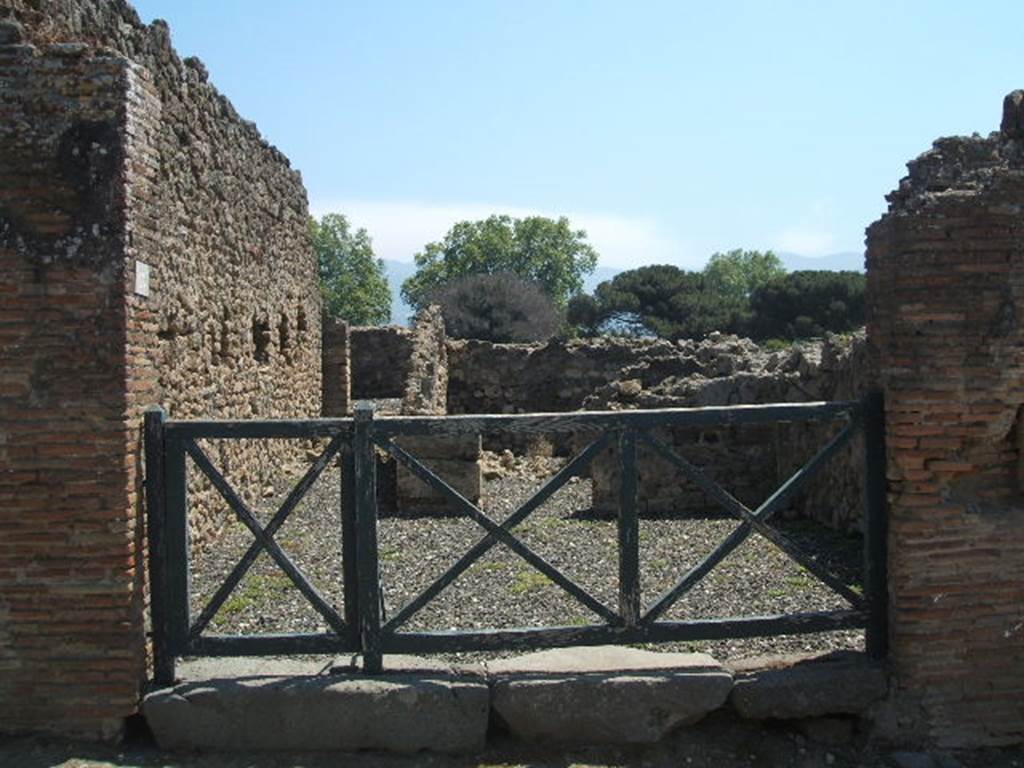
I.3.13 Pompeii. May 2005. Entrance, looking south.
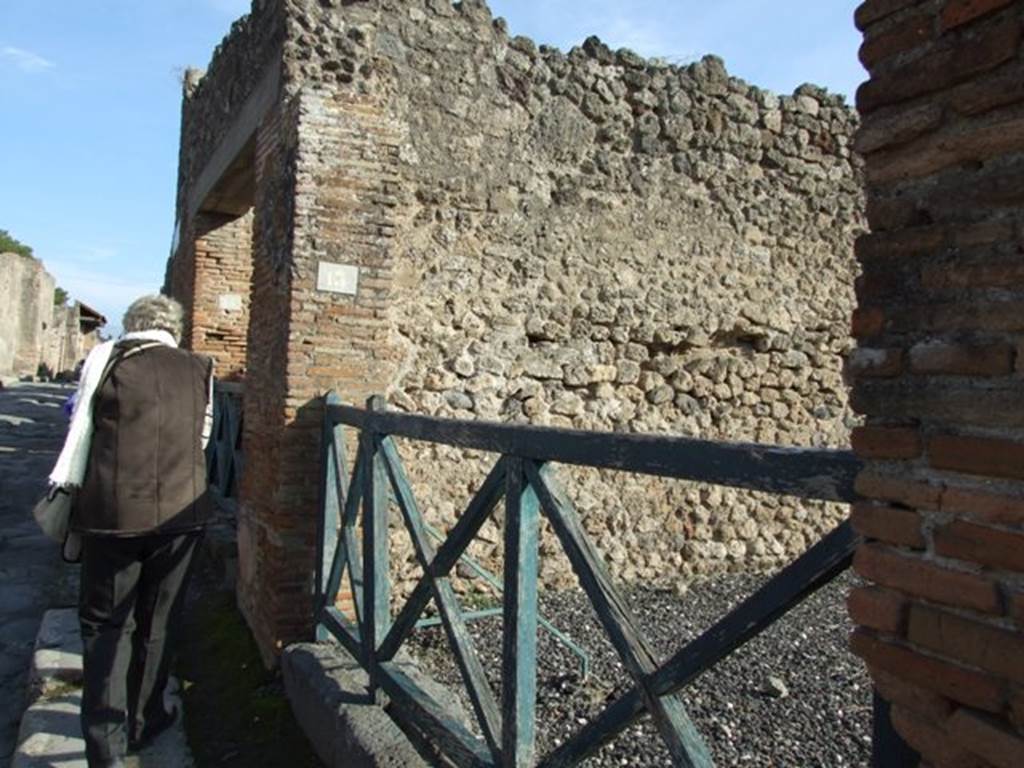
I.3.13 Pompeii.
December 2007. Entrance on Vicolo del Menandro.
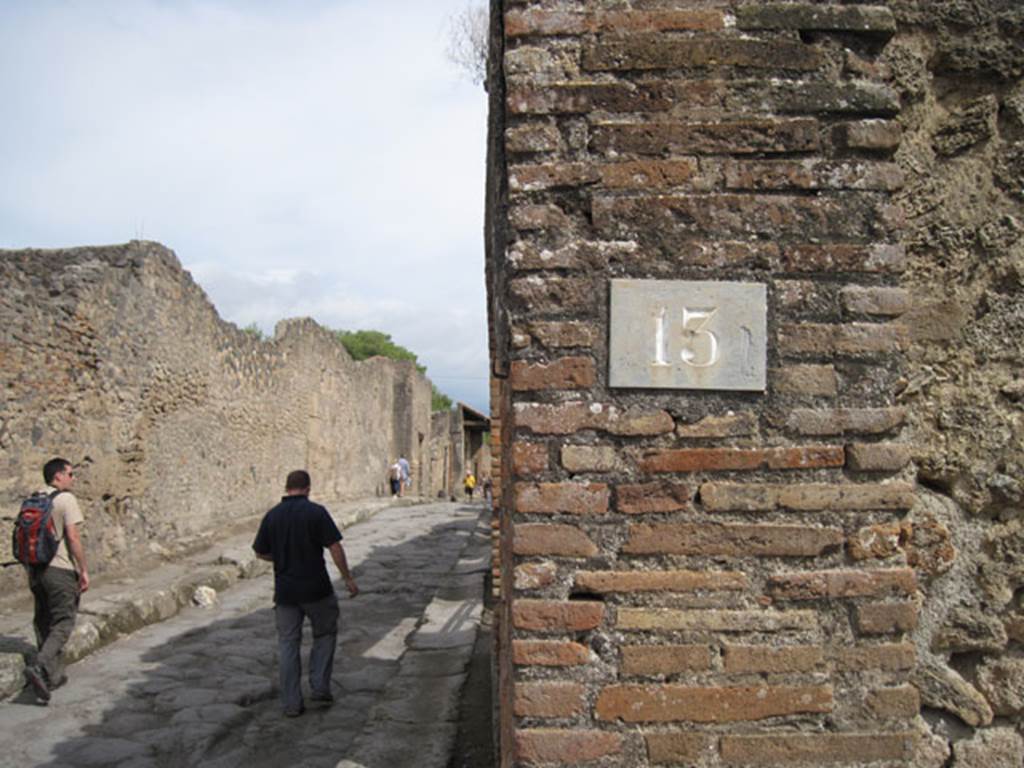
I.3.13 Pompeii. September 2010. Number ID plate. Looking east along Vicolo del Menandro. Photo courtesy of Drew Baker.
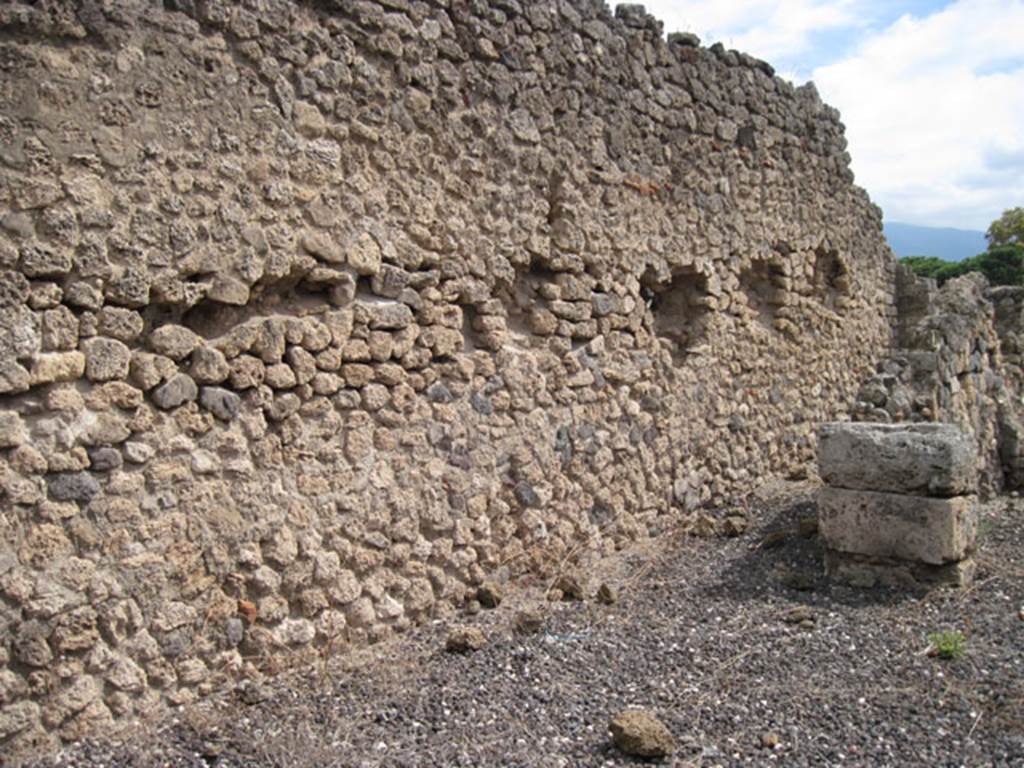
I.3.13 Pompeii. September 2010. Looking south along east wall towards south-east corner. Photo courtesy of Drew Baker.
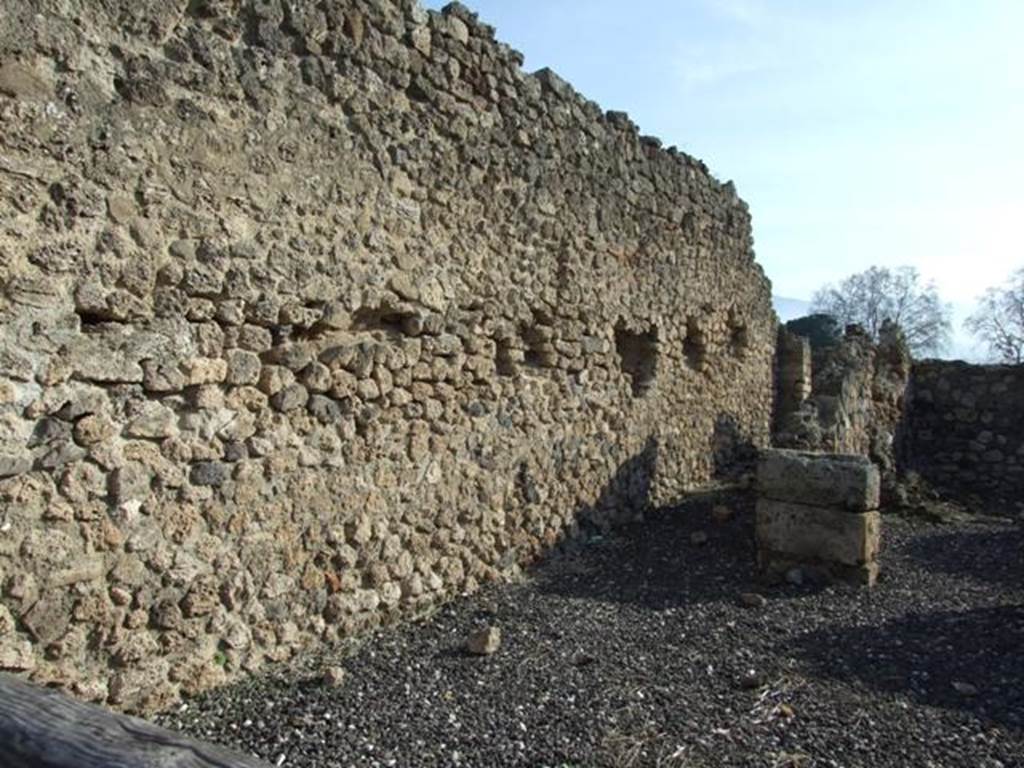
I.3.13 Pompeii. December 2007. East wall with corridor to narrow area behind which is shared with I.3.14.
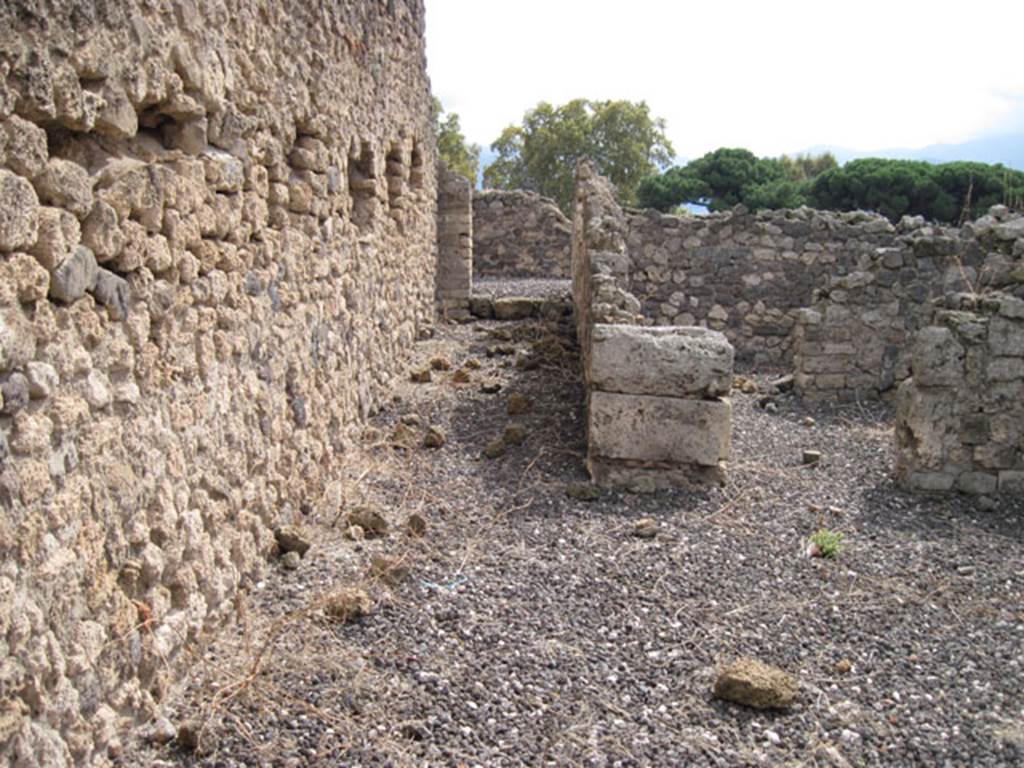
I.3.13 Pompeii. September 2010.
Looking south from entrance doorway towards corridor and doorway to rear room in south-east corner. Photo courtesy of Drew Baker.
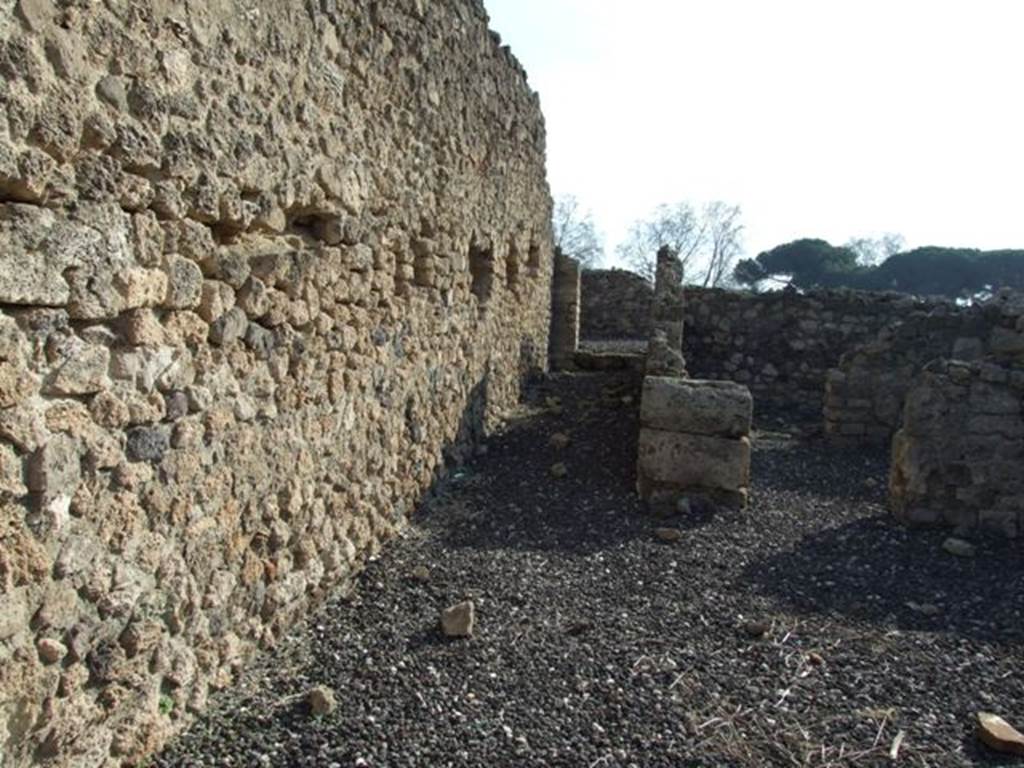
I.3.13 Pompeii. December 2007. East wall looking south along corridor to narrow area behind which is shared with I.3.14.
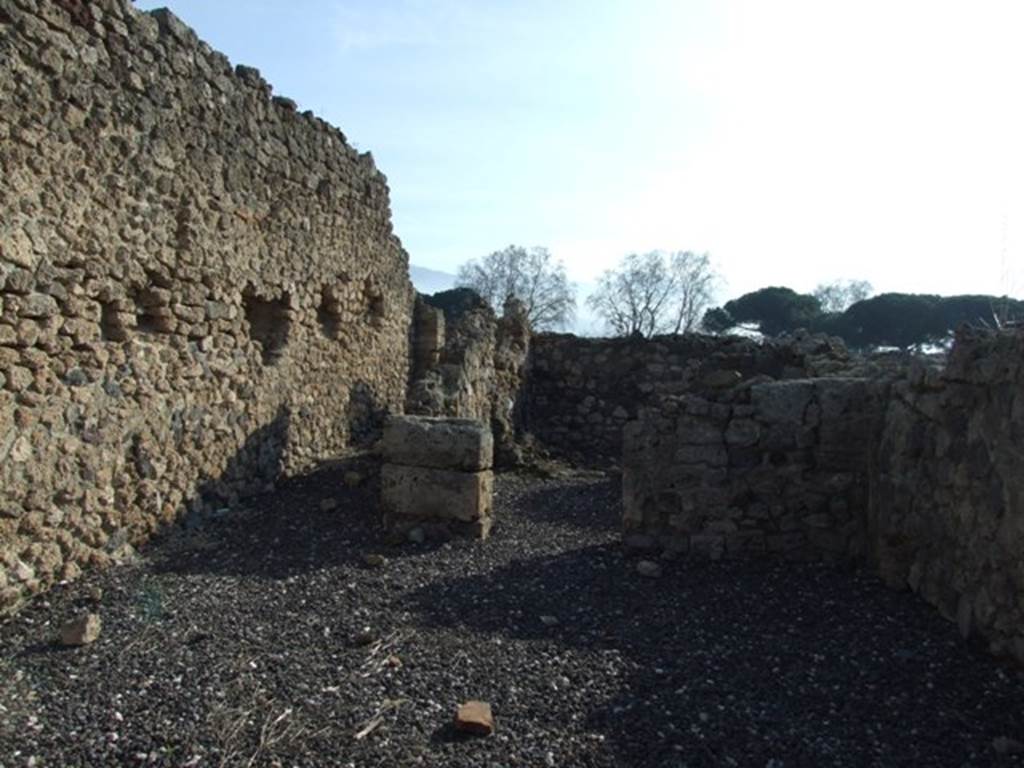
I.3.13 Pompeii. December 2007. Looking south across shop towards corridor and rear rooms.
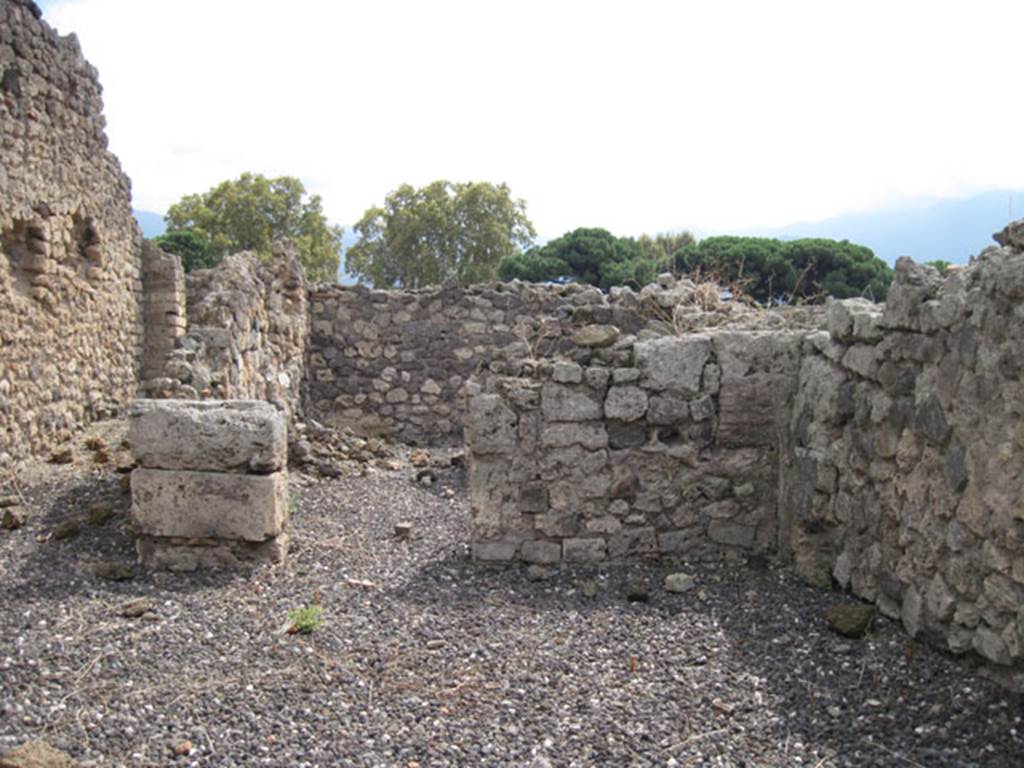
I.3.13 Pompeii. September 2010.
Looking south from entrance doorway towards two rear rooms in south-west corner. Photo courtesy of Drew Baker.
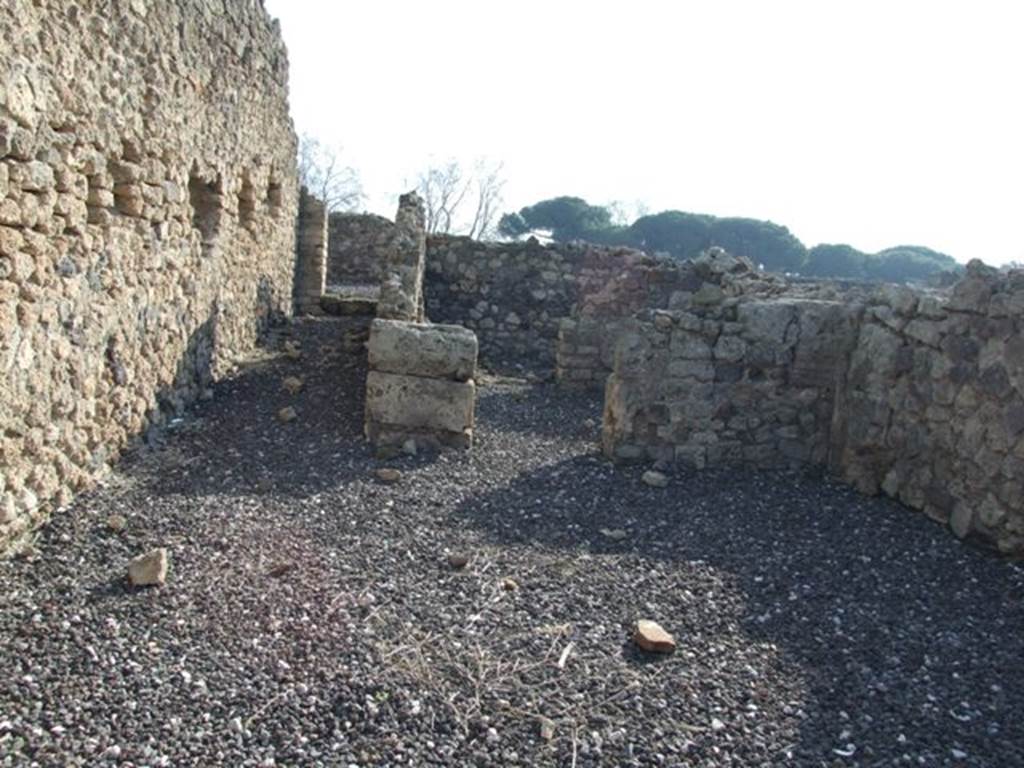
I.3.13 Pompeii. December 2007. Looking south into two rear interconnecting rooms.
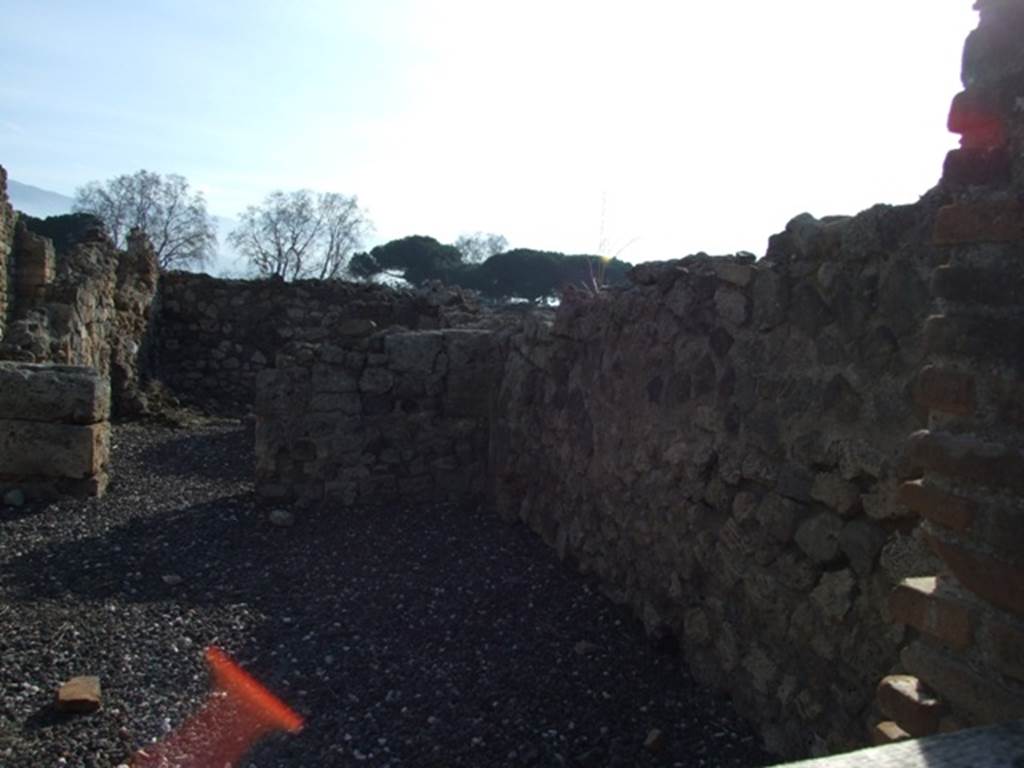
I.3.13 Pompeii. December 2007. West wall, looking south to the two rear rooms.
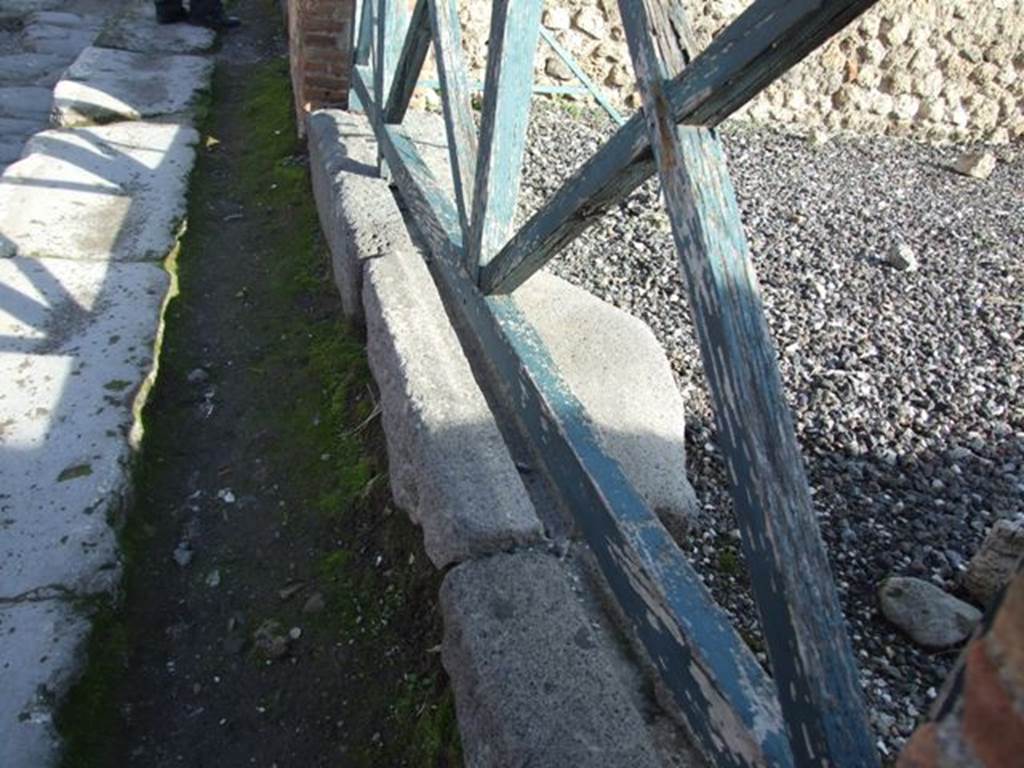
I.3.13 Pompeii. December 2007. Entrance threshold or sill for sliding shutters.
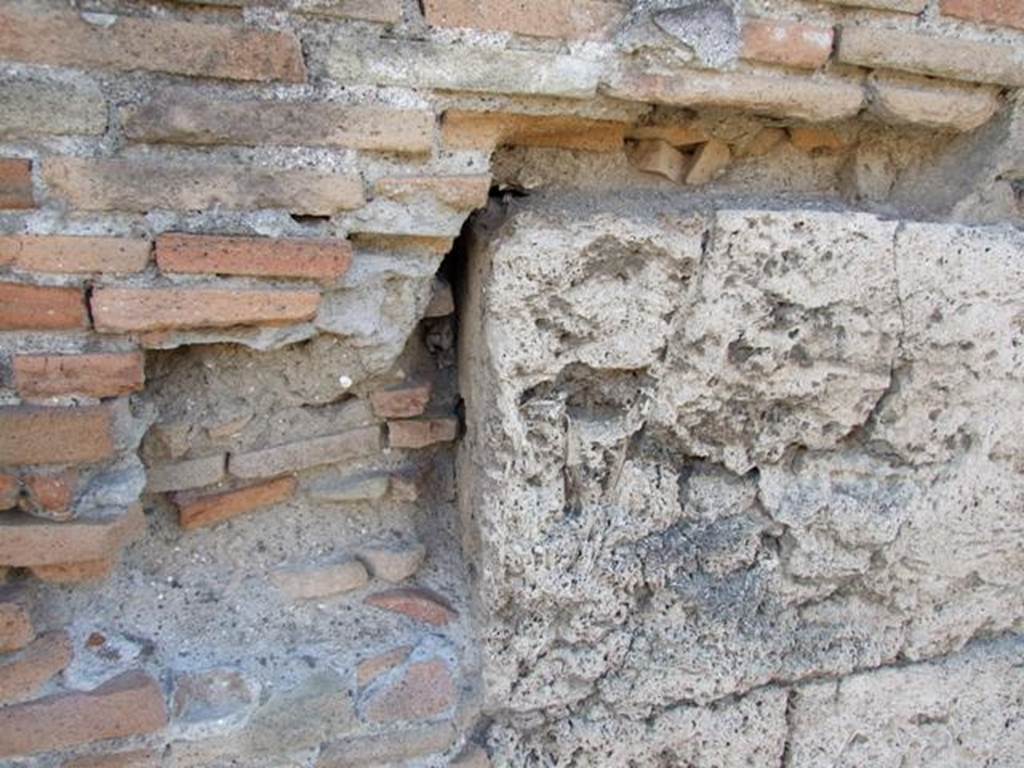
I.3.13 Pompeii. December 2007. Brick and stone to west side of entrance.
In Codex Topographicus Pompeianus: Regio I.3, (the copy at DAIR), Warscher included a description of the insula.
This description is included at the end in all parts of I.3 on the website.
“L’isola 3 della
Regio I apparteneva ai quartieri piuttosto poveri, ad’esenzione della casa no.
3 tutto le case sono di dimensioni non grandi.
La casa no. 3
presenta un interesse dal punto di vista della costruzione: il peristilio si
trova ad un livello più alto di quello dell’atrio:
questa
particolarità si riscontra solamente in questa casa.
Noi abbiamo un
esempio inverso nella casa dell’Ancora nera ove l’atrio si trova ad un livello
più alto di quello del peristilio.
Si sente bene
nell’isola in questione la vicinanza dell’anfiteatro da una parte e delle
caserme dei gladiatori dall’altra.
Non c’è dubbio
che le case nos 23, 25 siano state abitato da gladiatori.
(Translation: “Insula 3 of Region I belonged to a rather
poor neighbourhood, with the exception of house No. 3 all the houses were not
large in size.
The house at no. 3 had a special interest from the point
of view of construction: the peristyle sits at a level higher than that of the
atrium: this particularity was found only in this house. We have a contrary
example in the House of the Black Anchor where the atrium was located at a
higher level than that of the peristyle.
The nearness of the amphitheatre on one side and the
gladiators' barracks on the other suited well the inhabitants of the insula in
question.
There was no doubt that the houses numbered 23, 25 had
been inhabited by gladiators.”).